
.jpg)


201
1 hr 30 min
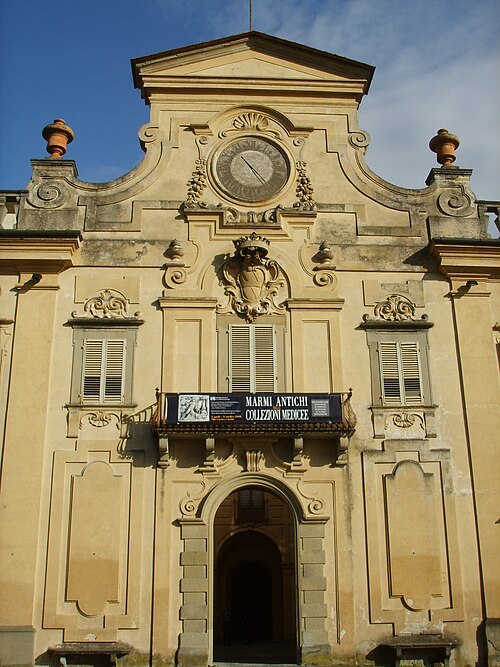
Villa Corsini in Castello
Villa Corsini
Villa Corsini in Castello is a historic villa in Florence’s Castello area.
- High
- Museum
- Florence
Language · 11 published
Country guide
Italy holds 62 World Heritage Sites, more than any other country, spread across 301,340 km2 of land that runs from the Alps down into the middle of the Mediterranean. The distances between its cities are short and the differences between them are not: Venice has no roads, Naples sits under a volcano on a bay, Florence fits inside a walkable Renaissance grid, and Milan keeps its art indoors and works for a living. Rome is the capital and the obvious first trip; the argument is always about what comes second. Nearly 800 islands hang off the coast, and Sicily and Sardinia are each large enough to be a trip of their own.
Reviewed by Elena Voss · Roavina Travel Editor
Every city catalogued in this country so far, ranked by how much there is to see.
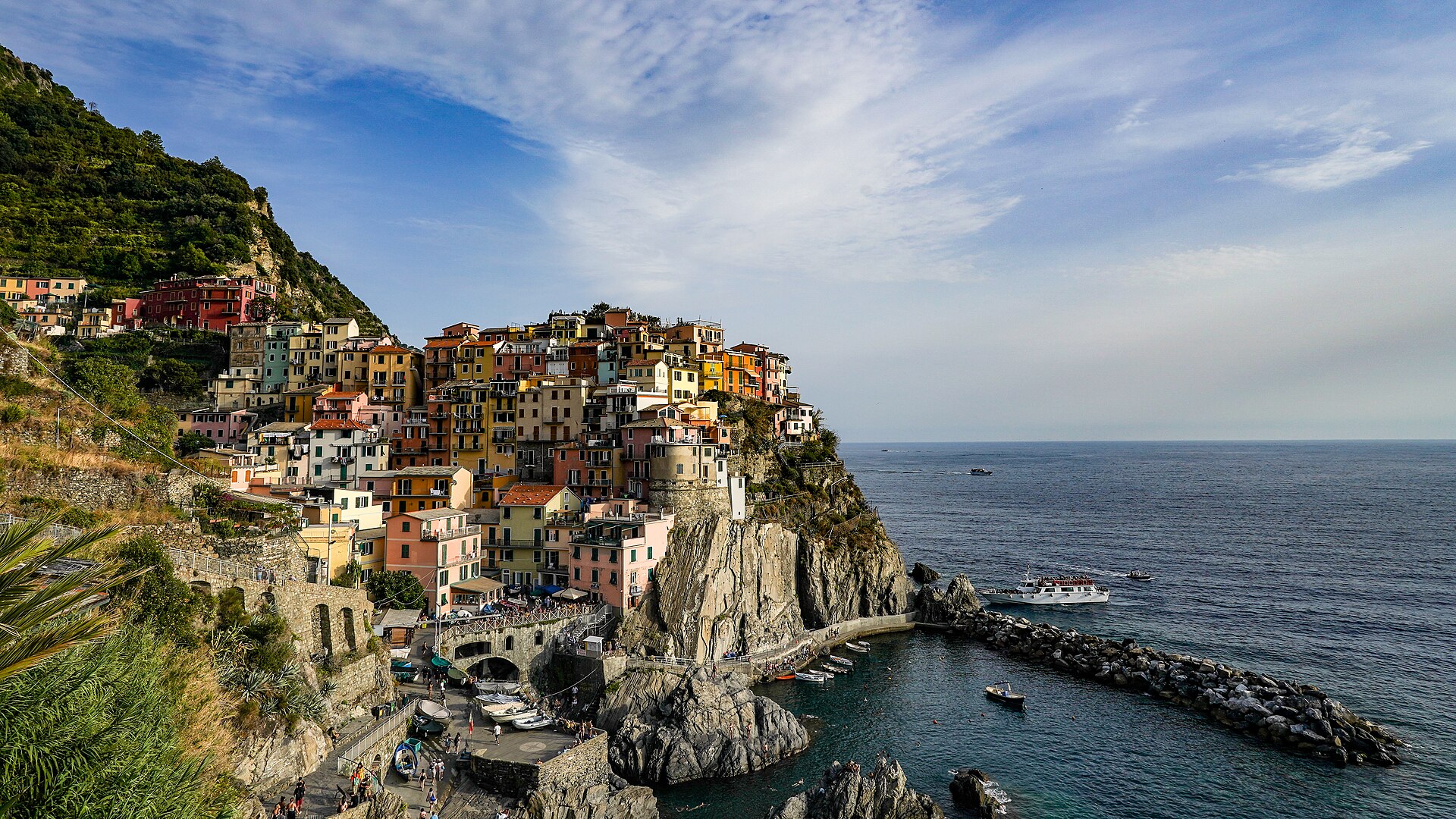
Photograph · Bert Kaufmann from Roermond, Netherlands · CC BY-SA 2.0
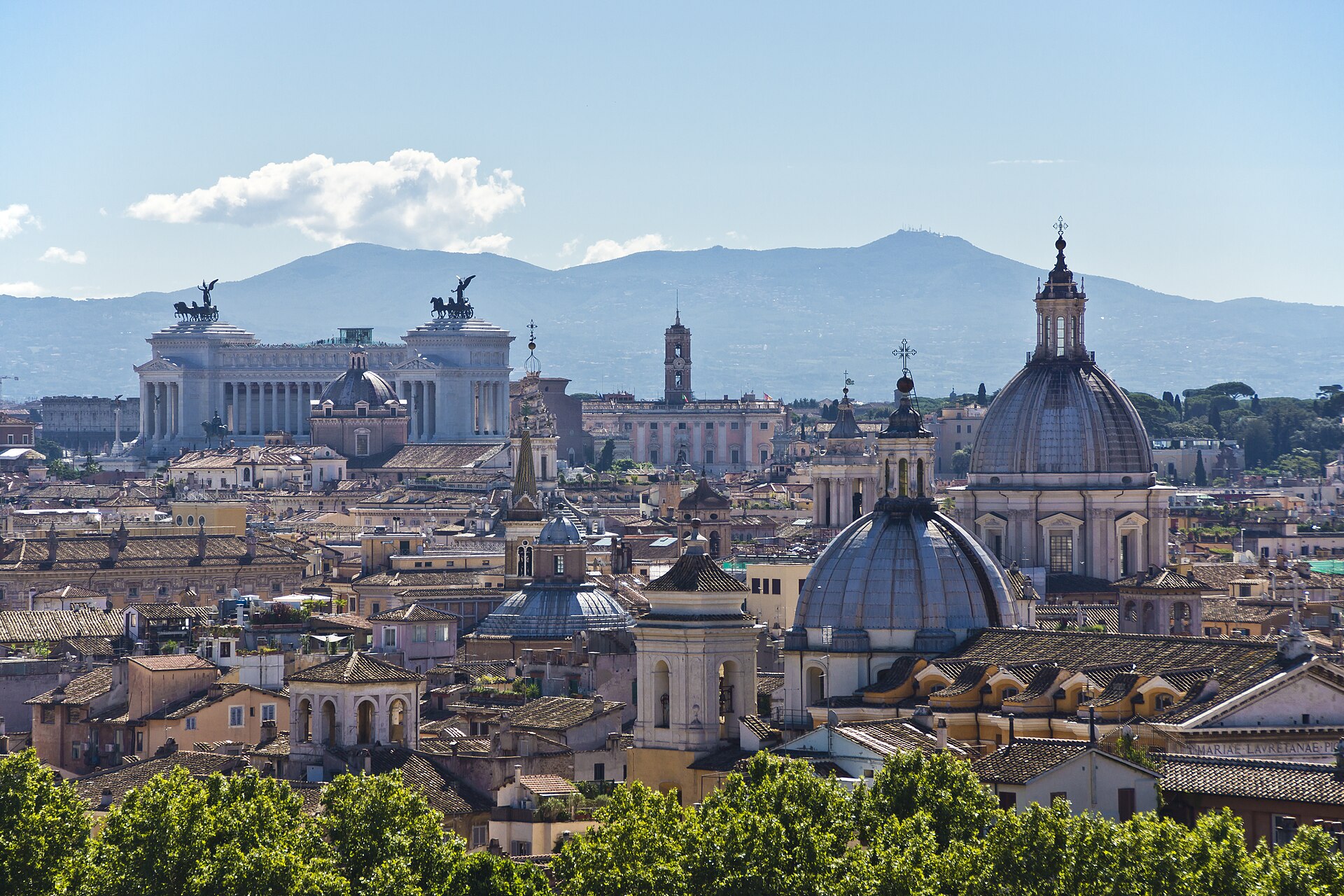
Photograph · Daniel Case · CC BY-SA 3.0
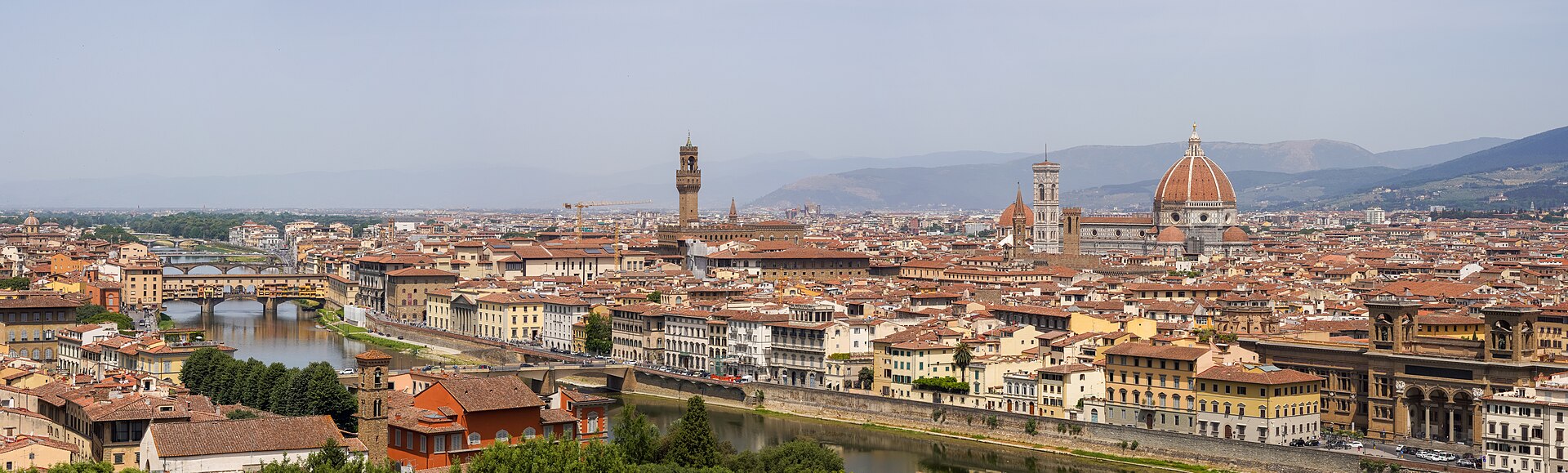
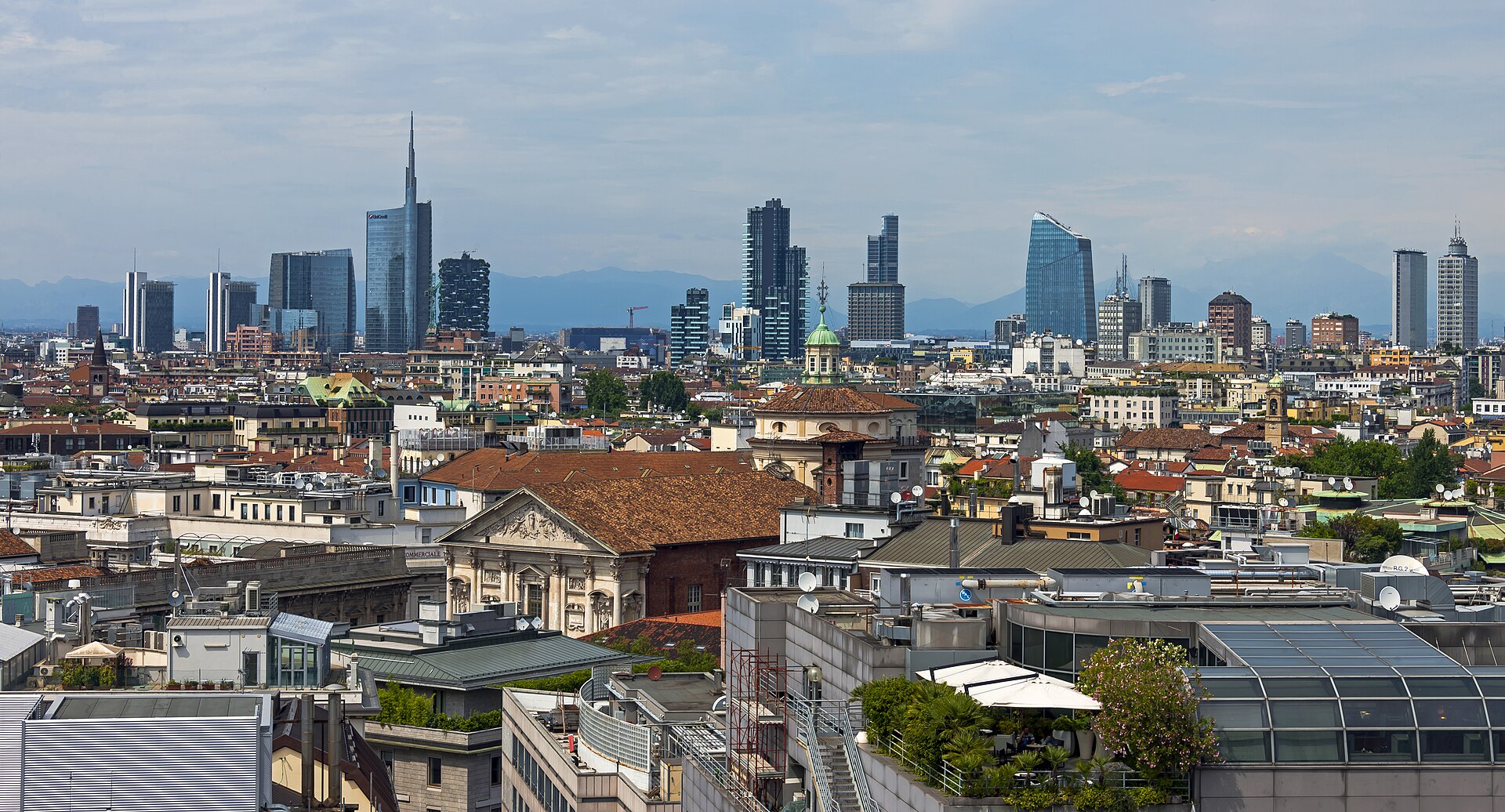
Photograph · Wikibusters · CC BY-SA 4.0

Photograph · Martin Falbisoner · CC BY-SA 4.0
Ranked by importance — sitelinks, pageviews and heritage status, not editor preference.
408 places match
Category
Typical visit duration
Interests
Villa Corsini
Villa Corsini in Castello is a historic villa in Florence’s Castello area.
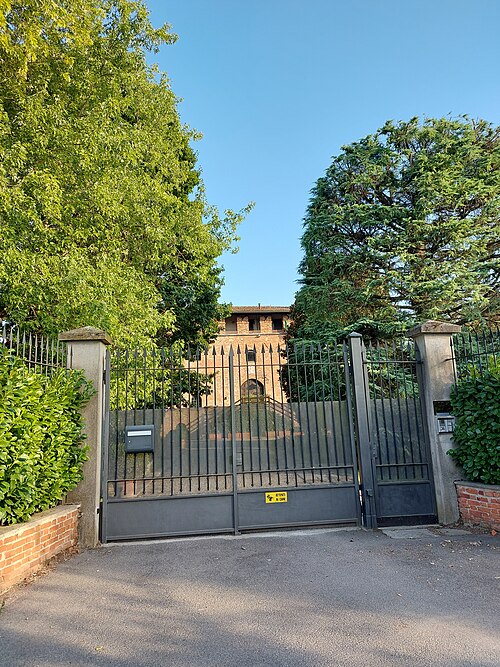
Castello di Macconago
Castle of Macconago, also known locally as Castello di Macconago, is a historic castle in the Milan area. Its fortified character connects the site with Lombardy’s tradition of defensive buildings and noble residences.
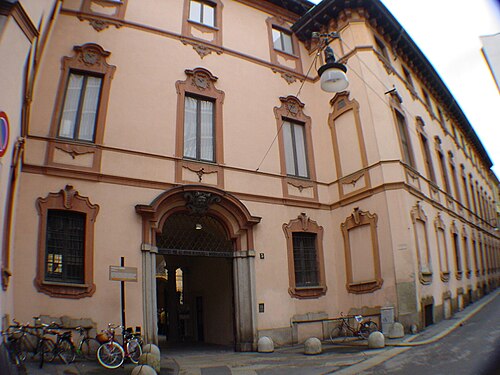
Palazzo Clerici
Clerici Palace is a Milanese aristocratic residence associated with the Clerici family, set within the city’s historic centre.
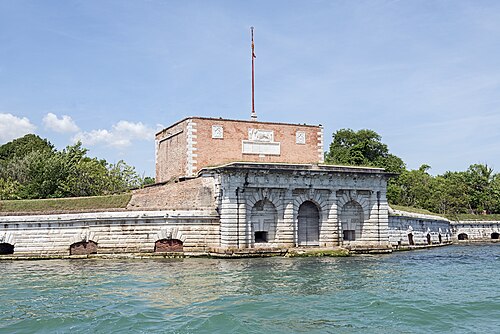
Forte di Sant'Andrea is a historic military fortification located on the island of Sant'Andrea in the Venetian Lagoon. Built in the 16th century, it formed part of Venice's defensive system protecting the city from maritime threats approaching from the northeast.

Palazzo e Torre Rasini
Palazzo e Torre Rasini stands as a notable architectural presence in Milan. This tower and palace complex represents an element of the city's built heritage, contributing to the urban fabric of Italy's second-largest city.
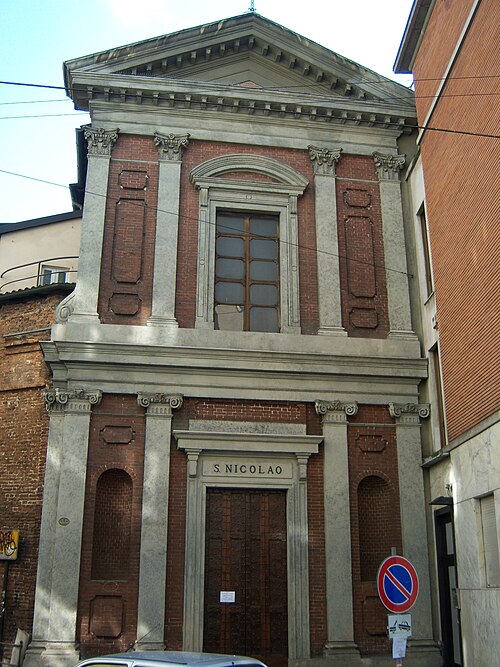
Chiesa di San Nicolao
San Nicolao Church, or Chiesa di San Nicolao, is a historic religious building in Milan. It belongs to the city’s broad ecclesiastical heritage and offers a quieter alternative to the major cathedral and basilica circuit.
Galleria d'Arte Sacra dei Contemporanei is a Milanese gallery devoted to contemporary sacred art. It brings religious themes into conversation with modern artistic practice, offering a focused alternative to the city’s better-known Renaissance, Baroque and modern-art collections.
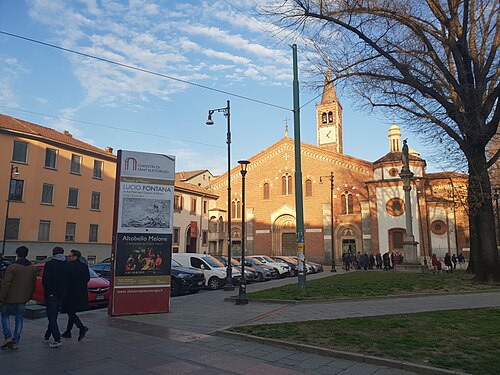
Museo della basilica di Sant'Eustorgio
Museo di Sant'Eustorgio is housed within the Basilica di Sant'Eustorgio, one of Milan's important historic religious complexes.
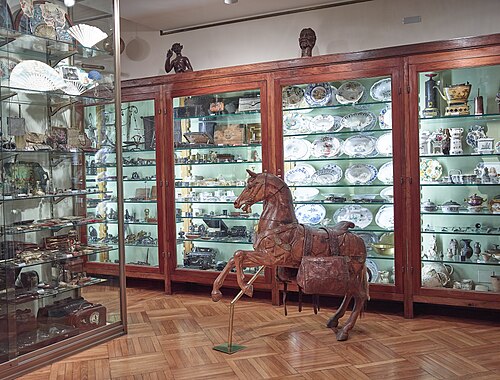
Museo Mangini Bonomi is a museum in Milan and a suitable stop for travelers exploring the city’s heritage beyond its best-known landmarks. The museum belongs to Milan’s cultural landscape and offers a more focused setting than the city’s largest institutions.
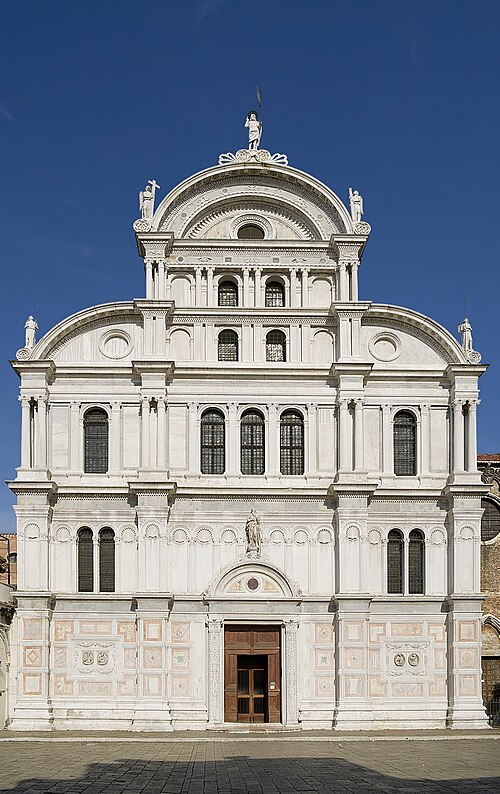
Chiesa di San Zaccaria
San Zaccaria, also called Chiesa di San Zaccaria, is a historic church near Venice’s waterfront, east of Piazza San Marco. It stands in the Castello sestiere and reflects a transition between Gothic and Renaissance architecture.
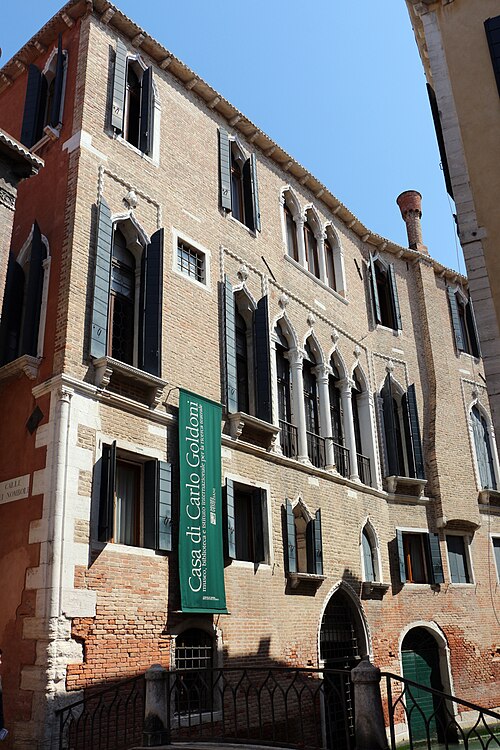
Casa di Carlo Goldoni
Casa di Carlo Goldoni is a museum dedicated to the life and work of Carlo Goldoni, the celebrated 18th-century Venetian playwright.

Chiesa di San Bernardino alle Ossa
San Bernardino alle Ossa is a historic church in central Milan, Italy. Its local name is Chiesa di San Bernardino alle Ossa.
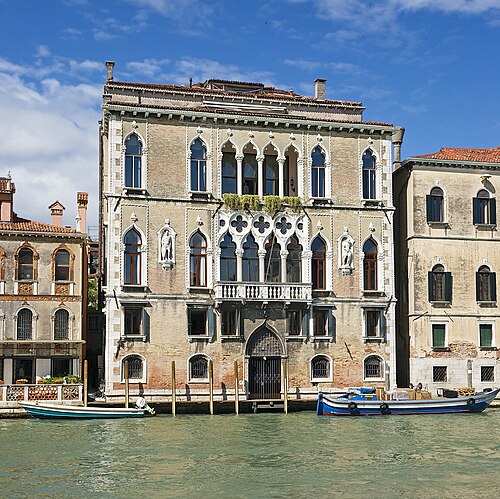
Palazzo Loredan dell'Ambasciatore is a historic Venetian palace located in the Dorsoduro district, overlooking the Grand Canal. It belongs to the Loredan family, one of Venice's most ancient and distinguished patrician houses.
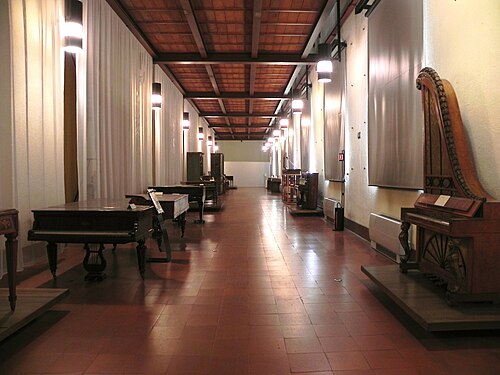
Museo degli Strumenti Musicali
The Museum of Musical Instruments, or Museo degli Strumenti Musicali, is a Milan cultural stop devoted to musical heritage and instrument design. The collection helps visitors follow how musical tools developed across historical periods and how craftsmanship shaped sound.
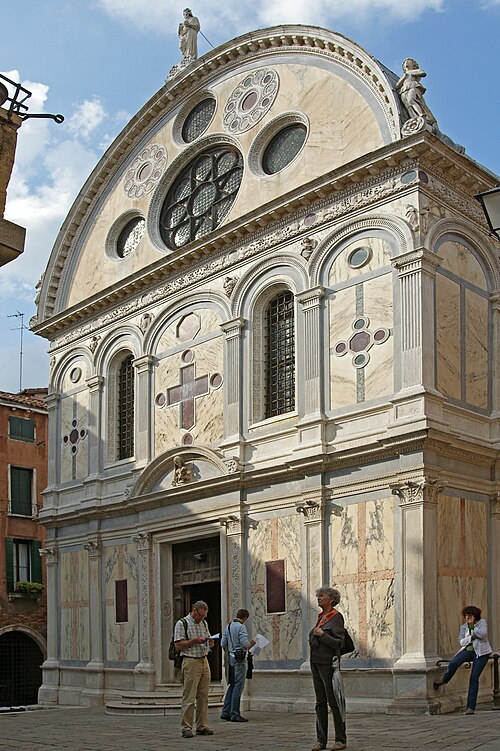
Chiesa di Santa Maria dei Miracoli
Santa Maria dei Miracoli is a Renaissance church in Venice, locally known as Chiesa di Santa Maria dei Miracoli. It was built between 1481 and 1489 to house a miraculous icon of the Virgin Mary.
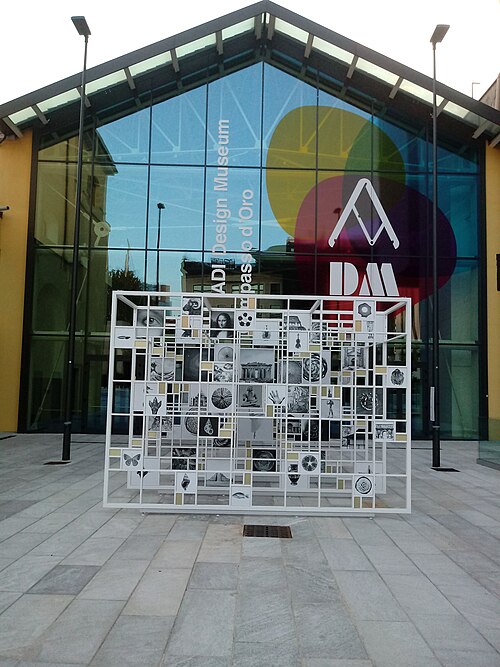
The ADI Design Museum is a museum in Milan dedicated to Italian design excellence. It is operated by ADI, the Italian Association for Industrial Design, and showcases winners of the prestigious Compasso d'Oro award.

Punta della Dogana is the triangular tip between Venice’s Grand Canal and Giudecca Canal.
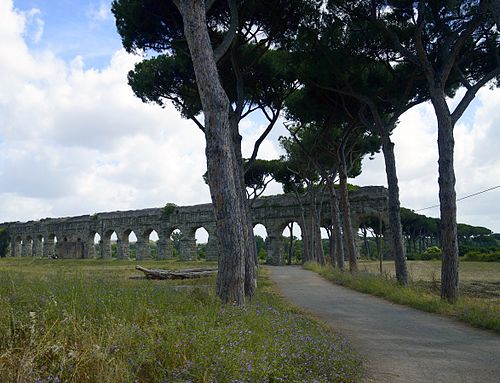
Parco degli Acquedotti is a public park in Rome's southeastern periphery, named for the ancient Roman aqueducts that traverse its terrain.
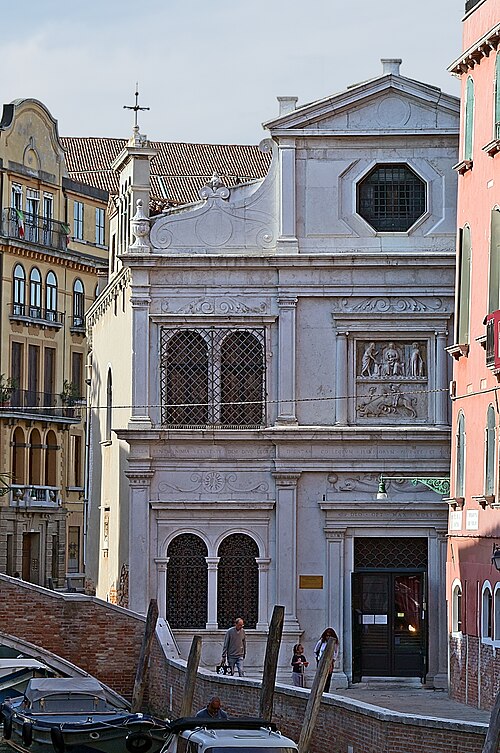
The Scuola di San Giorgio degli Schiavoni is a historic confraternity building in Venice, Italy. Founded in the 15th century, it served as the headquarters for the Dalmatian Schiavoni community resident in Venice.
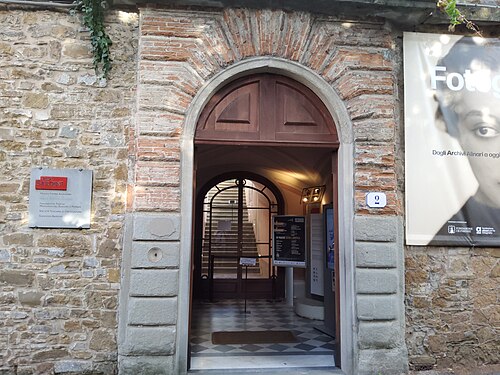
Museo Annigoni
The Annigoni Museum, or Museo Annigoni, is devoted to Pietro Annigoni, the Florence-based Italian painter known especially for highly detailed portraits. The museum presents his commitment to figurative art during a period when modernist approaches were gaining influence.
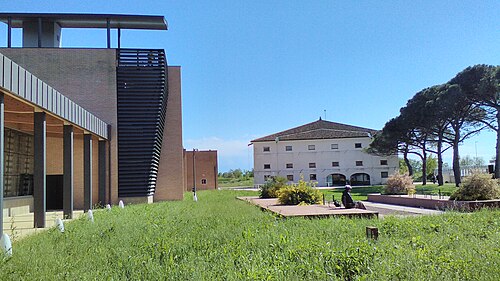
Museo Archeologico Nazionale di Altino is an archaeological museum located in the Veneto region near Venice. The institution preserves and exhibits artifacts from the ancient Roman settlement of Altinum, a significant city that predates Venice itself.
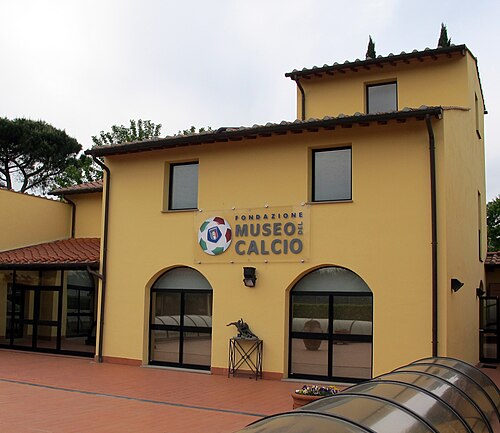
Museo del Calcio is a museum in Florence dedicated to the history of Italian football. The institution preserves and displays artifacts, documents, and memorabilia chronicling the development of calcio in Italy.
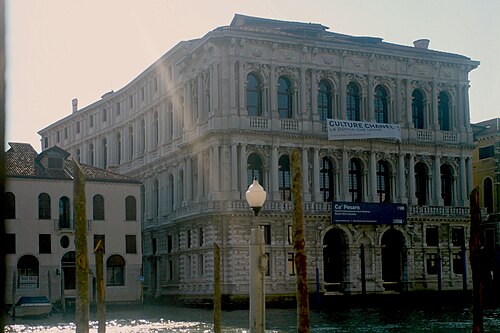
Museo d'Arte Orientale
The Museum of Oriental Art, locally known as Museo d'Arte Orientale, is a museum in Venice dedicated to Asian artistic traditions.
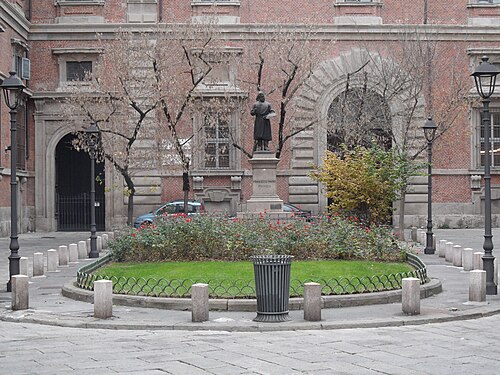
Palazzo Citterio - Grande Brera
Palazzo Citterio is a historic palace in Milan's Brera district, also associated with the name Palazzo Citterio - Grande Brera. Its importance lies in its place within one of the city's strongest concentrations of art, architecture, and cultural institutions.
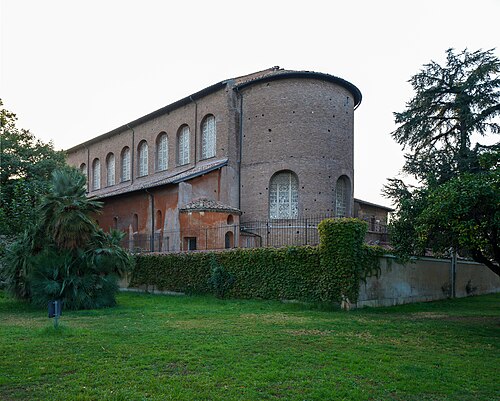
Basilica di Santa Sabina all'Aventino
Basilica of Saint Sabina stands on Rome’s Aventine Hill and was built between 422 and 432 CE. It is one of the city’s best-preserved early Christian basilicas, retaining much of its fifth-century structure.
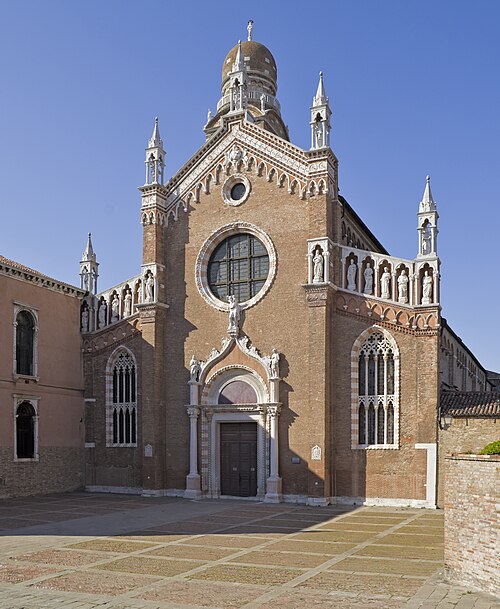
Madonna dell'Orto is a Gothic church in Venice's Cannaregio district. Founded in the mid-14th century by the now-defunct Humiliati order, it later became a parish church.
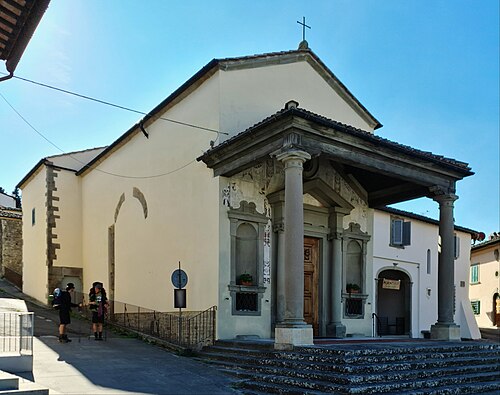
Santa Maria Primerana
Santa Maria Primerana is a historic church in Florence and one of the many sacred buildings that give the city its exceptional concentration of heritage.
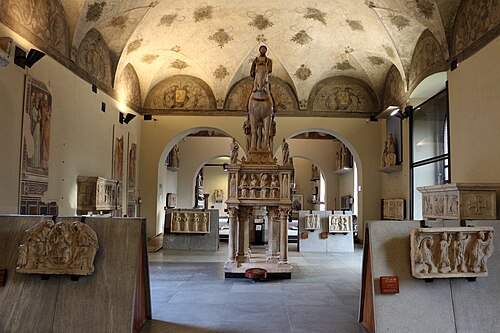
Museo d'Arte Antica is a museum in Milan dedicated to ancient and medieval art. It forms part of the Sforza Castle complex, one of the city's most significant historical monuments.
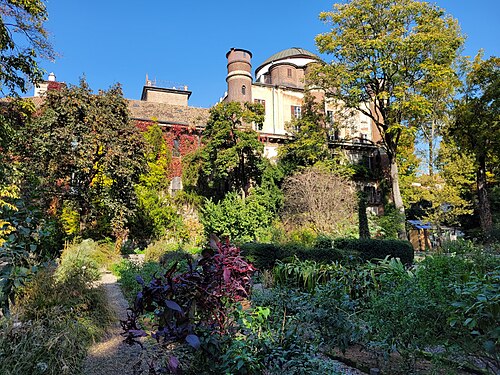
Orto Botanico di Brera is a historic botanical garden in Milan’s Brera district. Founded in 1774 under Maria Theresa of Austria, it was created as an academic setting for cultivating medicinal plants and supporting pharmaceutical education.
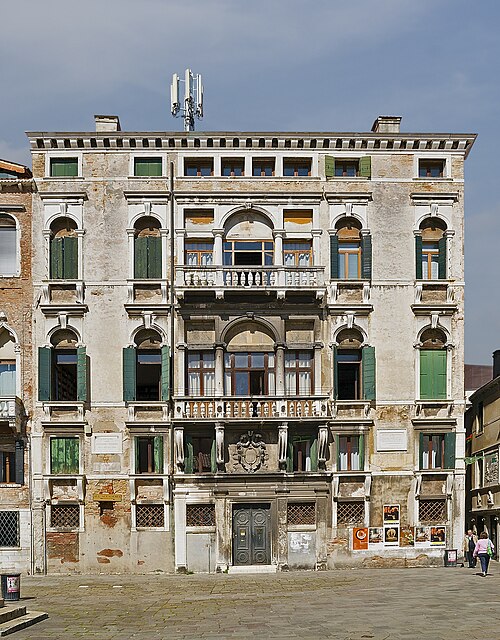
Palazzo Bellavite is a historic palace in Venice’s San Marco district. It belongs to the architectural landscape of central Venice, where noble residences, churches, bridges, and narrow streets form a continuous historic setting.
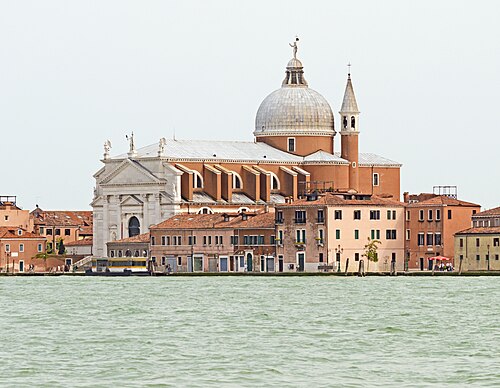
Chiesa del Redentore
Il Redentore, locally known as Chiesa del Redentore, stands as a significant church on the Giudecca island in Venice.
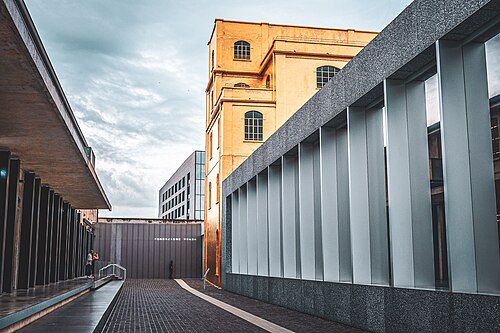
Fondazione Prada is a contemporary art and cultural institution in Milan established by the Prada fashion house. It occupies a former industrial site that was transformed into an architectural complex.
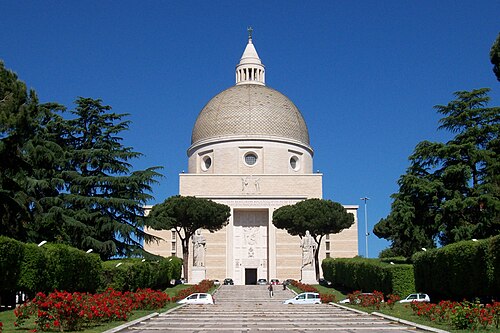
Basilica parrocchiale dei Santi Pietro e Paolo
The Basilica of Saints Peter and Paul is a Catholic church in Rome’s EUR district, dedicated jointly to the two apostles. Its twentieth-century modernist character sets it apart from the Baroque and Renaissance churches concentrated in the historic centre.
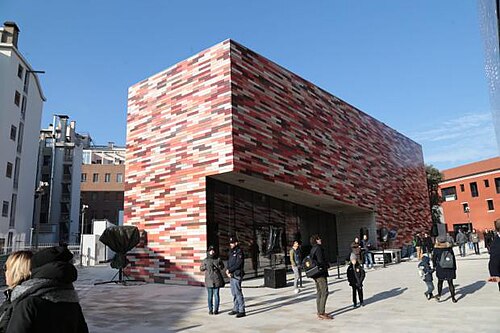
M9 Museo 900
M9 Museum, known locally as M9 Museo 900, is a cultural institution in Venice dedicated to twentieth-century Italian history. The museum occupies a significant position within the city's museum landscape, offering visitors an exploration of recent historical narratives.
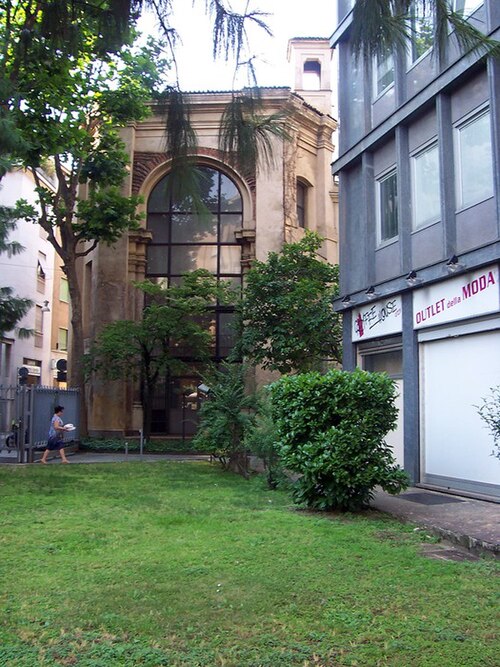
Studio Museo Francesco Messina
Museo Francesco Messina, also known as Studio Museo Francesco Messina, is a Milan museum devoted to the twentieth-century Italian sculptor Francesco Messina. The museum occupies the artist’s former studio, giving the visit a close connection with his working environment.
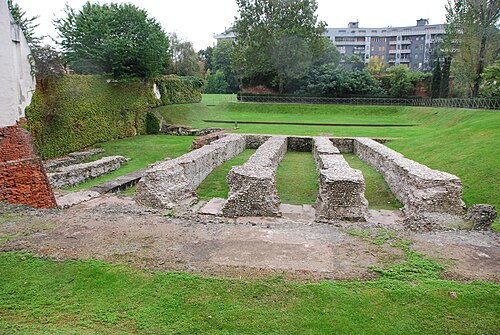
Anfiteatro Romano
The Anfiteatro Romano is Milan's ancient Roman amphitheatre, located in the city centre near Piazza dell'Amphiteatro. This archaeological site represents one of the most significant remnants of Mediolanum, the Roman settlement that preceded modern Milan.

Palazzo Corsini al Parione
Palazzo Corsini al Parione is a historic palace in central Florence’s Parione district.
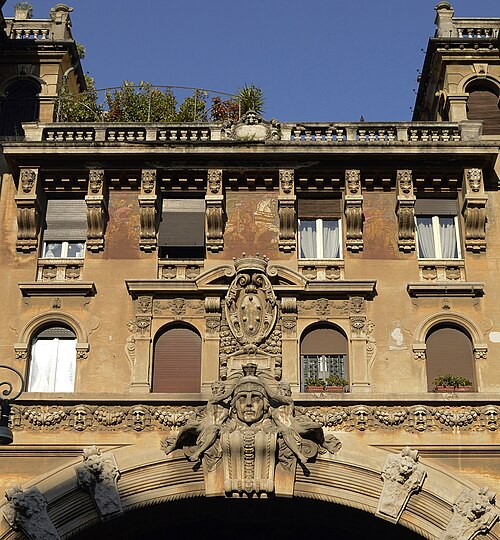
Quartiere Coppedè is an architectural enclave in Rome's Trieste district, conceived by Florentine architect Gino Coppedè between 1913 and 1927. The quarter spans roughly one block and represents a distinctive fusion of Art Nouveau, medieval, Baroque, and ancient Greek influences.
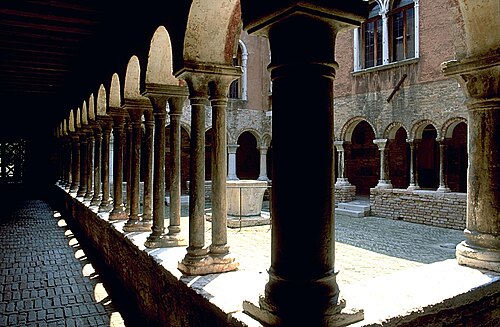
Museo Diocesano
Museo diocesano d'arte sacra Sant'Apollonia is a sacred-art museum near San Marco, housed in the former Benedictine convent of Sant’Apollonia. Its works came from churches within the Venetian diocese and represent centuries of religious painting, sculpture and decorative art.
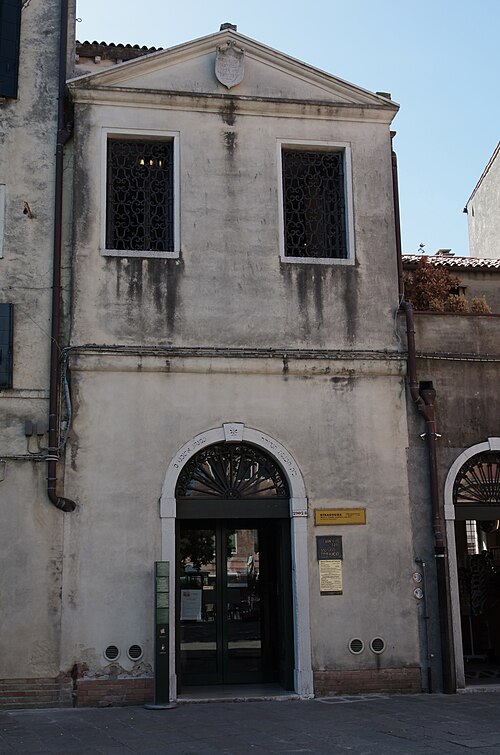
Museo Ebraico
The Museo Ebraico di Venezia sits in the historic Venetian Ghetto in Cannaregio, a district established in 1516 and among Europe’s oldest segregated Jewish quarters.
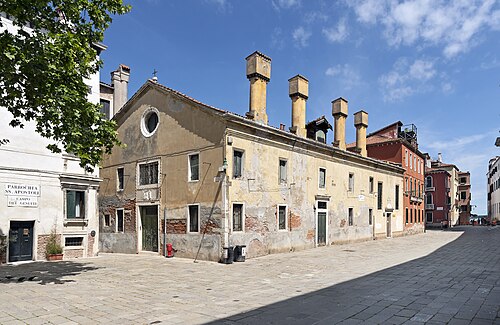
Oratorio dei Crociferi is a small Venetian oratory in Cannaregio, associated with the Crociferi religious order. It belongs to the quieter, more intimate layer of Venice’s ecclesiastical heritage, away from the scale of the city’s celebrated basilicas.
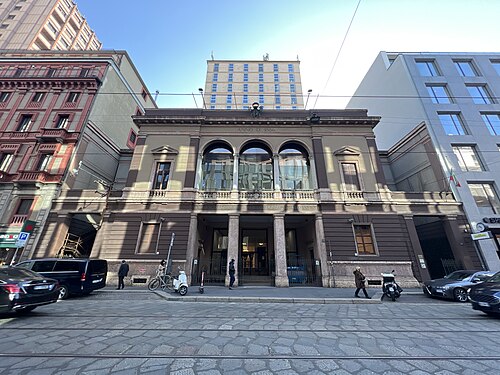
Museo della Permanente
The Society for Fine Arts and Permanent Exhibition, known locally as Museo della Permanente, is a Milan cultural institution devoted to visual art.
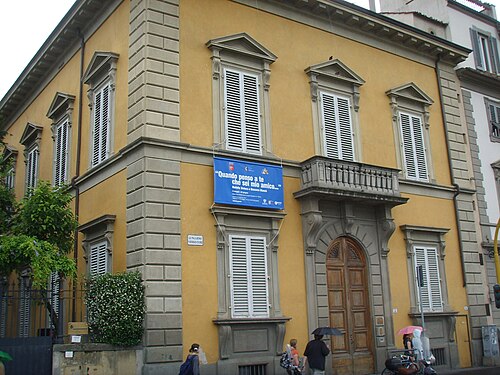
Museo Casa Rodolfo Siviero
Casa museo Rodolfo Siviero is a house museum in Florence devoted to Rodolfo Siviero, the art historian and secret agent known for recovering Italian artworks looted during World War II.
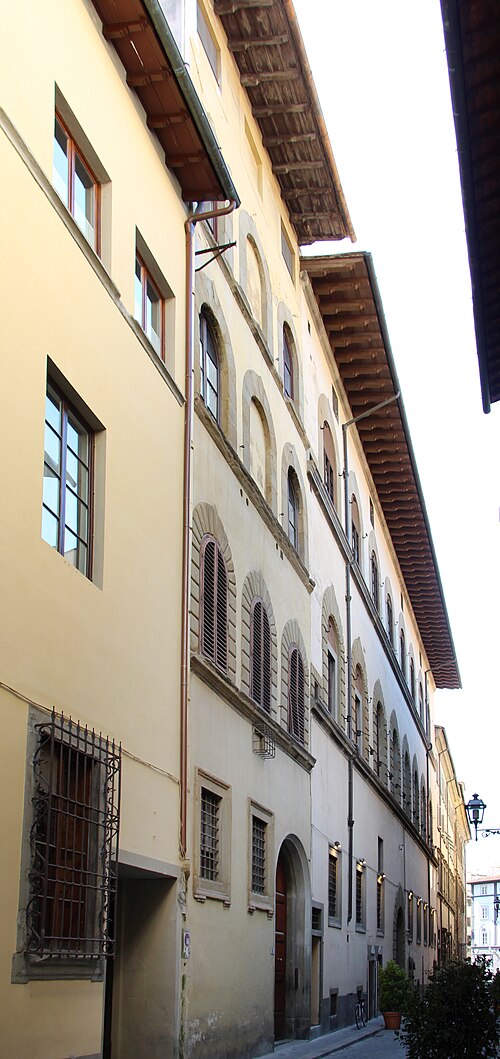
Casa Giorgio Vasari
Casa Giorgio Vasari is a historic house museum in Florence, the former residence of the Renaissance artist, architect, and writer Giorgio Vasari. Located in the city centre, this property served as both his home and studio.
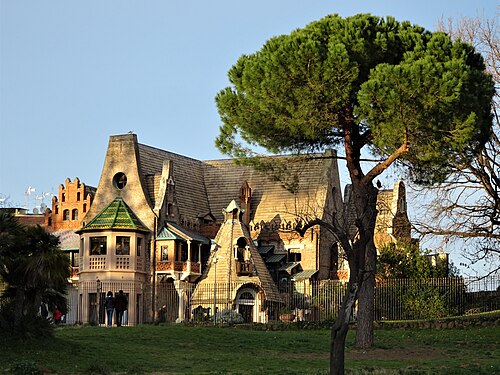
La Casina delle Civette
The Casina delle Civette, known locally as La Casina delle Civette, is a historic building located within the Villa Torlonia park in Rome.
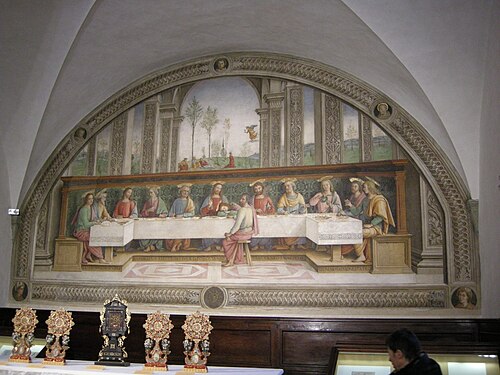
Cenacolo del Fuligno
The Cenacolo di Fuligno, also known as the Cenacolo del Fuligno, is a religious art site in Florence. It houses a significant Renaissance fresco depicting the Last Supper.
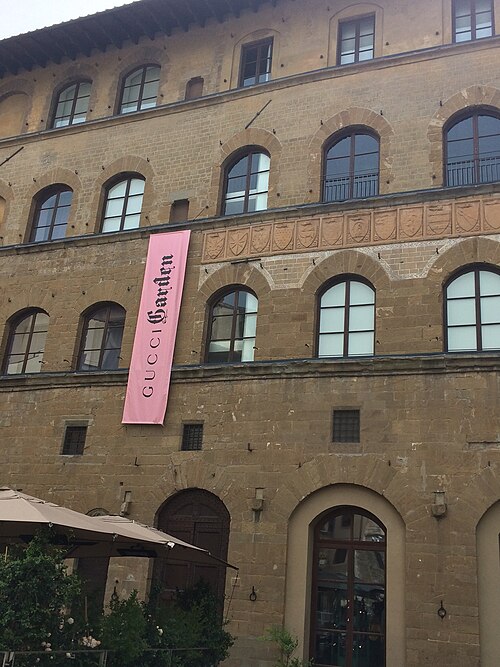
The Gucci Museum presents the history of the Florentine luxury house founded by Guccio Gucci in 1921. Set in the historic Palazzo della Mercanzia near Piazza della Signoria, it connects fashion objects with Florence’s traditions of craftsmanship, commerce, and design.
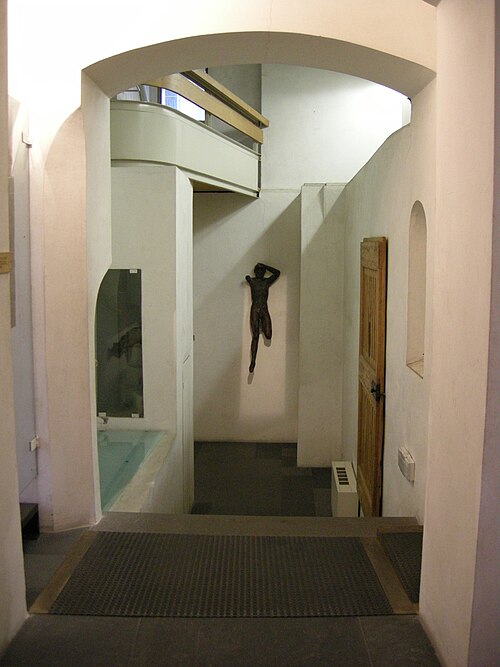
Museo Marino Marini (Chiesa di San Pancrazio)
The Marino Marini Museum occupies the deconsecrated Chiesa di San Pancrazio in central Florence. It is dedicated to the work of Marino Marini, the twentieth-century Italian sculptor and painter.
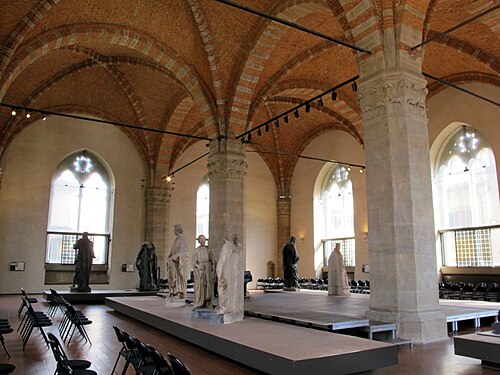
Museo di Orsanmichele
The Museum of Orsanmichele occupies a distinctive building in Florence's historic centre, originally constructed as a grain market in the late thirteenth century before conversion to a church.
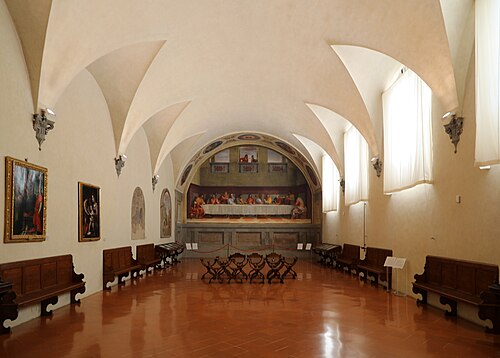
Cenacolo Andrea del Sarto
The Museum of the Last Supper of Andrea del Sarto, also called Cenacolo Andrea del Sarto, presents Andrea del Sarto’s Last Supper fresco in Florence.
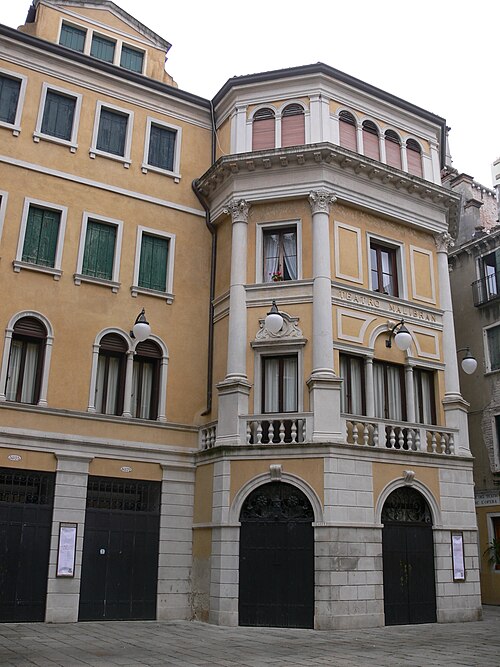
Malibran
Teatro Malibran is a historic opera house in Venice, Italy, situated in the Cannaregio district. Originally opened as Teatro San Giovanni Grisostomo in 1678, it was later renamed in honour of the celebrated Spanish mezzo-soprano Maria Malibran.
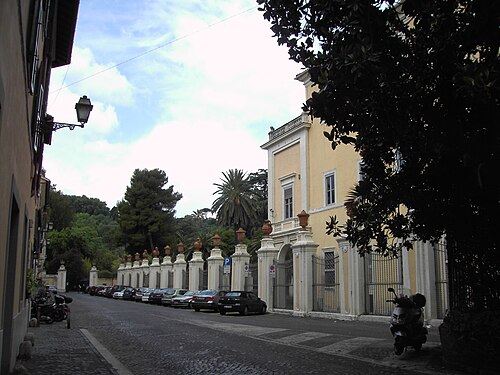
Orto Botanico
The Botanical Garden of Rome, or Orto Botanico, occupies the slopes of Janiculum Hill in Trastevere. It is a university botanical garden and a historic landscape descended from the grounds of Palazzo Corsini.

Basilica di San Calimero is a historic Roman Catholic church near Corso di Porta Vigentina in southern central Milan.

Basilica di Sant’Eufemia
Basilica di Sant'Eufemia is a historic church in Milan, located in the city centre near the Roman ruins and the remains of the ancient circus.
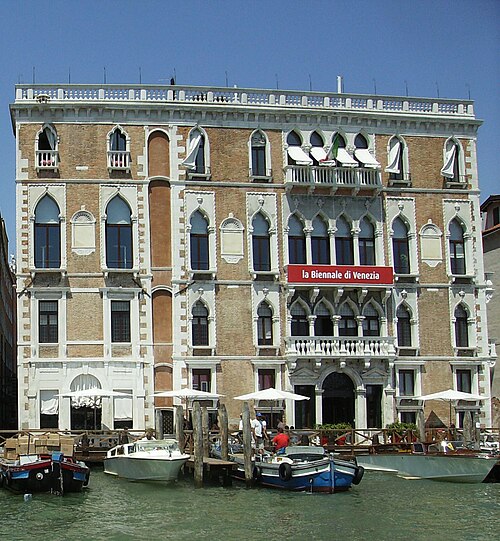
Palazzo Giustiniani
Ca’ Giustinian is a historic Venetian palazzo in the San Marco district, associated with the city’s tradition of grand residences along the Grand Canal.
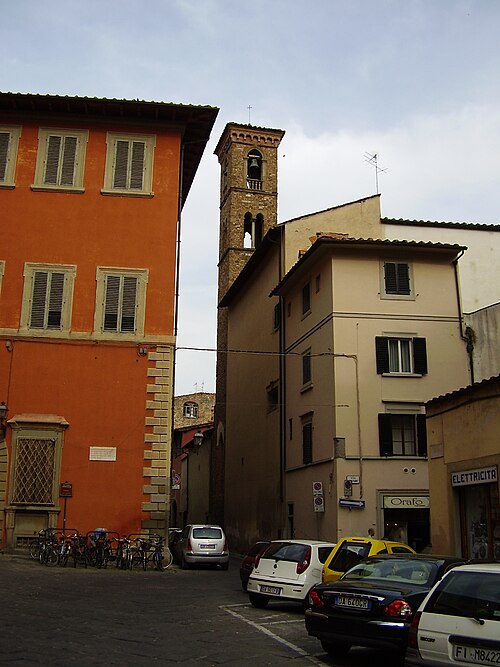
Chiesa di San Niccolò Oltrarno
The Church of San Niccolò Oltrarno is a parish church in Florence’s Oltrarno district, south of the Arno River. Its setting places it within a traditionally local part of the city known for artisan streets and neighbourhood life.
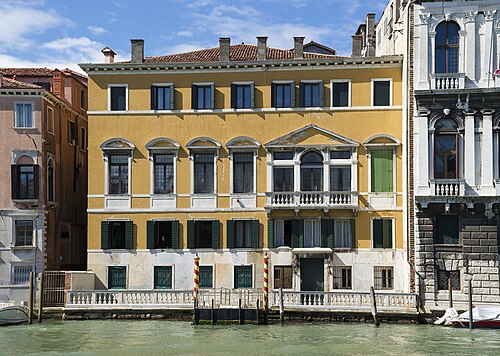
Palazzo Mocenigo Gambara is a historic palace in Venice’s Dorsoduro district, linked with the Mocenigo family, one of the city’s prominent patrician houses. Its significance lies in the combination of noble-family history and Venetian palace architecture.

Porta San Giorgio
Porta San Giorgio is a medieval city gate in Florence, located in the Oltrarno district near the Arno River. It forms part of the historic defensive walls that once encircled the city.

Teatro della Pergola is a historic theatre in Florence, Tuscany. It stands as one of Italy's most significant theatrical landmarks, with origins tracing to the mid-seventeenth century.
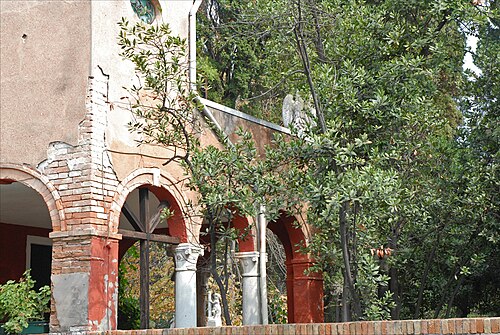
Giardino Eden Hundertwasser
The Garden of Eden, also known locally as Giardino Eden Hundertwasser, is a Venice garden associated with the artistic vision of Friedensreich Hundertwasser.
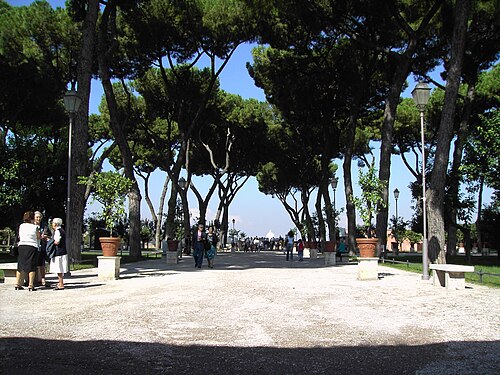
Giardino degli Aranci
The Orange Garden, or Giardino degli Aranci, is a compact public park on Rome’s Aventine Hill. Its elevated terrace opens across the city toward the dome of Saint Peter’s Basilica, making it one of Rome’s most rewarding short viewpoints.
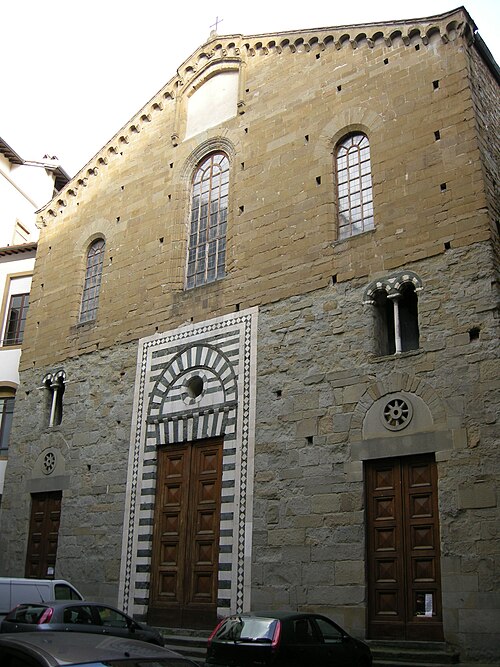
Chiesa di Santo Stefano al Ponte
Santo Stefano al Ponte is a historic church in Florence’s compact centre, close to Ponte Vecchio and the Arno.
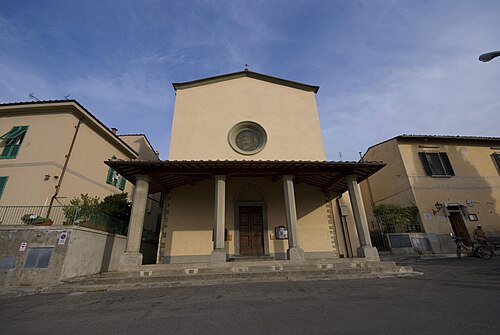
Santa Maria a Quinto
The Church of Santa Maria a Quinto is a religious building in Florence and part of the city’s extensive network of churches.
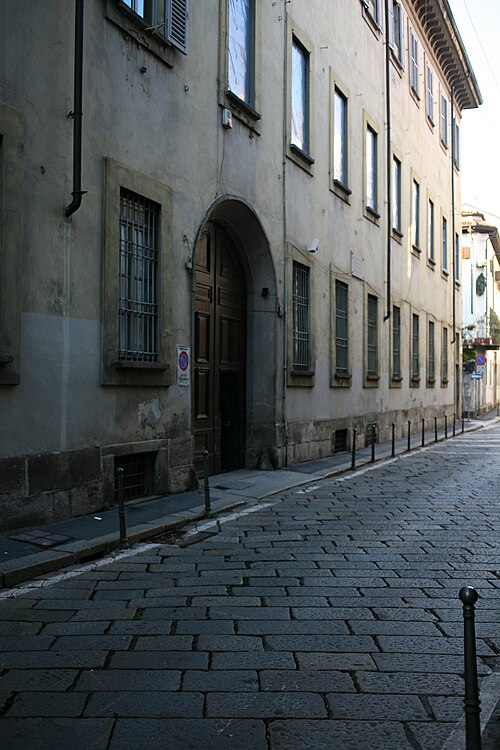
Palazzo Cornaggia
Cornaggia Palace is a named historic building in Milan and a specific architectural destination within the city’s dense urban fabric.
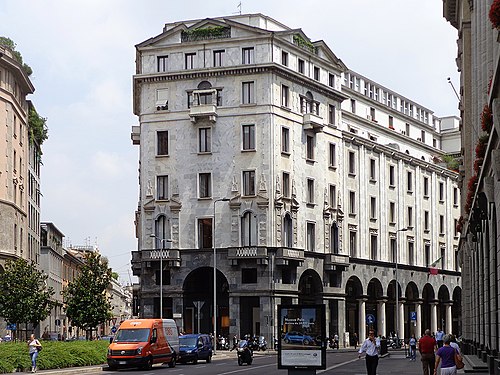
Palazzo Crespi
Palazzo Crespi is a historic palace in Milan, situated in the city's central area.
Forte Bazzera is a historic military fortification in the mainland part of Venice's municipal territory. It offers a different perspective on Venice from the lagoon palaces, bridges, and churches of the historic centre.
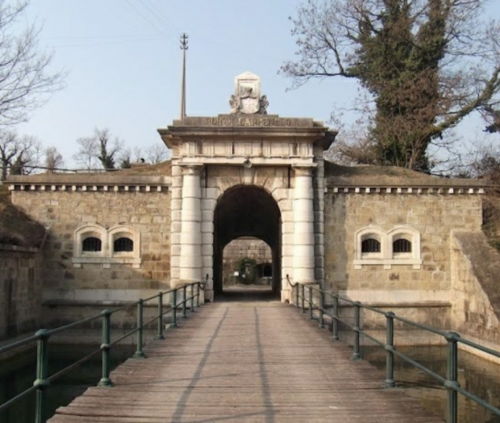
Forte Carpenedo is a military fortification located in the mainland district of Mestre, part of the Venice municipality. It belongs to the system of forts built during the Austrian domination of the Veneto region in the nineteenth century.
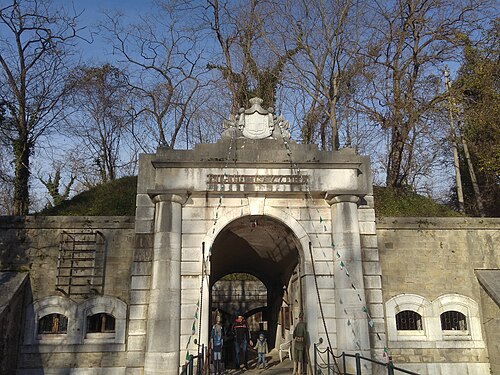
Forte Gazzera is a historic military fortification located in the mainland district of Mestre, part of the municipality of Venice.
Forte Malamocco is a historic fortification on the Lido of Venice, near Malamocco, one of the island's oldest settlements. It belongs to the defensive landscape that protected the lagoon entrance and maritime approaches to Venice.
Forte Rossarol is a military fortification in the Venetian lagoon defensive landscape. Its importance comes from the network of forts that protected Venice and the approaches to its waters, linking the structure to the city's broader military history.
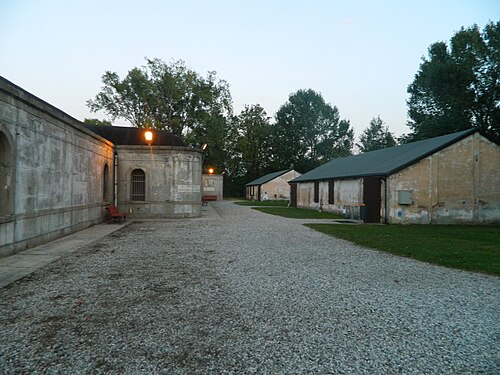
Forte Mezzacapo
Fort Mezzacapo, or Forte Mezzacapo, is a historic military fortification connected with Venice’s wider defensive landscape. It represents the strategic architecture used to protect the lagoon and surrounding territory.
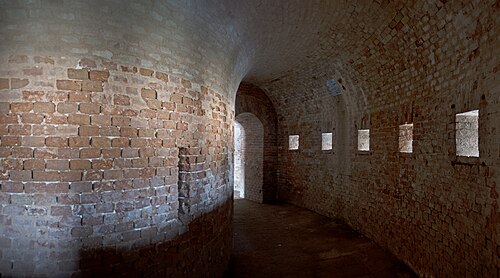
Forte Batteria Treporti
Fort Treporti, also known as Forte Batteria Treporti, is a historic military fortification in the Venetian lagoon area. It belongs to the defensive landscape that protected Venice and its maritime approaches.
Forte Tron
Fort Tron is a Venetian military fortification and a quieter historical counterpoint to the city's churches, palaces, and canals. Known locally as Forte Tron, it represents the defensive side of Venice's past and the strategic importance of the lagoon.
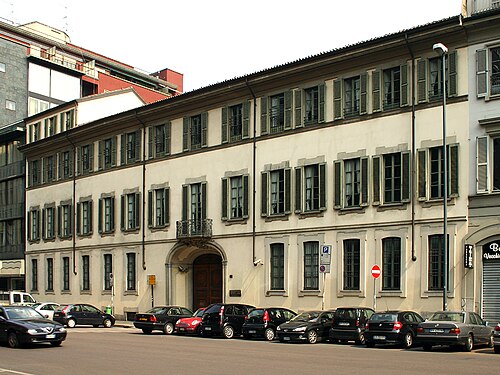
Palazzo Litta Cusini Modignani
Litta Cusini Modignani Palace is a historic aristocratic palace in Milan. Its name connects the building with the Litta, Cusini, and Modignani families and places it within the city’s tradition of noble urban residences.
Palazzo Lurani Cernuschi
Lurani Cernuschi Palace, or Palazzo Lurani Cernuschi, is a historic palace in Milan. It represents the city’s noble residential architecture and belongs to the layered urban environment that makes Milan interesting beyond its headline attractions.
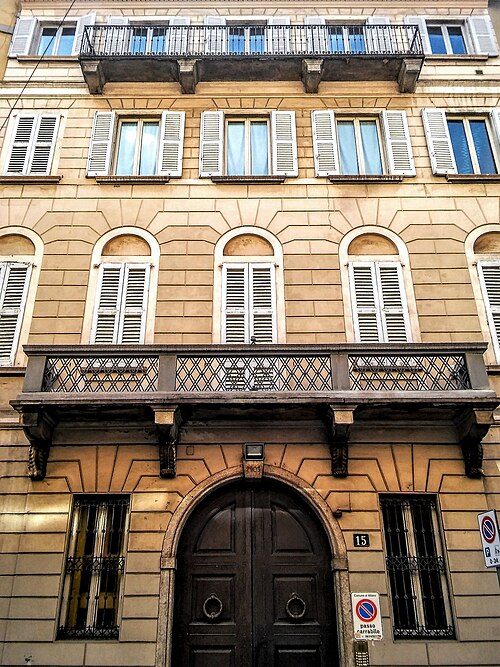
Palazzo Mapelli
Mapelli Palace, or Palazzo Mapelli, is a historic palace in Milan.
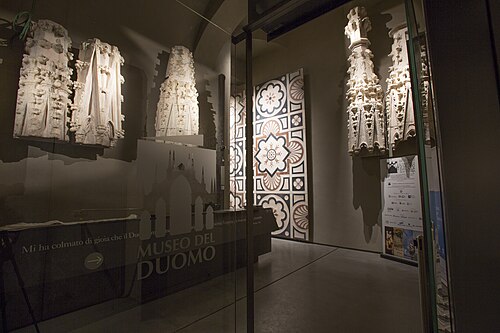
Grande Museo del Duomo di Milano
The Grande Museo del Duomo di Milano is the museum dedicated to Milan's iconic cathedral. It preserves and displays artifacts related to the Duomo's six-century construction history, including sculptures, paintings, stained glass, and architectural fragments.
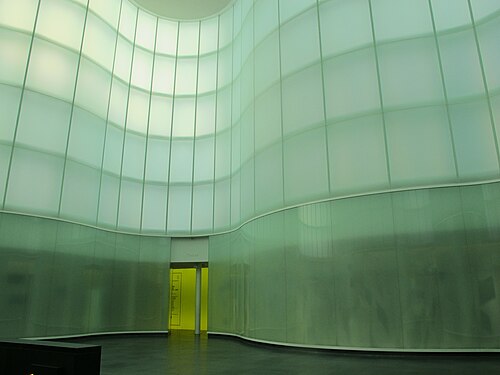
Mudec
MUDEC, the Museum of Cultures, is a contemporary Milan museum devoted to cultures from around the world.

Museo di icone
The Museum of Icons, also known locally as Museo di icone, is devoted to Eastern Christian religious art. Its collection centers on icons painted on wooden panels within Byzantine and post-Byzantine traditions.
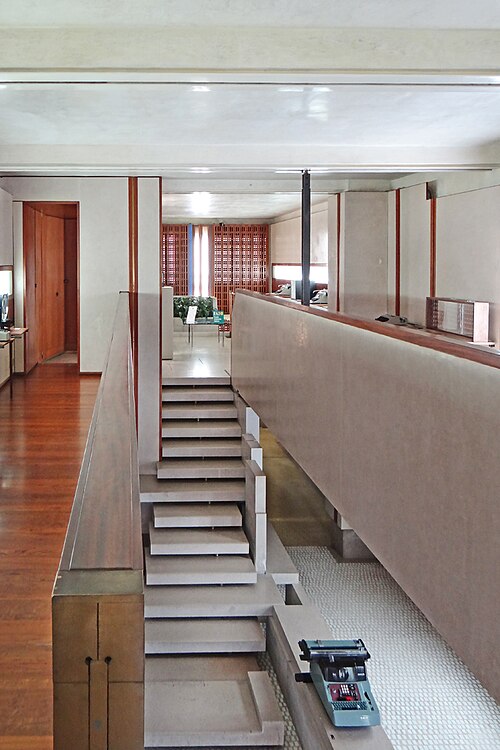
Negozio Olivetti
The Olivetti Exhibition Centre, known locally as Negozio Olivetti, is a historic showroom located in Venice, Italy. It was originally designed as a retail space for the Olivetti typewriter company, showcasing the firm's commitment to modernist design and corporate architecture.
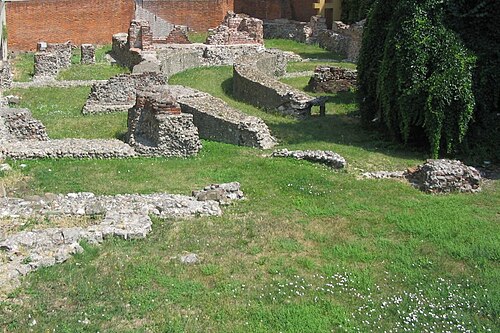
Villa Imperiale
The Ancient Roman imperial palace of Milan, known locally as Villa Imperiale, stands as a significant archaeological remnant of Milan's Roman past.
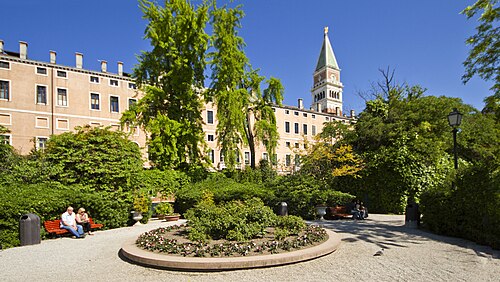
Giardini Reali di Venezia
Giardini Reali is a historic formal garden beside Piazza San Marco, where a small landscaped space interrupts Venice’s dense stone-and-water cityscape. Its position near the Royal Palace area makes it an easy addition to a walk through San Marco.

Monumento ai Caduti delle Guerre d'Indipendenza
The Obelisk of Piazza dell'Unità Italiana stands beside Florence's Santa Maria Novella railway station.
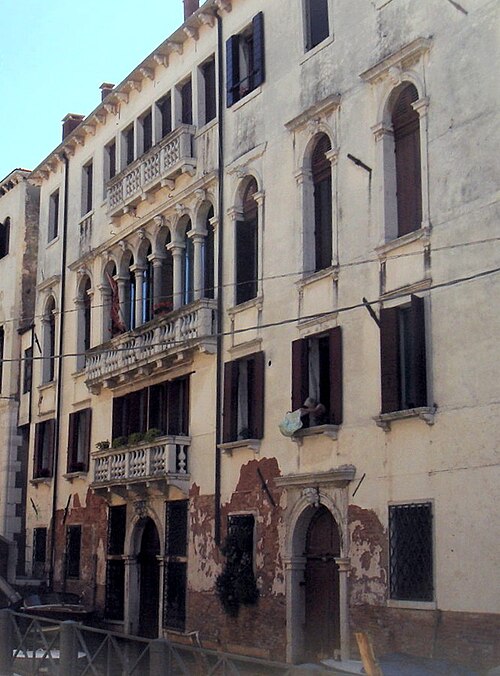
Palazzo Erizzo
Palazzo Erizzo a San Martino is a historic Venetian palace in Dorsoduro, identified with the Church of San Martino. It belongs to the architectural world of Venetian noble residences, where grand buildings shaped the city's canals, campos, and streets.
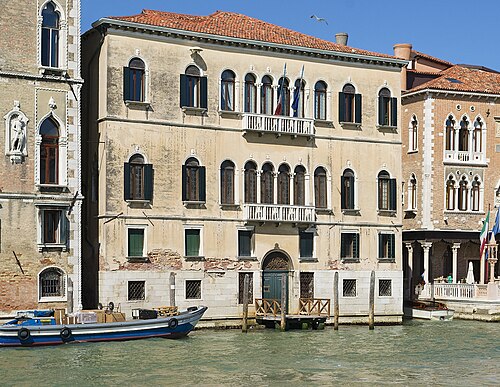
Palazzo Moro
Palazzo Moro a San Barnaba is a historic Venetian palace located in the Dorsoduro district, overlooking the Rio di San Barnaba canal.

Teatro stabile del Veneto Carlo Goldoni
Teatro Goldoni, formally Teatro Stabile del Veneto Carlo Goldoni, is a historic performing-arts venue in Venice. Named for the Venetian playwright Carlo Goldoni, it continues the city's long tradition of theatre and live performance.
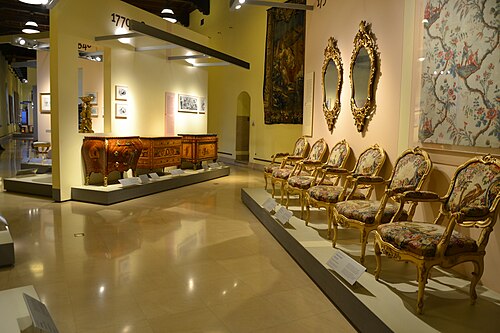
Museo dei Mobili e delle Sculture Lignee
The Antique Furniture & Wooden Sculpture Museum, also known as Museo dei Mobili e delle Sculture Lignee, is a Milan museum devoted to furniture and sculpture made from wood.
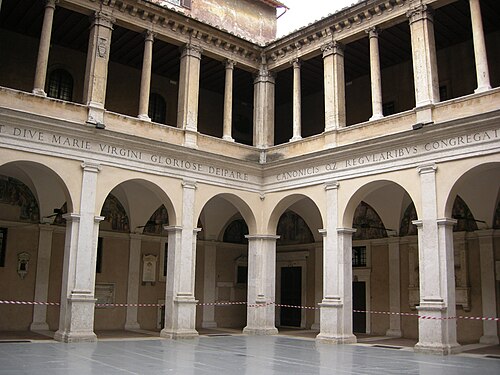
Chiostro del Bramante
The Chiostro del Bramante is a Renaissance cloister in Rome, attributed to the architect Donato Bramante. It forms part of the larger complex that includes the church of Santa Maria della Pace.
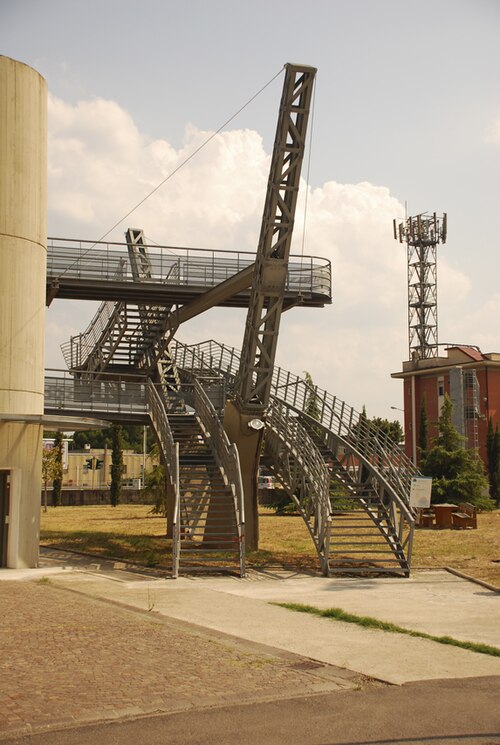
Giardino di Archimede - Un Museo per la Matematica
The Garden of Archimedes, or Giardino di Archimede – Un Museo per la Matematica, is a mathematics museum in Florence. Its purpose is to make mathematical ideas tangible through interactive exhibits and educational displays.
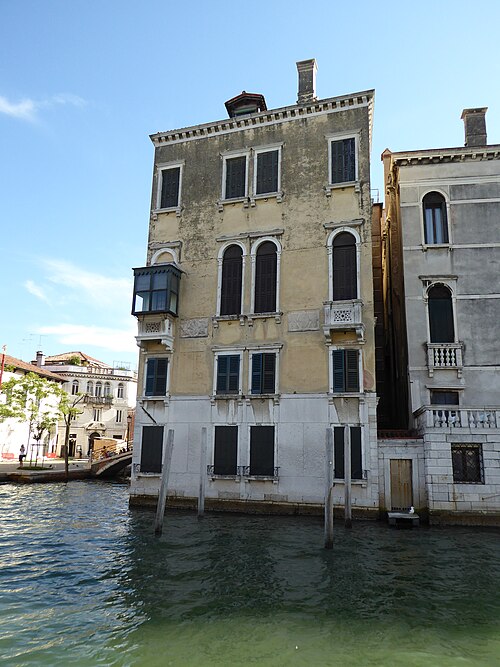
Palazzo Loredan Cini stands as a historic palace in Venice, positioned along the Grand Canal in the San Marco district. The building represents Venetian Gothic architecture with its characteristic waterfront facade.
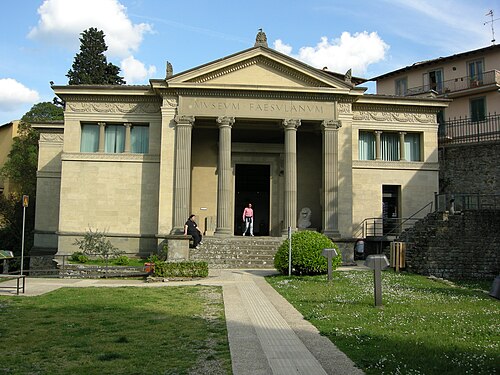
Museo Civico Archeologico
The Archaeological Museum of Fiesole, locally Museo Civico Archeologico, stands in the hill town of Fiesole overlooking Florence. It occupies a purpose-built structure near the ancient Etruscan and Roman archaeological zone.
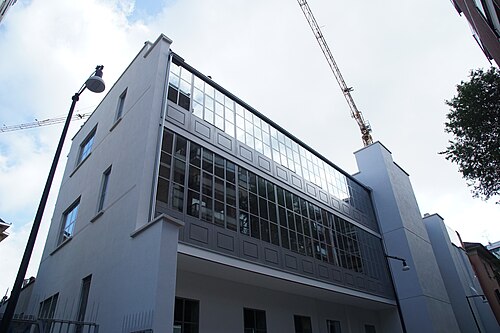
Casa degli artisti
Casa degli Artisti is a historic artists’ house in Milan and a cultural venue devoted to creative work and artistic residence.
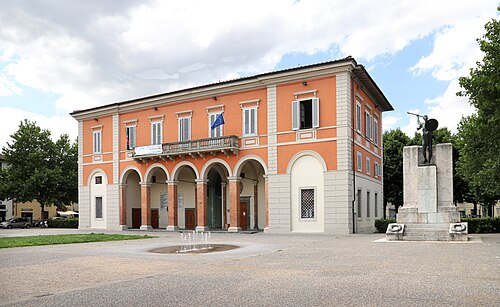
La Fabbrica dei Saperi
Comune vecchio is the local name associated with La Fabbrica dei Saperi in Florence. The name connects the place with an older municipal identity and with the idea of a house of knowledge or learning.
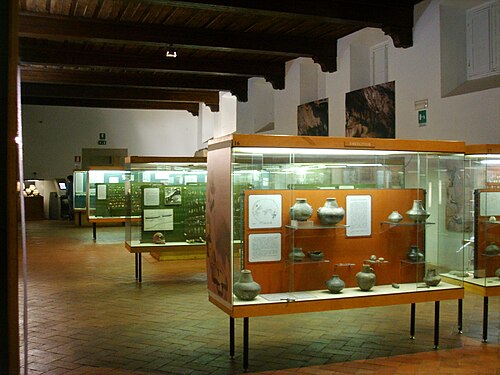
Museo fiorentino di preistoria "Paolo Graziosi"
The Museo Fiorentino di Preistoria is a Florence museum dedicated to prehistoric studies. Named after Paolo Graziosi, a significant figure in Italian prehistoric archaeology, it preserves and presents materials related to early human history.
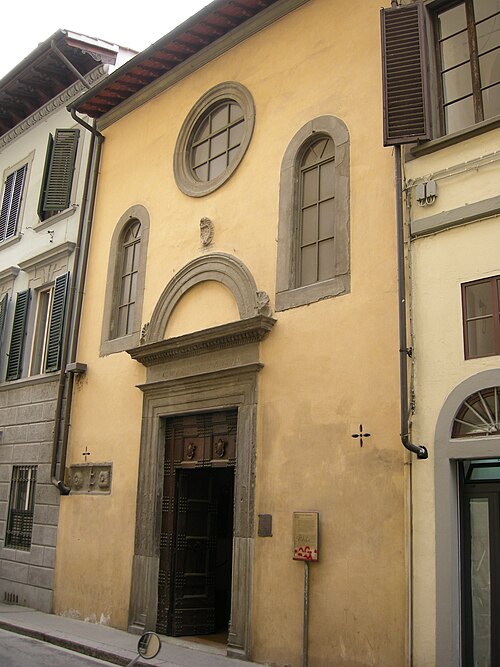
Oratorio di San Sebastiano de' Bini
San Sebastiano de' Bini, also known as Oratorio di San Sebastiano de' Bini, is a religious oratory in Florence.
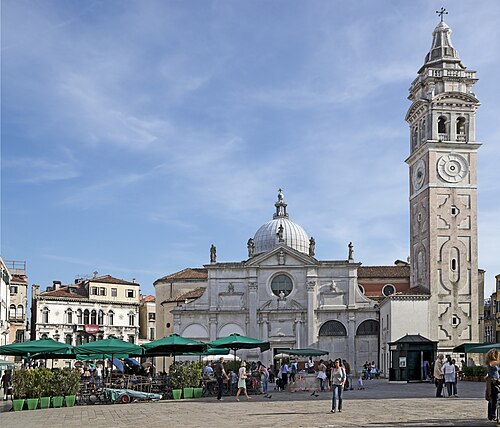
Chiesa di Santa Maria Formosa
Santa Maria Formosa is a historic church in the large and unusually shaped Campo Santa Maria Formosa in Venice’s Castello district.
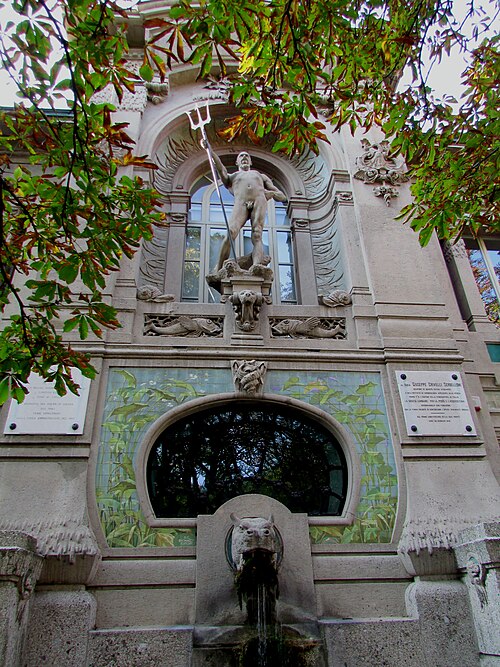
Acquario Civico
The Civic Aquarium of Milan, known locally as Acquario Civico, stands as a historic zoological institution in northern Italy's largest metropolitan area. Established in the early twentieth century, this architectural landmark occupies a prominent position within Milan's urban fabric.
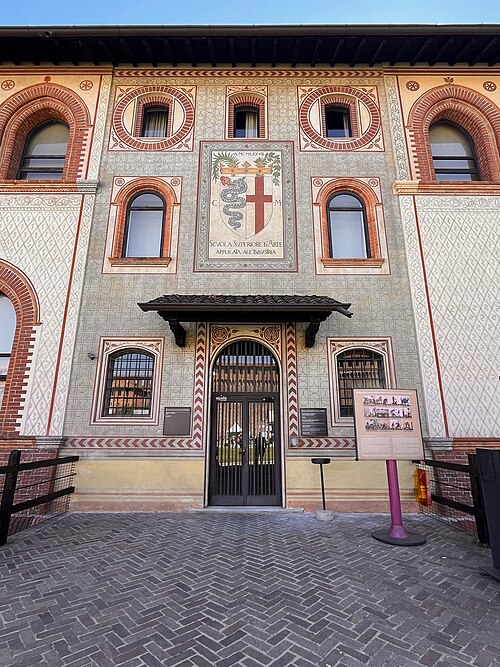
The Civica raccolta delle stampe Achille Bertarelli is a civic print collection in Milan, Italy. Named after its founder Achille Bertarelli, this institution preserves and displays historical prints, engravings, and related graphic works.
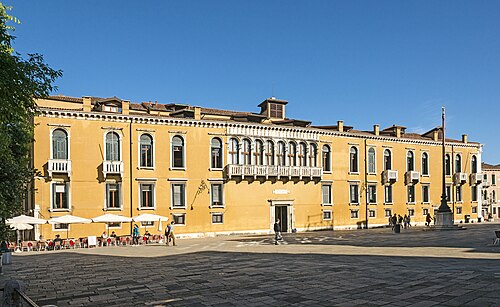
Istituto Veneto di Scienze Lettere ed Arti
The Istituto Veneto di Scienze, Lettere ed Arti is a historic learned institution in Venice, founded in 1838 and housed in the Palazzo Cavalli Franchetti on the Grand Canal.
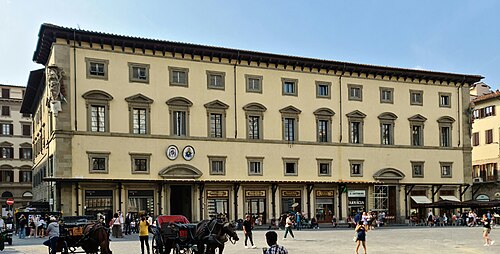
Palazzo Arcivescovile
The Archbishop's Palace, known locally as Palazzo Arcivescovile, stands as the historic residence of the Archbishop of Florence. This significant ecclesiastical building occupies a prominent position near the Duomo cathedral complex in the heart of the city.
Source: OpenStreetMap contributors, Wikidata ·
Ten to fourteen days can combine Milan, Venice, Florence, and Rome by high-speed train. Give Venice more than a transfer night and Rome several separate sightseeing days; rural Tuscany needs different transport planning from the rail-linked cities.
Italy is in the Schengen Area, but visa and passport requirements vary by nationality and route. Use Italy's official visa portal to confirm the applicable rule before travel rather than relying on another Schengen trip.
High-speed trains connect Milan, Venice, Florence, and Rome, with regional rail and coaches serving smaller places. Drivers must check ZTL restrictions before entering historic centres because access controls are local and can generate fines.
April to June and September to October broadly suit the north-to-Rome rail route. Lagoon conditions in Venice, summer heat in Rome, and seasonal rural services in Tuscany should be checked independently.
Italy uses the euro (EUR). Carry a modest cash reserve for small purchases while using cards where accepted, and verify the euro amount at the terminal instead of accepting an unexamined conversion.
Italy routes emergency calls through 112. Travellers encounter a 230 V supply and Type C, F, or L receptacles. No tap-water assessment is recorded for Italy; obtain current local advice at the destination.