
.jpeg)


26
45 min
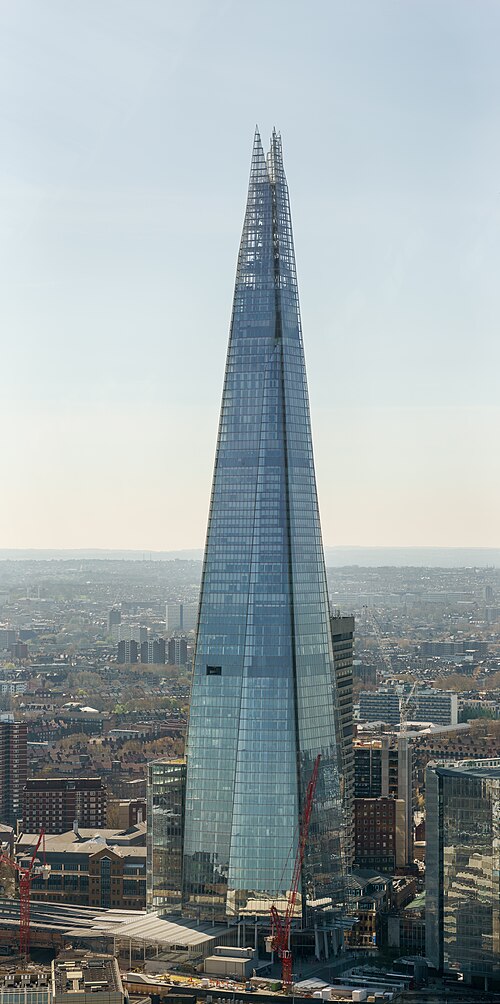
The Shard
The Shard is a glass-clad skyscraper on the south bank of the River Thames, in London’s London Bridge Quarter.
- Must see
- Historic monument
- London
Country guide
The United Kingdom is 244,376 km² holding 69,281,437 people, and it is four countries rather than one: England, Scotland, Wales and Northern Ireland, with Londo...
Photograph · Colin · CC BY-SA 4.0
Reviewed by Elena Voss · Roavina Travel Editor
The United Kingdom is 244,376 km² holding 69,281,437 people, and it is four countries rather than one: England, Scotland, Wales and Northern Ireland, with London, Edinburgh, Cardiff and Belfast as their capitals. Three of the four run parliaments of their own over devolved matters, and the law splits three ways — England and Wales, Scotland, Northern Ireland. A visitor meets that in small practical things rather than at a border. London alone holds about 9.1 million of the total, which is why so many trips never leave it, and why the ones that do feel like arriving somewhere else.
Checked 2026-08-25
Every city catalogued in this country so far, ranked by how much there is to see.
Photograph · Ilya Grigorik · CC BY-SA 3.0
Photograph · 瑞丽江的河水 · CC BY-SA 4.0
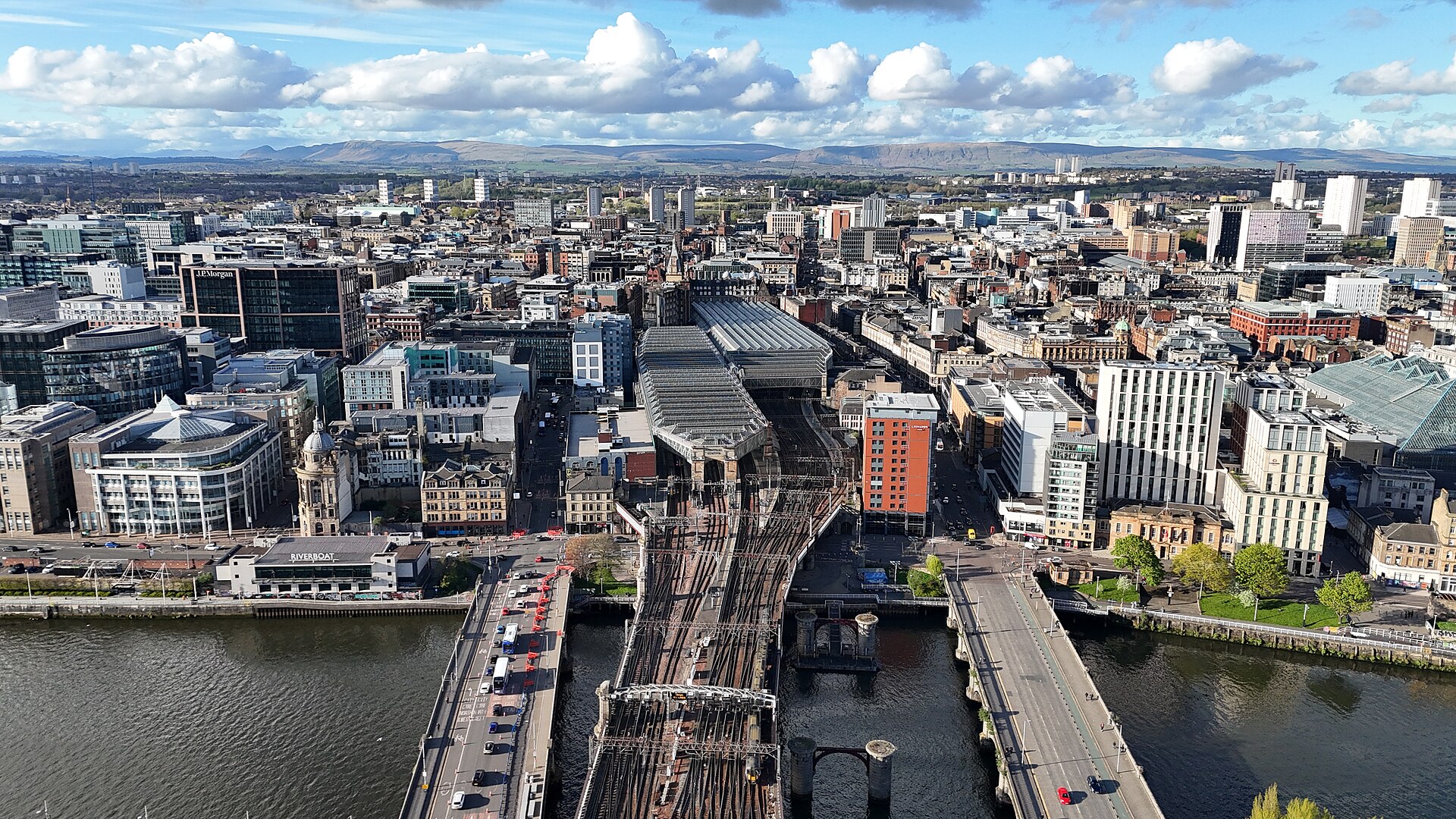
Photograph · 瑞丽江的河水 · CC BY-SA 4.0
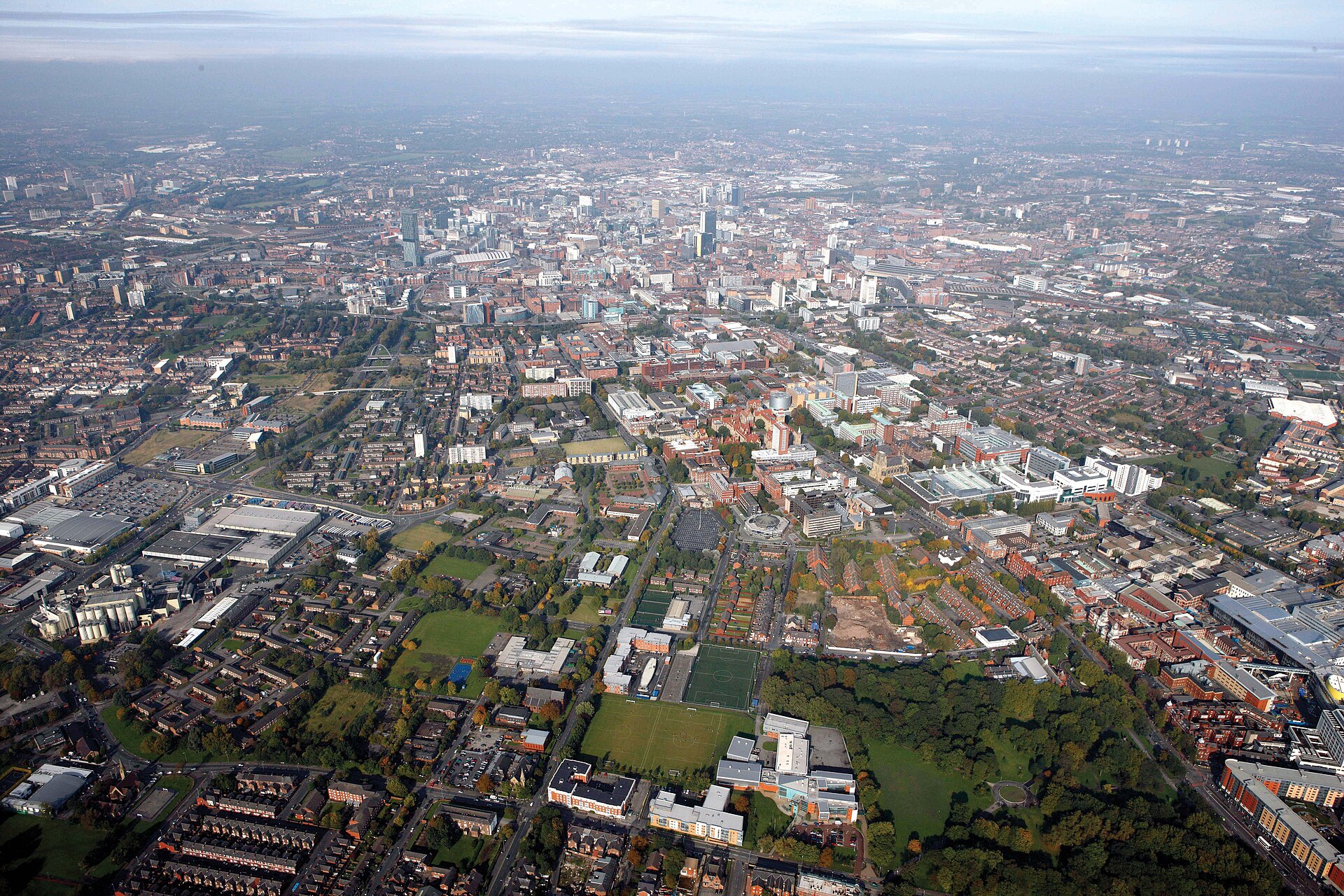
Photograph · Daniel Nisbet from Manchester, United Kingdom · CC BY 2.0
Ranked by importance — sitelinks, pageviews and heritage status, not editor preference.
430 places match
Category
Typical visit duration
Interests
The Shard is a glass-clad skyscraper on the south bank of the River Thames, in London’s London Bridge Quarter.
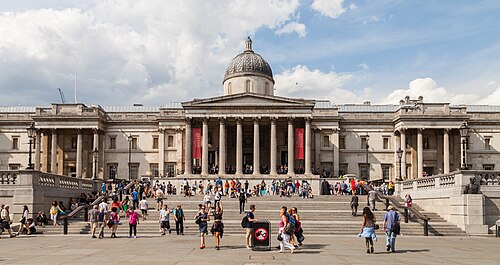
The National Gallery is London's national collection of paintings in the Western European tradition. Its collection of more than 2,600 works brings together late medieval religious pictures, Renaissance portraits, Dutch scenes of everyday life and French Impressionist painting.
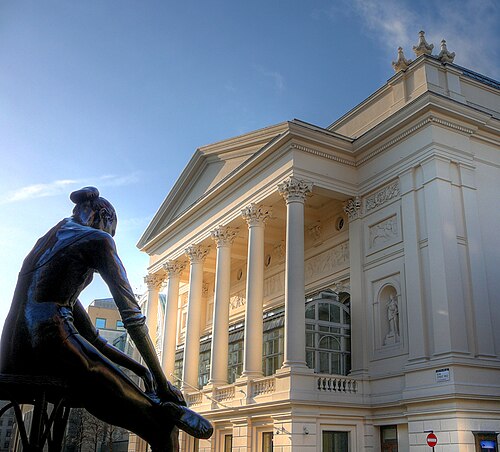
The Royal Opera House is a major performing arts venue in London's Covent Garden district. It serves as the home of The Royal Opera, The Royal Ballet, and the Orchestra of the Royal Opera House.
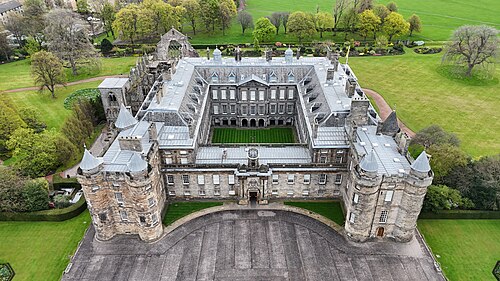
Palace of Holyroodhouse
The Palace of Holyroodhouse is the King's official residence in Scotland and a public visit that combines royal rooms, the remains of Holyrood Abbey and palace gardens.
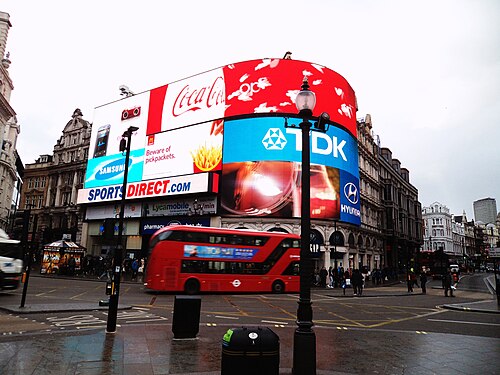
Piccadilly Circus is a road junction in the City of Westminster, not a building and not a site with a gate, and everything a visitor comes to see stands in or around the traffic.
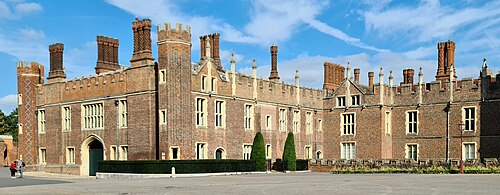
Hampton Court Palace is a Tudor and Baroque royal palace on the Thames 12 miles (19 kilometres) southwest and upstream of central London, in the London Borough of Richmond upon Thames.
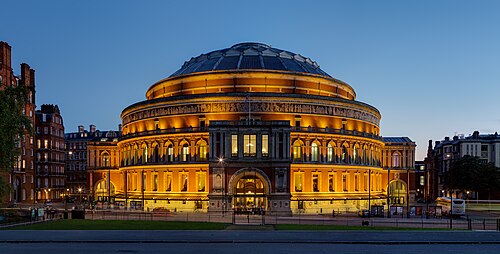
Royal Albert Hall is the circular concert hall on Kensington Gore in South Kensington, London. Queen Victoria opened it in 1871 and named it for Prince Albert.

Tate Modern occupies the former Bankside Power Station, converted into an art gallery by Herzog & de Meuron.
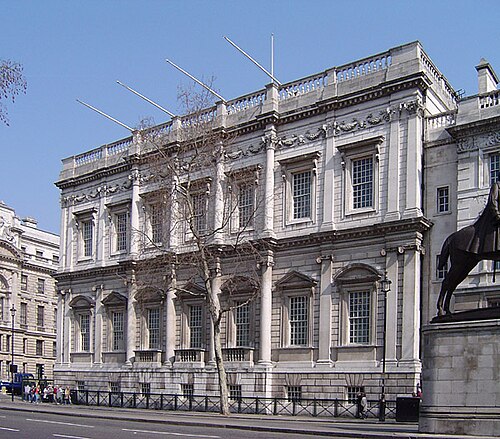
The Banqueting House is a historic building in Whitehall, London. It is the only surviving complete component of the Palace of Whitehall, which was largely destroyed by fire in 1698.
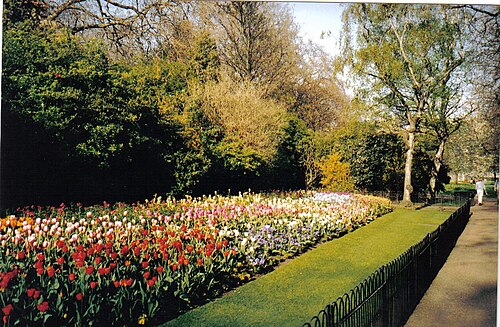
St. James's Park
St James's Park is a Royal Park in central London, located in the City of Westminster. It is the oldest of the capital's eight Royal Parks, with origins dating back to the Tudor period.
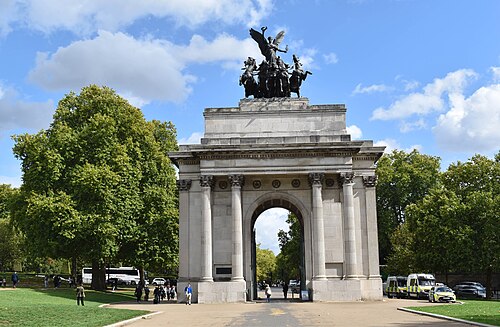
Wellington Arch is a triumphal arch at Hyde Park Corner in central London.

Kenwood House is a historic neoclassical villa situated on the northern edge of Hampstead Heath in London. The property is managed by English Heritage and is renowned for its exceptional art collection, including works by Rembrandt, Vermeer, and Gainsborough.
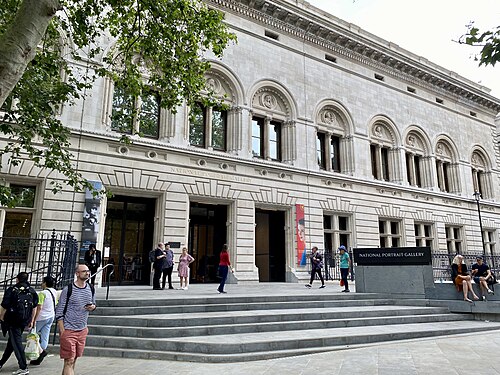
The National Portrait Gallery is an art museum in London dedicated to portraiture. It holds a collection of portraits of historically important and famous British people.
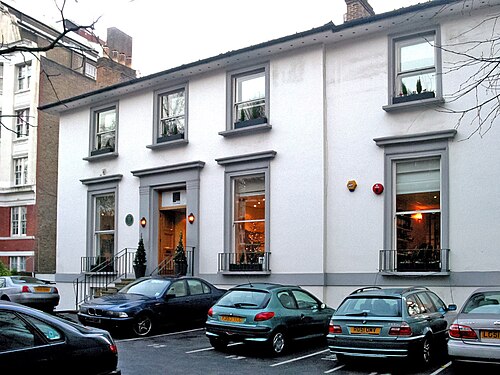
Abbey Road Studios is a world-famous recording studio in London, England. Established in 1931, it is most celebrated as the location where The Beatles recorded the majority of their albums, including the iconic "Abbey Road" album named after the street.

St Martin-in-the-Fields is an Anglican church located in the northeast corner of Trafalgar Square in central London. The building occupies a prominent position facing the National Gallery.
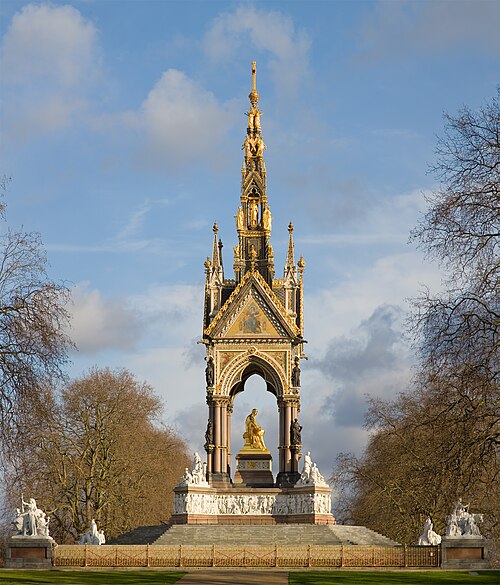
Kensington Gardens is one of the Royal Parks of London, situated immediately to the west of Hyde Park. The gardens were originally the private grounds of Kensington Palace, and were opened to the public in the nineteenth century.

Kelvingrove Art Gallery and Museum is Glasgow's civic art gallery and museum, not the neighbouring Kelvingrove Park or the whole Glasgow Museums collection.
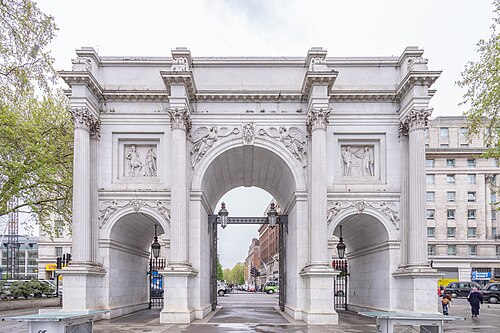
Marble Arch is a white Carrara marble triumphal arch at the north-east corner of Hyde Park, beside the meeting point of Oxford Street, Park Lane and Edgware Road.
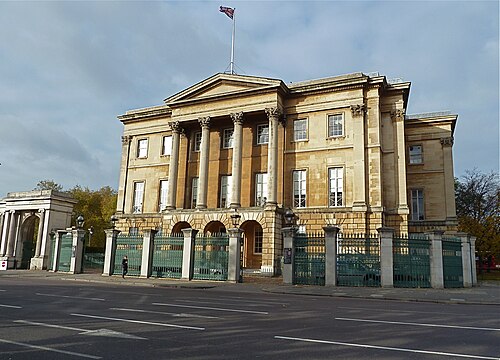
Apsley House is a Georgian townhouse at Hyde Park Corner, also known as Number One, London. It became the London home of Arthur Wellesley, the first Duke of Wellington, whose military career included victory over Napoleon at Waterloo.

HMS Belfast is a Town-class light cruiser preserved as a museum ship on the River Thames. Launched in 1938, she served during the Second World War and the Korean War before decommissioning in 1963.
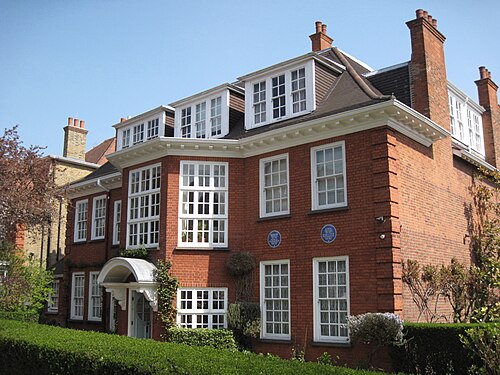
Freud Museum London preserves the Hampstead home of Sigmund Freud, founder of psychoanalysis, and his daughter Anna Freud, a major figure in child psychoanalysis.
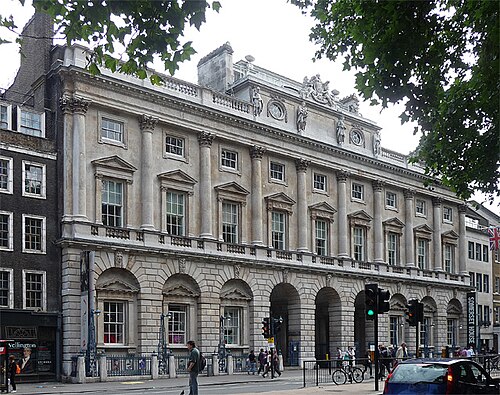
Somerset House is a large Neoclassical building situated on the south side of the Strand in central London, overlooking the River Thames. The structure serves as a major arts and cultural centre, housing various creative organisations, galleries, and public spaces.
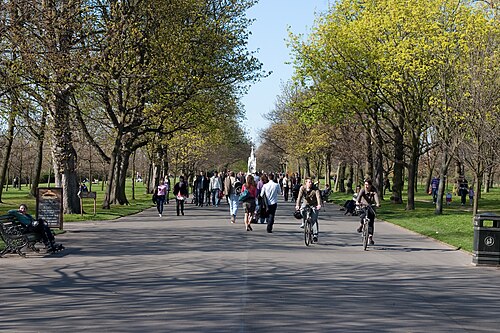
The Regent's Park
The Regent's Park is a major public park in North West London. It was designed in 1811 by John Nash as part of a planned royal park, and named after the Prince Regent, later George IV.
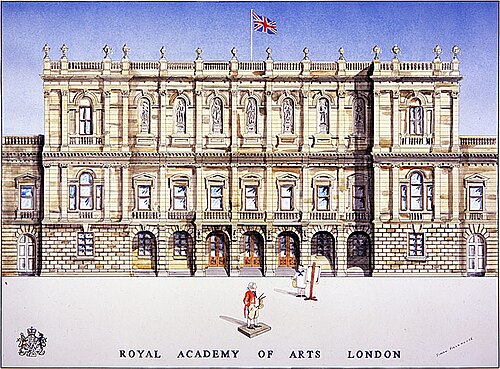
The Royal Academy of Arts is an art institution based in Burlington House on Piccadilly in London. Founded in 1768, it operates as an independent, privately funded institution led by eminent artists and architects.
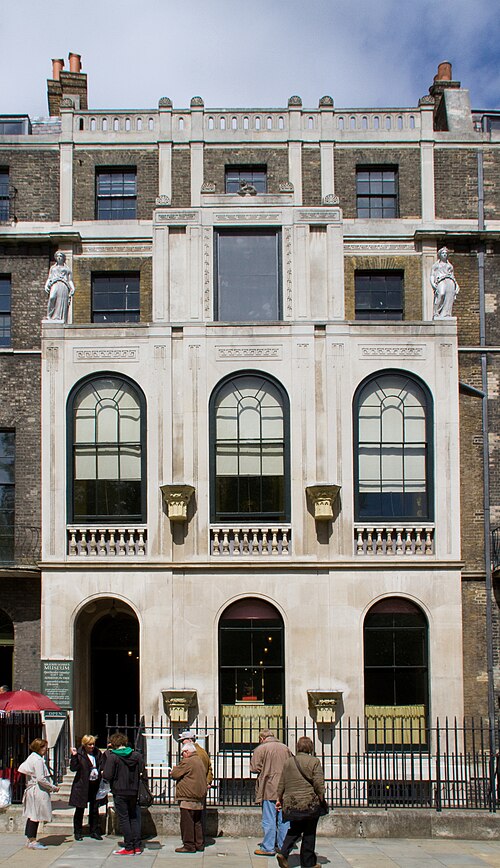
Sir John Soane's Museum is the former London home, studio and collection of the neo-classical architect John Soane. At 13 Lincoln's Inn Fields, Soane reshaped an ordinary Georgian house into an intensely personal setting for architecture, art and antiquities.
Ten to fourteen days can cover four or five days in London, two in Manchester, and two or three each in Edinburgh and Glasgow. The Highlands, Lake District, or Welsh national parks need dedicated nights and should not be squeezed into London day trips.
UK document rules depend on nationality and trip purpose, and many visitors now need an Electronic Travel Authorisation before boarding. Check the linked UK government visa service for both visa and ETA status shortly before travel.
Intercity rail is the practical spine between London, Manchester, Edinburgh, and Glasgow, with advance fares usually distinct from flexible tickets. Each city runs its own local fare system, so London's contactless cap is not a nationwide travel pass.
May to June and September are useful planning windows for this route, but conditions vary between southern England and Scotland. Festival dates in Edinburgh and rural transport in national parks can matter more than the national seasonal label.
The United Kingdom uses pound sterling (GBP). Contactless payment is widespread in major cities, but keep another payment method for rural services or terminals that do not share London's payment arrangements.
Use 999 or 112 for emergencies in the United Kingdom. Type G sockets supply 230 V, and mains tap water is recorded as safe; save rail disruption information as well when the itinerary depends on several city-to-city journeys.