
51
30 min
Trinità dei Monti
Chiesa di Trinità dei Monti
- Must see
- Place of worship
City guide · Italy
Rome is a broad historic city whose central archaeological, papal and baroque districts are close enough to walk but too dense to compress into one route. The C...
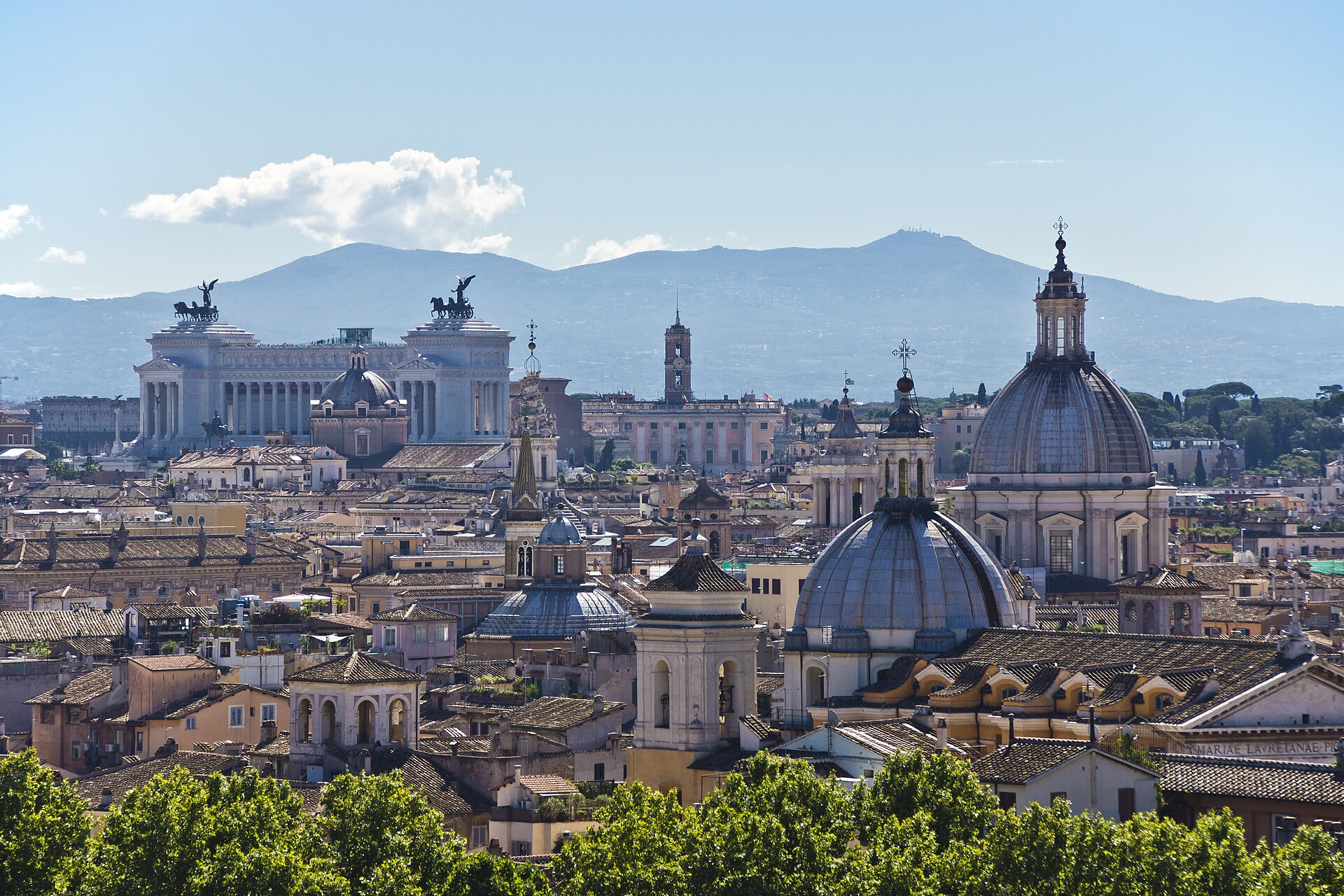
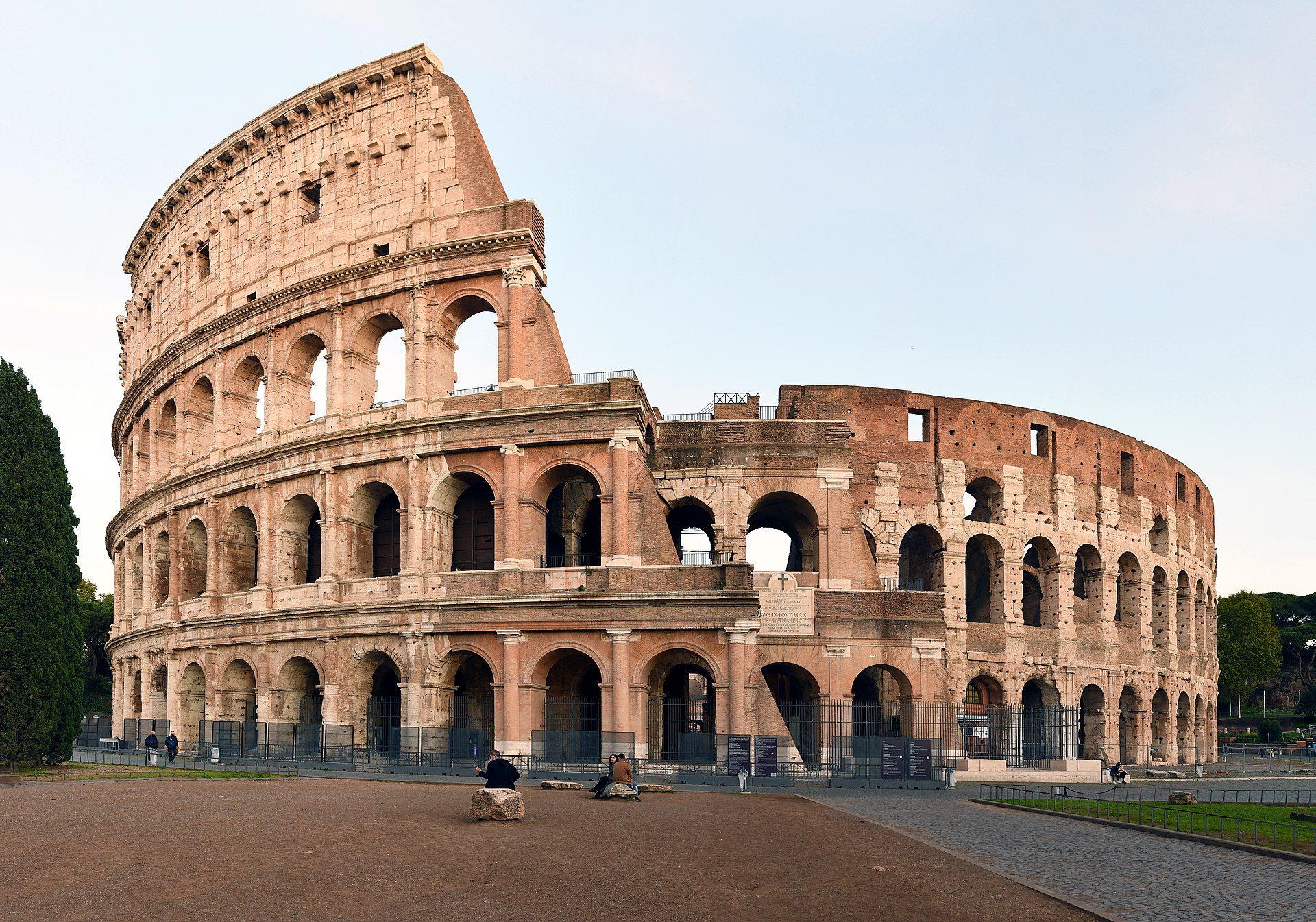
Photograph · Bert Kaufmann from Roermond, Netherlands · CC BY-SA 2.0
Set your days, your pace and the hours you actually want to be out. The planner works around closing days and travel time, and leaves room to eat.
Editorial responsibility: Elena Voss · Roavina Travel Editor
Rome is a broad historic city whose central archaeological, papal and baroque districts are close enough to walk but too dense to compress into one route. The Colosseum and forums, the Pantheon-Navona core, Vatican-Prati and Trastevere form separate clusters. Public transport handles longer links, yet much of a visit still happens on foot over uneven surfaces. Plan fewer major interiors per day and keep each route on one side of the Tiber where possible.
Checked 2026-08-26
November · November brings Rome a 15.9°C mean high and its wettest normal month at 115.4 mm over 9.7 days.
Ranked by importance — sitelinks, pageviews and heritage status, not editor preference.
114 places match
Category
Typical visit duration
Good for
Interests
Chiesa di Trinità dei Monti
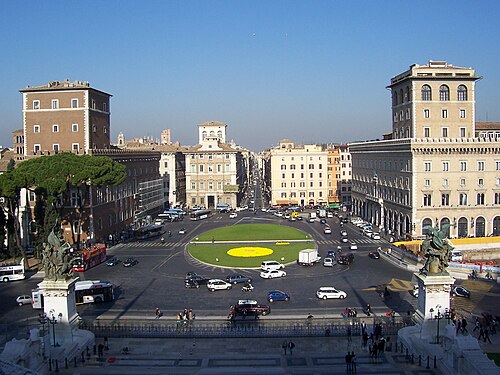
Piazza Venezia is a major central square in Rome, Italy, located at the foot of the Capitoline Hill.

Palazzo Venezia is a historic palace in central Rome, Italy. It stands on Piazza Venezia at the foot of the Capitoline Hill.

MAXXI Museo nazionale delle arti del XXI secolo
MAXXI is Italy's first national museum dedicated to contemporary art and architecture. The acronym stands for Museo nazionale delle arti del XXI secolo, meaning National Museum of 21st Century Arts.
E.U.R.
EUR is a residential area and Rome's main business district, in Municipio IX in the south-west of the city.
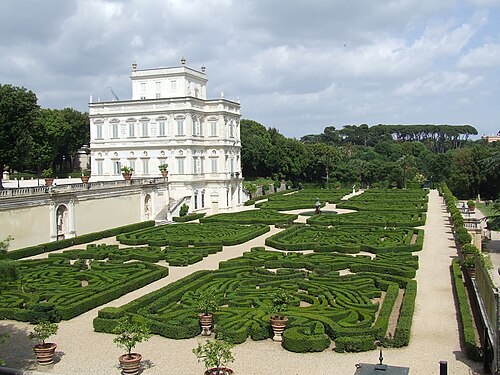
Villa Doria Pamphilj
Villa Doria Pamphili is a historic villa and extensive public park in Rome, Italy. It is among the largest landscaped public parks in the city, situated on the Gianicolo hill.
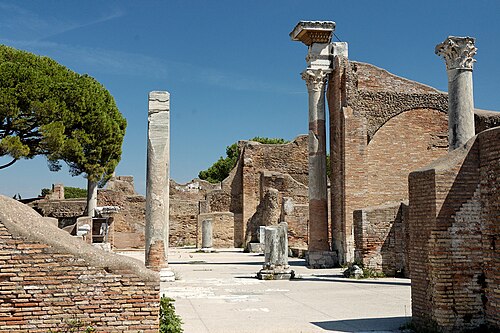
Ostia Antica
Ostia Antica is a large archaeological site located near Rome, preserving the remains of the ancient port city of Ostia.

The Bocca della Verità is a circular marble relief displayed in the portico of Rome's Basilica of Santa Maria in Cosmedin. Its open mouth gave rise to the popular story that the mask would bite the hand of a liar.
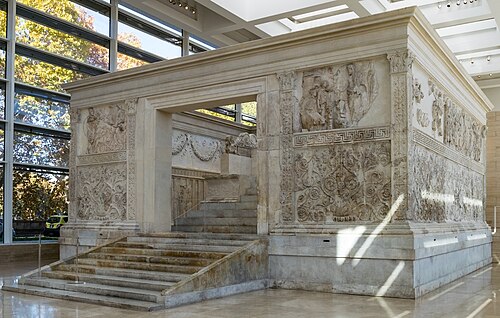
Ara Pacis Augustae
The Ara Pacis Augustae is an ancient Roman altar dedicated to Pax, the goddess of peace.
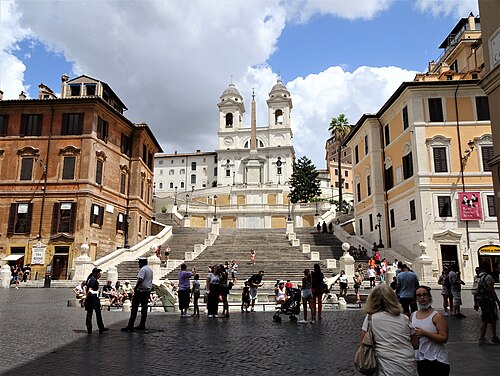
Piazza di Spagna is a prominent public square in Rome's historic centre, named after the Spanish Embassy to the Holy See.
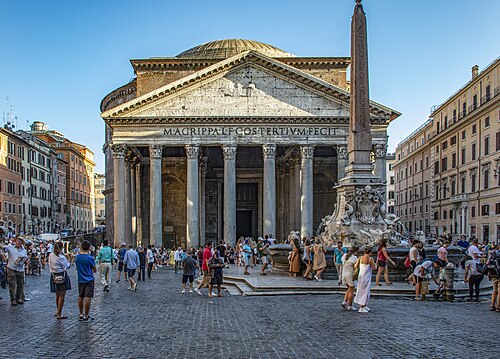
Piazza della Rotonda is a public square in the historic centre of Rome, Italy. The square takes its name from the Pantheon, the ancient Roman temple with its distinctive circular dome, which dominates the piazza.
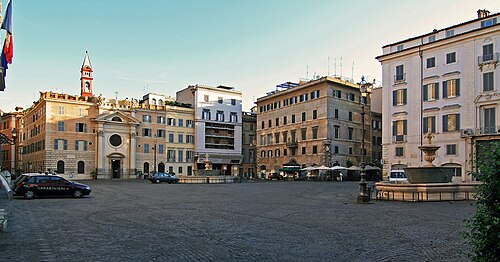
Piazza Farnese is a historic square in Rome's Regola district, taking its name from the imposing Palazzo Farnese that dominates its northern flank. The square developed during the Renaissance as an expression of papal power and architectural ambition.

Piazza Mattei is a small square in Rome's historic Jewish Ghetto district, situated between Via della Reginella and Via dei Funari. The piazza takes its name from the Mattei family, a prominent Roman noble house.
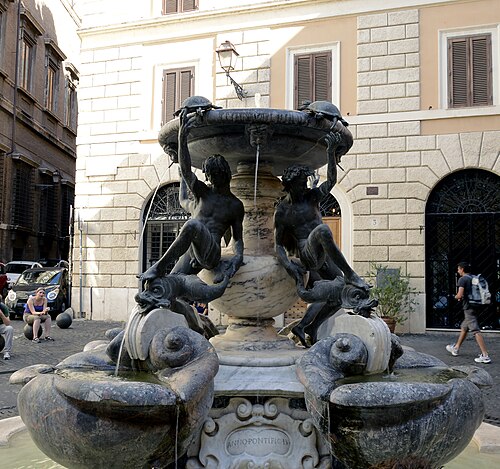
The Fontana delle Tartarughe is a compact late-sixteenth-century fountain in Piazza Mattei, in Rome’s Sant’Angelo district. Four bronze youths lean over a marble basin, with dolphins and turtles creating the fountain’s lively silhouette.
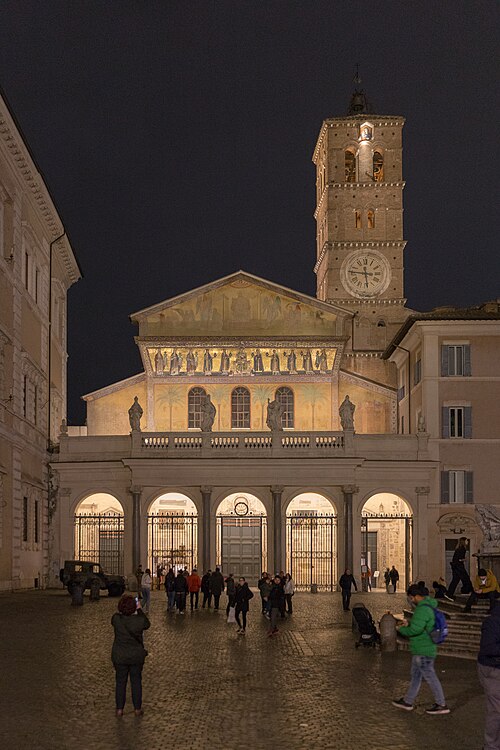
Basilica di Santa Maria in Trastevere
Santa Maria in Trastevere is a basilica dedicated to the Virgin Mary in the heart of Rome’s Trastevere district.
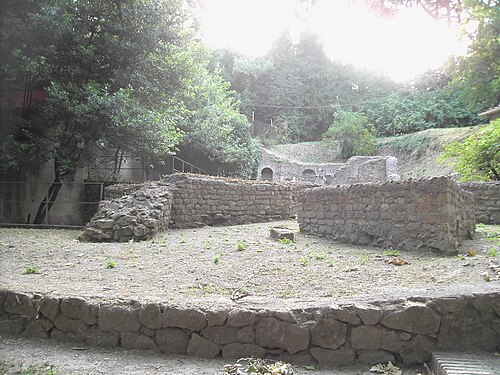
Gianicolo is a hill in western Rome, rising above the Trastevere district. It is not one of the traditional Seven Hills of Rome but holds significance as a historic vantage point.
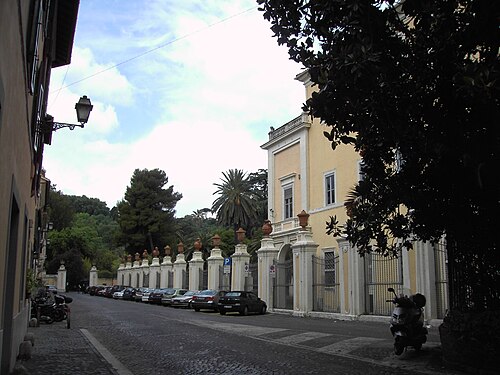
Orto Botanico
The Botanical Garden of Rome, or Orto Botanico, occupies the slopes of Janiculum Hill in Trastevere. It is a university botanical garden and a historic landscape descended from the grounds of Palazzo Corsini.
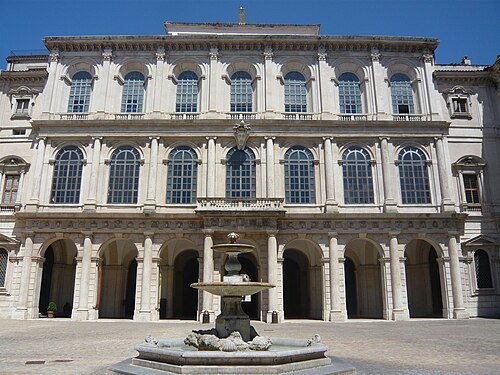
Palazzo Barberini is a prominent palace in Rome, Italy, constructed in the 17th century for the Barberini family. The building exemplifies Roman Baroque architecture and now serves as one of the capital's significant cultural institutions.
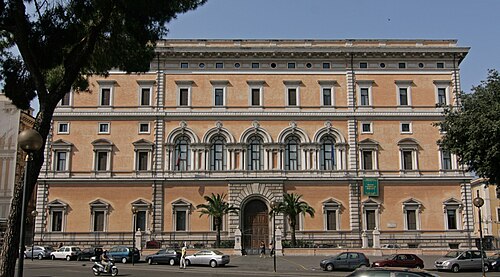
Palazzo Massimo alle Terme is one of the major sites of the Museo Nazionale Romano, close to Roma Termini. Its galleries present ancient Roman art across four floors in a nineteenth-century palace adapted for museum use.
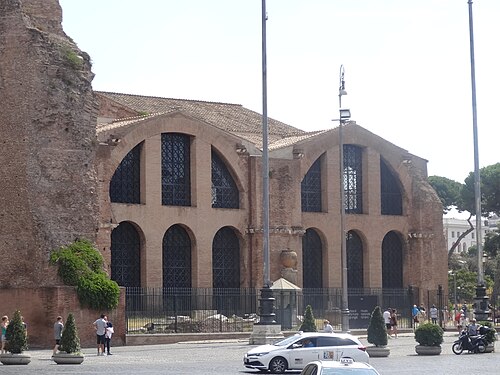
Terme di Diocleziano
The Baths of Diocletian, known locally as Terme di Diocleziano, constitute one of ancient Rome's most massive bath complexes. Constructed between 298 and 306 CE, these public baths were commissioned by Emperor Maximian and named after his co-emperor Diocletian.

The Crypta Balbi is a museum and archaeological complex in Rome, Italy. It stands on the site of the ancient Theatre of Balbus, built by Lucius Cornelius Balbus in 13 BCE.
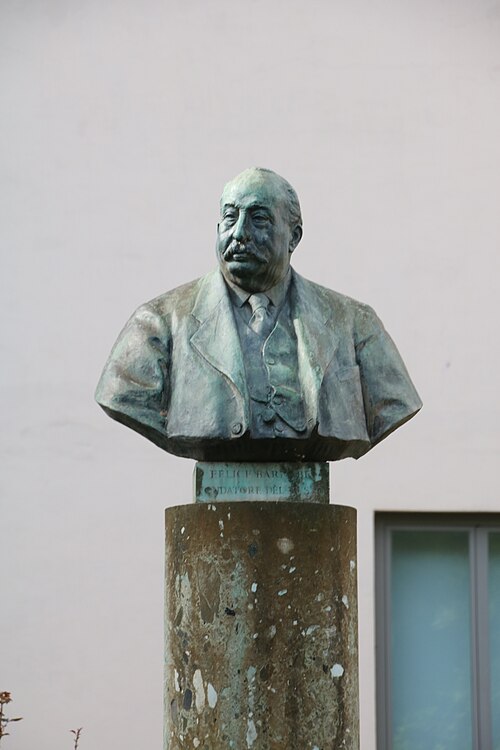
Museo Nazionale Etrusco di Villa Giulia is Rome’s principal museum devoted to Etruscan civilisation and art. It occupies a Renaissance villa built for Pope Julius III in the sixteenth century, where architecture, gardens and fountains form part of the experience.
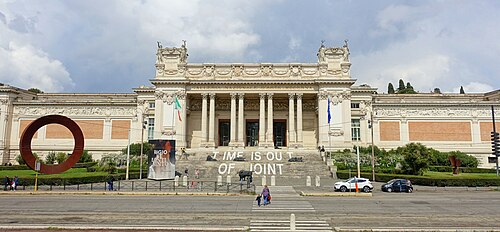
Galleria Nazionale d'Arte Moderna e Contemporanea
The Galleria Nazionale d'Arte Moderna e Contemporanea di Roma is Italy's national gallery dedicated to modern and contemporary art. Located in Rome, it occupies a neoclassical building within the Villa Borghese park complex.
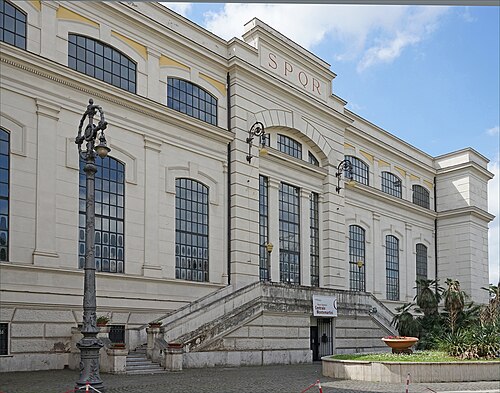
Centrale Montemartini is a museum in Rome housed in a former thermoelectric power plant. The industrial building, with its preserved machinery and turbines, serves as an exhibition space for classical sculpture from the Capitoline Museums collection.
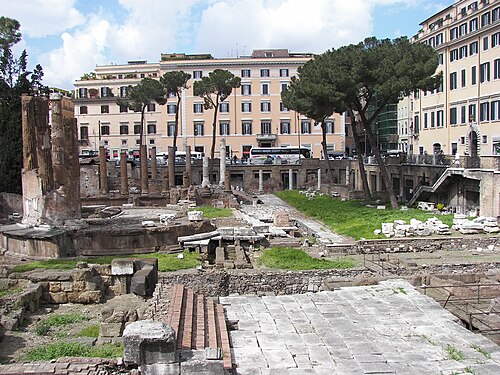
Largo di Torre Argentina
Largo di Torre Argentina is a square in Rome that contains the remains of four Republican-era temples and the Theatre of Pompey. The ruins were uncovered during demolition work in the 1920s.
The historic centre lies east of the Tiber around the Pantheon, Piazza Navona, Campo de' Fiori and the Trevi-Spanish Steps axis. Southeast, the Colosseum, Roman Forum, Palatine, Aventine and Baths of Caracalla form the main archaeological corridor. Across the river, Vatican City and Prati sit north of Trastevere and the Janiculum. Termini, Monti and Esquilino form the transport-facing eastern centre, while the Appian Way, EUR and Ostia Antica are separate outings beyond the core. The official tourism map treats these as distinct visitor zones for good reason.
Checked 2026-08-26
Walk within the historic centre and use metro, tram or bus for the longer jumps. Rome's official tourism service notes that the public network connects the principal visitor sites, while the Metrebus system provides the common ticket framework. Metro coverage is useful for Termini, the Colosseum, the Vatican side and selected outer districts, but many central sights sit between stations. Buses fill those gaps and are vulnerable to road traffic. For the Appian Way or Ostia Antica, plan the complete outward and return connection before leaving the centre.
Checked 2026-08-26
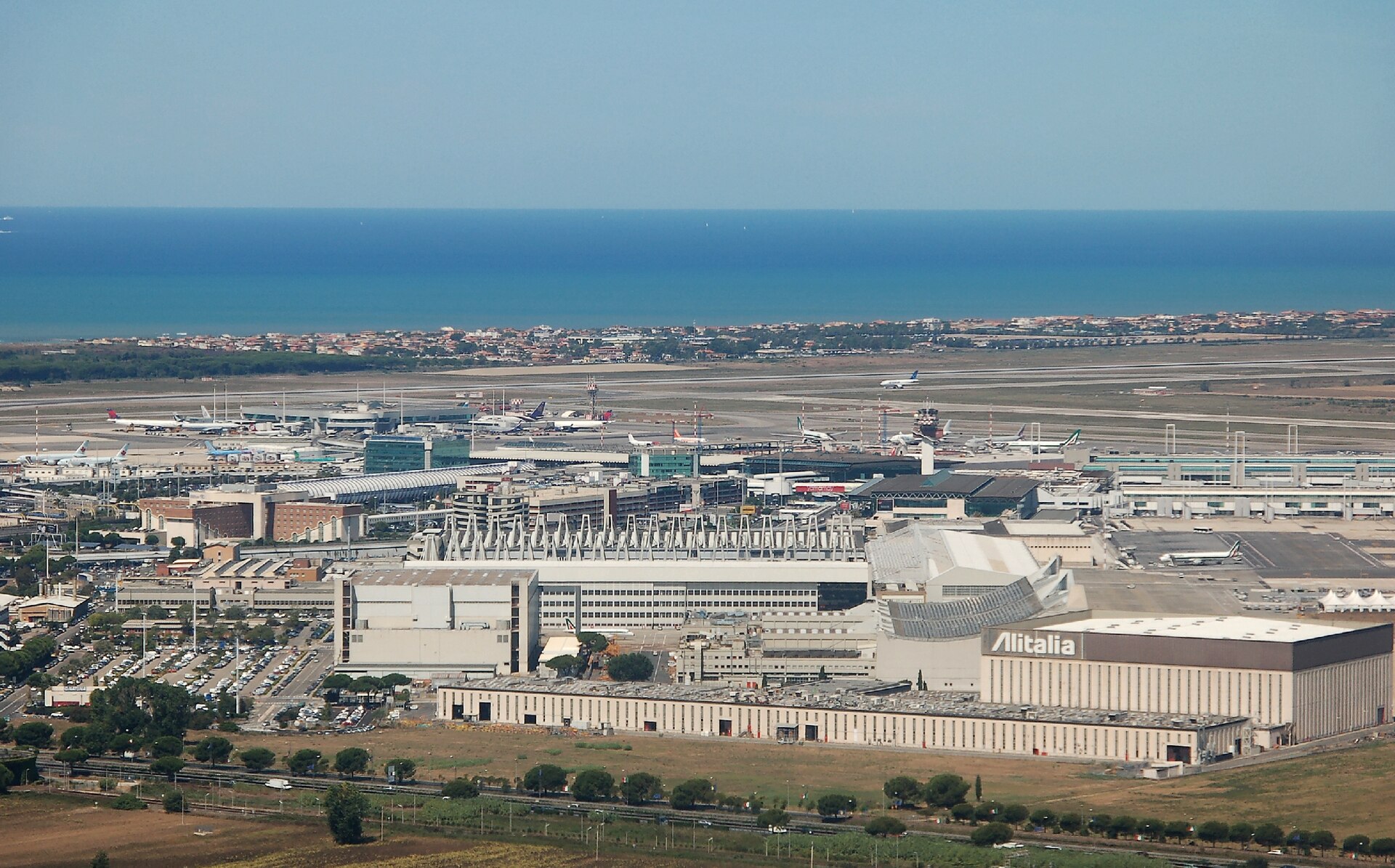
Suggested stay for a first visit: 4–5 days. Three days can cover the ancient core, the baroque centre and the Vatican side, while extra time allows the Appian Way, Ostia Antica or less compressed museum visits.
April through May and September through October generally offer more comfortable walking weather than midsummer. Rome remains busy in these periods, but lower heat matters because the historic centre is best explored on foot.
The central clusters are walkable, but the whole city is not. Use walking for the Pantheon-Navona area, the forums or Trastevere, then use public transport between those zones rather than linking every district on foot.
Keep the Colosseum, Forum and Palatine together; pair the Pantheon with Piazza Navona and Campo de' Fiori; and give the Vatican-Prati side its own day. Trastevere works naturally after a central river crossing.
No. Walking and the public transport network cover the principal visitor areas, while a car adds parking and restricted-access complications in the historic centre. Outer trips are generally better planned by rail, metro or bus.


