Sumiyoshi Taisha
住吉大社
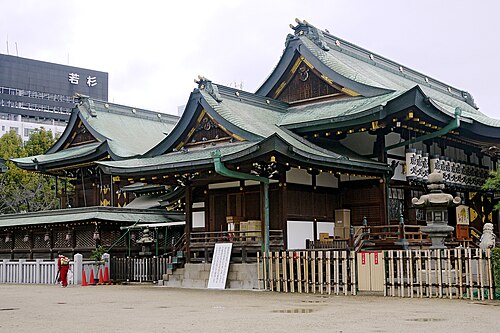
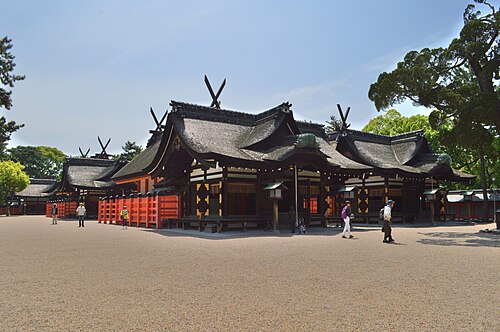
Sumiyoshi Taisha is a major Shinto shrine in Osaka, known in Japanese as 住吉大社. It is one of Japan's oldest shrines and serves as the head shrine of approximately 2,300 Sumiyoshi shrines nationwide.
- Must see
- Place of worship
City guide · Japan
Osaka is a large but legible city whose visitor areas follow several rail hubs. Kita centres on Osaka and Umeda stations, Minami gathers around Namba, Shinsaiba...
Photograph · Martin Falbisoner · CC BY-SA 4.0
Set your days, your pace and the hours you actually want to be out. The planner works around closing days and travel time, and leaves room to eat.
Reviewed by Elena Voss · Roavina Travel Editor
Osaka is a large but legible city whose visitor areas follow several rail hubs. Kita centres on Osaka and Umeda stations, Minami gathers around Namba, Shinsaibashi and Dotonbori, and Tennoji anchors the southern core. Osaka Castle lies east of the centre, while the bay area contains major family attractions. Plan each area as a separate walking cluster connected by rail.
Checked 2026-08-26
September · September remains hot and wet in Osaka at 29.5°C by day, 21.9°C at night and 152.8 mm rain.
Ranked by importance — sitelinks, pageviews and heritage status, not editor preference.
58 places match
Category
Typical visit duration
Interests
住吉大社
Sumiyoshi Taisha is a major Shinto shrine in Osaka, known in Japanese as 住吉大社. It is one of Japan's oldest shrines and serves as the head shrine of approximately 2,300 Sumiyoshi shrines nationwide.
法善寺
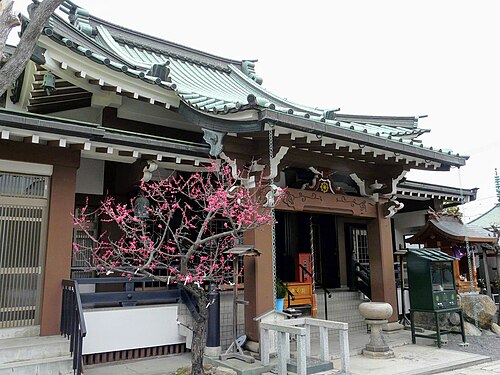
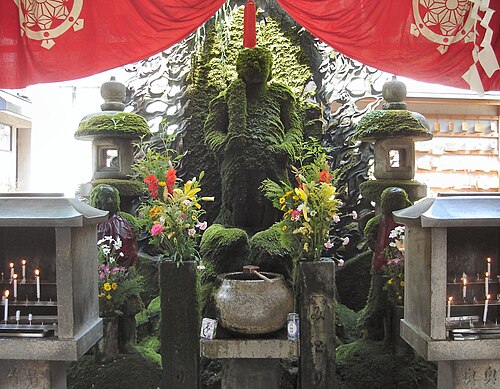
Hozenji Temple is a compact Buddhist temple located in Osaka's Namba district, immediately adjacent to the famous Dotonbori entertainment area. The temple is best known for its moss-covered statue of Fudō Myōō, a wrathful deity in Japanese Buddhism.
大阪天満宮
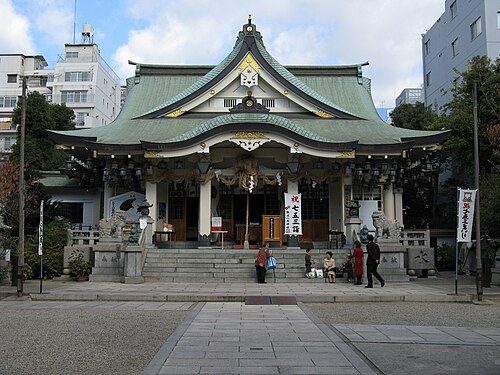
Osaka Tenmangu Shrine is a Shinto shrine in Osaka, Japan. It ranks among the city's principal historic shrines and serves as the focus of the Tenjin Matsuri, one of Japan's major summer festivals.
難波八坂神社
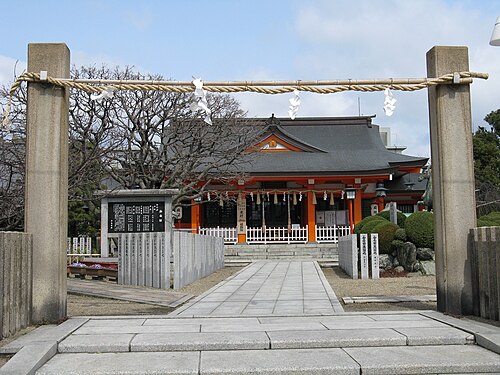
Namba Yasaka Shrine is a Shinto shrine located in the Namba district of Osaka, Japan. It is notable for its distinctive lion-head stage, which serves as the shrine's most recognizable feature.
中島惣社
Nakajima-so Shrine, known locally as 中島惣社, is a Shinto place of worship in Osaka. The shrine is identified on OpenStreetMap as way/273392714, giving visitors a precise identity for distinguishing it from other religious sites in the city.
京善寺
Kyōzen-ji Temple, written locally as 京善寺, is a Buddhist temple in Osaka. It forms part of the city’s religious and cultural landscape, where places of worship stand alongside dense modern development.
Kita is the northern commercial and transport centre around Umeda. Minami is the southern entertainment and shopping centre around Namba and Shinsaibashi, with Dotonbori between them. Tennoji and Shinsekai extend the sightseeing axis farther south. Osaka Castle forms its own eastern cluster, and the waterfront attractions sit west around the bay. The Osaka Loop Line and subway connect these distinct zones.
Checked 2026-08-26
Use Osaka Metro for travel between Kita, Minami and the central sightseeing districts, then walk within each cluster. The Osaka Loop Line connects major rail interchanges and provides transfers to private and regional railways. Buses cover gaps in the rail network, while water buses offer selected river journeys. Check the official route information for the destination rather than assuming every attraction is on one line.
Checked 2026-08-26
A fixed duration is not recorded. Allocate time by cluster: Kita, Minami, Osaka Castle, Tennoji and the bay area each work best as distinct blocks.
Kita is the northern centre around Osaka and Umeda stations. Minami is the southern centre around Namba, Shinsaibashi and Dotonbori, with a stronger concentration of nightlife and shopping.
Use the subway for most visitor journeys and walk within each district. The Osaka Loop Line is useful for transfers between major rail hubs and onward regional services.
No. Osaka Castle forms an eastern sightseeing cluster, while Dotonbori is in Minami. Treat them as separate stops linked by metro rather than one continuous walk.
Yes. The bay attractions sit west of the central districts and are best grouped together, reducing repeated transfers between the waterfront and the Kita-Minami axis.