Bugaksan
북악산
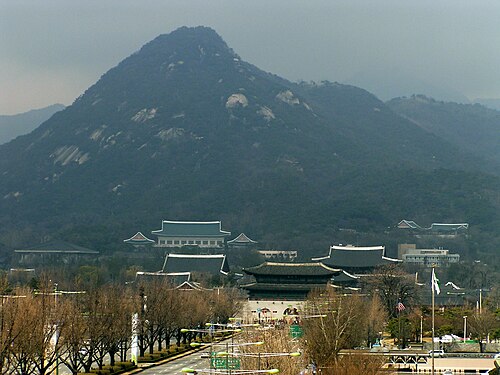
Bugaksan is a mountain in Seoul, South Korea, known locally as 북악산. It forms part of the city's northern boundary and is one of the mountains surrounding the historic center.
- Must see
- Viewpoint
City guide · South Korea
Seoul is South Korea's capital, spread across both banks of the Han River. The historic palace city lies north of the river around Jongno, Gwanghwamun and Namsa...
Photograph · USAGI_POST · CC0
Set your days, your pace and the hours you actually want to be out. The planner works around closing days and travel time, and leaves room to eat.
Reviewed by Elena Voss · Roavina Travel Editor
Seoul is South Korea's capital, spread across both banks of the Han River. The historic palace city lies north of the river around Jongno, Gwanghwamun and Namsan, while later commercial and residential centres extend south into Gangnam and east and west along the metropolitan rail corridors. The city is best approached as linked districts rather than one continuous centre: royal palaces and traditional neighbourhoods, central markets and museums, riverside areas, university quarters, and the newer southern business districts each form practical sightseeing clusters.
Checked 2026-08-26
September · September cools Seoul to a 26.2°C mean high, while rainfall falls to 141.5 mm over 9.1 days.
Ranked by importance — sitelinks, pageviews and heritage status, not editor preference.
101 places match
Category
Typical visit duration
Interests
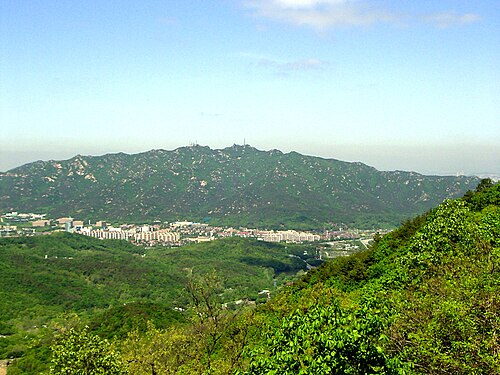
북악산
Bugaksan is a mountain in Seoul, South Korea, known locally as 북악산. It forms part of the city's northern boundary and is one of the mountains surrounding the historic center.
아차산
Achasan is a mountain in eastern Seoul and one of the city’s accessible natural landscapes.
관악산
Gwanaksan is a mountain in southern Seoul, South Korea, known locally as 관악산. It rises within the capital and forms part of the green landscape visible across the city.
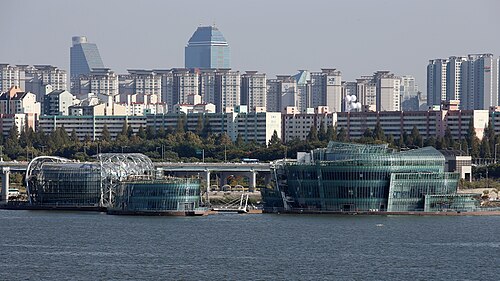
세빛섬
Some Sevit, known locally as 세빛섬, comprises three artificial islands situated on the Han River in Seoul, South Korea. The complex was developed as a distinctive riverside landmark and cultural venue.
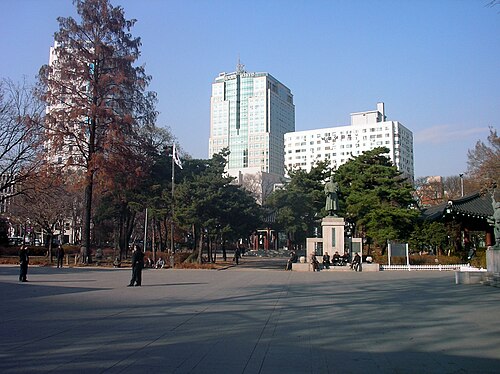
탑골공원
Tapgol Park, known locally as 탑골공원, is a historic public park located in the Jongno district of central Seoul. The park occupies a site of considerable historical significance in Korean modern history.
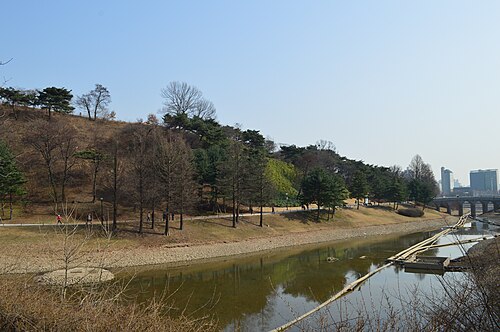
몽촌토성
Mongchontoseong is an earthen fortress site in Seoul’s Songpa-gu district, within Olympic Park. Its broad ramparts represent Baekje-period defensive architecture and create a striking contrast with the modern city around them.
서울 암사동 유적
Amsa-dong Prehistoric Site is an archaeological place in eastern Seoul preserving evidence of Neolithic settlement beside the Han River. The site connects the modern capital with early human occupation of the Korean peninsula.
서울원각사지십층석탑
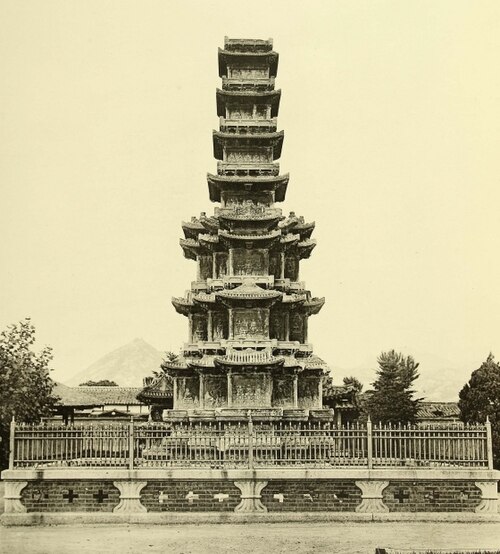
Wongaksa Pagoda, known locally as Seoul Wongaksaji Sipcheungseoktap, stands as a significant stone pagoda in Seoul, South Korea. The structure represents a notable example of Joseon-era Buddhist architecture, originally associated with Wongaksa Temple.
환구단
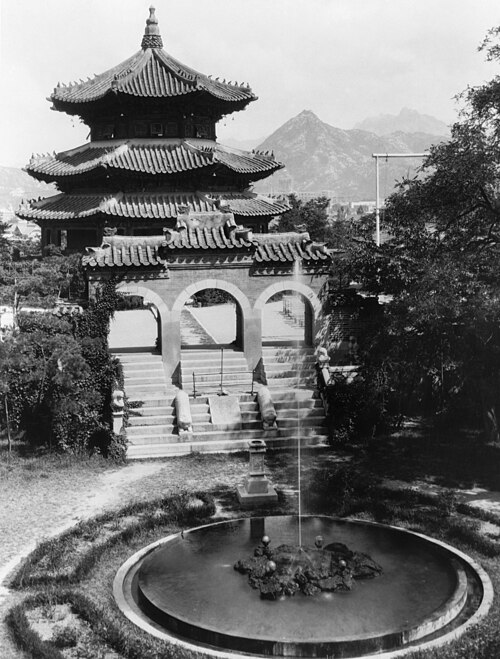
Hwangudan, also called the Altar of Heaven, is a compact historic monument in central Seoul. Its round altar tradition reflects royal rituals dedicated to Heaven, while the surviving complex is closely connected with the Korean Empire period.
국립대한민국임시정부기념관
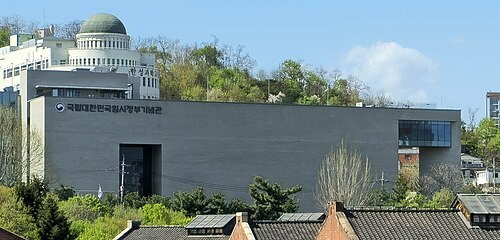
The National Memorial of the Korean Provisional Government presents the story of the Korean Provisional Government, established in Shanghai in 1919 during Japanese colonial rule.
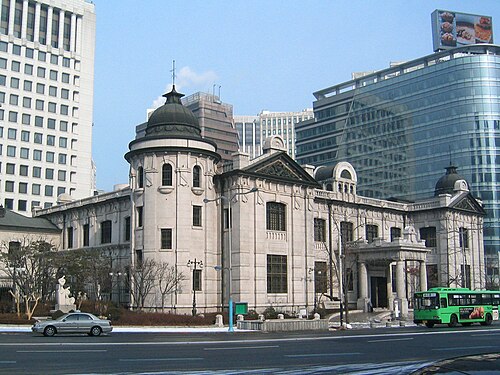
한국은행 화폐박물관
The Bank of Korea Museum is a currency museum in Seoul operated by South Korea’s central bank. Known locally as 한국은행 화폐박물관, it connects the country’s monetary heritage with the institution responsible for issuing the South Korean won.
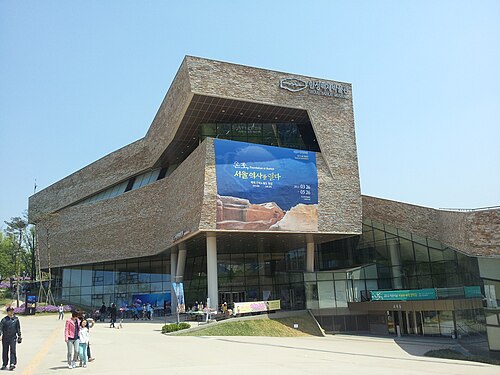
한성백제박물관
Seoul Baekje Museum introduces the history of Baekje in the Seoul area, especially the Hanseong period, when the Han River basin was an important political and strategic centre.
한국가구박물관
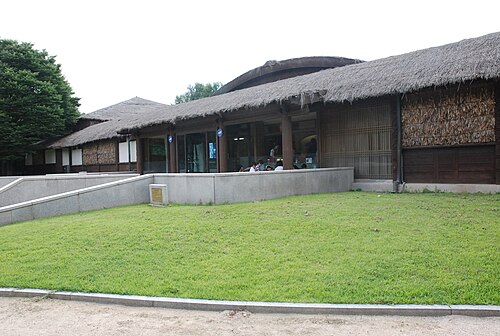
The Korea Furniture Museum presents traditional Korean furniture within a hanok setting in Seoul. The buildings and collection belong together: chests, wardrobes, cabinets and tables can be understood as objects made for particular rooms, habits and social settings.
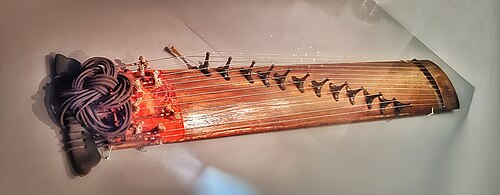
국악박물관
The Museum of Gugak introduces Seoul visitors to gugak, the broad tradition of Korean music and performance. Gugak includes court music, folk music, ritual music and forms shaped by regional practice.
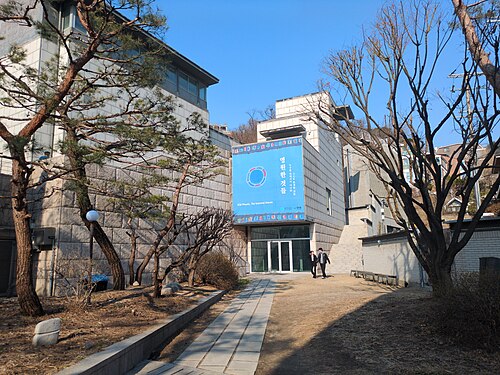
환기미술관
The Whanki Museum is an art museum in Seoul dedicated to the work of Kim Whanki, a pioneering Korean abstract painter. The museum honors his artistic legacy and contribution to modern Korean art.
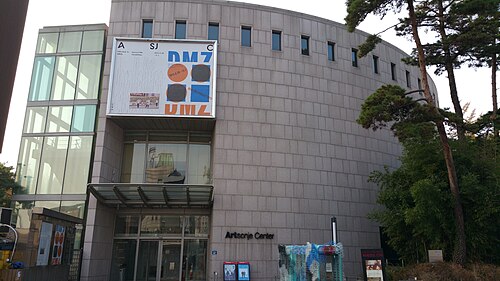
아트선재센터
Art Sonje Center, also known locally as 아트선재센터, is a contemporary art institution in Seoul. The center presents modern and contemporary exhibitions and related cultural programmes in a dedicated setting for artistic discussion.
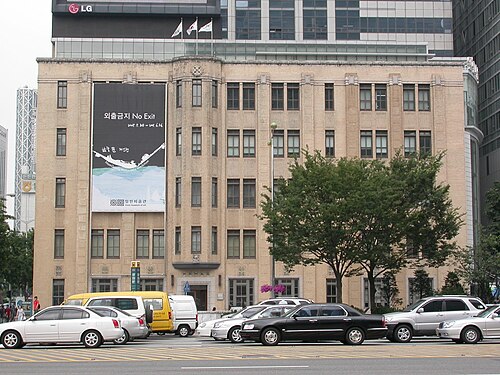
일민미술관
Ilmin Museum of Art, known locally as 일민미술관, is a visual-arts museum in Seoul. The museum offers travelers an art-focused stop within the capital's wider cultural landscape.
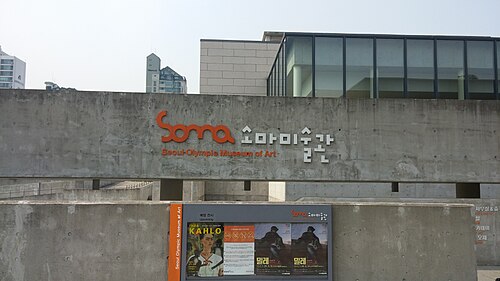
소마미술관
SOMA Museum of Art is a contemporary art museum in Seoul’s Olympic Park, known locally as 소마미술관. Its setting connects an indoor art experience with one of the city’s major park landscapes.
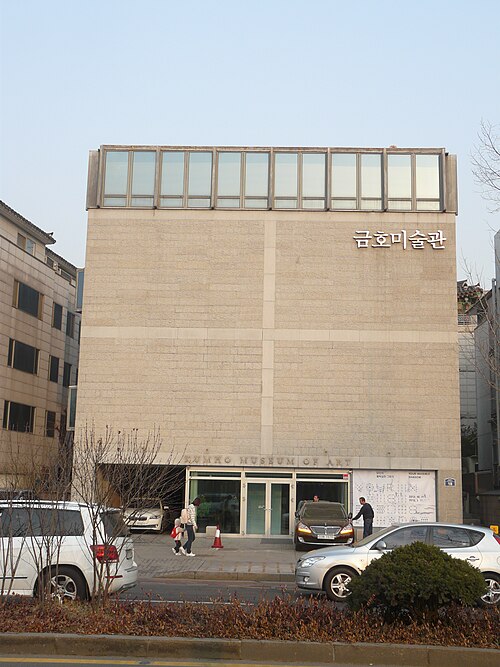
금호미술관
Kumho Museum of Art, known locally as 금호미술관, is a private art museum in Seoul. The institution operates within the Kumho cultural umbrella and presents modern and contemporary art exhibitions.
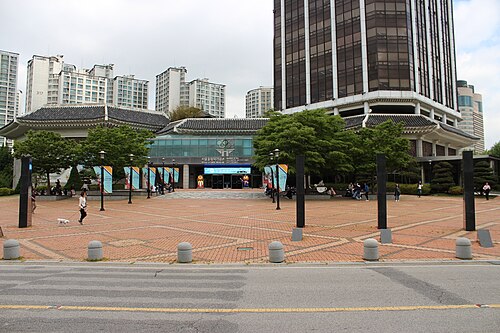
서울올림픽기념관
Seoul Olympic Museum is a commemorative institution for the 1988 Summer Olympics, located within Olympic Park in Songpa-gu.
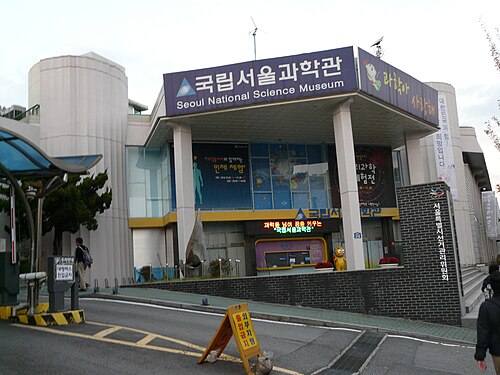
국립서울과학관
The National Children’s Science Center, known locally as 국립서울과학관, is a science museum in Seoul designed to engage children and families with scientific ideas. As a national educational facility, it offers a hands-on alternative to conventional sightseeing.
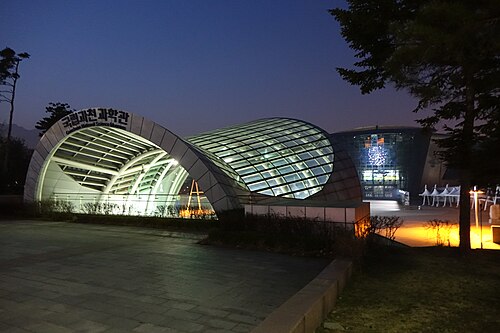
국립과천과학관
Gwacheon National Science Museum, known in Korean as 국립과천과학관, is a major national science museum in Gwacheon, a separate city within the Seoul Capital Area.
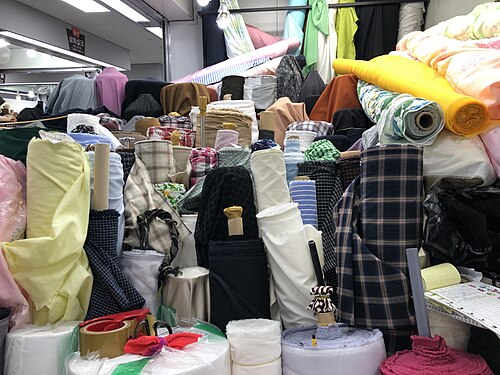
동대문종합시장
Dongdaemun Shopping Complex, known locally as 동대문종합시장, is a traditional market complex in Seoul’s Dongdaemun commercial district. It is a wholesale and retail destination associated with textiles, fabrics, clothing materials, and related goods.
통인시장
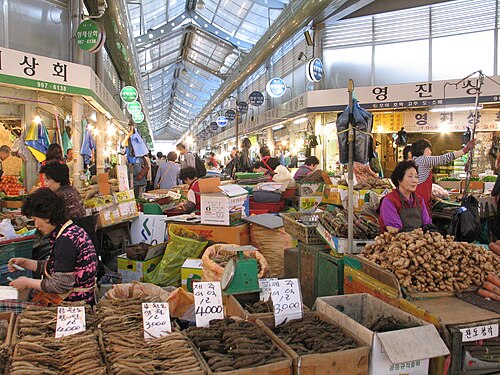
Tongin Market is a traditional Korean market located in the Jongno district of Seoul. It operates as a covered alleyway market with numerous small vendors selling various goods.
경동시장
Gyeongdong Market, also known as 경동시장, is a traditional market in Seoul. It is a working commercial place where daily shopping takes place rather than a museum arranged for sightseeing.
The Han River is the clearest dividing line. North of it, the palace-and-Namsan core includes Gwanghwamun, Jongno, Bukchon, Insadong, Dongdaemun and Myeongdong. Westward, Hongdae and the university districts form another cluster; Yeouido occupies an island in the river. South of the Han, Gangnam, Apgujeong and Samseong are modern commercial areas with their own attractions. Seoul's official visitor maps divide suggested routes into the downtown palace and Namsan area, Apgujeong, Gangnam and Samseong, which is a useful way to avoid repeated cross-city travel.
Checked 2026-08-26
Use the subway as the default between districts and walk within each cluster. Stations and lines are colour-coded, exits are numbered, and major information appears in Korean and English. A Tmoney transport card can be used across the network; single-journey passes are also available from station machines. Buses reach areas beyond convenient rail stops, but the official visitor guide notes that they can be harder for first-time visitors despite colour-coded route types. Check the official transport page for current operating information before travel.
Checked 2026-08-26
A fixed stay length is not recorded. Allocate time by district: the palace core, central markets and museums, a western neighbourhood such as Hongdae, and the southern districts if they match your interests.
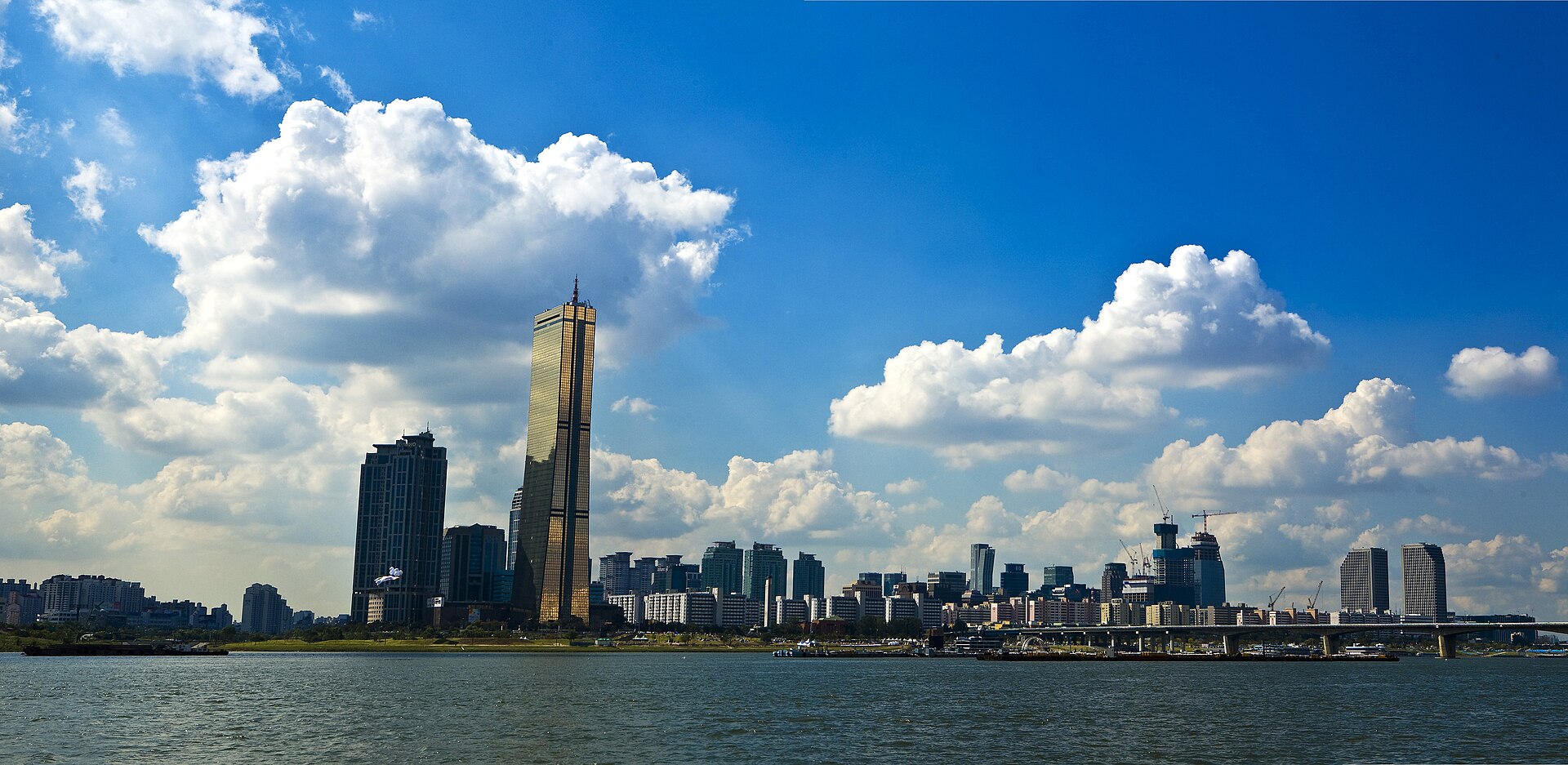
The Han River. The older palace city and Namsan are north of it, while Gangnam, Apgujeong and Samseong form major visitor clusters on the south side.
Yes. Lines are colour-coded, station exits are numbered, and major signs use Korean and English. The official tourism guide recommends the subway as one of the most efficient ways to cross the city.
Use the subway for most cross-city journeys. Buses are useful for areas between stations, but route information can be less intuitive for a first visit even though services are colour-coded.
No. They sit in different city clusters on opposite sides of the Han River. Use the subway between them and reserve walking for the sights within each district.