
51
45 min
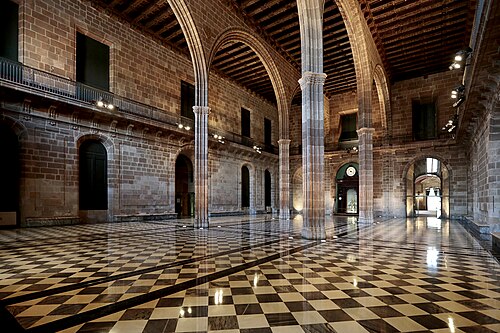
Llotja de Barcelona
Llotja de Mar
Llotja de Barcelona, also known as Llotja de Mar, is a historic mercantile exchange associated with Barcelona's maritime and commercial life.
- High
- Historic site
City guide · Spain
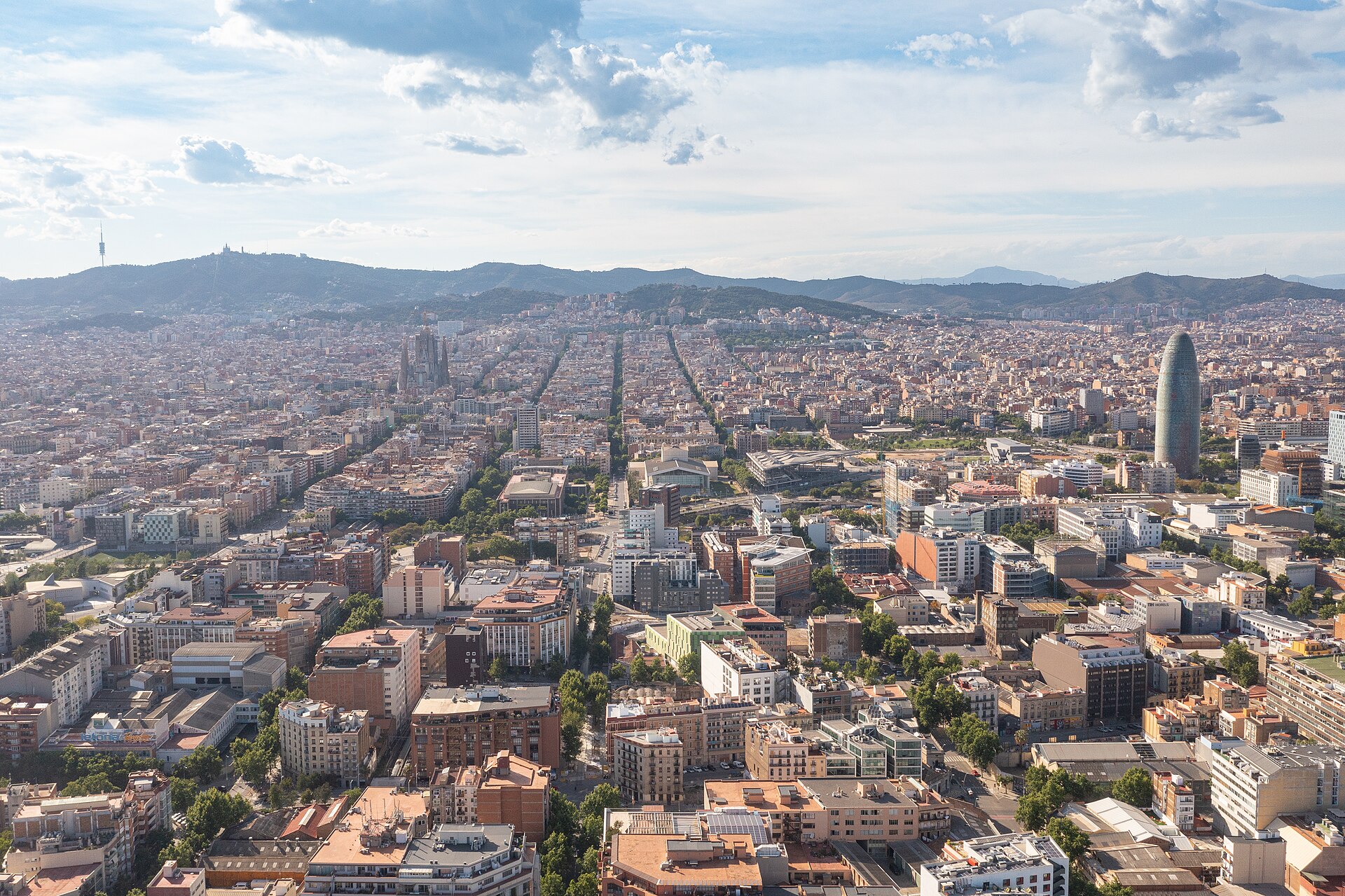
Barcelona is Catalonia's capital on Spain's Mediterranean coast. Its visitor core combines the irregular lanes of Ciutat Vella, the nineteenth-century Eixample...
Photograph · dronepicr · CC BY 2.0
Set your days, your pace and the hours you actually want to be out. The planner works around closing days and travel time, and leaves room to eat.
Editorial responsibility: Elena Voss · Roavina Travel Editor
Barcelona is Catalonia's capital on Spain's Mediterranean coast. Its visitor core combines the irregular lanes of Ciutat Vella, the nineteenth-century Eixample grid, the waterfront at Barceloneta, and the cultural sites on Montjuïc. Catalan and Spanish are both used across the city, while signs and place names commonly appear first in Catalan. The ranked attractions span Roman and medieval streets, Modernista architecture, markets, museums, beaches, and hilltop viewpoints rather than a single compact monument zone.
Checked 2026-08-26
November · November cools to a 17.3°C mean high in Barcelona and receives 59 mm of rain, with 145 sunshine hours.
Ranked by importance — sitelinks, pageviews and heritage status, not editor preference.
75 places match
Category
Typical visit duration
Good for
Llotja de Mar
Llotja de Barcelona, also known as Llotja de Mar, is a historic mercantile exchange associated with Barcelona's maritime and commercial life.
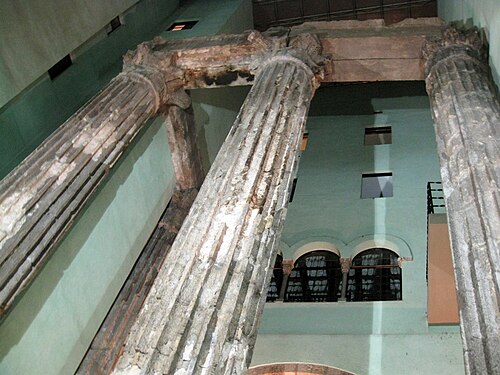
Temple d'August
Temple of Augustus is one of Barcelona’s clearest surviving links with the Roman colony of Barcino. Four Corinthian columns and part of the temple podium stand within the Gothic Quarter, where medieval buildings surround and preserve the ancient remains.
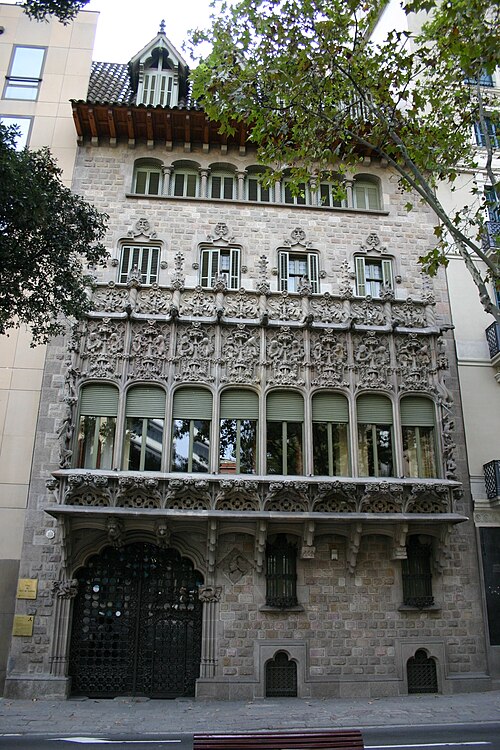
Palau del Baró de Quadras is a Barcelona mansion associated with Catalan modernism and the Eixample’s early twentieth-century prosperity.
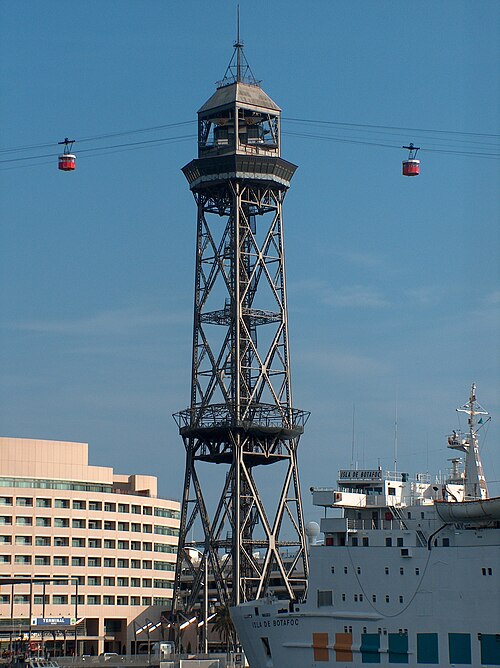
Torre de Jaume I
Torre Jaume I is a named tower in Barcelona’s built landscape. The name refers to James I of Aragon, an important figure in Catalan history, and gives the structure a connection with the historical identity of the city.

Can Serra
Casa Serra, also known locally as Can Serra, is a named historic building in Barcelona. The building belongs to the city’s architectural fabric and gives travellers a chance to notice heritage beyond the most famous monuments.
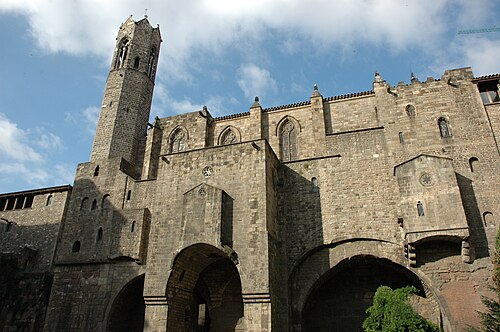
Capella de Santa Àgata
The Chapel of Santa Ágata, also called Capella de Santa Àgata, is a medieval religious building in Barcelona’s Gothic Quarter.
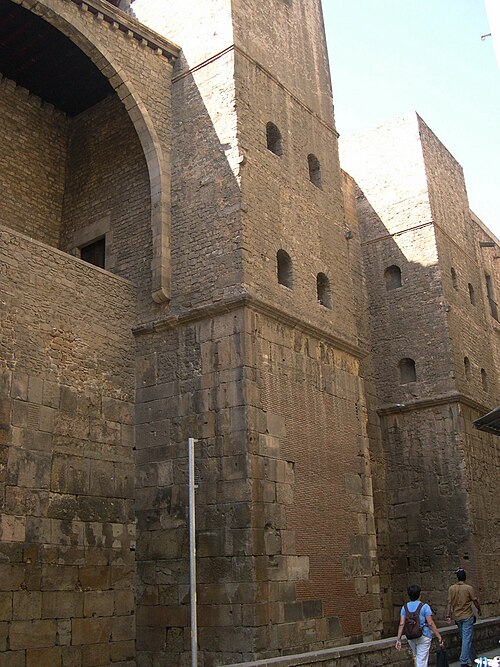
Muralla Romana
The Roman walls of Barcelona, known locally as Muralla Romana, constitute remnants of the ancient fortifications that once encircled Barcino, the Roman colony founded in the first century BC.
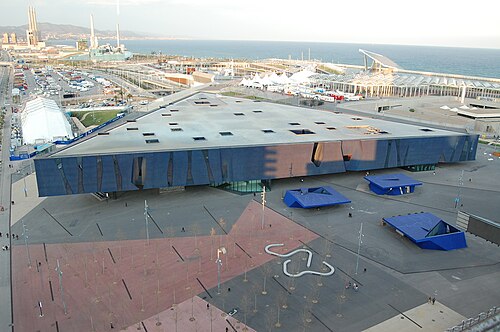
Museu de Ciències Naturals de Barcelona
Forum Building is home to the Museu de Ciències Naturals de Barcelona, a natural sciences museum and one of the city's contemporary cultural landmarks. The building combines a distinctive modern structure with public exhibition and education.
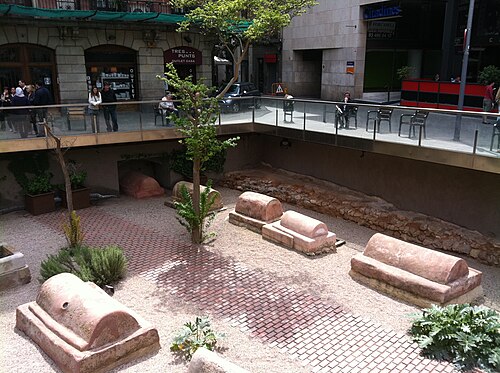
Via Sepulcral Romana
The Via sepulcral Romana de la plaça de la Vila de Madrid preserves part of a Roman funerary road in Barcelona's Ciutat Vella.
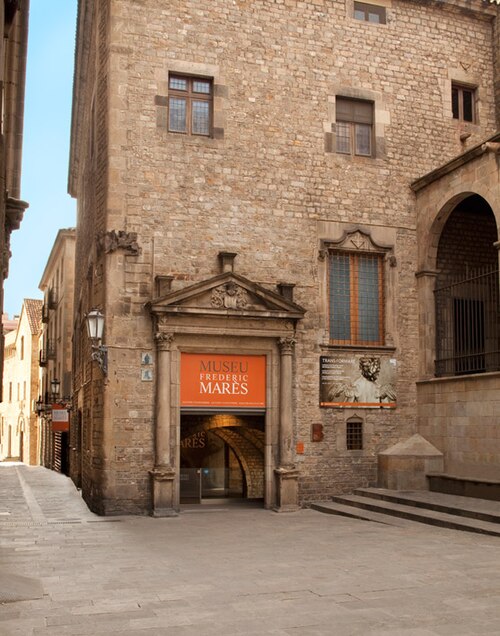
Museu Frederic Marès occupies part of the medieval Royal Palace of the Counts of Barcelona in the Gothic Quarter. It brings together the collections formed by the sculptor Frederic Marès, who donated them to the city.

Museu de la Xocolata is Barcelona’s chocolate museum, operated by the Barcelona Confectionery Guild. The visit follows chocolate from cocoa origins to European and Catalan traditions, combining food history with the visual appeal of confectionery.
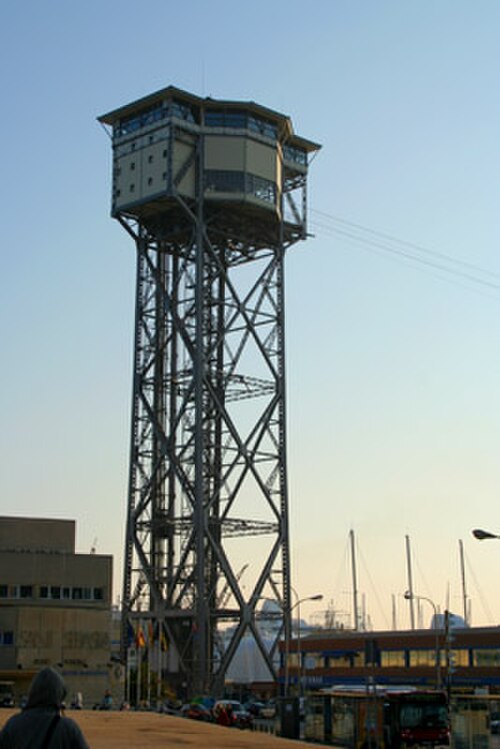
Torre de Sant Sebastià
Torre Sant Sebastià, also known as Torre de Sant Sebastià, is a specifically mapped tower structure in Barcelona, identified as way/126760606 in OpenStreetMap.
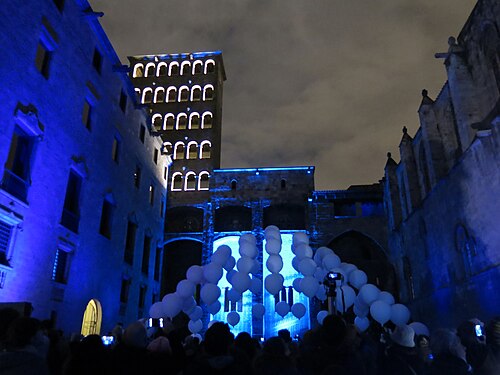
Plaça del Rei
Plaça del Rei is a medieval public square in Barcelona's Gothic Quarter, situated in the historic core of the Ciutat Vella district.
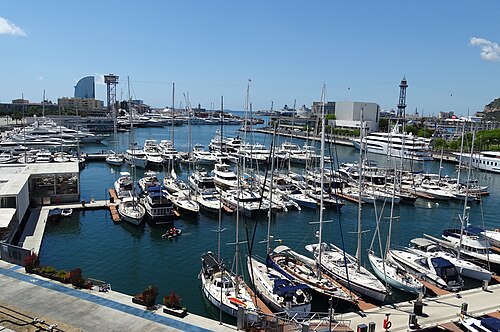
Port Vell
Port Vell is Barcelona’s historic old harbour at the lower end of La Rambla. The waterfront was reshaped for the 1992 Olympic Games, turning former industrial docks into a lively district of promenades, boats, restaurants, and attractions.
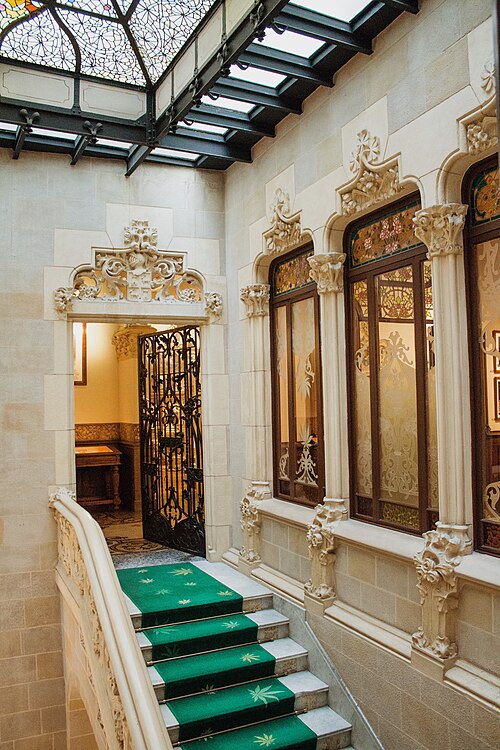
Museu de la Marihuana
The Hash Marihuana & Hemp Museum in Barcelona is a specialized museum dedicated to the history and culture of cannabis, hemp, and their uses.
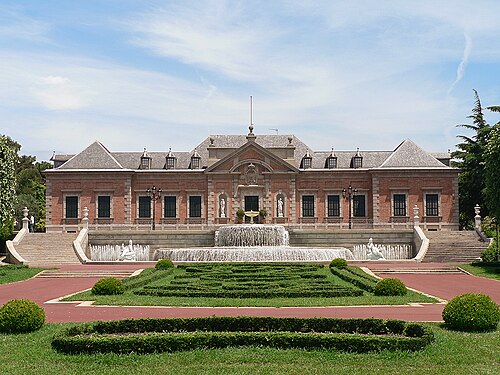
Palauet Albéniz
Palace of Albéniz, or Palauet Albéniz, is a palace near Montjuïc associated with Barcelona's official and ceremonial life. Its name honours the composer Isaac Albéniz and places the building within Catalonia's wider cultural landscape.
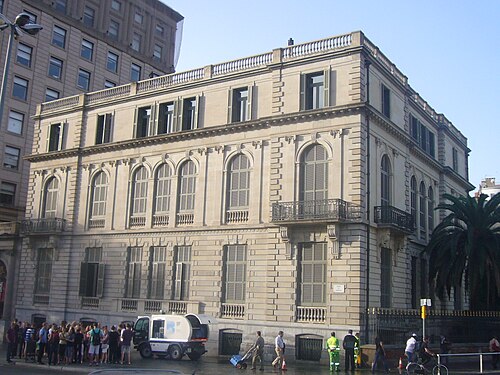
Palau Robert is a cultural centre and exhibition hall located on Barcelona's Passeig de Gràcia in the Eixample district.
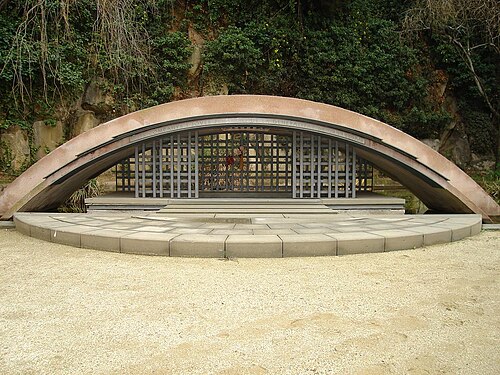
El Fossar de la Pedrera
Fossar de la Pedrera is a memorial and cemetery landscape on Montjuïc, Barcelona. The former quarry is connected with victims of the Spanish Civil War and Franco-era repression, making it one of the city’s most serious places of remembrance.

Casa Padellàs
Padellàs’s House, also known as Casa Padellàs, is a historic residence in Barcelona’s Gothic Quarter. Its architecture belongs to the city’s layered Catalan heritage and reflects the domestic world of prosperous merchant families.
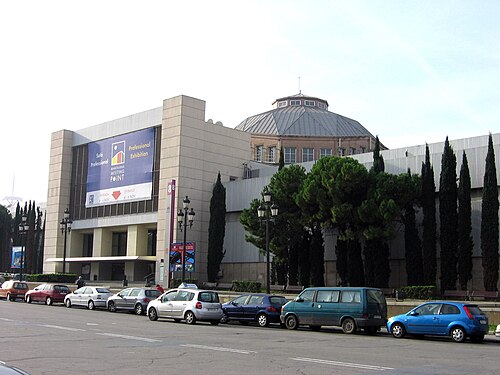
Palau de la Metal·lúrgia is a historic exhibition building in Barcelona’s Montjuïc area, within the Fira de Barcelona complex. Built for the 1929 International Exposition, it presented the metallurgy industry and remains linked to Barcelona’s long tradition of international fairs.
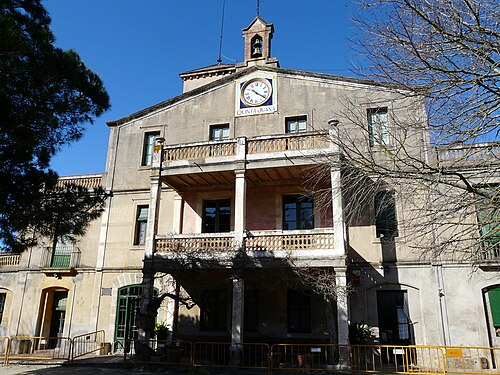
Vil·la Joana is a historic villa in Barcelona’s wider cultural landscape. Its value for travellers lies in the character of a preserved residential building and the chance to encounter architecture away from the city’s busiest landmark routes.
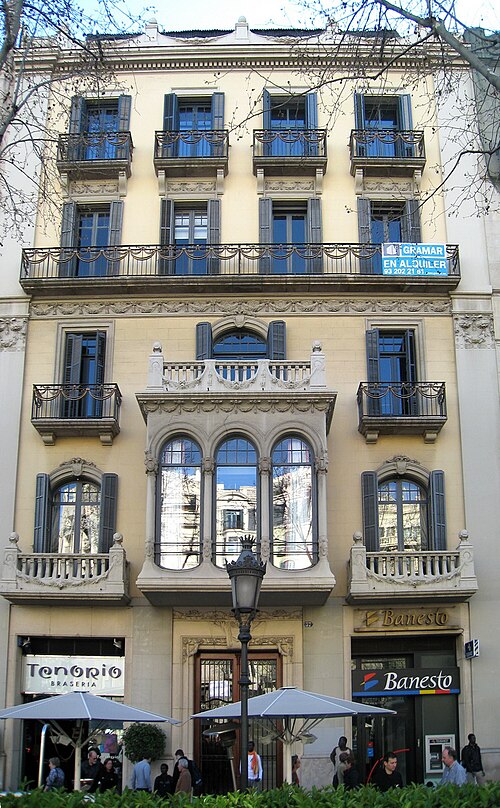
Casa Mulleras is a named Barcelona building identified by the mapped footprint at way/679019119.
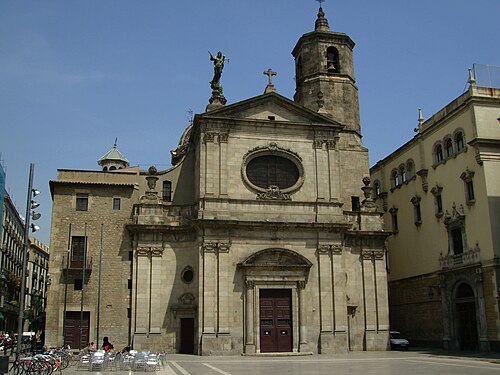
Basílica de la Mercè
The Basilica of Our Lady of Mercy is a Baroque church in Barcelona’s Gothic Quarter, close to the port and the historic centre. Dedicated to the Virgin of Mercy, patroness of Barcelona, it remains an active place of worship.
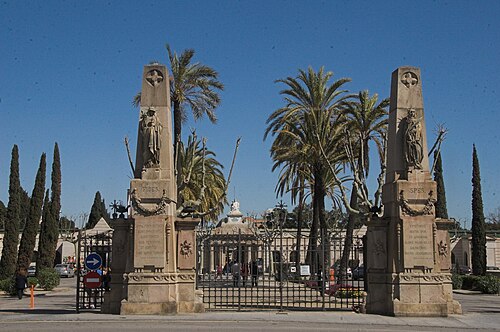
Cementiri del Poblenou
Poblenou Cemetery, known locally as Cementiri del Poblenou, is a historic burial ground in Barcelona. Established in the 18th century, it represents one of the city's oldest cemeteries and serves as a significant cultural landmark.
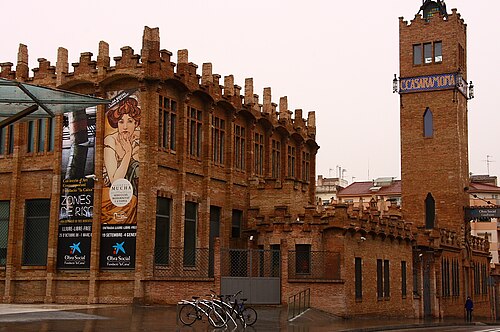
CaixaForum Barcelona is a cultural centre on Montjuïc, housed in a former modernist factory designed by Josep Puig i Cadafalch.
Ciutat Vella is the historic nucleus beside the old harbour. La Rambla separates the Gothic Quarter and La Ribera from El Raval, while Barceloneta occupies the seaward edge. North of the old city, the broad Eixample grid carries much of Barcelona's Modernista architecture, including the Passeig de Gràcia corridor and the Sagrada Família area. Montjuïc rises southwest of the centre with museums, gardens and Olympic sites. Gràcia and Poblenou reward separate neighbourhood visits rather than being treated as extensions of the Gothic core.
Checked 2026-08-26
Walk within Ciutat Vella and along the central Eixample corridors, then use metro or bus between neighbourhood clusters. TMB operates the main urban network, and its metro connects the city's districts and principal visitor areas. Line 9 Sud links the airport with the metro system. The integrated visitor products described by TMB also cover buses and other participating services, but airport and regional journeys can have different ticket conditions. Check the operator's current route and fare information before choosing a pass.
Checked 2026-08-26

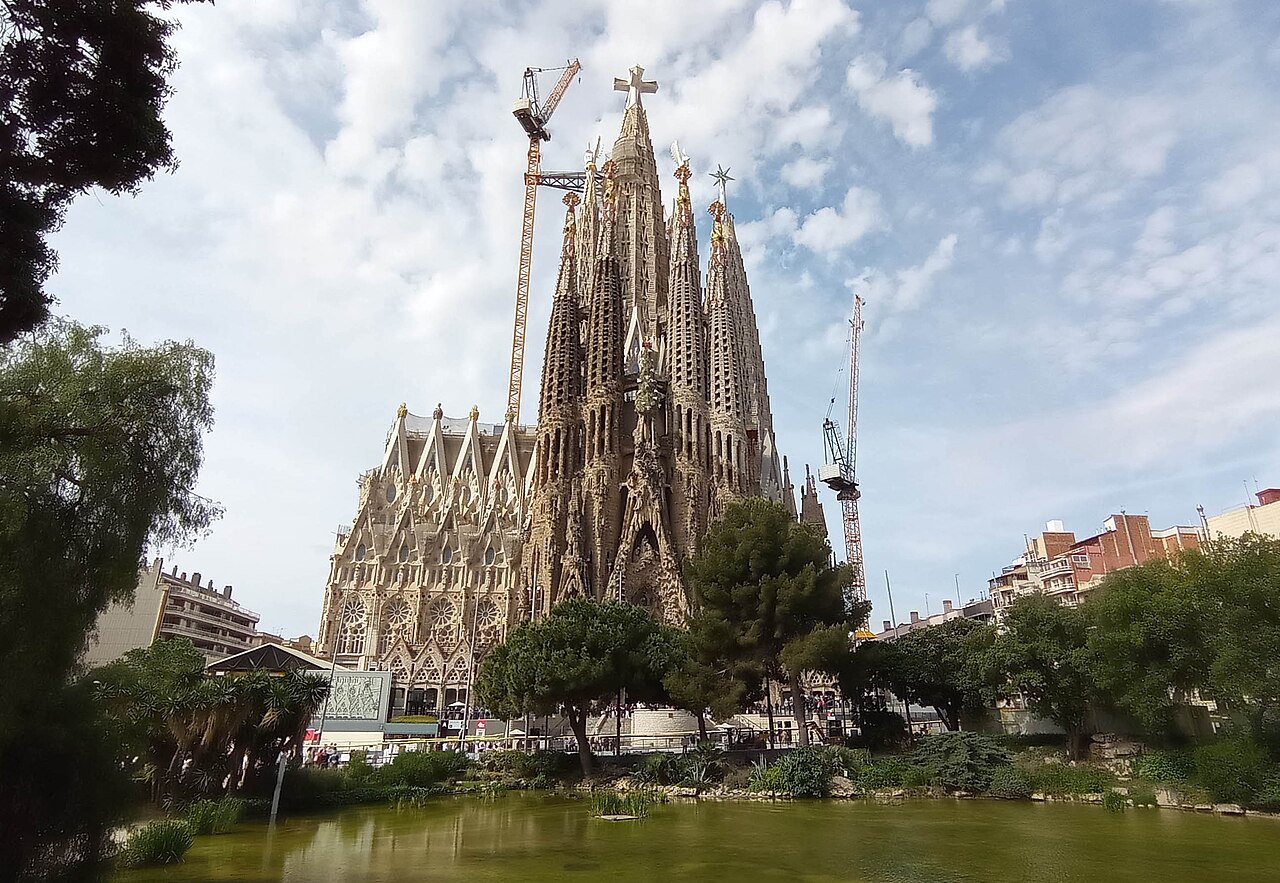
Suggested stay for a first visit: 3–4 days. Build the visit by clusters: Ciutat Vella and the waterfront, the Eixample Modernista sites, Montjuïc, then Gràcia or another outer neighbourhood if time remains.
Ciutat Vella contains the Gothic Quarter, La Ribera, El Raval and Barceloneta. It is compact enough to explore mainly on foot, although the lanes are irregular and major roads form useful boundaries.
Use the TMB metro for longer cross-city trips and walk within each sightseeing cluster. Buses are useful where a direct metro connection is inconvenient or where the street-level view matters.
Yes. TMB identifies Line 9 Sud as the airport connection into the metro network. Check the current ticket conditions because airport journeys can be treated differently from ordinary urban travel.
Treat Montjuïc as a separate cluster. Its museums, gardens, viewpoints and Olympic sites sit southwest of the historic centre and are better combined with dedicated transport than folded into a Ciutat Vella walk.


