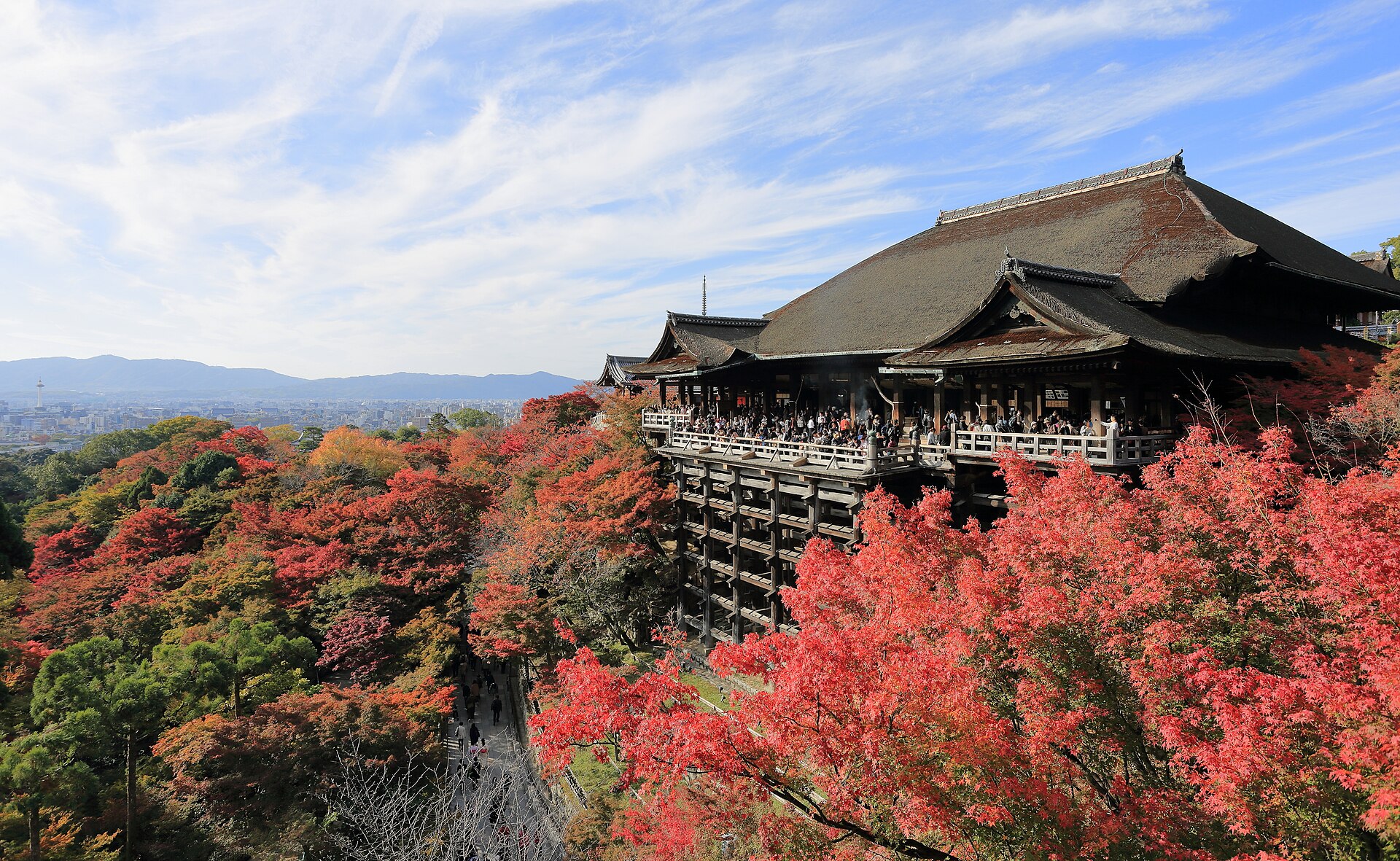
A photograph of Japan

Country guide

Places to visit in Japan — page 7

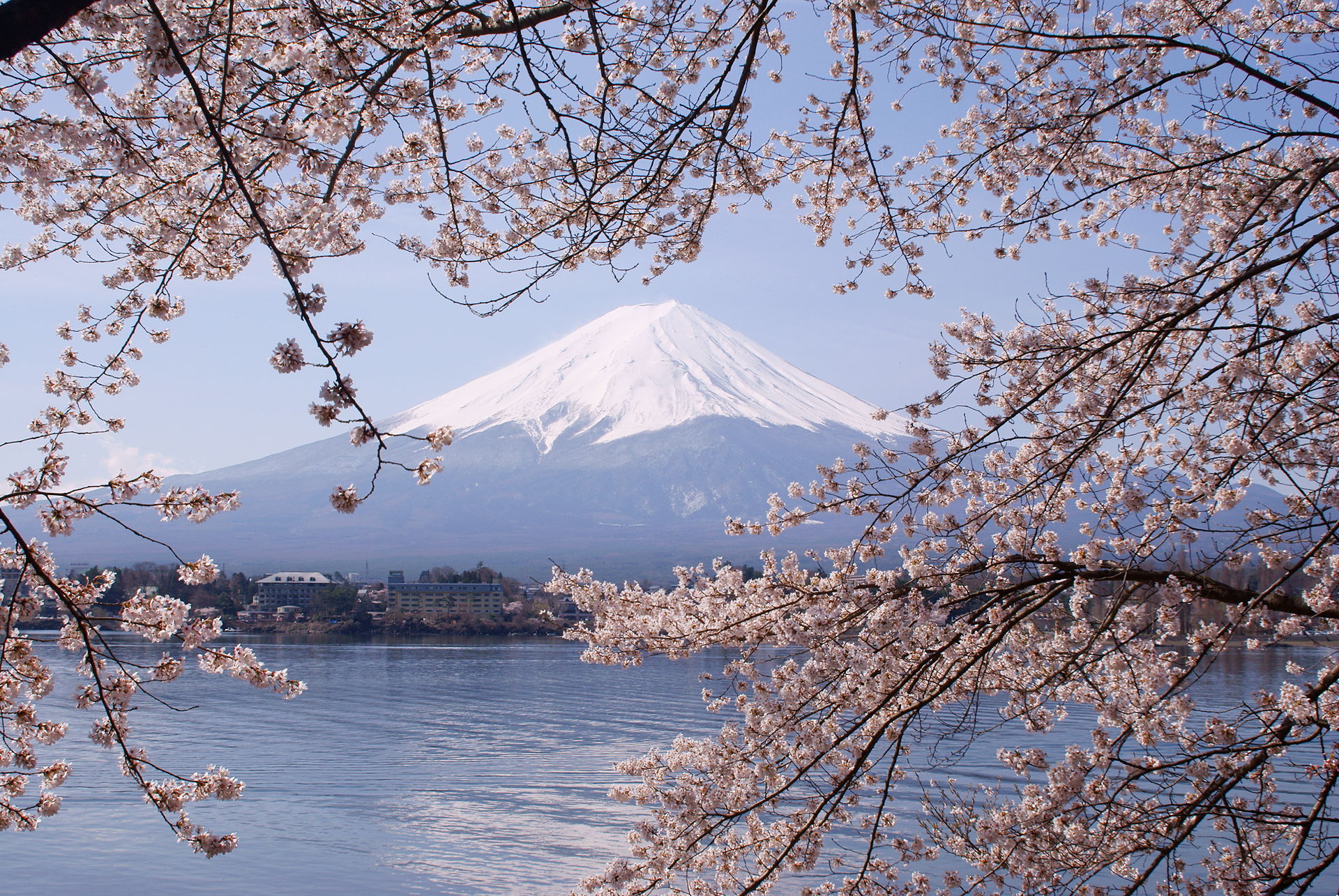
Around three quarters of Japan is mountain and forest, which pushes almost everyone onto the eastern coastal plains and makes the country far narrower in practi...

Photograph · Midori · CC BY 3.0

47,395 Places
3Cities

Reviewed by Elena Voss · Roavina Travel Editor

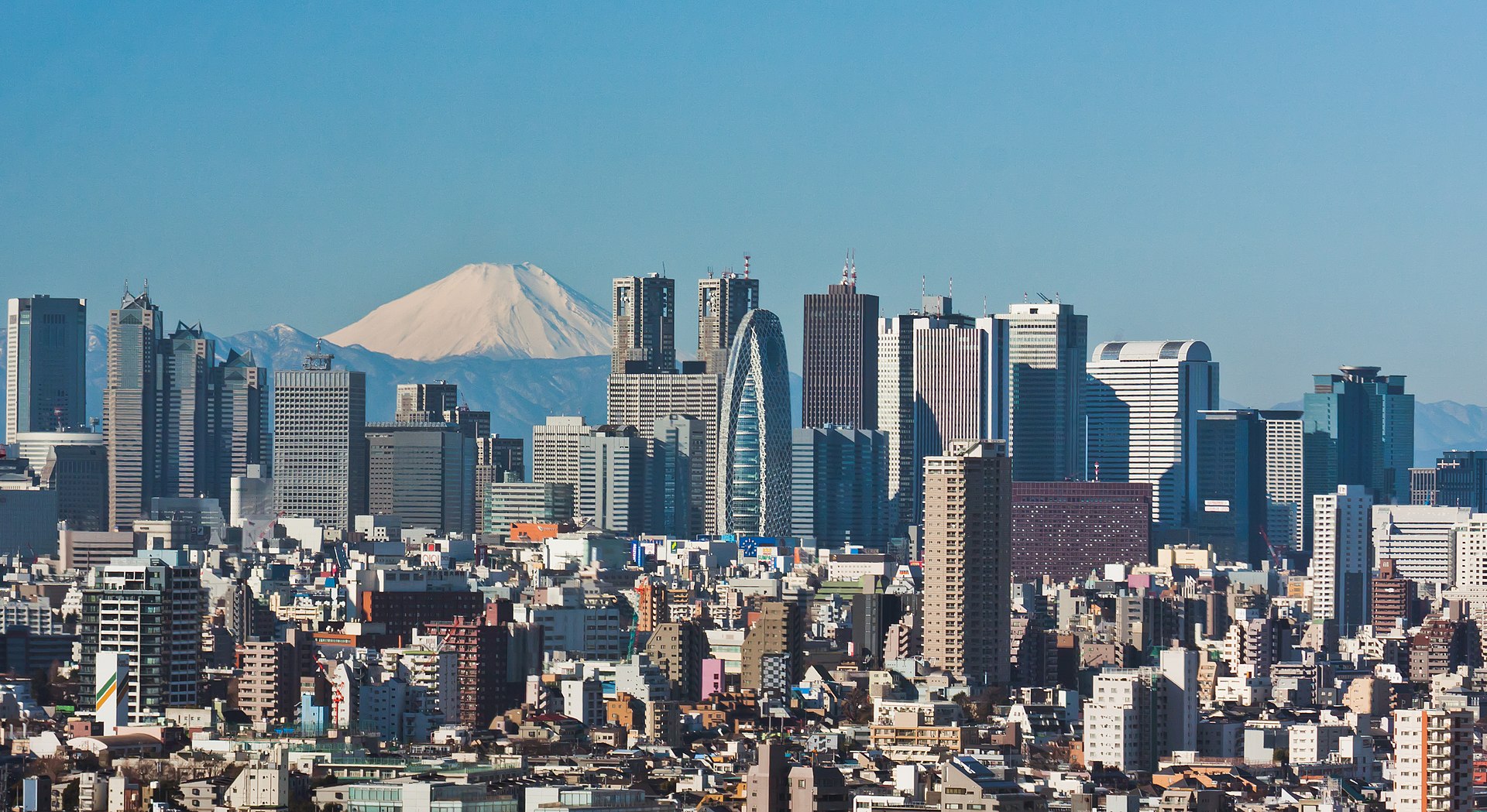
Around three quarters of Japan is mountain and forest, which pushes almost everyone onto the eastern coastal plains and makes the country far narrower in practice than 377,975 km2 suggests. Forty-seven prefectures, eight traditional regions and more than 14,000 smaller islands, and yet a first visit usually runs along a single rail corridor with Tokyo at one end and Kyoto and Osaka at the other. Tokyo is the capital and largest city of a country of almost 123 million people. Hokkaido in the north and Okinawa in the south are different climates rather than day trips, and both need their own week.

Checked 2026-08-25

Cities

Every city catalogued in this country so far, ranked by how much there is to see.

Practical information

Language spoken
Japanese
National practical orientation; regional and minority languages may also be used
Dialling code
+81
International calling code; local area and mobile prefixes still apply
Currency
Japanese yen (JPY)
Use the official local currency; card acceptance varies by place
Emergency number
110 police · 119 fire and ambulance
Use only for an emergency; tourist assistance may use a separate number
Plug type
Type A · 100 V
Check that chargers support the recorded voltage before using an adapter
Tap water
Safe from the mains
JNTO states that tap water is safe to drink

Top things to see

Ranked by importance — sitelinks, pageviews and heritage status, not editor preference.

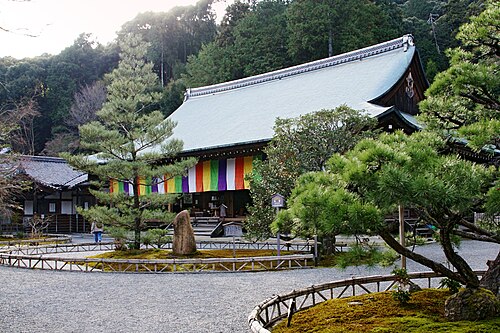
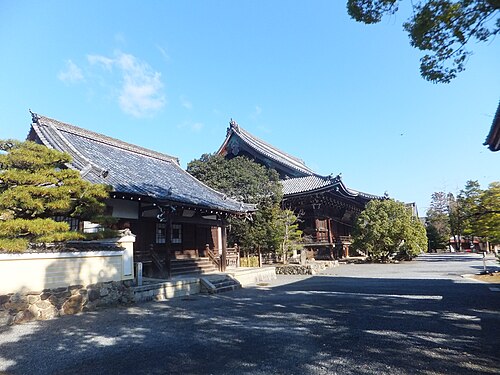
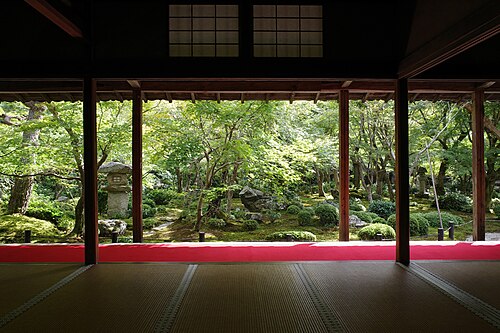
  1. Enkō-ji Temple Enkō-ji Temple
    151 30 min

    Enkō-ji Temple

    円光寺

    Enko-ji is a Buddhist temple in Kyoto, Japan. The temple belongs to the Rinzai school of Zen Buddhism and holds historical significance in the city's religious landscape.

    • High
    • Place of worship
    • Kyoto
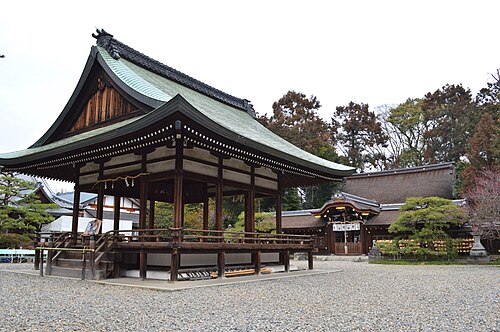
  2. Namba-yasaka Shrine Namba-yasaka Shrine
    152 30 min

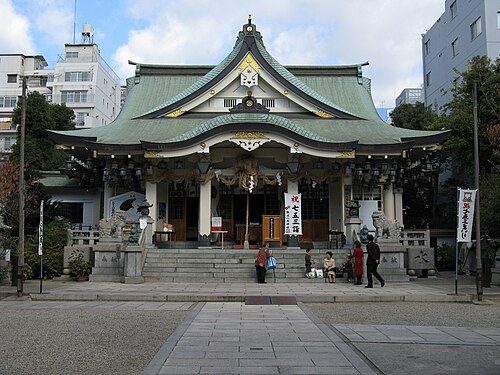
    Namba-yasaka Shrine

    難波八坂神社

    Namba Yasaka Shrine is a Shinto shrine located in the Namba district of Osaka, Japan. It is notable for its distinctive lion-head stage, which serves as the shrine's most recognizable feature.

    • High
    • Place of worship
    • Osaka
  3. Hanayashiki Hanayashiki
    153 2 hours

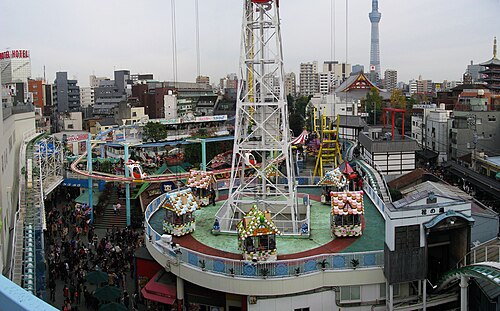
    Hanayashiki

    浅草花やしき

    Asakusa Hanayashiki is a historic amusement park located in the Asakusa district of Tokyo. Established in the mid-19th century, it claims distinction as one of Japan's oldest surviving amusement parks.

    • High
    • Entertainment venue
    • Tokyo
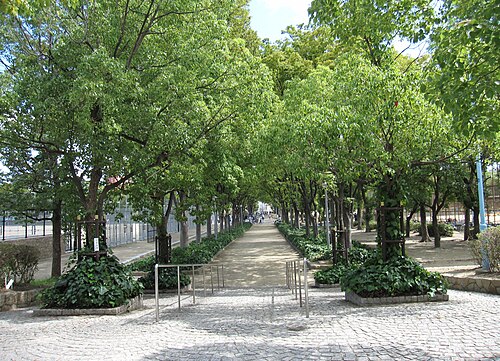
  4. Amagasakikō Station Amagasakikō Station
    154 1 hour

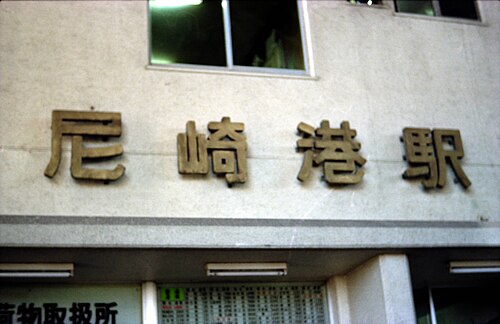
    Amagasakikō Station

    南城内緑地

    Amagasakikō Station is a railway station in Amagasaki, Hyōgo Prefecture, within the wider Osaka metropolitan area. Its principal role is transport: passengers use it to move through a dense corridor linking residential, industrial, and urban districts.

    • High
    • Nature site
    • Osaka
  5. Osaka City Sewerage Science Museum Osaka City Sewerage Science Museum
    155 1 hr 30 min

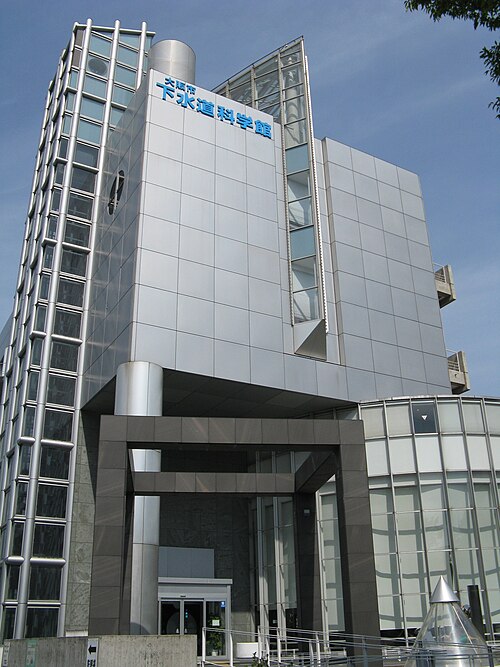
    Osaka City Sewerage Science Museum

    大阪市下水道科学館

    Osaka City Sewerage Science Museum is a public educational museum devoted to urban wastewater management. Its subject connects engineering, public health, environmental responsibility, and the practical systems that allow a dense city to function.

    • High
    • Museum
    • Osaka
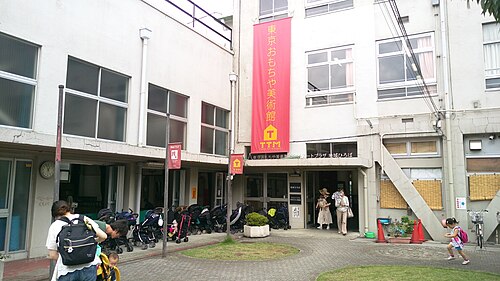
  6. Tokyo Toy Museum Tokyo Toy Museum
    156 1 hr 30 min

    Tokyo Toy Museum

    Tokyo Toy Museum, known locally as 東京おもちゃ美術館, is a specialist cultural venue centred on toys, play, craftsmanship and design.

    • High
    • Museum
    • Tokyo
  7. Atago Shrine Atago Shrine
    157 30 min

    Atago Shrine

    愛宕神社

    Atago Shrine is a Shinto shrine located in the Minato ward of Tokyo, Japan. The shrine sits atop Atago Hill, which rises approximately 26 meters above sea level, making it one of the highest natural points in central Tokyo.

    • High
    • Place of worship
    • Tokyo
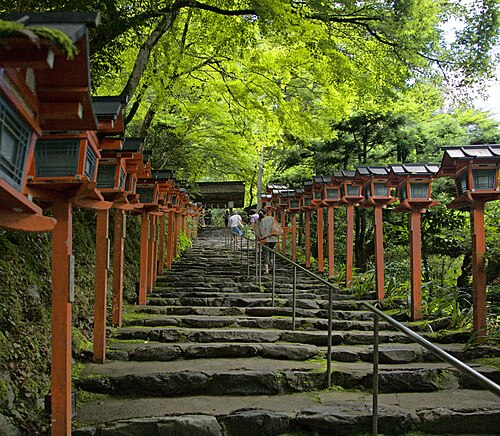
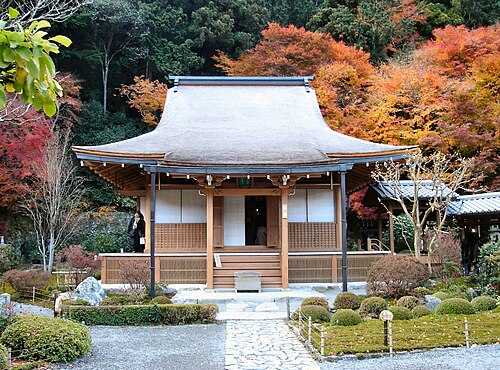
  8. Kifune Shrine Kifune Shrine
    158 30 min

    Kifune Shrine

    貴船神社

    Kifune Shrine is a Shinto shrine located in the mountainous northern outskirts of Kyoto, Japan.

    • High
    • Place of worship
    • Kyoto
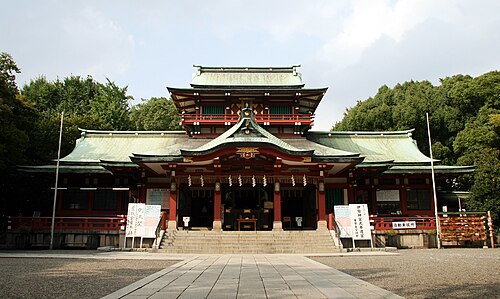
  9. Tomioka Hachiman Shrine Tomioka Hachiman Shrine
    159 30 min

    Tomioka Hachiman Shrine

    富岡八幡宮

    Tomioka Hachimangu is a Shinto shrine located in the Fukagawa district of Koto Ward, Tokyo. Founded in 1627, it is one of the most significant Hachiman shrines in the city.

    • High
    • Place of worship
    • Tokyo
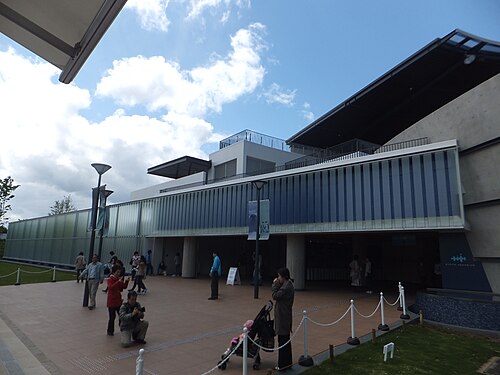
  10. Kyoto Aquarium Kyoto Aquarium
    160 1 hr 30 min

    Kyoto Aquarium

    京都水族館

    Kyoto Aquarium is a public aquarium in Kyoto, offering a modern marine-life experience alongside the city’s temples, shrines, gardens, and historic neighborhoods.

    • High
    • Family attraction
    • Kyoto
  11. Tennōji Zoo Tennōji Zoo
    161 1 hr 30 min

    Tennōji Zoo

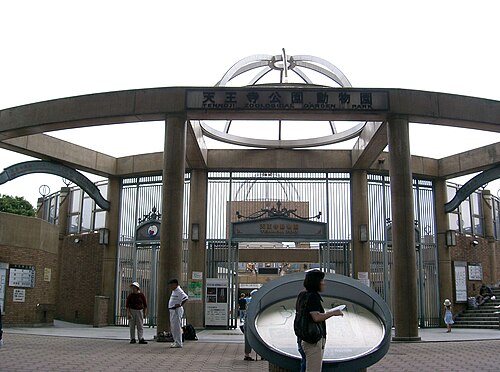
    天王寺動物園

    Tennoji Zoo is a zoological garden located in Osaka, Japan. Established in 1915, it is one of the oldest zoos in the country. The zoo occupies a position within Tennoji Park in the southern part of Osaka city.

    • High
    • Family attraction
    • Osaka
  12. Fujinomori Shrine Fujinomori Shrine
    162 30 min

    Fujinomori Shrine

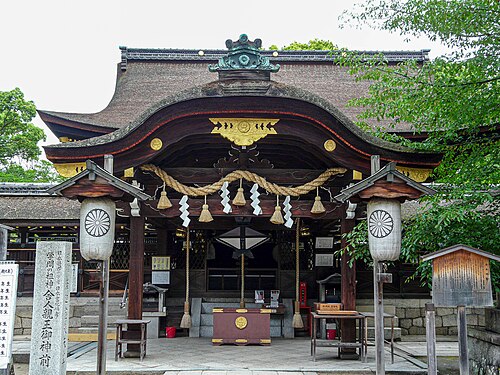
    藤森神社

    Fujinomori Shrine is a Shinto shrine in Kyoto and a place where religious practice, traditional architecture and local cultural life meet. Visitors encounter an active sacred setting rather than a purely historical monument.

    • High
    • Place of worship
    • Kyoto
  13. Dōtonbori Bridge Dōtonbori Bridge
    163 45 min

    Dōtonbori Bridge

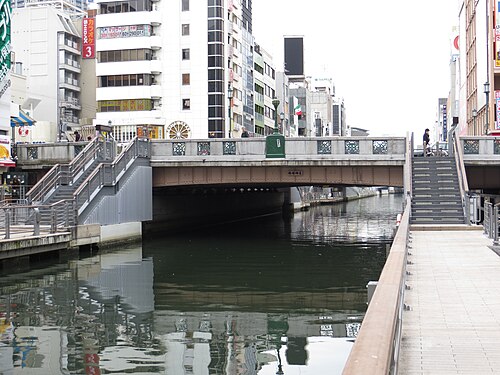
    道頓堀橋

    Dōtonbori Bridge is a pedestrian crossing spanning the Dōtonbori Canal in Osaka's Namba district. The bridge sits at the heart of one of Japan's most famous entertainment and dining areas.

    • High
    • Historic monument
    • Osaka
  14. Keage Incline Keage Incline
    164 45 min

    Keage Incline

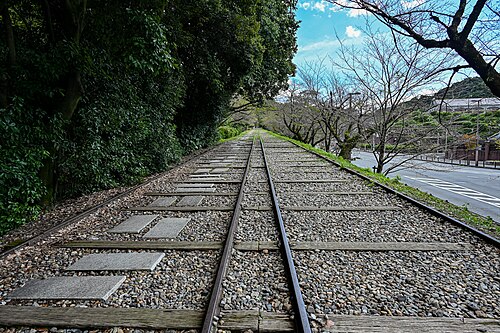
    蹴上インクライン

    Keage Incline is a preserved railway incline in Kyoto’s Higashiyama area. It formed part of the Lake Biwa Canal system, where a funicular railway moved boats between different water levels.

    • High
    • Historic monument
    • Kyoto
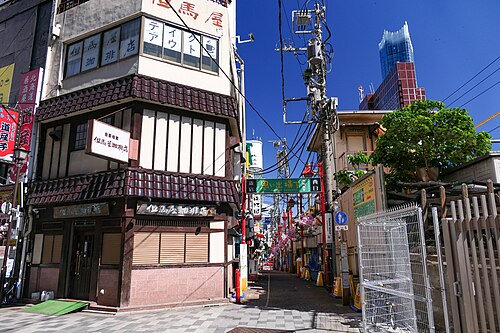
  15. Omoide Yokochō Omoide Yokochō
    165 45 min

    Omoide Yokochō

    思い出横丁

    Omoide Yokocho, whose local name is 思い出横丁, is a narrow alleyway district in Tokyo known for its dense cluster of small eateries and drinking establishments.

    • High
    • Historic monument
    • Tokyo
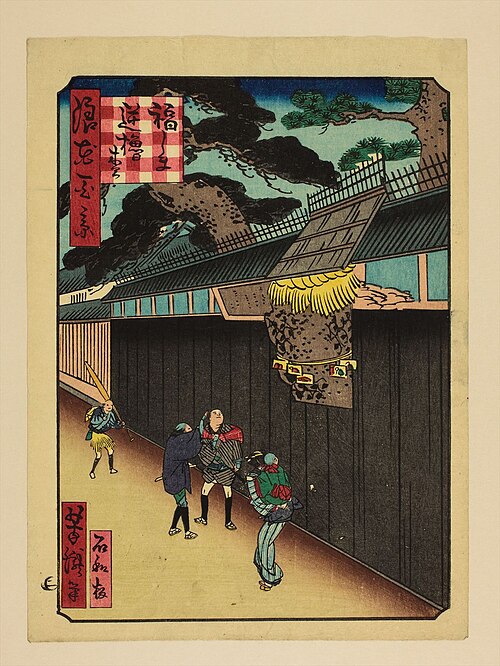
  16. Sakaro no Matsu Sakaro no Matsu
    166 45 min

    Sakaro no Matsu

    逆艪の松

    Sakaro no Matsu, known locally as 逆艪の松, is a visitor place in Osaka with a name connected to a pine and nautical imagery.

    • High
    • Historic monument
    • Osaka
  17. 奥田家住宅
    167 45 min

    奥田家住宅

    The Okuda Family Residence, 奥田家住宅, is a historic Japanese home in Osaka. Its value lies in domestic architecture and the chance to encounter a preserved residential setting within a city better known for commerce, food, and modern movement.

    • High
    • Historic monument
    • Osaka
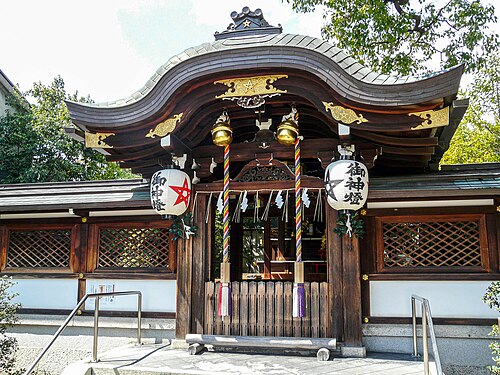
  18. Seimei Shrine Seimei Shrine
    168 30 min

    Seimei Shrine

    晴明神社

    Seimei Shrine is a Shinto shrine in Kyoto dedicated to Abe no Seimei, the Heian-period onmyoji associated with traditional Japanese esoteric cosmology.

    • High
    • Place of worship
    • Kyoto
  19. Nison-in Temple Nison-in Temple
    169 30 min

    Nison-in Temple

    二尊院

    Nison-in is a Buddhist temple situated in the Arashiyama district of western Kyoto, Japan. The temple belongs to the Obaku school of Zen Buddhism and holds historical significance dating back centuries.

    • High
    • Place of worship
    • Kyoto
  20. Seiryō-ji Temple Seiryō-ji Temple
    170 30 min

    Seiryō-ji Temple

    清凉寺

    Seiryo-ji is a Buddhist temple in Arashiyama, western Kyoto, and a useful stop for travellers exploring the district beyond its best-known paths.

    • High
    • Place of worship
    • Kyoto
  21. Umenomiya Taisha Umenomiya Taisha
    171 30 min

    Umenomiya Taisha

    梅宮大社

    Umenomiya Taisha is a Shinto shrine in Kyoto and part of the city’s extensive religious heritage. It is a place of worship as well as a destination for visitors interested in Japanese shrine architecture and customs.

    • High
    • Place of worship
    • Kyoto
  22. Jakkō-in Jakkō-in
    172 30 min

    Jakkō-in

    寂光院

    Jakko-in is a Buddhist temple in Kyoto, Japan, and a quiet religious destination within the city’s wider landscape of historic temples.

    • High
    • Place of worship
    • Kyoto
  23. Izuo Park Izuo Park
    173 1 hour

    Izuo Park

    泉尾公園

    Izuo Park, also known locally as 泉尾公園, is a public park in Osaka.

    • High
    • Nature site
    • Osaka
  24. Japan Folk Art Museum Japan Folk Art Museum
    174 1 hr 30 min

    Japan Folk Art Museum

    日本工芸館

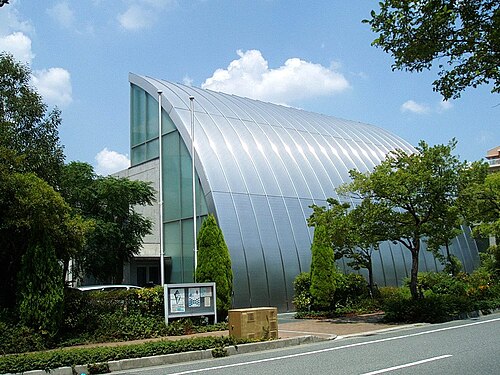
    Japan Folk Art Museum, known locally as 日本工芸館, is an Osaka museum devoted to traditional Japanese crafts and folk art.

    • High
    • Museum
    • Osaka
  25. Nishinomiya Shell Museum Nishinomiya Shell Museum
    175 1 hr 30 min

    Nishinomiya Shell Museum

    西宮市貝類館

    Nishinomiya Shell Museum, known locally as 西宮市貝類館, is a specialist museum devoted to shells and mollusks. It is located in Nishinomiya, within the wider Osaka metropolitan region rather than Osaka city proper.

    • High
    • Museum
    • Osaka

Source: OpenStreetMap contributors, Wikidata ·

Common questions

How long should a first trip to Japan be?

Ten to fourteen days supports four or five days in Tokyo, three or four in Kyoto, and two or three in Osaka. Add Nara or Himeji only after those bases have enough time, and avoid turning every rail stop into a hotel change.

What entry documents are needed for Japan?

Japan's visa exemption or visa requirement depends on passport and travel purpose. Confirm the current rule through Japan's Ministry of Foreign Affairs or the embassy responsible for the traveller's residence.

What is the best way to travel around Japan?

The Tokaido Shinkansen links Tokyo, Kyoto, and Osaka, while local rail and buses cover city travel. An IC card simplifies many local journeys but does not replace every reserved long-distance ticket, and luggage forwarding can reduce friction between bases.

When is a practical time to visit Japan?

March to May and October to November are broad options for the main-island route, with blossom and autumn periods creating concentrated demand. Confirm regional weather and reservations for the exact cities rather than assuming one national season behaves uniformly.

What money and payment basics apply in Japan?

Japan uses the yen (JPY). Electronic payment is common but not universal, so carry some yen for smaller businesses, ticket machines, or rural transport without assuming that one stored-value card works for every purchase.

What practical safety details should I save for Japan?

Japan's emergency numbers are 110 for police and 119 for fire or ambulance. Type A sockets operate at 100 V, which is lower than in the other wave-A countries, and mains tap water is recorded as safe.