A photograph of Rome

City guide · Italy

Places to visit in Rome, Italy — page 4

Rome is a broad historic city whose central archaeological, papal and baroque districts are close enough to walk but too dense to compress into one route. The C...

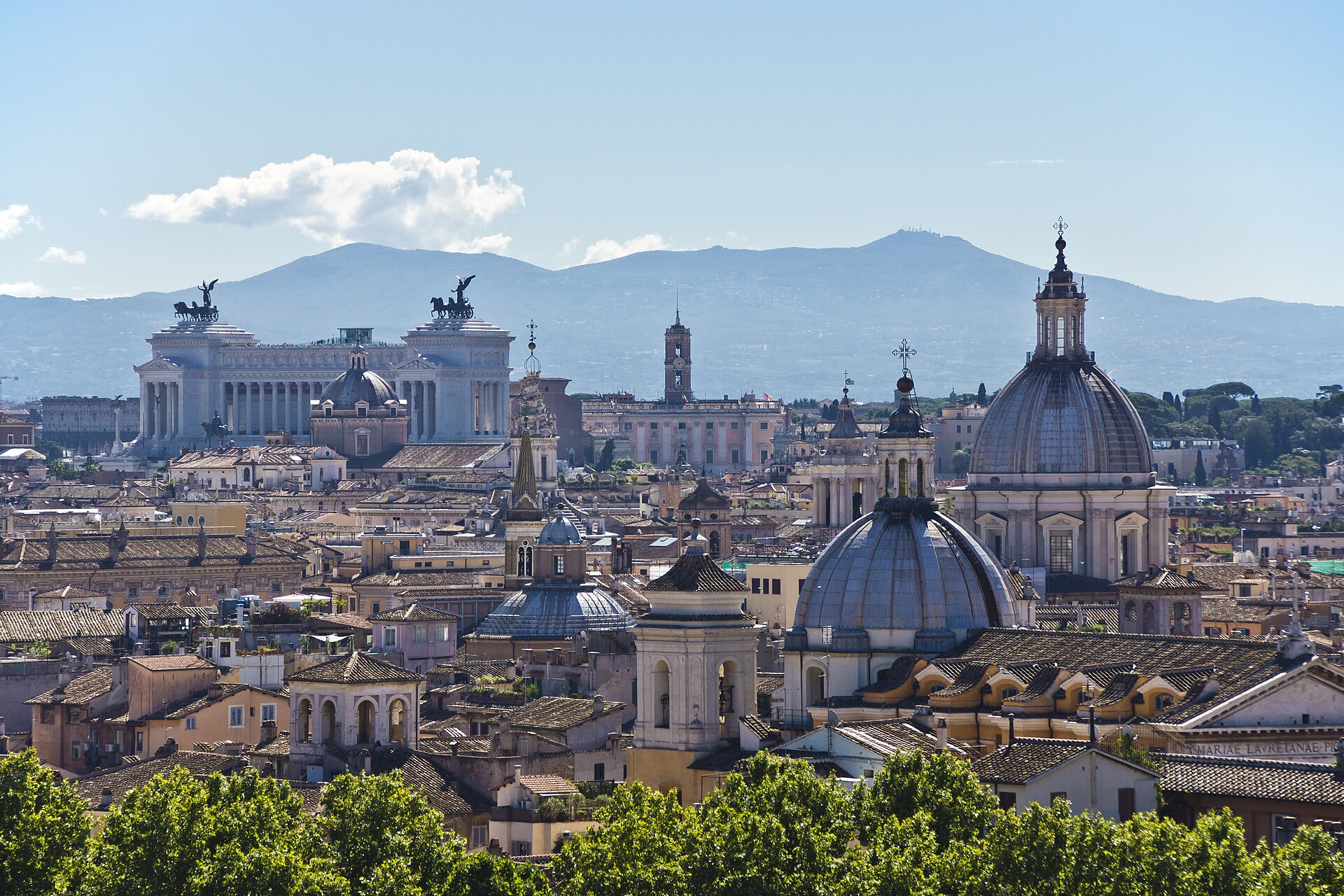
Photograph · Bert Kaufmann from Roermond, Netherlands · CC BY-SA 2.0

11,533 Places
Suggested stay
4–5 days
Getting around
Walking, metro, tram and bus

Turn this list into a plan

Set your days, your pace and the hours you actually want to be out. The planner works around closing days and travel time, and leaves room to eat.

Plan Rome

Editorial responsibility: Elena Voss · Roavina Travel Editor

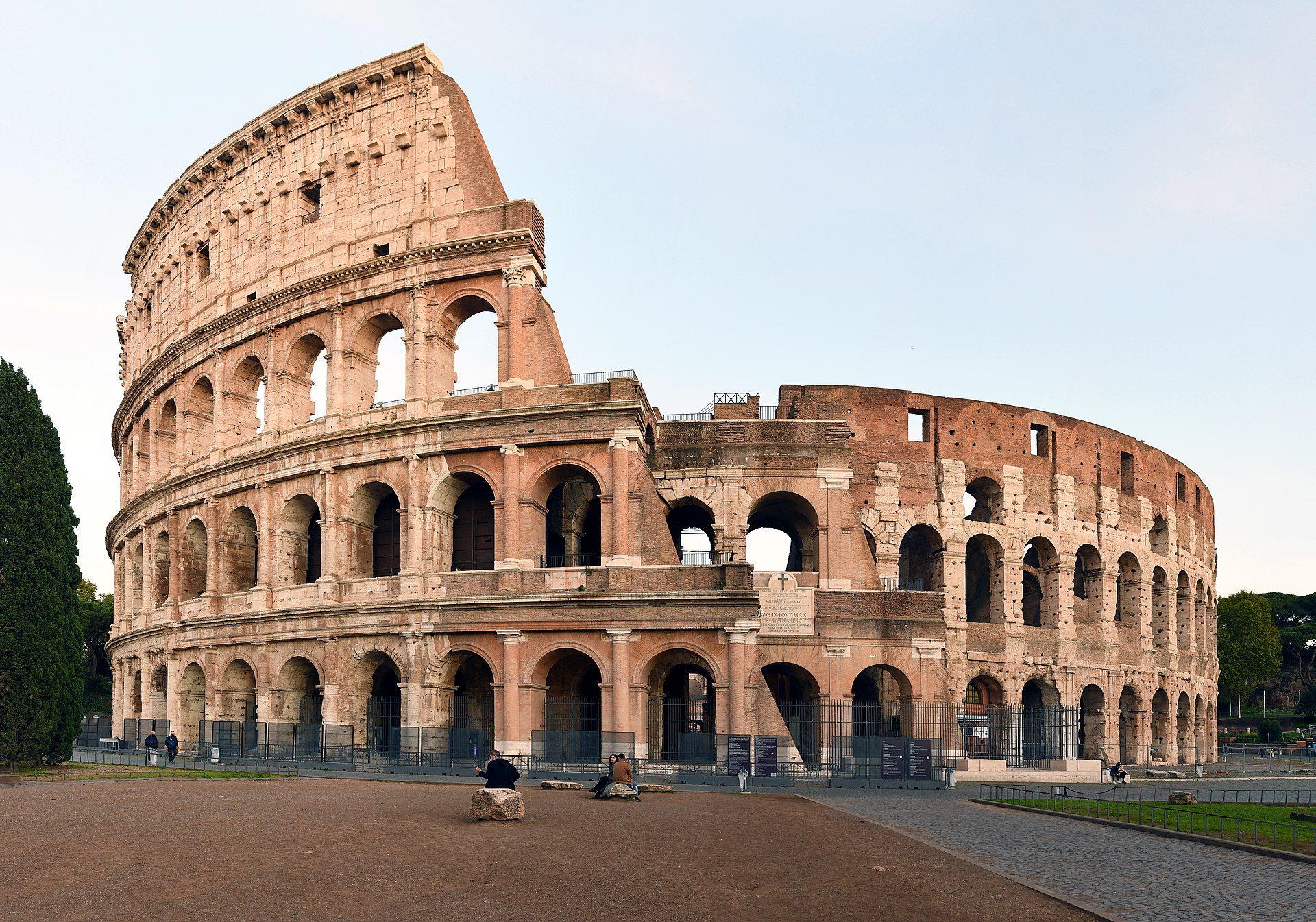
Rome is a broad historic city whose central archaeological, papal and baroque districts are close enough to walk but too dense to compress into one route. The Colosseum and forums, the Pantheon-Navona core, Vatican-Prati and Trastevere form separate clusters. Public transport handles longer links, yet much of a visit still happens on foot over uneven surfaces. Plan fewer major interiors per day and keep each route on one side of the Tiber where possible.

Checked 2026-08-26

Practical information

Language spoken
Italian
National practical orientation; regional and minority languages may also be used
Dialling code
+39
International calling code; local area and mobile prefixes still apply
Currency
Euro (EUR)
Use the official local currency; card acceptance varies by place
Emergency number
112
Use only for an emergency; tourist assistance may use a separate number
Plug type
Type C, F and L · 230 V
Check that chargers support the recorded voltage before using an adapter
Tap water
Not recorded
No verified nationwide visitor statement was recorded

Planning a visit

November · November brings Rome a 15.9°C mean high and its wettest normal month at 115.4 mm over 9.7 days.

  1. January: viable with meaningful trade-offs
  2. February: viable with meaningful trade-offs
  3. March: good time to visit
  4. April: good time to visit
  5. May: best time to visit
  6. June: best time to visit
  7. July: good time to visit
  8. August: good time to visit
  9. September: best time to visit
  10. October: good time to visit
  11. November: viable with meaningful trade-offs — current month
  12. December: viable with meaningful trade-offs

Sources

Top things to see

Ranked by importance — sitelinks, pageviews and heritage status, not editor preference.

  1. museo di Roma in Trastevere museo di Roma in Trastevere
    76 1 hr 30 min

    museo di Roma in Trastevere

    Museo di Roma in Trastevere

    Museo di Roma in Trastevere occupies a converted historic complex in one of Rome's most characterful quarters. The institution forms part of the broader network of civic museums documenting the capital's social and cultural evolution.

    • High
    • Museum
  2. Domus Romane of Palazzo Valentini
    77 1 hr 30 min

    Domus Romane of Palazzo Valentini

    Domus Romane di Palazzo Valentini

    The Roman Houses at Palazzo Valentini are archaeological remains of ancient Roman domus discovered beneath a Renaissance palace near Piazza Venezia in central Rome.

    • High
    • Museum
  3. Domus Aurea Domus Aurea
    78 45 min

    Domus Aurea

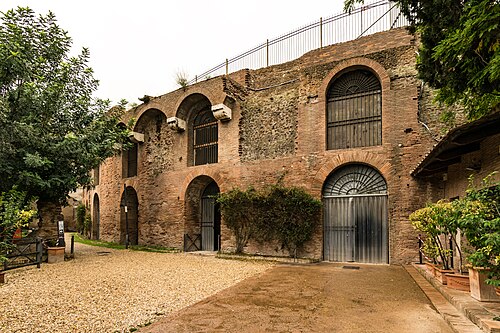
    The Domus Aurea, or Golden House, was the vast palace built by Emperor Nero after the Great Fire of Rome in 64 AD.

    • High
    • Historic site
  4. Oppian Hill Oppian Hill
    79 1 hour

    Oppian Hill

    Parco del Colle Oppio

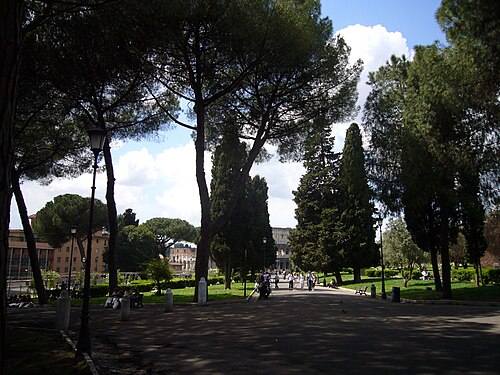
    Oppian Hill Park, or Parco del Colle Oppio, is a public green space on Rome’s historic Oppian Hill in the Monti district.

    • High
    • Nature site
  5. Basilica of San Clemente Basilica of San Clemente
    80 45 min

    Basilica of San Clemente

    Basilica di San Clemente al Laterano

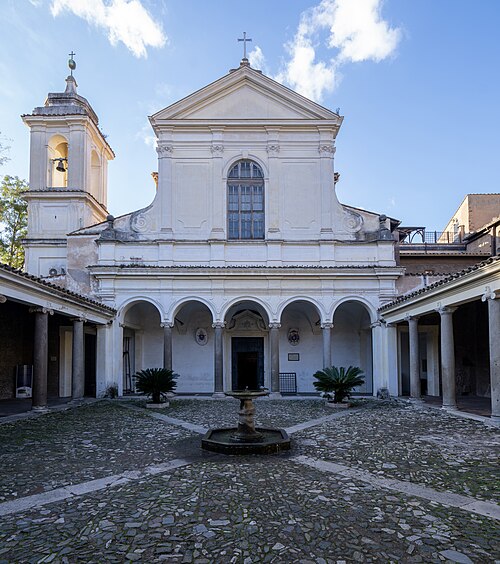
    The Basilica of San Clemente is a layered historical church near the Colosseum in Rome. The present structure dates from the twelfth century, built over a fourth-century basilica, which itself covers Roman-era buildings including a mithraeum.

    • High
    • Historic site
  6. Santa Maria della Vittoria Santa Maria della Vittoria
    81 30 min

    Santa Maria della Vittoria

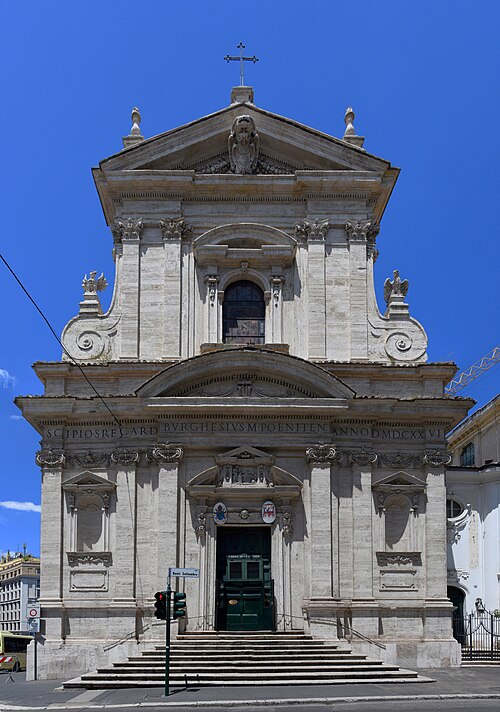
    Santa Maria della Vittoria is an active Discalced Carmelite church on Via XX Settembre in Rome, and the setting of Gian Lorenzo Bernini's Ecstasy of Saint Teresa.

    • High
    • Place of worship
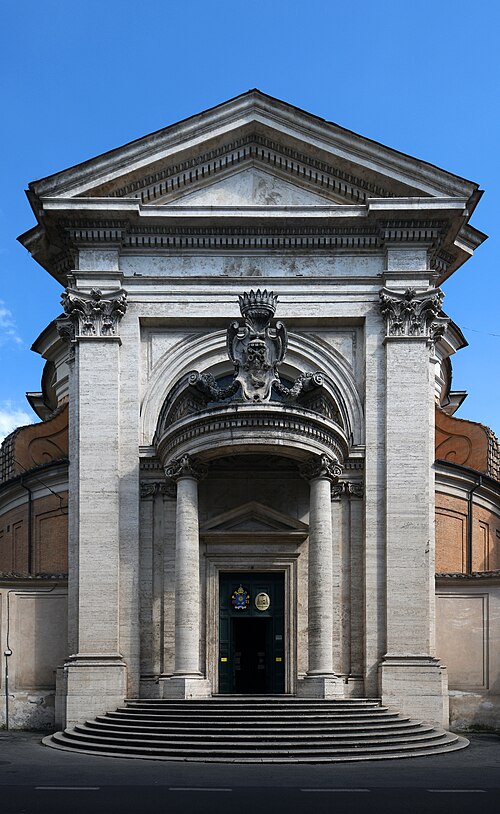
  7. Sant'Andrea al Quirinale Sant'Andrea al Quirinale
    82 45 min

    Sant'Andrea al Quirinale

    Chiesa di Sant'Andrea al Quirinale

    Sant'Andrea al Quirinale is a Jesuit church on Rome’s Quirinal Hill, designed by Gian Lorenzo Bernini and completed in the late seventeenth century. Dedicated to Saint Andrew the Apostle, it is one of Bernini’s most accomplished religious buildings.

    • High
    • Historic site
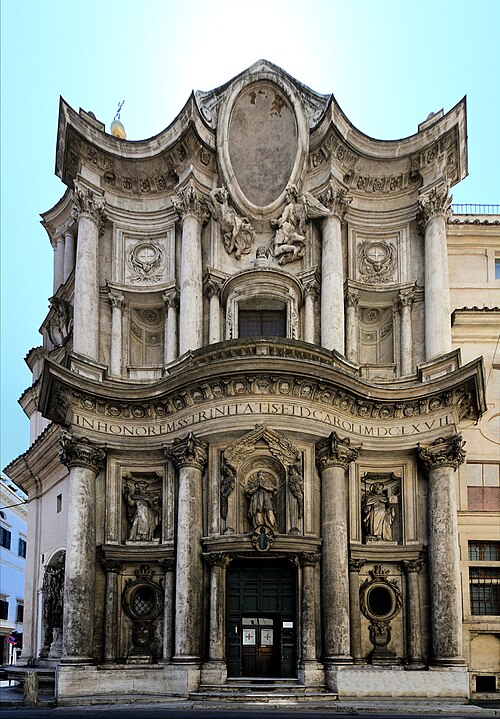
  8. Saint Charles at the Four Fountains Saint Charles at the Four Fountains
    83 30 min

    Saint Charles at the Four Fountains

    San Carlo alle Quattro Fontane

    San Carlo alle Quattro Fontane, known in English as Saint Charles at the Four Fountains, is a Baroque church in Rome designed by Francesco Borromini.

    • High
    • Place of worship
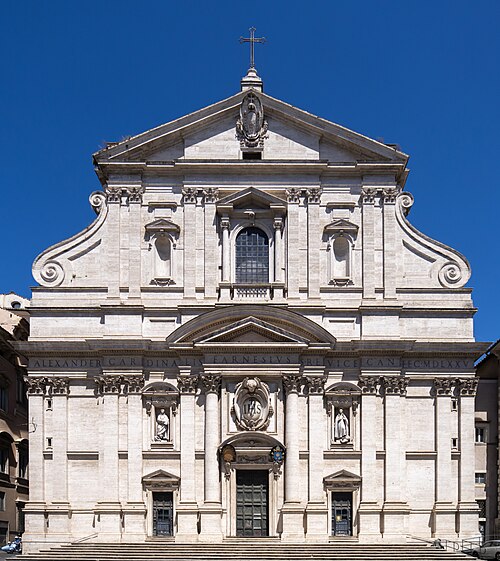
  9. Church of the Gesù Church of the Gesù
    84 30 min

    Church of the Gesù

    Chiesa del Gesù

    The Church of the Gesù, or Chiesa del Gesù, is the mother church of the Society of Jesus in Rome. The church is a major Baroque landmark and an architectural model for Jesuit churches around the world.

    • High
    • Place of worship
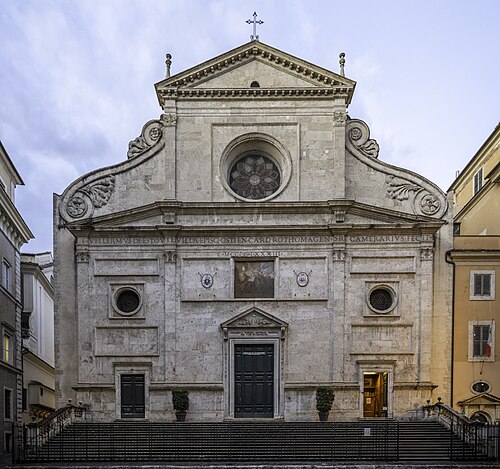
  10. Basilica of Saint Augustine in Campo Marzio Basilica of Saint Augustine in Campo Marzio
    85 30 min

    Basilica of Saint Augustine in Campo Marzio

    Basilica di Sant'Agostino

    The Basilica of Saint Augustine, or Basilica di Sant'Agostino, is a Roman Catholic church near Piazza Navona in Rome's historic centre. Dedicated to Saint Augustine of Hippo, it sits within the Campo Marzio district's dense collection of historic religious buildings.

    • High
    • Place of worship
  11. San Luigi dei Francesi San Luigi dei Francesi
    86 30 min

    San Luigi dei Francesi

    Chiesa di San Luigi dei Francesi

    San Luigi dei Francesi is Rome’s national church of France, located between the Pantheon and Piazza Navona in the historic centre.

    • High
    • Place of worship
  12. Santa Maria sopra Minerva Santa Maria sopra Minerva
    87 45 min

    Santa Maria sopra Minerva

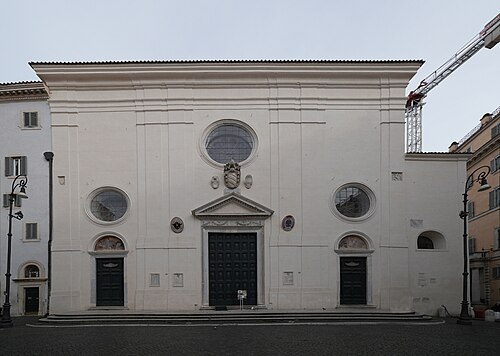
    Basilica di Santa Maria sopra Minerva

    Santa Maria sopra Minerva is an active Dominican basilica at Piazza della Minerva 42, just behind the Pantheon in Rome. Its three-aisled Gothic interior is unusual in a city where many landmark churches are more visibly Renaissance or Baroque.

    • High
    • Place of worship
  13. Santa Prassede Santa Prassede
    88 30 min

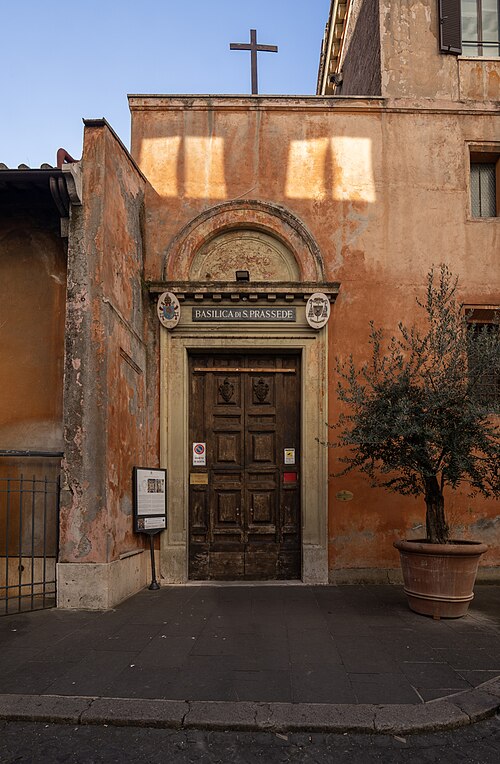
    Santa Prassede

    Basilica di Santa Prassede

    Santa Prassede, known locally as Basilica di Santa Prassede, is a basilica church in Rome. It stands as a historic religious building within the urban fabric of the city.

    • High
    • Place of worship
  14. Quartiere Coppedè Quartiere Coppedè
    89 45 min

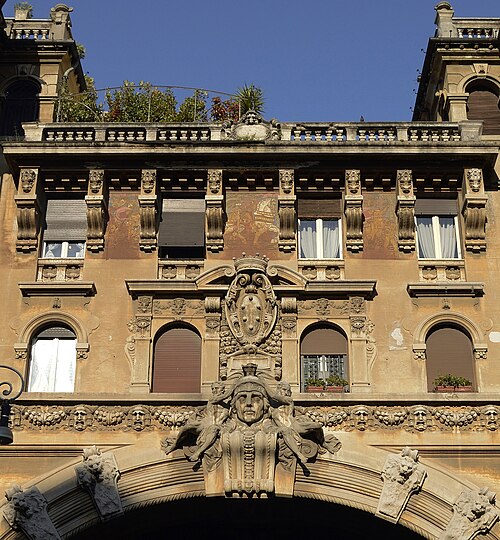
    Quartiere Coppedè

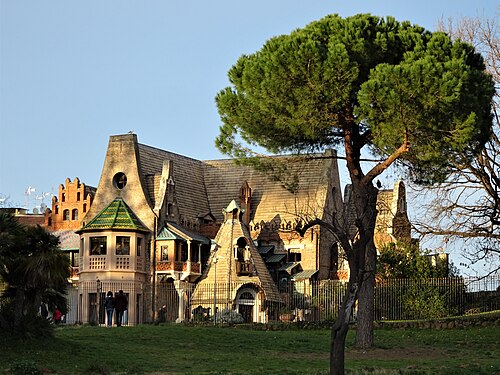
    Quartiere Coppedè is an architectural enclave in Rome's Trieste district, conceived by Florentine architect Gino Coppedè between 1913 and 1927. The quarter spans roughly one block and represents a distinctive fusion of Art Nouveau, medieval, Baroque, and ancient Greek influences.

    • High
    • Historic site
  15. Villa Torlonia Villa Torlonia
    90 1 hour

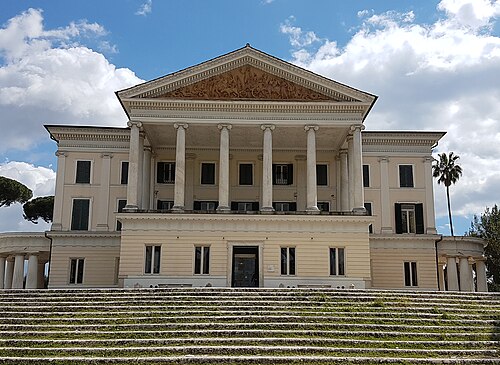
    Villa Torlonia

    Villa Torlonia is a historic villa and public park in Rome, Italy. Originally a noble residence, it became state property and now serves as a cultural site with museums and gardens.

    • High
    • Nature site
  16. Casina delle Civette Casina delle Civette
    91 1 hr 30 min

    Casina delle Civette

    La Casina delle Civette

    The Casina delle Civette, known locally as La Casina delle Civette, is a historic building located within the Villa Torlonia park in Rome.

    • High
    • Museum
  17. Parco degli Acquedotti Parco degli Acquedotti
    92 1 hour

    Parco degli Acquedotti

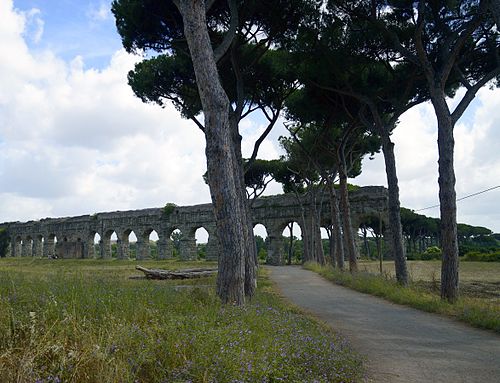
    Parco degli Acquedotti is a public park in Rome's southeastern periphery, named for the ancient Roman aqueducts that traverse its terrain.

    • High
    • Nature site
  18. Tomb of Caecilia Metella Tomb of Caecilia Metella
    93 45 min

    Tomb of Caecilia Metella

    Mausoleo di Cecilia Metella

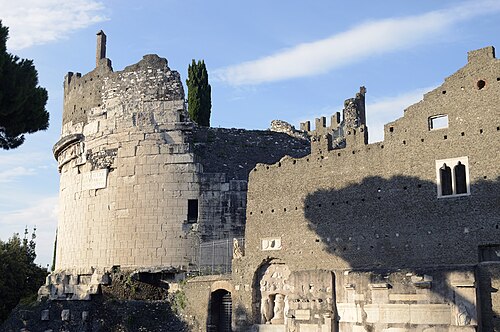
    The Tomb of Cecilia Metella is a monumental cylindrical mausoleum beside the Via Appia Antica. Built in the first century BCE, it commemorates a woman from the powerful Caecilii Metelli family.

    • High
    • Historic site
  19. Villa of the Quintilii Villa of the Quintilii
    94 45 min

    Villa of the Quintilii

    Villa dei Quintili

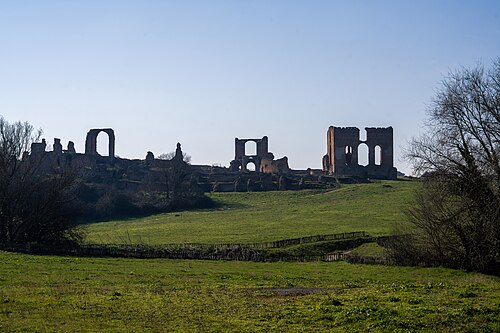
    The Villa dei Quintili is a large Roman aristocratic estate on the Via Appia southeast of Rome. The Quintilii brothers, wealthy consuls in 151 CE, owned the residence before Emperor Commodus seized it and had them executed.

    • High
    • Historic site
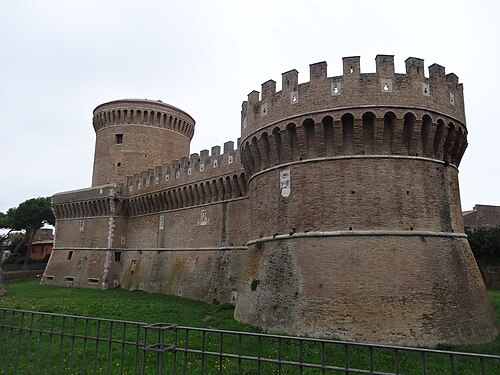
  20. Rocca di Ostia Rocca di Ostia
    95 45 min

    Rocca di Ostia

    Castello di Giulio II

    Rocca di Ostia, locally known as Castello di Giulio II, is a fortress in Rome's Ostia district. Built for Pope Julius II, it served military and defensive purposes near the ancient port of Ostia.

    • Notable
    • Historic site
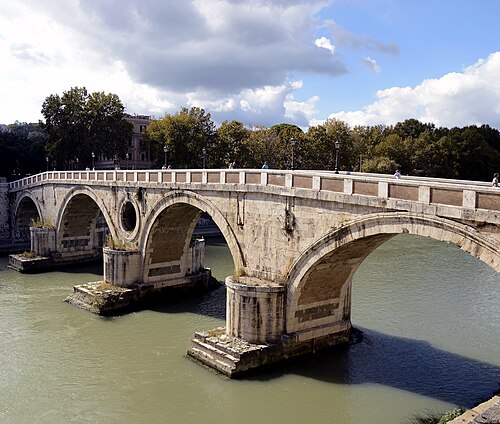
  21. Ponte Sisto Ponte Sisto
    96 2 hours

    Ponte Sisto

    Ponte Sisto is a pedestrian bridge spanning the Tiber River in Rome's historic centre, connecting the Trastevere neighbourhood to the Campo de' Fiori area on the east bank.

    • Notable
    • Activity
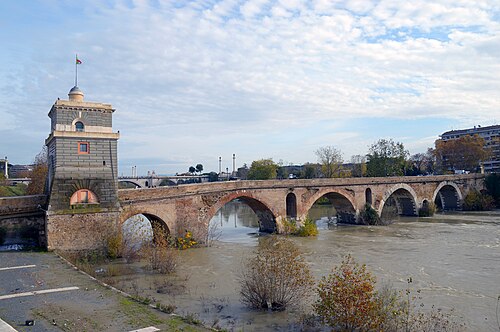
  22. Ponte Milvio Ponte Milvio
    97 45 min

    Ponte Milvio

    Ponte Milvio is an ancient Roman bridge spanning the Tiber River in northern Rome. The structure carries significant historical weight as the site of the pivotal Battle of the Milvian Bridge in 312 CE, where Constantine defeated Maxentius.

    • Notable
    • Historic site
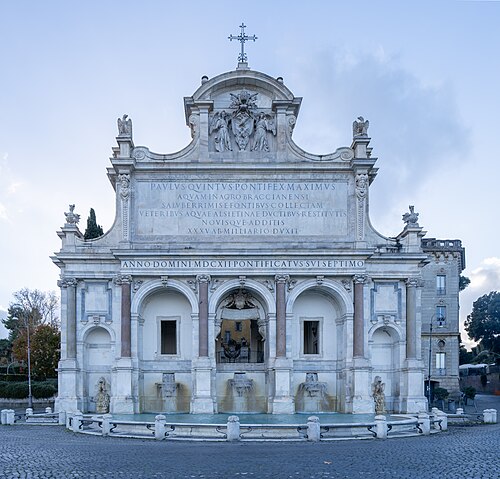
  23. Fontana dell'Acqua Paola Fontana dell'Acqua Paola
    98 45 min

    Fontana dell'Acqua Paola

    Fontana Dell'Acqua Paola

    Fontana dell'Acqua Paola is a monumental Baroque fountain located on the Janiculum Hill in Rome. Commissioned by Pope Paul V and completed in the early seventeenth century, it was built to mark the restoration of the ancient Trajan aqueduct.

    • Notable
    • Historic site
  24. Fontana del Tritone Fontana del Tritone
    99 2 hours

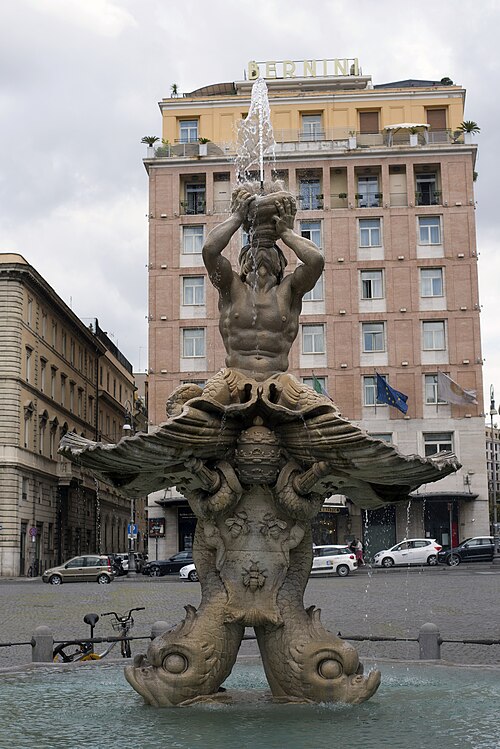
    Fontana del Tritone

    Fontana del Tritone is a Baroque fountain located in Piazza Barberini, central Rome. Designed by Gian Lorenzo Bernini and completed in 1643, it was commissioned by Pope Urban VIII Barberini.

    • Notable
    • Activity
  25. Palazzo Colonna Palazzo Colonna
    100 45 min

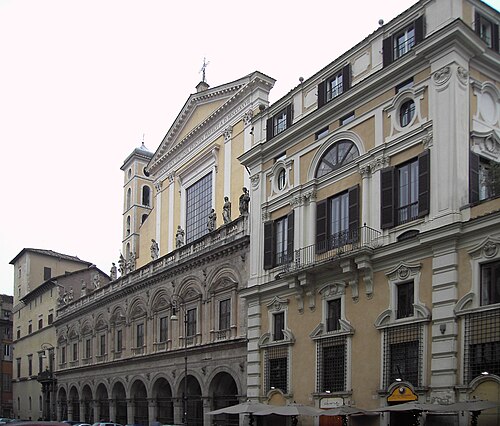
    Palazzo Colonna

    Palazzo Colonna is a historic palace in Rome, Italy, belonging to the Colonna family, one of the oldest and most prominent noble families in the city.

    • Notable
    • Historic site

Source: OpenStreetMap contributors, Wikidata ·

How the city is laid out

The historic centre lies east of the Tiber around the Pantheon, Piazza Navona, Campo de' Fiori and the Trevi-Spanish Steps axis. Southeast, the Colosseum, Roman Forum, Palatine, Aventine and Baths of Caracalla form the main archaeological corridor. Across the river, Vatican City and Prati sit north of Trastevere and the Janiculum. Termini, Monti and Esquilino form the transport-facing eastern centre, while the Appian Way, EUR and Ostia Antica are separate outings beyond the core. The official tourism map treats these as distinct visitor zones for good reason.

Checked 2026-08-26

Getting around

Walk within the historic centre and use metro, tram or bus for the longer jumps. Rome's official tourism service notes that the public network connects the principal visitor sites, while the Metrebus system provides the common ticket framework. Metro coverage is useful for Termini, the Colosseum, the Vatican side and selected outer districts, but many central sights sit between stations. Buses fill those gaps and are vulnerable to road traffic. For the Appian Way or Ostia Antica, plan the complete outward and return connection before leaving the centre.

Checked 2026-08-26

More city guides

Common questions

How many days does Rome need?

Suggested stay for a first visit: 4–5 days. Three days can cover the ancient core, the baroque centre and the Vatican side, while extra time allows the Appian Way, Ostia Antica or less compressed museum visits.

When is the best time to visit Rome?

April through May and September through October generally offer more comfortable walking weather than midsummer. Rome remains busy in these periods, but lower heat matters because the historic centre is best explored on foot.

Is Rome easy to explore on foot?

The central clusters are walkable, but the whole city is not. Use walking for the Pantheon-Navona area, the forums or Trastevere, then use public transport between those zones rather than linking every district on foot.

Which Rome sights should be grouped together?

Keep the Colosseum, Forum and Palatine together; pair the Pantheon with Piazza Navona and Campo de' Fiori; and give the Vatican-Prati side its own day. Trastevere works naturally after a central river crossing.

Do visitors need a car in Rome?

No. Walking and the public transport network cover the principal visitor areas, while a car adds parking and restricted-access complications in the historic centre. Outer trips are generally better planned by rail, metro or bus.