
.jpg)


201
2 hours
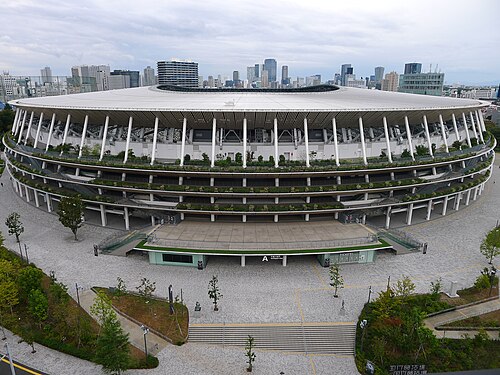
National Stadium
国立競技場
National Stadium, or Kokuritsu Kyōgijō, is Tokyo’s purpose-built national venue for athletics and football.
- Notable
- Activity
- Tokyo
Language · 11 published
Country guide
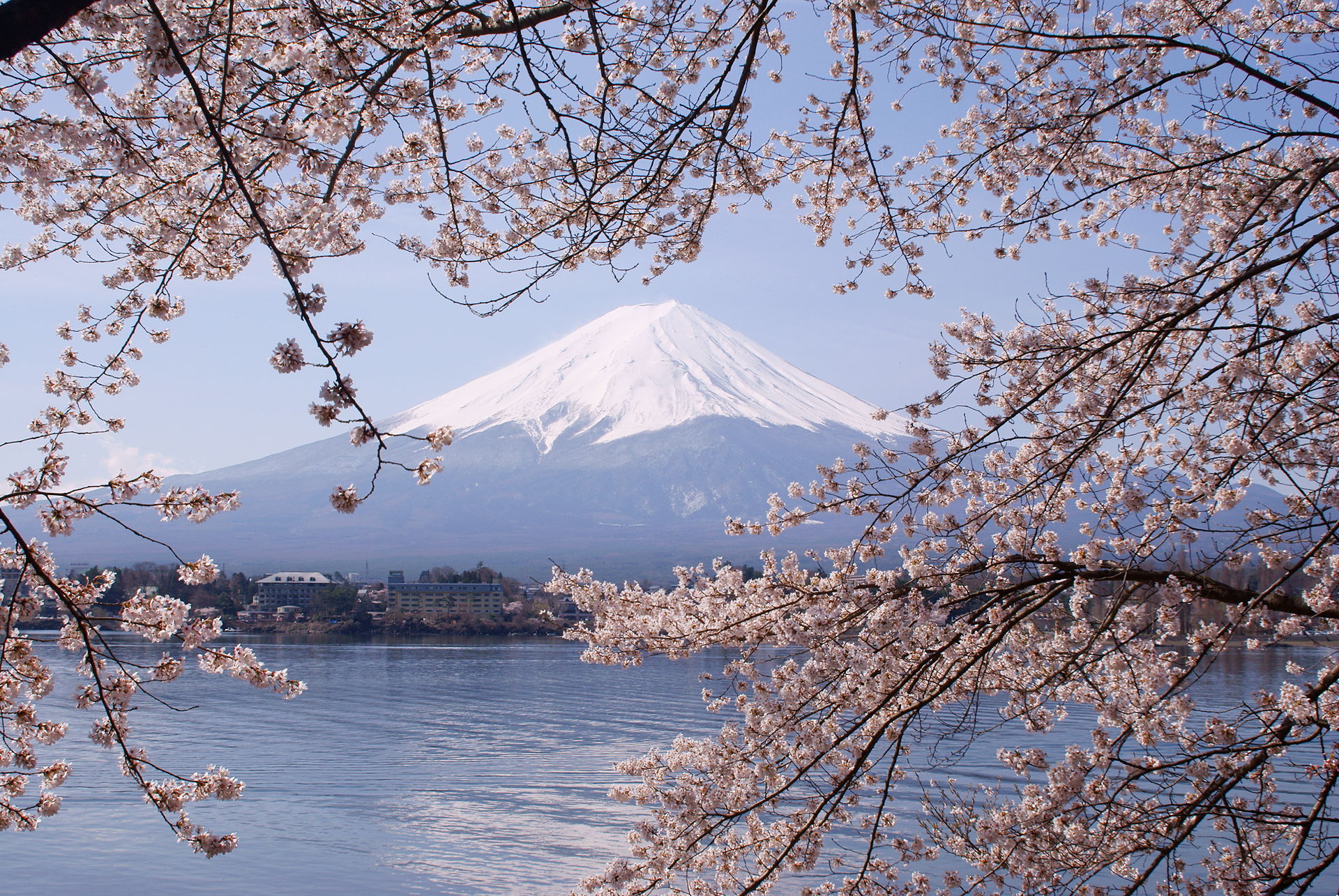
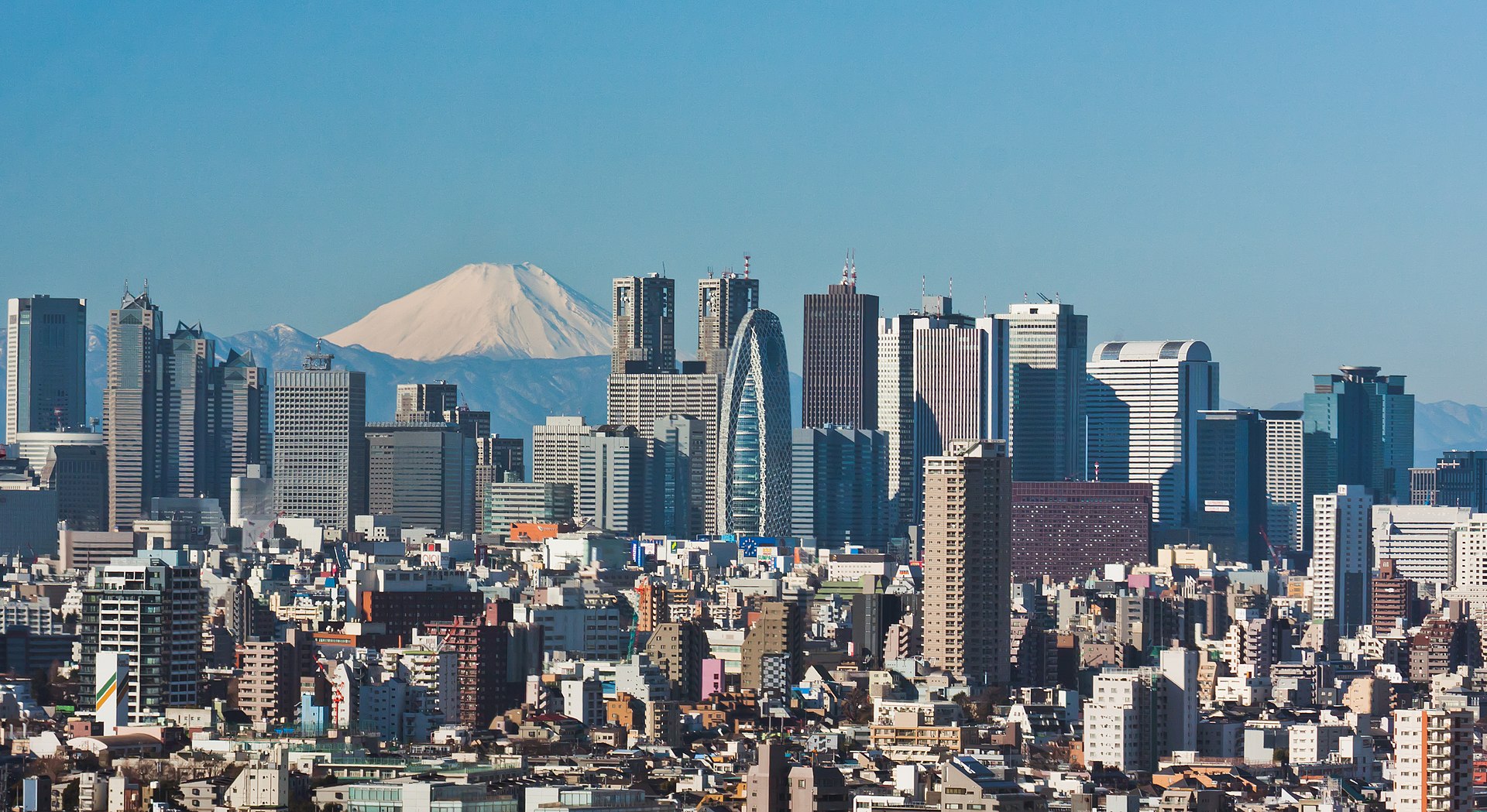
Around three quarters of Japan is mountain and forest, which pushes almost everyone onto the eastern coastal plains and makes the country far narrower in practice than 377,975 km2 suggests. Forty-seven prefectures, eight traditional regions and more than 14,000 smaller islands, and yet a first visit usually runs along a single rail corridor with Tokyo at one end and Kyoto and Osaka at the other. Tokyo is the capital and largest city of a country of almost 123 million people. Hokkaido in the north and Okinawa in the south are different climates rather than day trips, and both need their own week.
Reviewed by Elena Voss · Roavina Travel Editor
Every city catalogued in this country so far, ranked by how much there is to see.
Photograph · Morio · CC BY-SA 3.0
Photograph · Martin Falbisoner · CC BY-SA 4.0

Photograph · Martin Falbisoner · CC BY-SA 4.0
Ranked by importance — sitelinks, pageviews and heritage status, not editor preference.
288 places match
Category
Typical visit duration
国立競技場
National Stadium, or Kokuritsu Kyōgijō, is Tokyo’s purpose-built national venue for athletics and football.
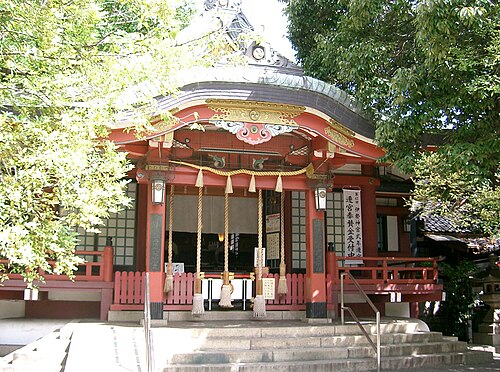
安倍晴明神社
Abe Ōji Shrine is a Shinto shrine in Osaka associated with Abe no Seimei, the celebrated Heian-period onmyōji. The shrine offers a place to encounter living Japanese religious practice rather than a secular monument.
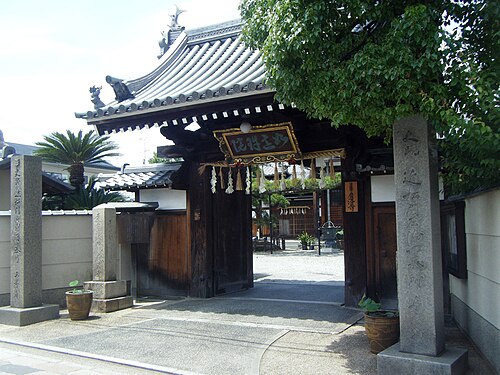
廣済寺
Ama Kosaiji Temple Sanmon, associated with 廣済寺, is a sanmon, or mountain gate, in Osaka’s Buddhist architectural landscape.
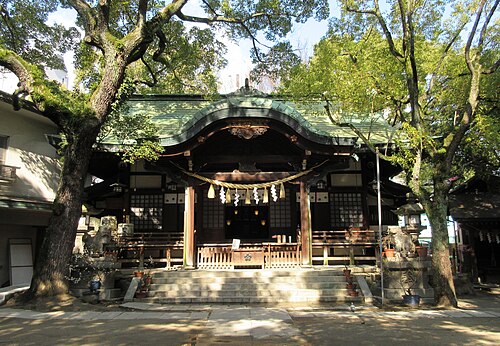
福島天満宮
Fukushima Tenmangū is a Shinto shrine in Osaka’s Fukushima Ward, dedicated to Tenjin, the deified scholar Sugawara no Michizane.
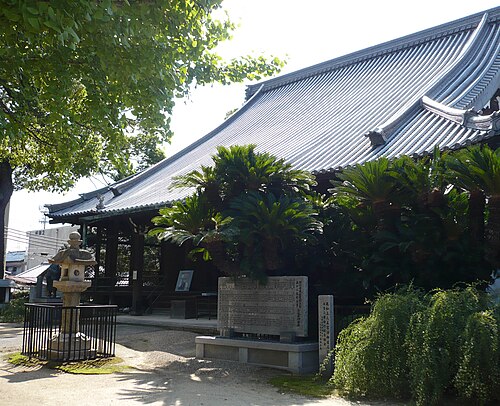
願得寺
Gantoku-ji Temple, known locally as 願得寺, is a Buddhist religious site in Osaka. It forms part of the city's quieter spiritual landscape, where neighborhood temples continue to serve local communities amid dense metropolitan surroundings.
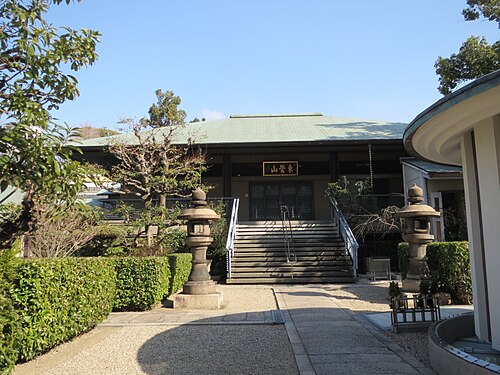
源聖寺
Gensyō-ji Temple is a Buddhist temple in Osaka, known locally as 源聖寺. The temple forms part of Osaka’s religious and cultural landscape and gives visitors a chance to encounter Buddhist practice within a major Japanese city.
大阪府立汎愛高等学校
Hanaai High School, also known locally as Osaka Prefectural Hanaai Senior High School, is an active public educational institution in Osaka. It is best understood as a neighborhood school rather than a conventional sightseeing attraction.
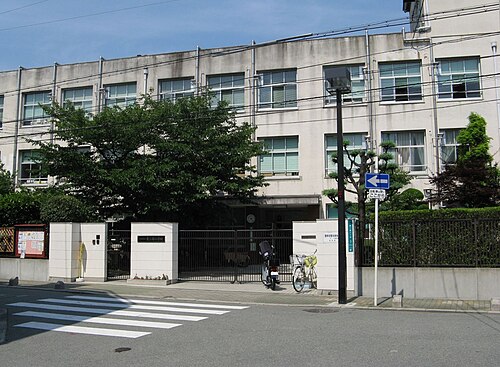
大阪市立東三国小学校
Higashimikuni Elementary School, known locally as 大阪市立東三国小学校, is a municipal elementary school in Osaka’s Yodogawa Ward. It is a working neighbourhood school serving local children, teachers and families.
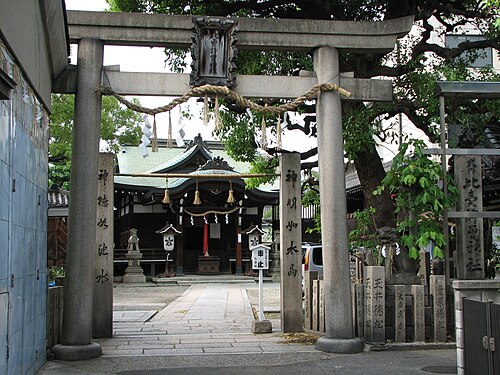
比売許曽神社
Himekoso Shrine, also known as 比売許曽神社, is a Shinto shrine in Osaka. The shrine is a place of worship and community life, giving travellers a chance to encounter a quieter religious setting within the city.
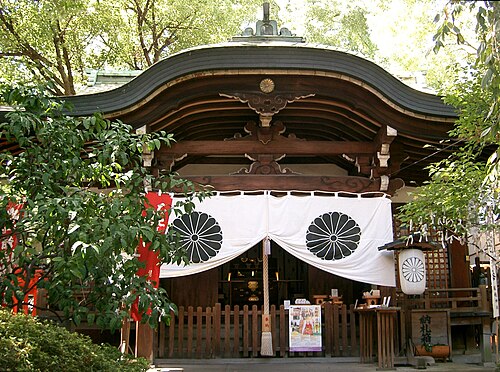
堀越神社
Horikoshi Shrine, written 堀越神社 in Japanese, is a Shinto place of worship in Osaka’s dense urban landscape.
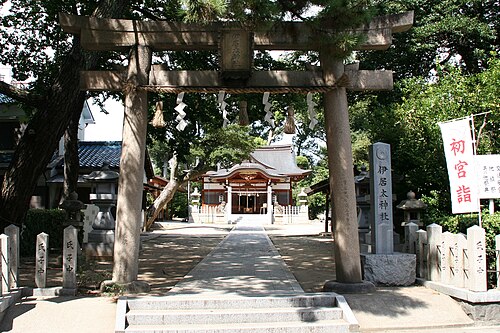
伊居太神社
Ikota Shrine, known locally as 伊居太神社, is a Shinto place of worship within Osaka’s urban fabric. Its character comes from being a functioning neighbourhood shrine, where the approach, sacred threshold, trees, worship area and surrounding residential setting shape the visit.
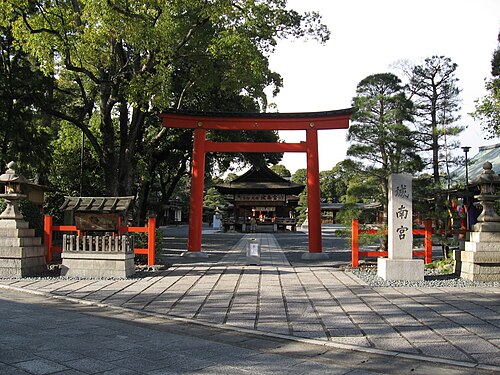
城南宮
Jonangu Shrine is a Shinto shrine located in southern Kyoto, Japan. It is dedicated to the deified Emperor Nintoku and holds historical significance as a site associated with the protection of the capital.

清水寺
Kiyomizu-dera Temple is a Buddhist temple in Osaka, known locally as 清水寺. This Osaka temple is distinct from the better-known Kiyomizu-dera in Kyoto, despite sharing the same name.
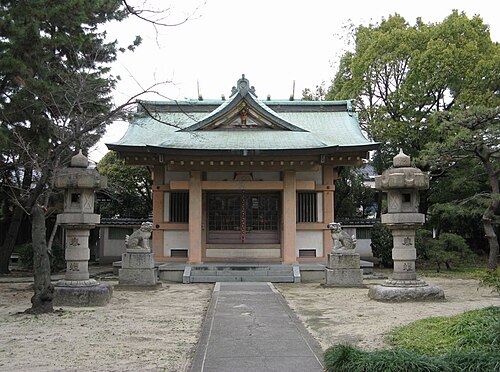
琴浦神社
Kotoura Shrine, known locally as 琴浦神社, is a Shinto shrine in Osaka. The shrine is a place of worship and provides a direct encounter with the religious traditions that remain part of everyday Japanese urban life.
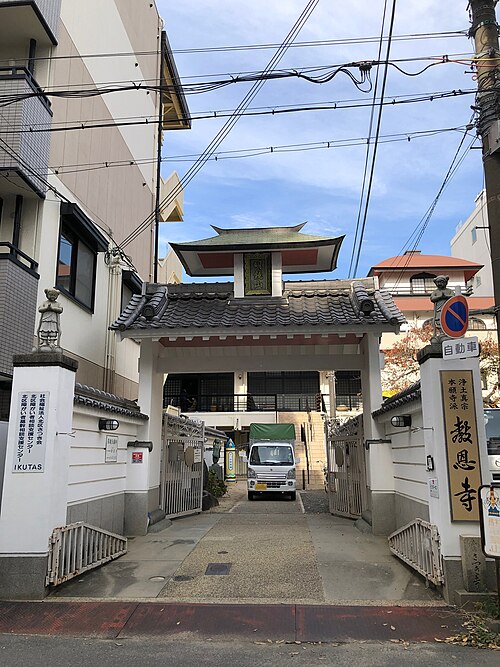
教恩寺
Kyōon-ji Temple, known locally as 教恩寺, is a Buddhist temple in Osaka. The temple belongs to the city’s living religious landscape, where places of worship continue to sit among ordinary streets and neighborhoods.
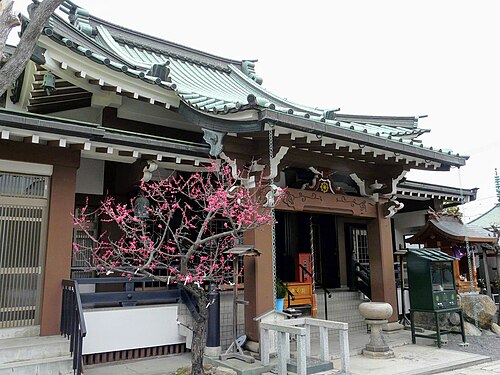
京善寺
Kyōzen-ji Temple, written locally as 京善寺, is a Buddhist temple in Osaka. It forms part of the city’s religious and cultural landscape, where places of worship stand alongside dense modern development.
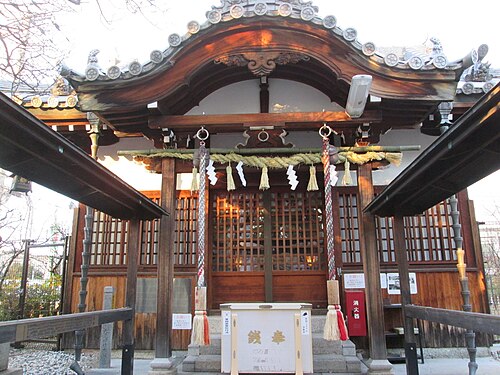
長洲天満宮
Nagasu Tenmangu, written 長洲天満宮, is a Shinto shrine in Osaka devoted to Tenjin. Tenjin is the deified scholar Sugawara no Michizane, widely associated with learning and academic success.
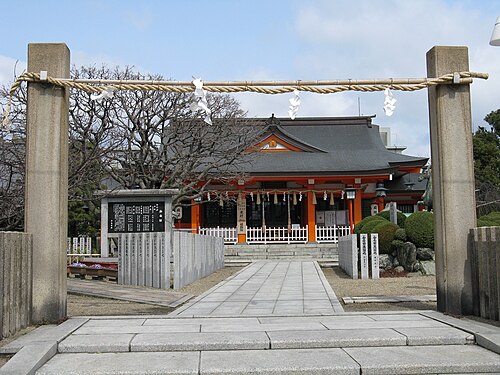
中島惣社
Nakajima-so Shrine, known locally as 中島惣社, is a Shinto place of worship in Osaka. The shrine is identified on OpenStreetMap as way/273392714, giving visitors a precise identity for distinguishing it from other religious sites in the city.
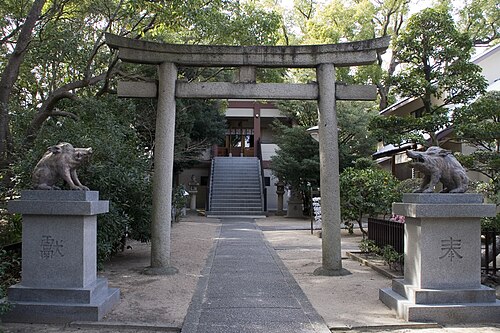
岡太神社
Okata Shrine is a Shinto shrine in Osaka, known locally as 岡太神社. The shrine is a place of worship embedded in the city, offering travelers a direct encounter with traditional Japanese religious space amid ordinary urban streets.
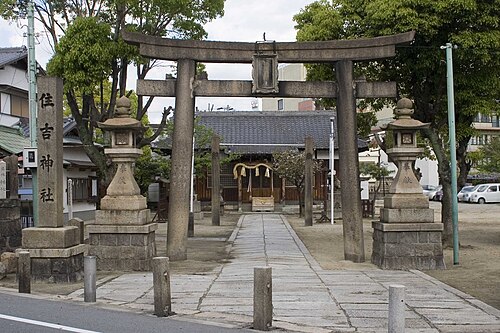
大宮
Oomiya is a residential and commercial neighborhood in Higashiyodogawa-ku, Osaka. It offers a view of everyday city life rather than a concentrated landmark district.
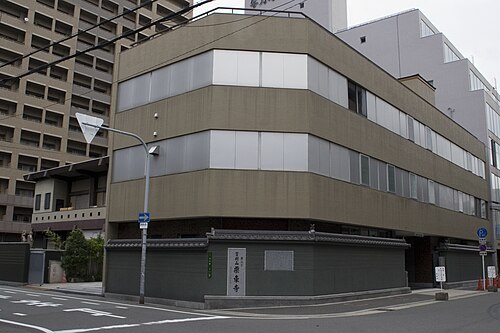
栗東寺
Ritō-ji Temple, written 栗東寺 in Japanese, is a Buddhist temple in Osaka. It belongs to the city’s religious and cultural landscape and gives travelers a chance to encounter a sacred place beyond Osaka’s busiest commercial attractions.
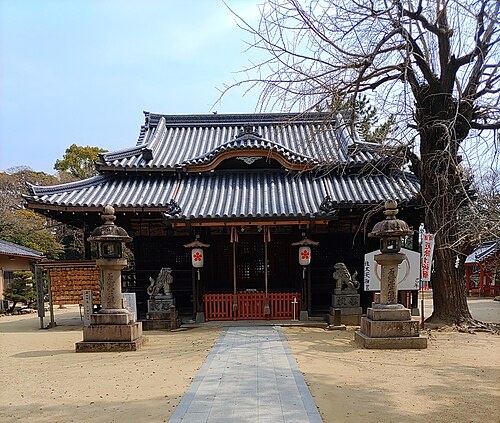
佐太天神宮
Sata-tenjingu, written as 佐太天神宮, is a Shinto shrine in Osaka. The name identifies it as a Tenjin shrine, a tradition connected with the worship of Sugawara no Michizane, the scholar who became a revered kami.
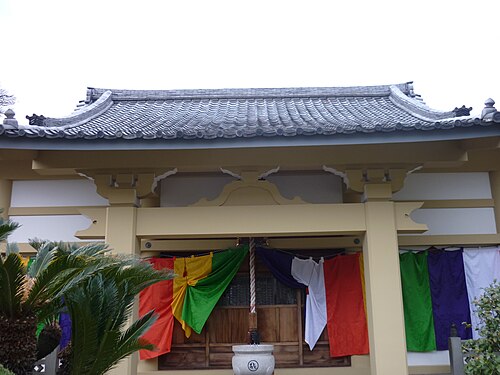
眞観寺
Shinkan-ji Temple, also identified locally as 眞観寺, is a named Buddhist temple in Osaka. Its precise identity matters because Osaka contains many religious sites with similar names, while this place is tied to one specific OpenStreetMap location.
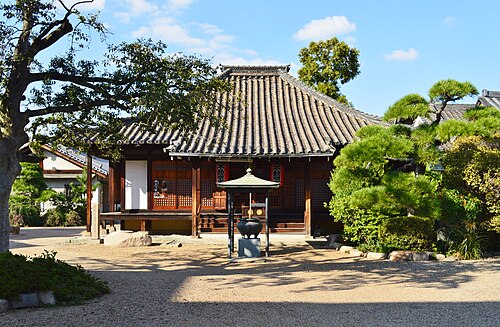
荘厳浄土寺
Shōgonjōdo-ji Temple, known locally as 荘厳浄土寺, is a Buddhist temple in Osaka. The temple belongs to the Jodo sect of Pure Land Buddhism. It serves as a place of worship and spiritual practice for devotees.
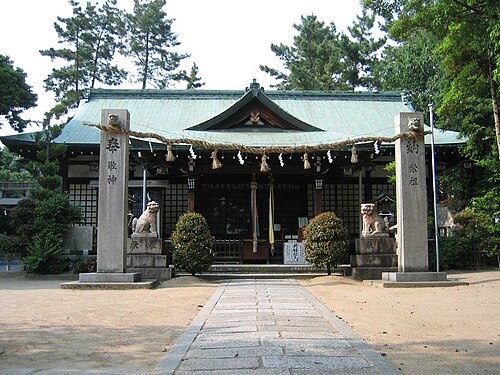
素盞嗚尊神社
Known locally as 素盞嗚尊神社, Susanoo-no-Mikoto Shrine is a Shinto place of worship in Osaka dedicated to Susanoo-no-Mikoto, a major figure in Japanese mythology associated with storms and the sea.
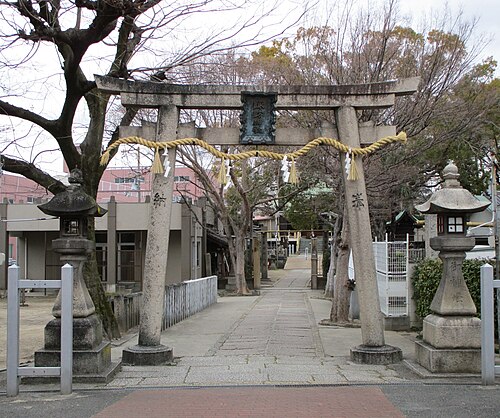
諏訪神社
Suwa Shrine is a Shinto shrine in Osaka, also known locally as 諏訪神社. It belongs to the wider tradition of shrines devoted to Suwa Myojin, associated with wind, water, and martial protection.
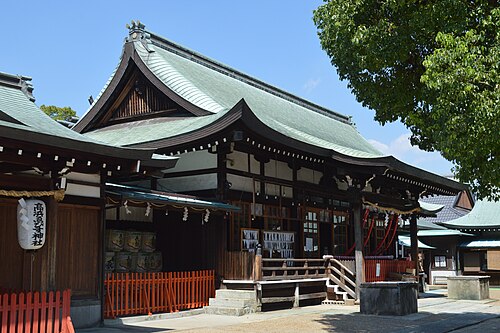
高浜神社
Takahama Shrine is a Shinto shrine in Suita City, Osaka Prefecture, known locally as 高浜神社. It serves as a place of worship and community gathering in the northern Osaka metropolitan area.
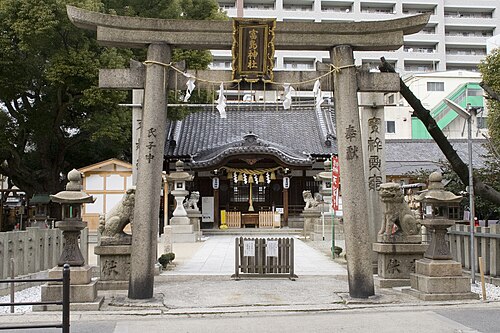
富島神社
Tomishima Shrine, known locally as 富島神社, is a Shinto shrine in Osaka. It offers a small sacred setting within the city, where visitors can encounter a form of Japanese religious practice alongside ordinary urban streets.
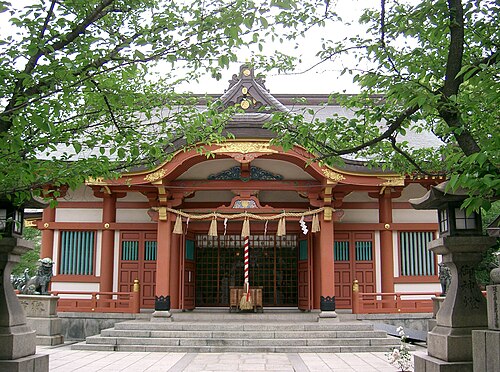
土佐稲荷神社
Tosa Inari Shrine is a Shinto place of worship in Osaka, known locally as 土佐稲荷神社. The shrine belongs to the Inari tradition, whose central figure is associated with rice, fertility, prosperity, and worldly success.
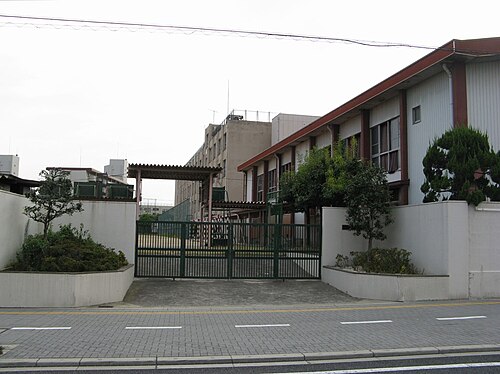
大阪市立佃中学校 is a municipal junior high school serving the Tsukuda neighborhood of Osaka. It is an active educational institution, not a public museum or sightseeing attraction.
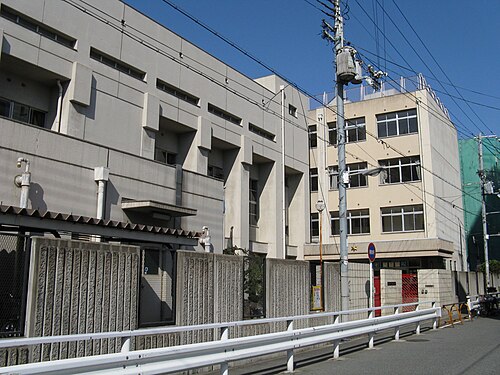
大阪市立大国小学校, known in English as Osaka City Daikoku Elementary School, is a municipal school in Osaka’s Daikoku area.
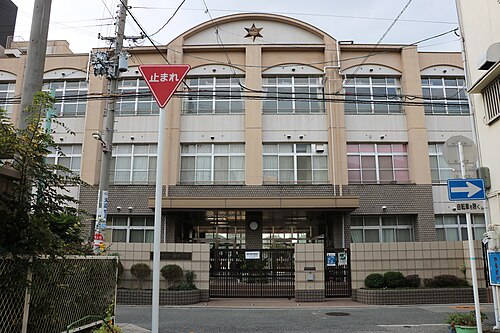
大阪市立成南中学校 is an Osaka municipal junior high school serving local students. It belongs to the city’s everyday educational infrastructure and should not be treated as a conventional tourist attraction.
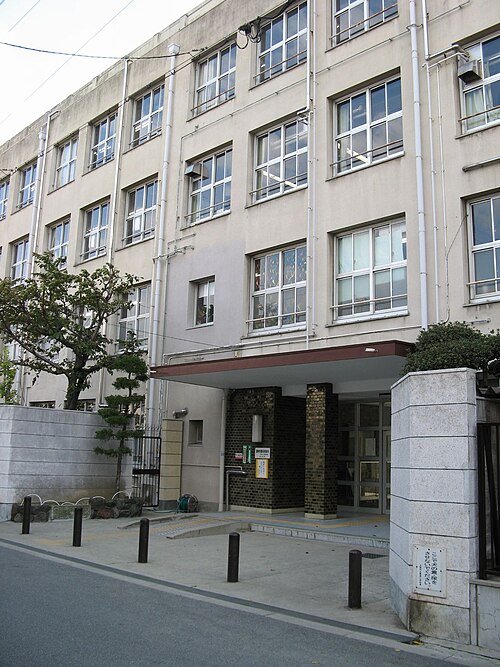
Osaka Municipal Kuwazu Elementary School, known as 大阪市立桑津小学校, is a public elementary school serving its local Osaka community. It is part of the city’s everyday educational landscape, surrounded by neighbourhood streets rather than visitor facilities.
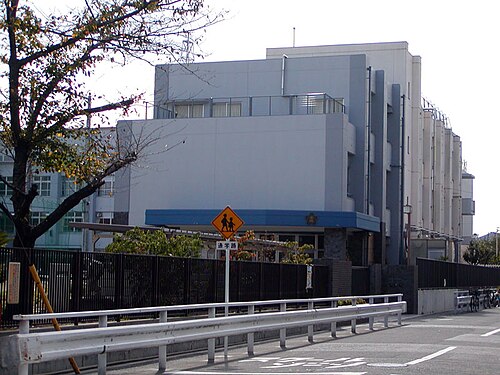
大阪市立玉出小学校 is Osaka Municipal Tamade Elementary School, a working public school in Nishinari Ward. It belongs to Tamade’s everyday civic landscape, serving local children rather than operating as a museum, landmark, or visitor attraction.
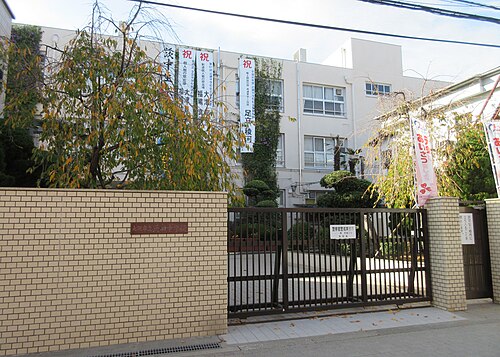
大阪市立茨田中学校 is a municipal junior high school in Osaka’s Ibarita area, a working part of the city’s residential fabric rather than a sightseeing attraction.
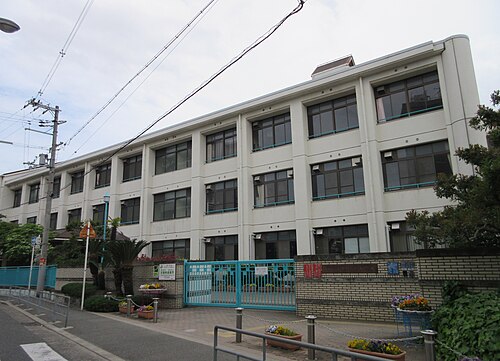
Osaka Municipal Tsurumi Minami Elementary School, or 大阪市立鶴見南小学校, is a public elementary school in Osaka’s Tsurumi Ward. It serves local children and contributes to the daily rhythm of its neighbourhood.
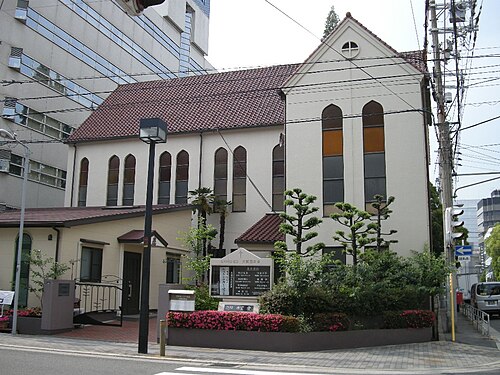
Osaka Nishi Church, written locally as 大阪西教会, is a Christian place of worship within Osaka’s dense city environment.
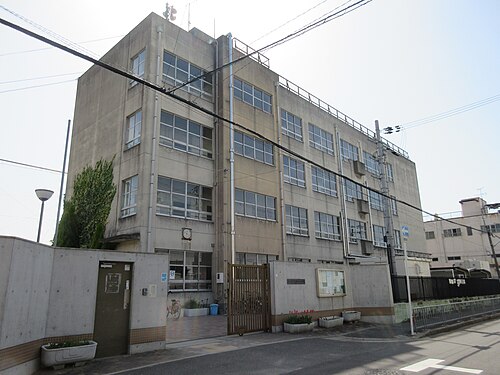
市立高井田中学校 is a municipal junior high school in Osaka’s Takaida area. Unlike a museum, shrine, or civic attraction, the school exists for education and serves students, teachers, and authorized visitors.
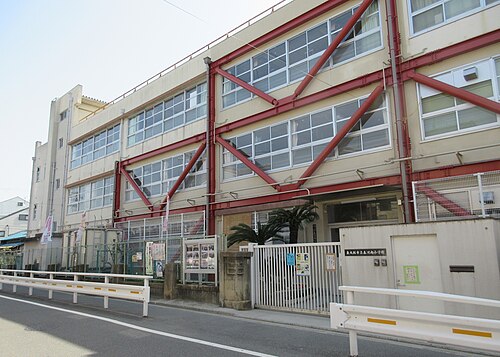
東大阪市立森河内小学校 is a municipal elementary school in Higashiosaka, Osaka Prefecture. It is a working educational institution serving local children, not a conventional visitor attraction.
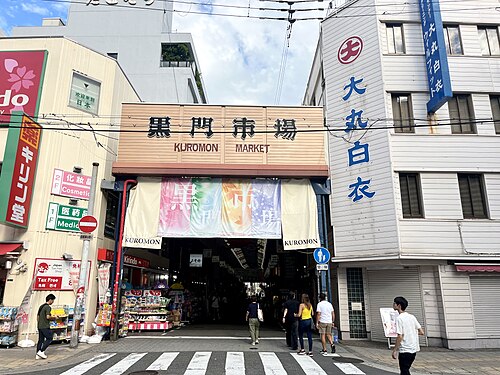
黒門市場
Kuromon Ichiba is a covered shopping street in Nipponbashi, Chuo-ku, in the Minami half of central Osaka. Its own market office gives the address as 2-4-1 Nipponbashi and describes a roofed market stretching about 580 metres with roughly 150 shops.
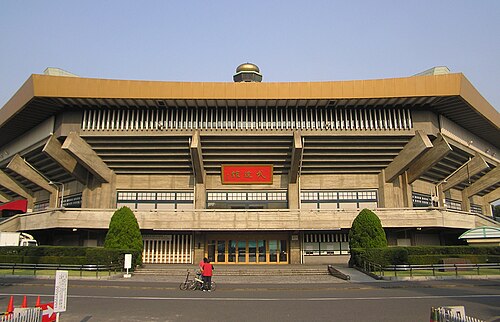
日本武道館
Nippon Budokan is a renowned indoor arena located in Chiyoda Ward, Tokyo, adjacent to the Imperial Palace grounds. Opened in 1964 for the Tokyo Olympic Games, it was originally constructed to host judo competitions.
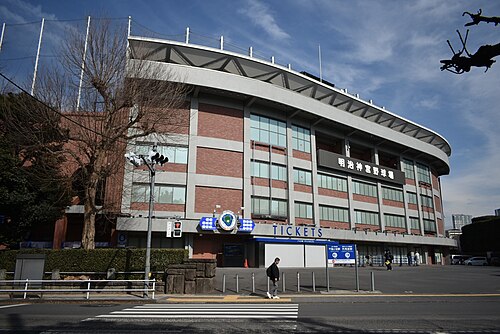
明治神宮野球場
Meiji Jingu Stadium is a historic baseball venue in central Tokyo, beside the Meiji Jingu Outer Garden.
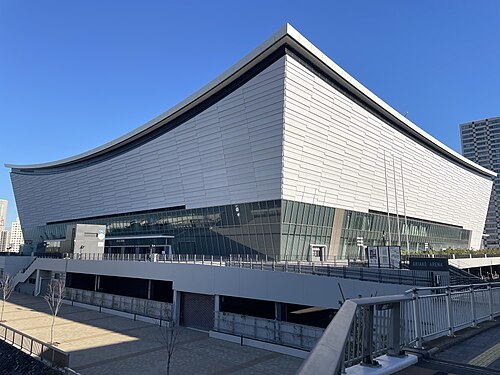
有明アリーナ
Ariake Arena is a multi-purpose indoor arena located in the Ariake district of Koto Ward, Tokyo.
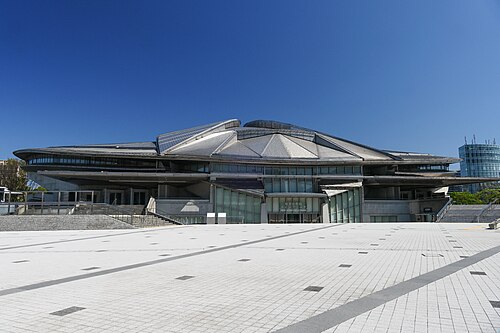
東京体育館
Tokyo Metropolitan Gymnasium is a major sports complex in Sendagaya, within Shibuya Ward. It is a working venue for athletic competitions, training and public recreation rather than a conventional sightseeing museum.
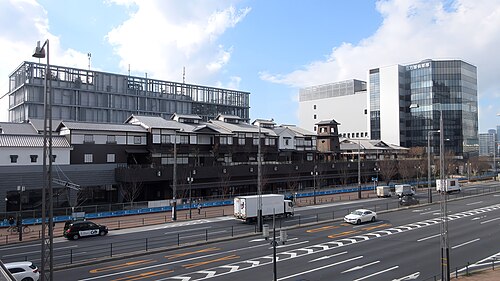
豊洲 千客万来
Toyosu Senkyaku Banrai is a commercial facility in the Toyosu district of Tokyo, developed in connection with the relocation of the historic Tsukiji Market. The name evokes traditional hospitality, suggesting a place welcoming many visitors.

千鳥ヶ淵
Chidorigafuchi Moat is a historic waterway on the northwestern edge of the Imperial Palace grounds, forming part of the former Edo Castle fortifications. Its name refers to a shape associated with a thousand birds.

八幡神社
Hachiman Shrine is a Shinto shrine in Osaka, known locally as 八幡神社. It is dedicated to Hachiman, a deity traditionally associated with warriors and protection.
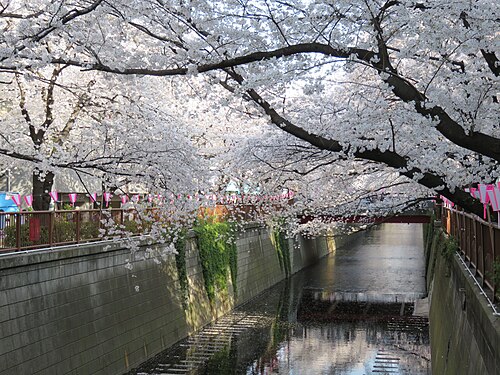
目黒川
Meguro River is a canal-like urban waterway running through central Tokyo, stretching approximately eight kilometers from Setagaya Ward through Meguro and Shinagawa wards before reaching Tokyo Bay.
多米神社
Tameno Shrine, known locally as 多米神社, is a Shinto shrine in Osaka. It represents the kind of neighborhood religious site that sits alongside ordinary homes, roads, and local businesses rather than inside a purpose-built tourist complex.
産土神社
Ubusuna Shrine is a Shinto shrine in Osaka, known locally as 産土神社. The shrine represents a living part of Osaka’s religious and cultural landscape, giving visitors an opportunity to encounter Shinto practice within the city.
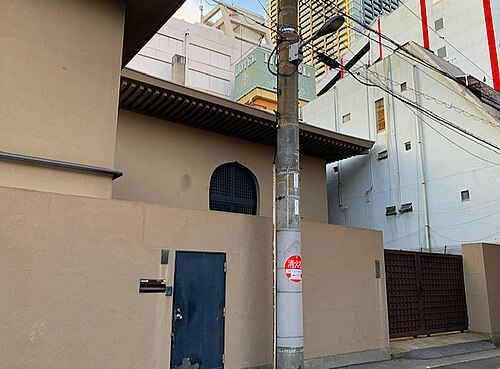
善覚寺
Zenkaku-ji Temple, 善覚寺, is a named Buddhist temple in Osaka. It is a local religious place within the city, without a documented collection, famous object, major visitor designation, or signature sight to define it as a conventional tourist landmark.
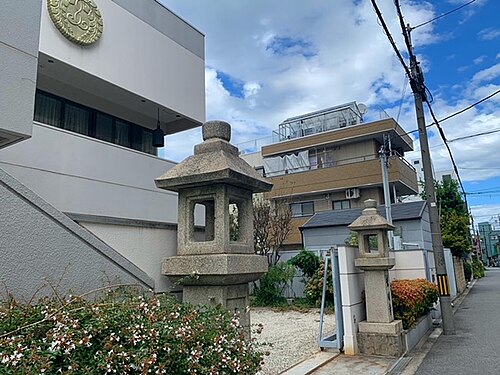
Kōmyō-ji is a Buddhist temple in Osaka, identified locally by the name 光明寺. It is an active religious place within the city, offering travelers a chance to encounter a quieter side of Osaka beyond its commercial districts.
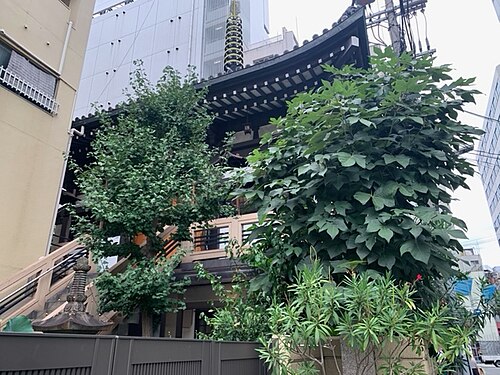
Endonji is a neighborhood commercial area in Osaka, known by the Japanese name 円頓寺. Its character comes from everyday urban life: local shops, food businesses, residents, and streets designed for regular community use.
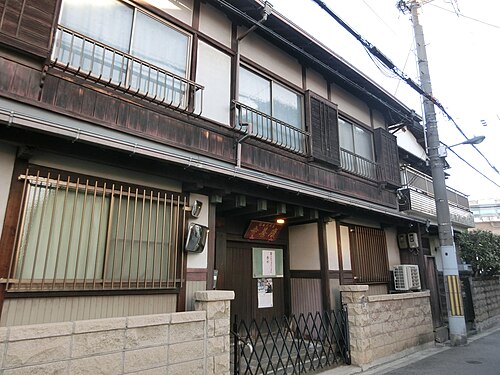
Keizen-ji, written 慶善寺, is a Buddhist temple in Osaka. It belongs to the city’s broad landscape of religious sites, where places of worship remain woven into ordinary urban neighborhoods.
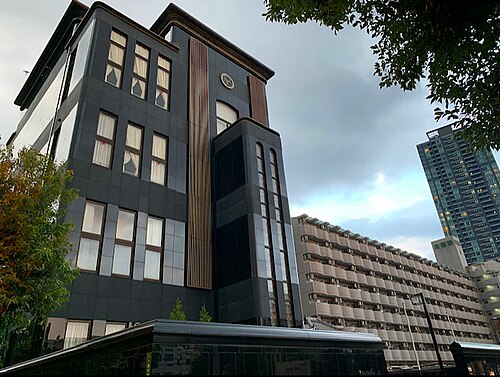
正徳禅寺, rendered here as Shōtokuzen-ji, is a Buddhist temple in Osaka.
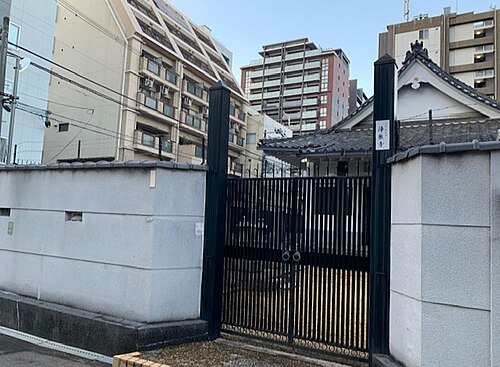
浄教寺, presented in English as Jokoji, is a Buddhist temple in Osaka. It belongs to the city’s network of religious places and offers travellers a chance to encounter a quieter, more local side of urban Japan.
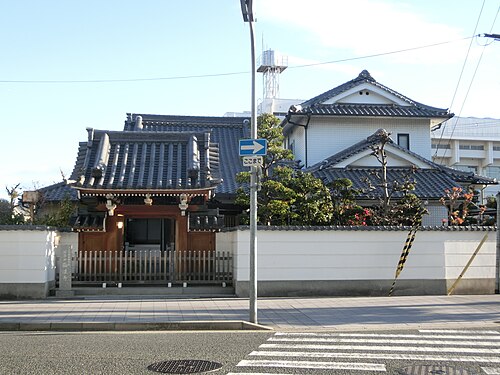
西法寺, presented here as Saifukuji, is a Buddhist temple in Osaka. The temple is part of the city’s network of religious places, where worship, community life, and traditional architecture remain woven into ordinary urban neighborhoods.
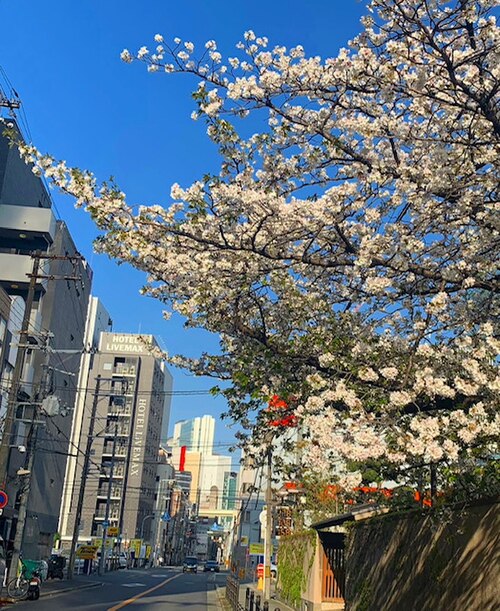
Ryūen-ji, written 龍渕寺, is a Buddhist temple in Osaka. It is a functioning place of worship rather than a museum or commercial attraction.
極み鶏そば 鶏と麦ときどき豚 is an Osaka ramen restaurant with a name that sharply identifies its culinary focus. “Kiwami Tori Soba” foregrounds chicken soba, while “Tori to Mugi Tokidoki Buta” points to chicken, wheat, and occasional pork.
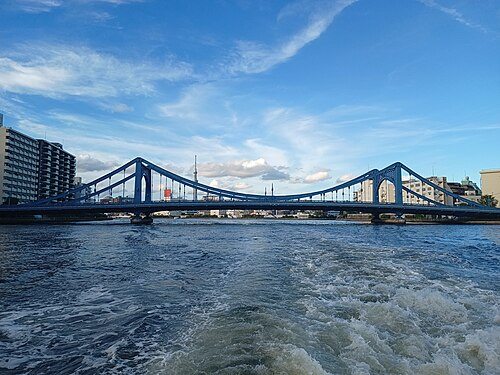
隅田川
The Sumida River is a major waterway flowing through eastern Tokyo, connecting the Arakawa River to Tokyo Bay. It has historically defined the city's eastern geography and development.
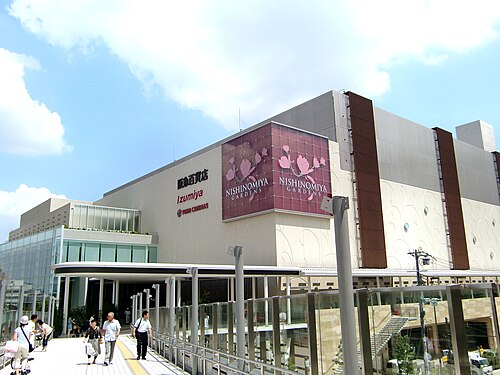
阪急西宮ガーデンズ
Hankyu Nishinomiya Gardens is a large commercial complex in Nishinomiya, Hyogo Prefecture, within the wider Osaka metropolitan area. The development brings shopping, dining, entertainment and landscaped outdoor areas together in one destination.
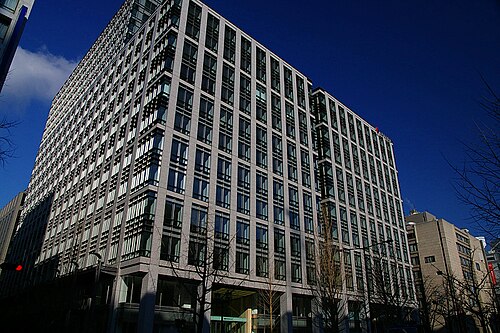
淀屋橋 odona
淀屋橋 odona is a commercial complex in Osaka’s Yodoyabashi district. It combines retail and dining within one of central Osaka’s established business areas.

マクセル アクアパーク品川
Maxell Aqua Park Shinagawa is an aquarium located in the Shinagawa district of Tokyo, Japan. The facility is known for its combination of marine exhibits with lighting and sound technology, creating immersive displays.
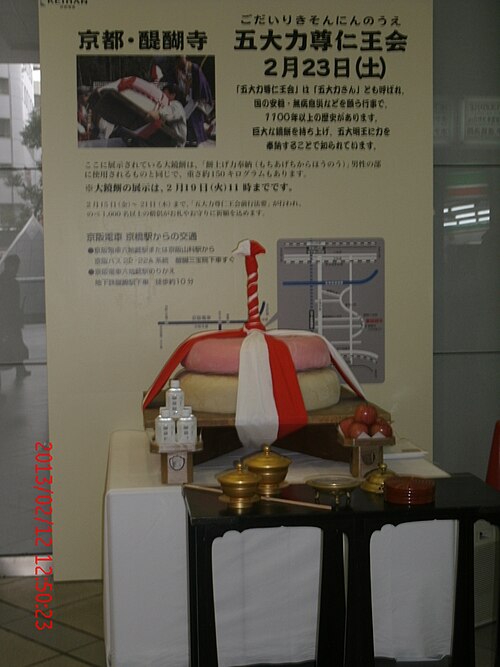
下醍醐
Daigo-ji is a Shingon Buddhist temple in southeastern Kyoto, Japan. Founded in 874 CE by the monk Shōbō, it is a designated UNESCO World Heritage Site as part of the Historic Monuments of Ancient Kyoto.
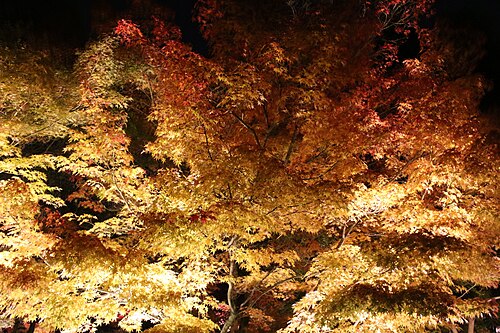
永觀堂
Eikan-do, formally called Zenrin-ji, is a historic Buddhist temple in Kyoto’s eastern Sakyo ward. It belongs to the Jodo sect and was founded in the ninth century.
銀のさら
Gin no Sara, written 銀のさら, is a delivery sushi service in Osaka. It prepares sushi for delivery rather than presenting itself as a conventional restaurant destination.
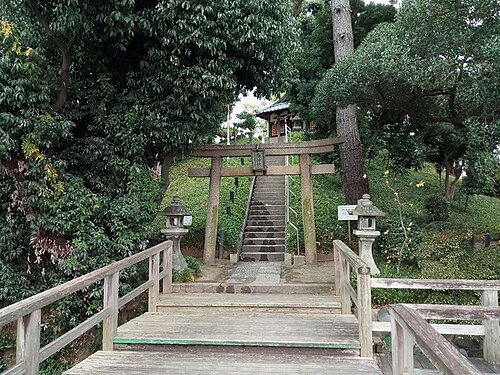
御願塚
Gogazuka Kofun, also known locally as 御願塚, is an ancient burial mound in Osaka. The site belongs to Japan’s kofun tradition, a form of monumental tomb construction associated with the Kofun period from roughly the third to seventh centuries.
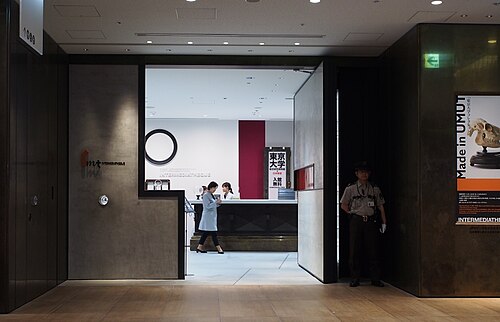
インターメディアテク
Intermediatheque is a distinctive museum and exhibition space in Tokyo, known locally as インターメディアテク. It occupies part of the Kitte building beside Tokyo Station, where a former postal setting has been adapted for contemporary public use.
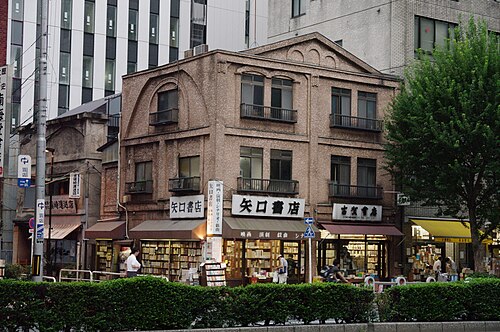
神田古書店街
Jimbocho Book Town, known locally as 神保町古書店街, is a historic district in central Tokyo renowned for its dense concentration of antiquarian bookstores. The area has served as Japan's preeminent center for used and rare books since the early twentieth century.
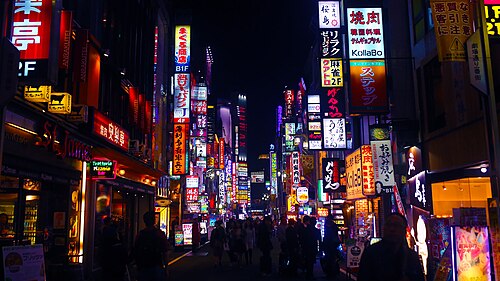
歌舞伎町
Kabukichō is Shinjuku’s dense entertainment district, occupying the area northeast of Shinjuku Station. The neighborhood combines restaurants, bars, karaoke, cinemas, pachinko halls, hotels and adult-oriented businesses in a compact grid of bright signs and narrow streets.

合羽橋
Kappabashi Kitchen Street, known locally as かっぱ橋道具街, is a specialized commercial district in Tokyo dedicated to restaurant supply and kitchenware. The street stretches approximately 800 meters and hosts numerous shops selling professional-grade cooking equipment, tableware, food replicas, and culinary tools.
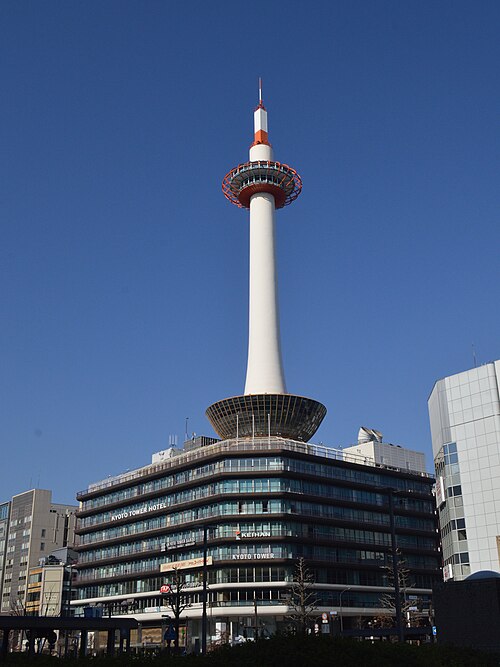
京都タワー
Kyoto Tower is a modern observation landmark beside Kyoto Station in Shimogyo Ward.
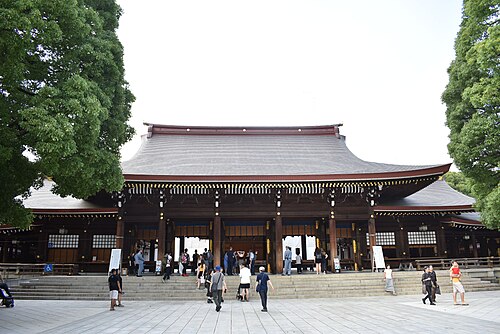
明治神宮
Meiji Shrine is a Shinto shrine in Tokyo dedicated to the deified spirits of Emperor Meiji and his consort, Empress Shōken. The shrine occupies a large forested area in Shibuya, near Harajuku Station.

大阪城
Osaka Castle is a historic fortress in Chūō-ku, Osaka, Japan. The present structure is a concrete reconstruction dating from 1931, with extensive modern renovations.
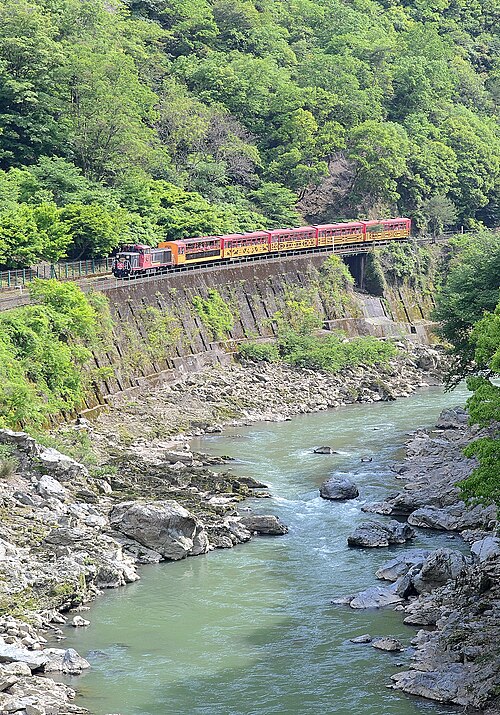
Sagano Romantic Train
The Sagano Scenic Railway is a tourist railway in Kyoto's Arashiyama district. It operates along a former freight line that runs parallel to the Hozu River gorge.

Takeshita Street is a narrow pedestrian shopping street in Harajuku, running from the area beside Harajuku Station toward the northern end of Omotesando. The street is known for youth fashion, accessories, cosmetics, novelty goods, crepes and quick-service food.
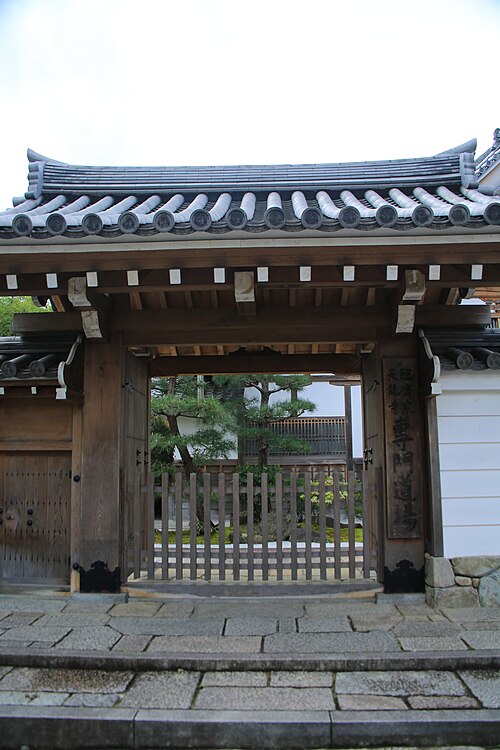
Tenryu-ji is a Zen Buddhist temple in Kyoto's Arashiyama district. It ranks among the city's five great temples and holds World Heritage status as part of the Historic Monuments of Ancient Kyoto.

Tokyo Character Street is a commercial attraction located in Tokyo Station's Ichibangai shopping area beneath Marunouchi. The destination features shops and displays centered on popular Japanese characters from animation, manga, and related media franchises.

Tokyo International Forum is a major convention and exhibition center in the Marunouchi district near Tokyo Station. The complex comprises multiple halls and exhibition spaces designed for international conferences, trade shows, concerts, and corporate events.

ワーナー ブラザース スタジオツアー東京 - メイキング・オブ・ハリー・ポッター
Warner Bros. Studio Tour Tokyo is a permanent production-based attraction located in Tokyo, Japan. The facility operates under official Warner Bros. licensing and offers visitors behind-the-scenes access to authentic film and television production environments.
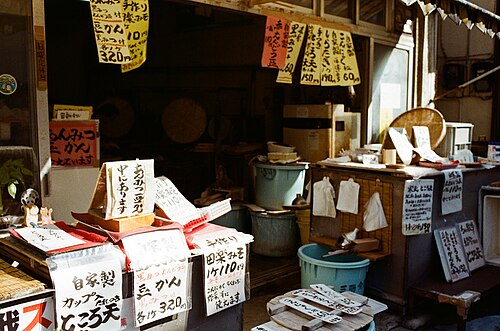
谷中銀座
Yanaka Ginza is a historic shopping street in Tokyo's Yanaka district, part of the traditional shitamachi downtown area.
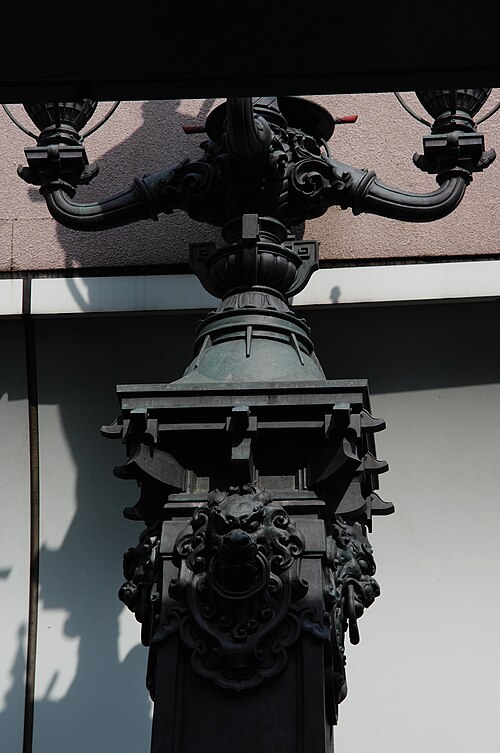
Nihonbashi Bridge is a historic bridge in central Tokyo, Japan. The current structure is a reconstruction of the original wooden bridge first built in 1603 during the Edo period.
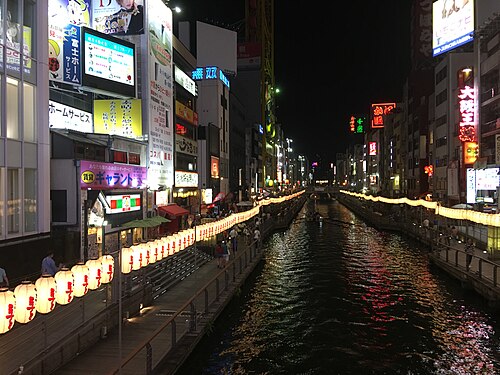
Dotonbori is a principal entertainment and dining district in Osaka's Chuo Ward, centred on a canal of the same name. The area traces its origins to the early 17th century when merchant Yasui Doton initiated canal construction.
大阪城公園
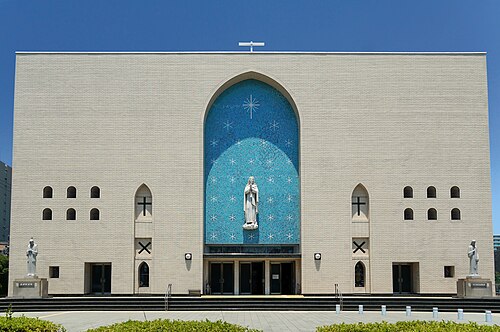
カトリック玉造教会
Osaka-Takamatsu Cathedral St. Mary’s is the cathedral of the Catholic Archdiocese of Osaka-Takamatsu and the home of Tamatsukuri Catholic Church. The present cathedral was designed by Eikichi Hasebe and dedicated on 21 March 1963.
がんこ 京都 亀岡 楽々荘
ザ・ガーデンオリエンタル・大阪
Source: OpenStreetMap contributors, Wikidata ·
Ten to fourteen days supports four or five days in Tokyo, three or four in Kyoto, and two or three in Osaka. Add Nara or Himeji only after those bases have enough time, and avoid turning every rail stop into a hotel change.
Japan's visa exemption or visa requirement depends on passport and travel purpose. Confirm the current rule through Japan's Ministry of Foreign Affairs or the embassy responsible for the traveller's residence.
The Tokaido Shinkansen links Tokyo, Kyoto, and Osaka, while local rail and buses cover city travel. An IC card simplifies many local journeys but does not replace every reserved long-distance ticket, and luggage forwarding can reduce friction between bases.
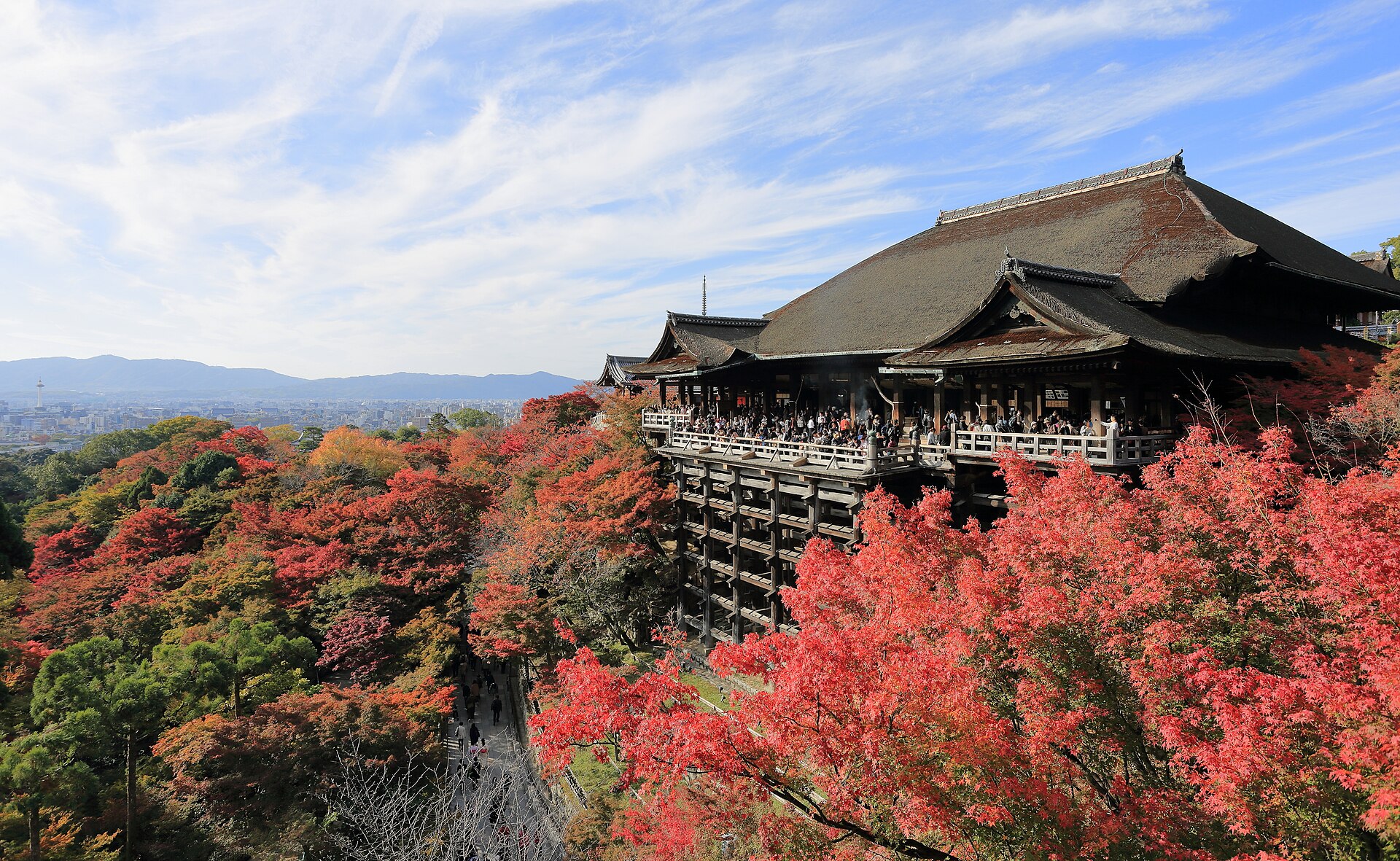
March to May and October to November are broad options for the main-island route, with blossom and autumn periods creating concentrated demand. Confirm regional weather and reservations for the exact cities rather than assuming one national season behaves uniformly.
Japan uses the yen (JPY). Electronic payment is common but not universal, so carry some yen for smaller businesses, ticket machines, or rural transport without assuming that one stored-value card works for every purchase.
Japan's emergency numbers are 110 for police and 119 for fire or ambulance. Type A sockets operate at 100 V, which is lower than in the other wave-A countries, and mains tap water is recorded as safe.