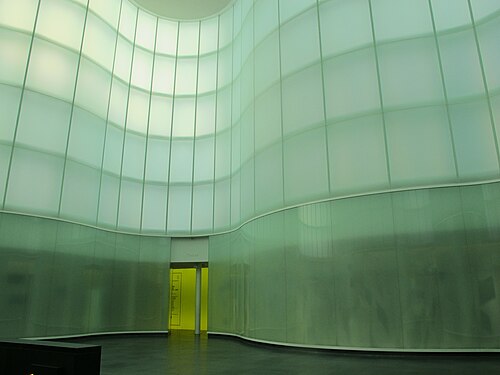
Museo d'Arte Antica
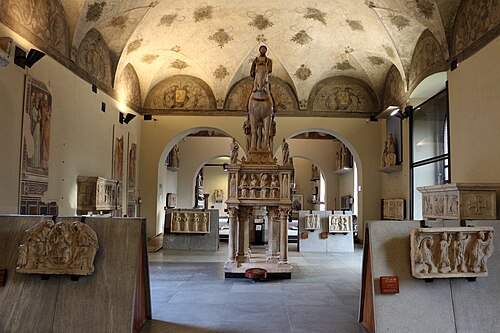
Museo d'Arte Antica is a museum in Milan dedicated to ancient and medieval art. It forms part of the Sforza Castle complex, one of the city's most significant historical monuments.
- High
- Museum
- Milan
Language · 11 published
Country guide
Italy holds 62 World Heritage Sites, more than any other country, spread across 301,340 km2 of land that runs from the Alps down into the middle of the Mediterranean. The distances between its cities are short and the differences between them are not: Venice has no roads, Naples sits under a volcano on a bay, Florence fits inside a walkable Renaissance grid, and Milan keeps its art indoors and works for a living. Rome is the capital and the obvious first trip; the argument is always about what comes second. Nearly 800 islands hang off the coast, and Sicily and Sardinia are each large enough to be a trip of their own.
Reviewed by Elena Voss · Roavina Travel Editor
Every city catalogued in this country so far, ranked by how much there is to see.
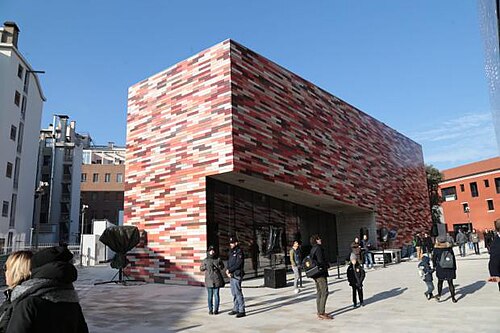
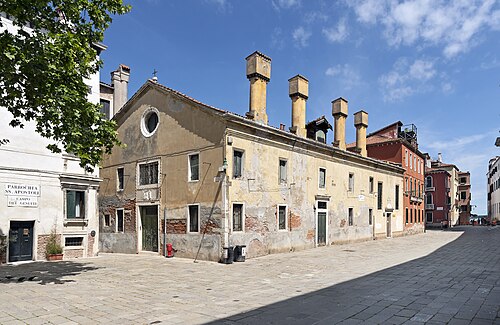
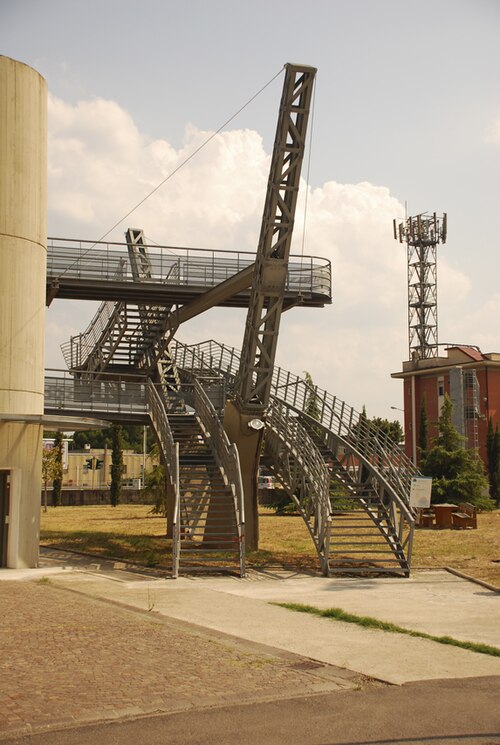
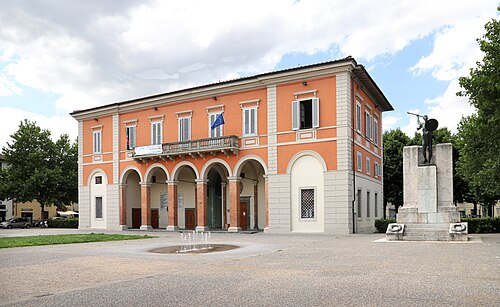
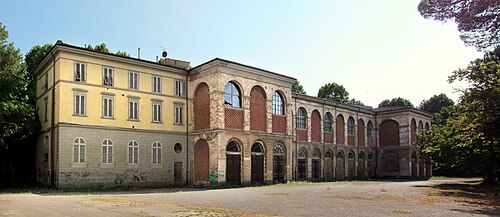
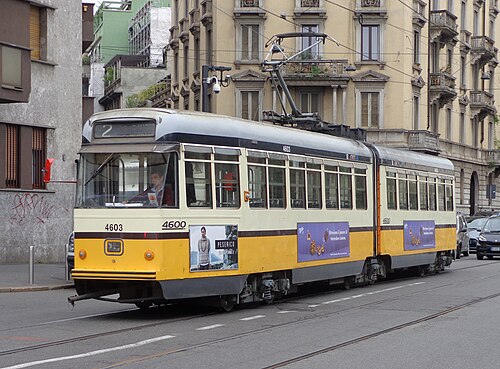
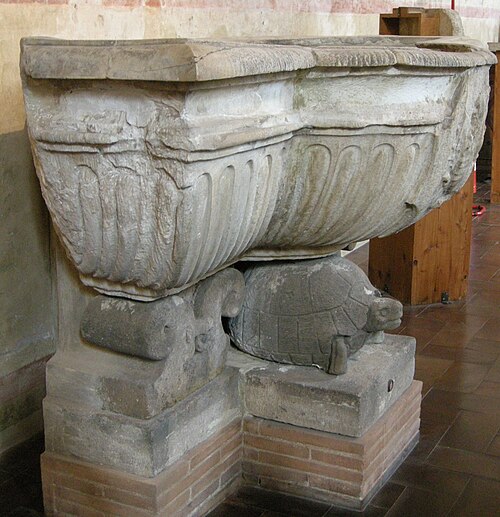
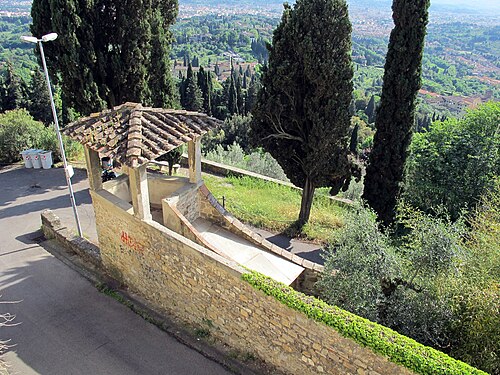
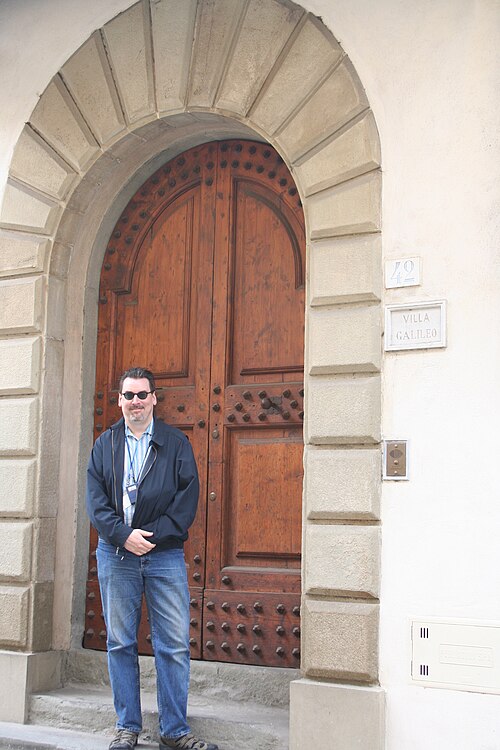
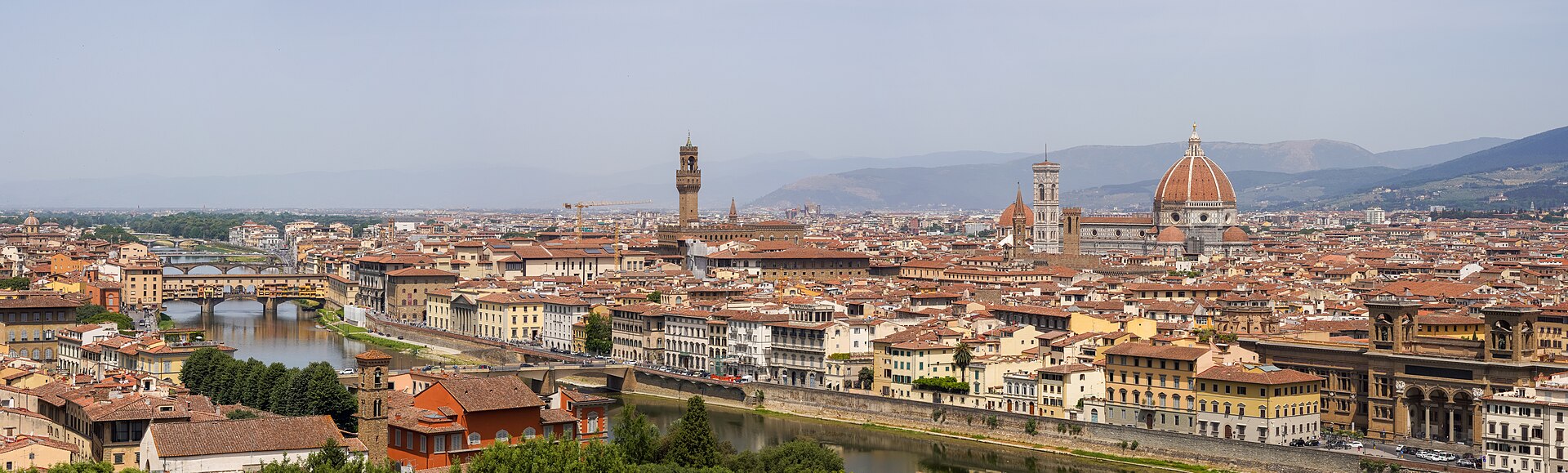
Photograph · Bert Kaufmann from Roermond, Netherlands · CC BY-SA 2.0
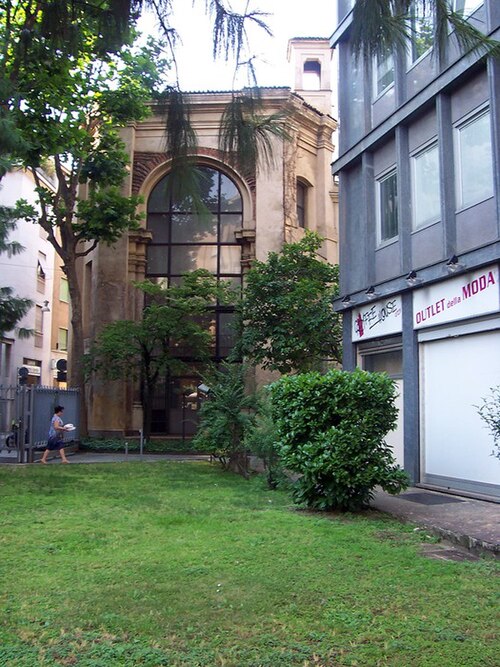
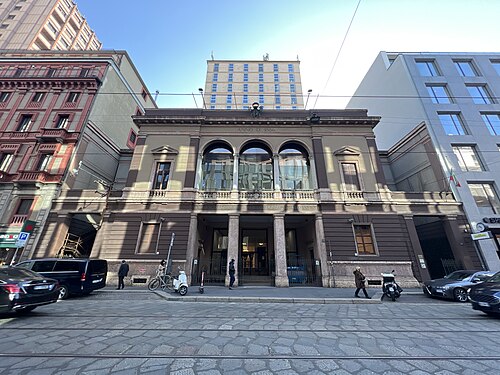
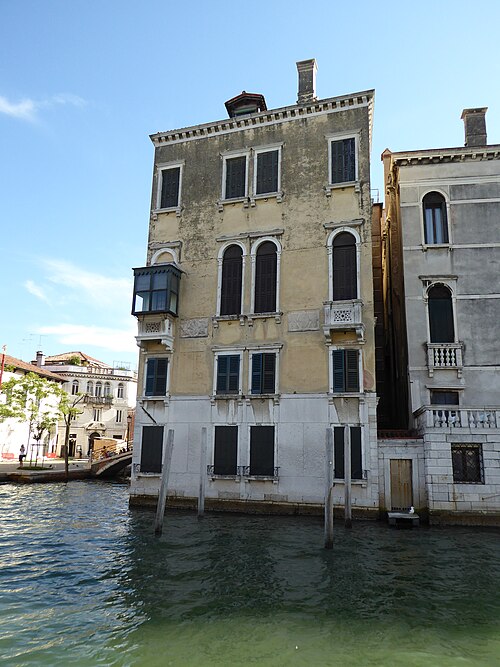
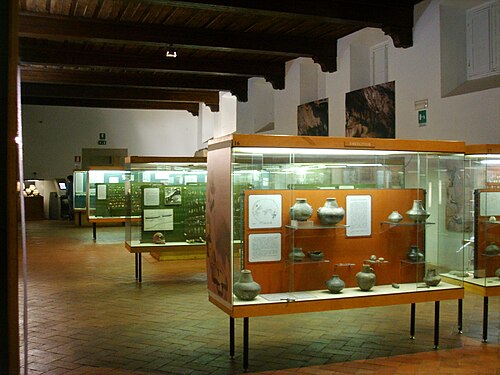
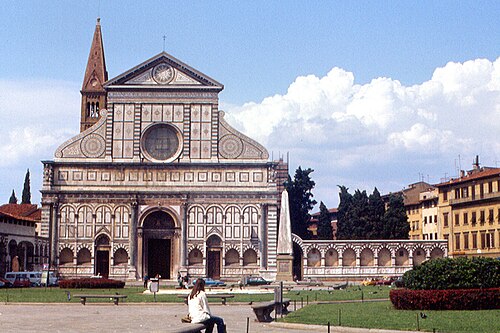
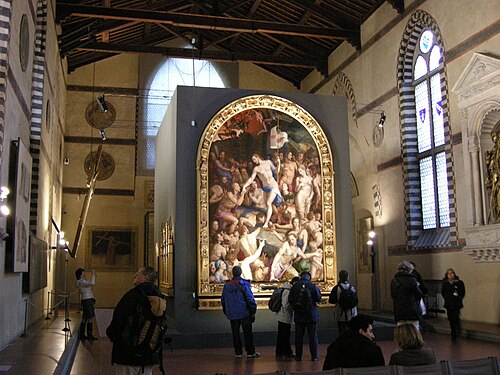
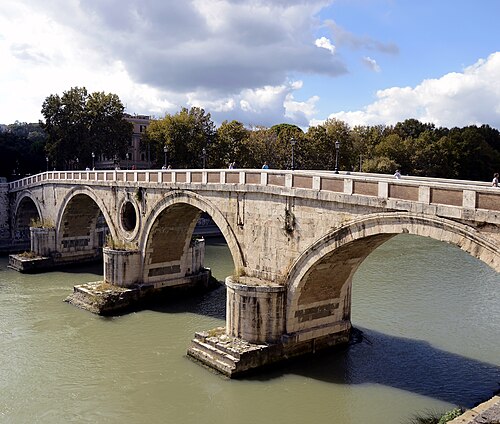
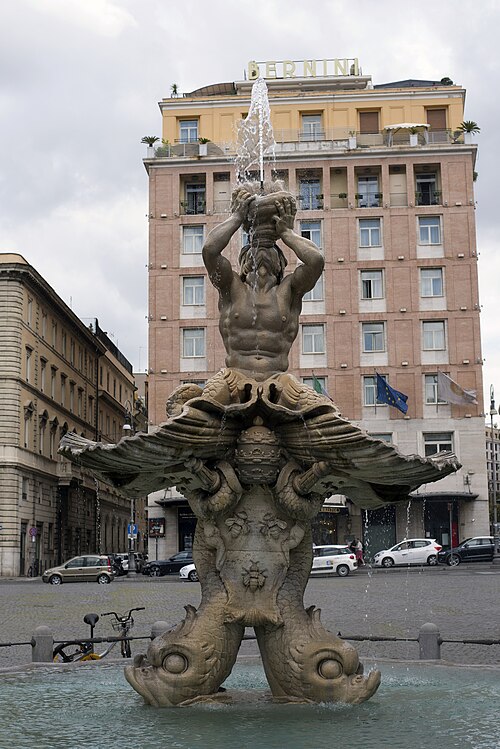
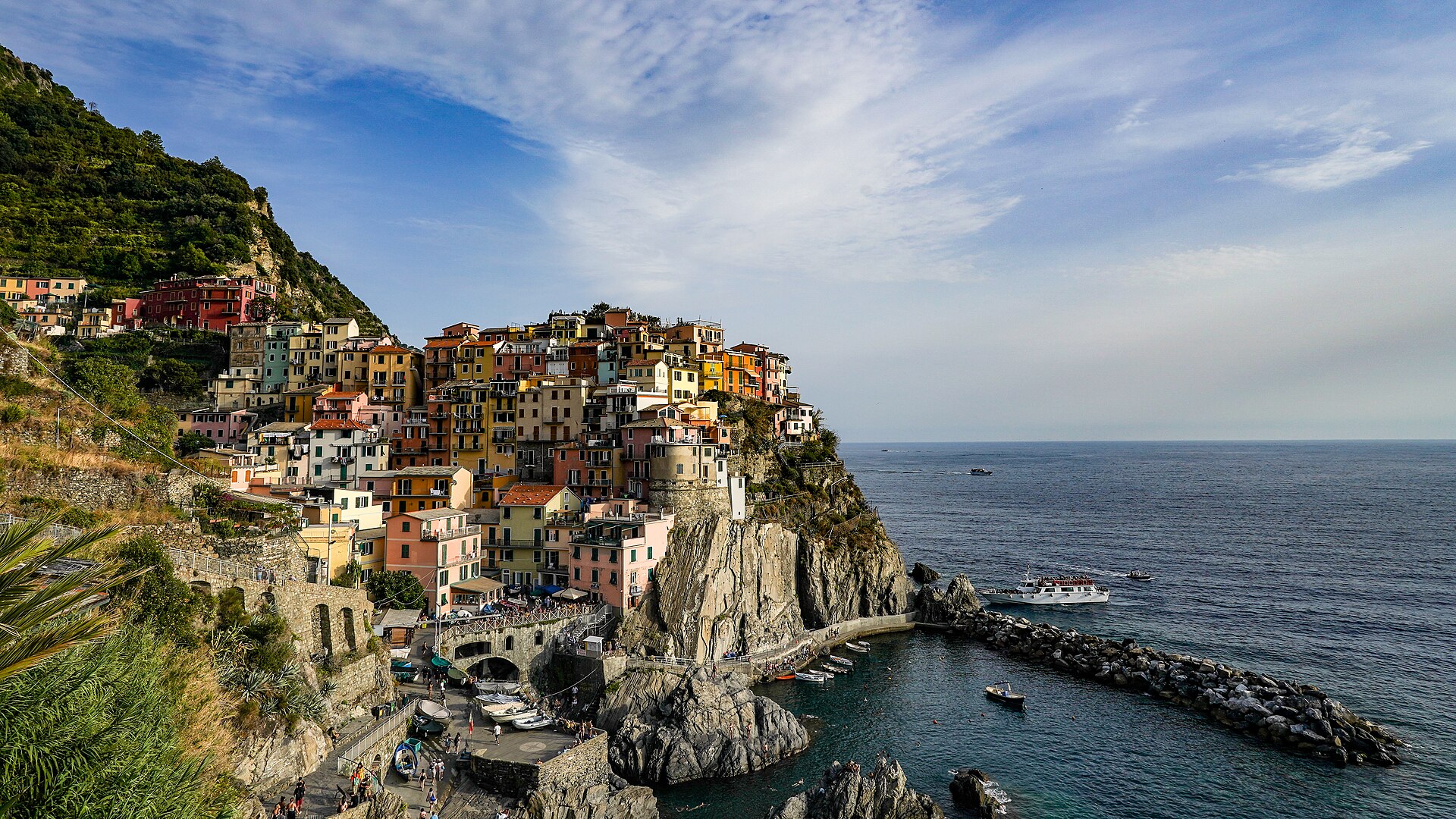
Photograph · Daniel Case · CC BY-SA 3.0
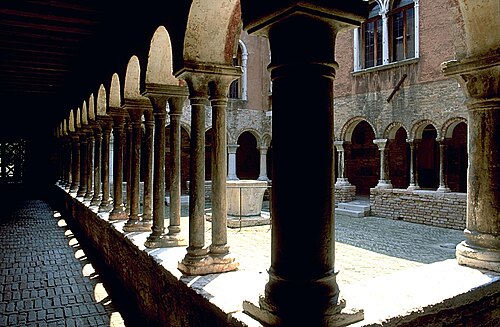
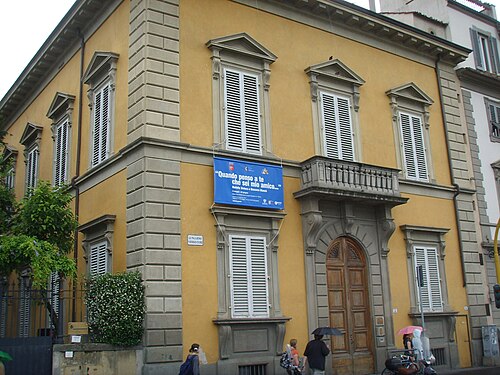
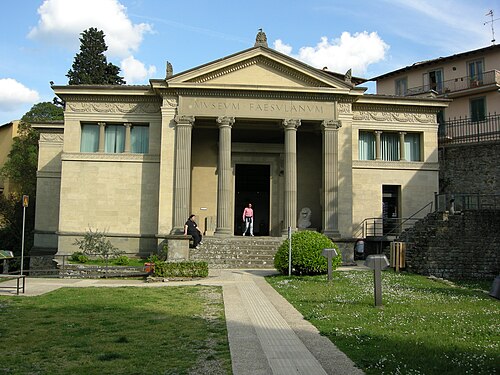
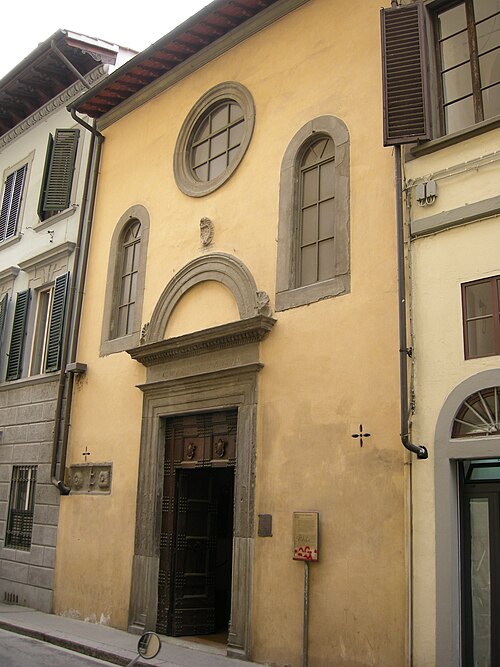
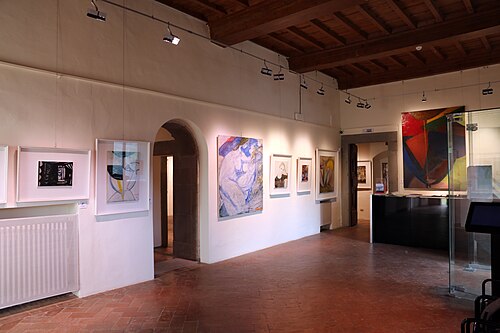
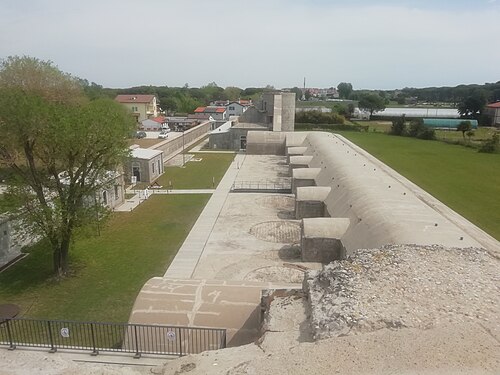
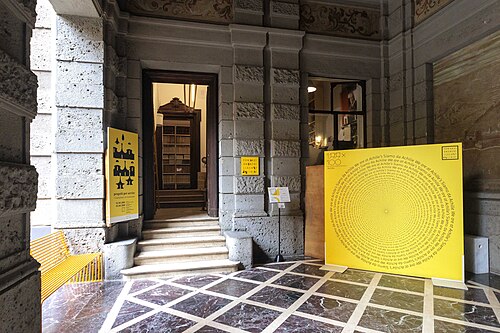
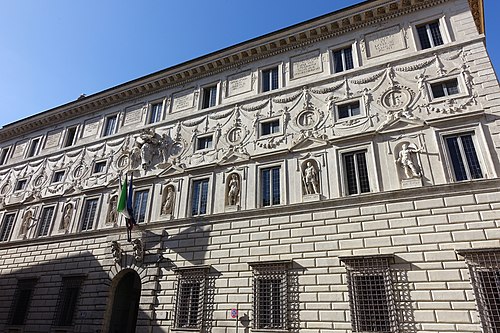
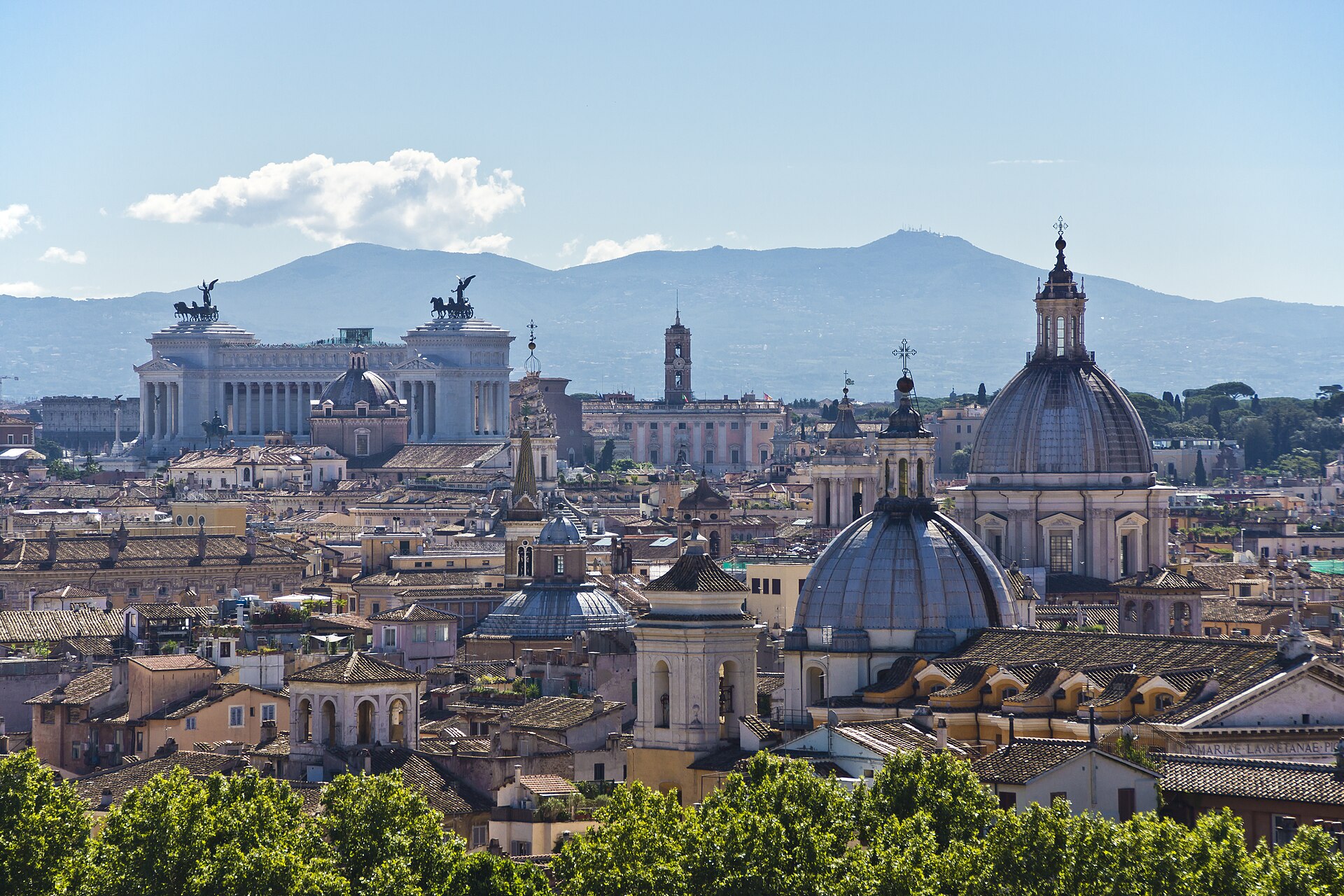
Photograph · Wikibusters · CC BY-SA 4.0
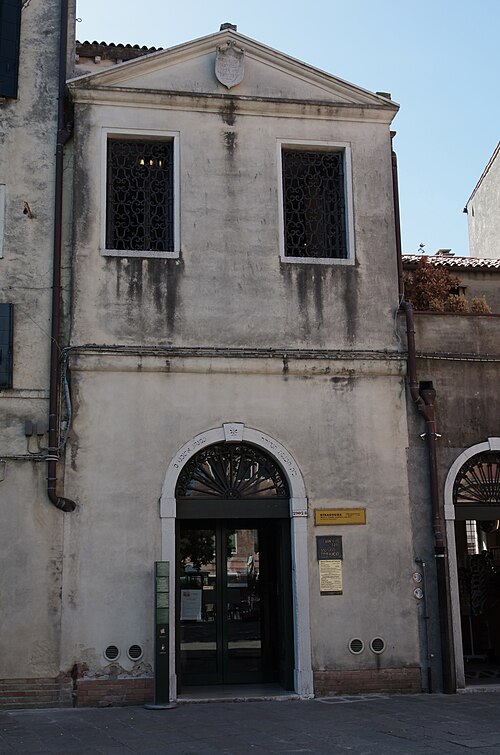
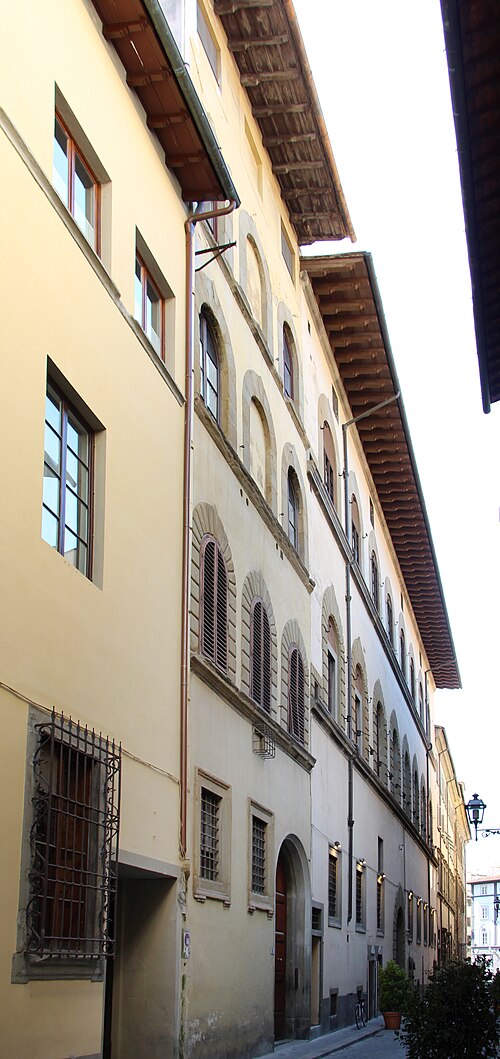
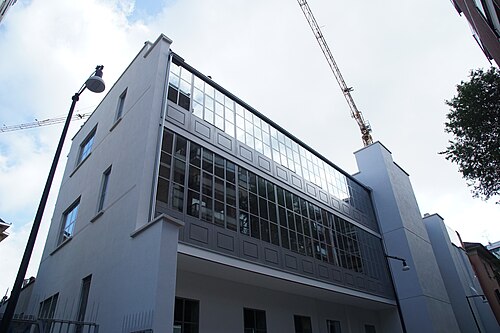
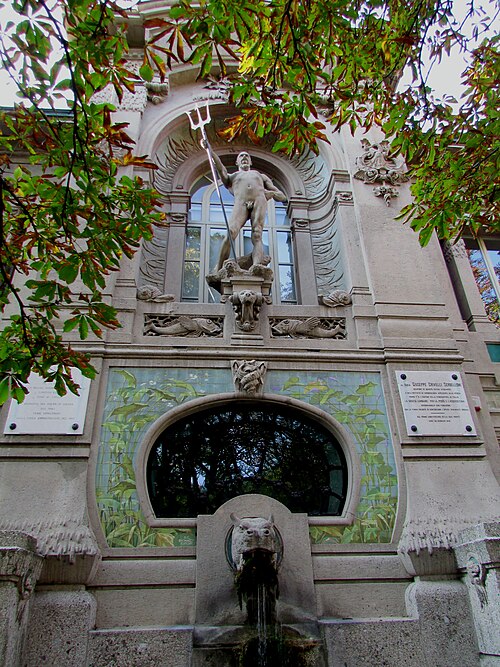
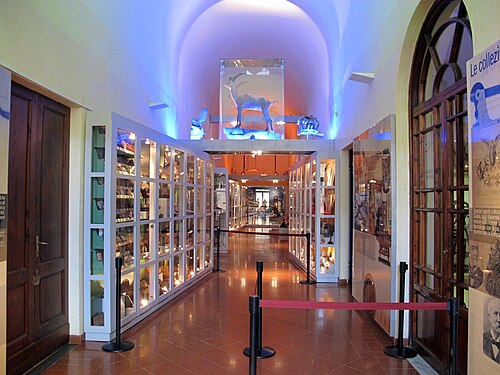
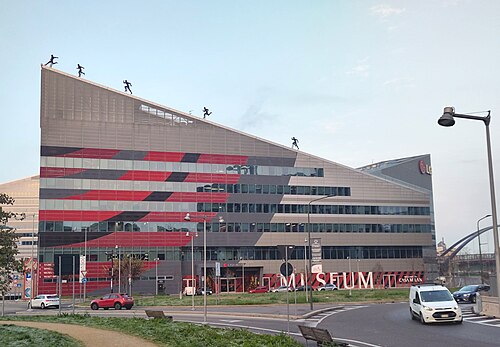
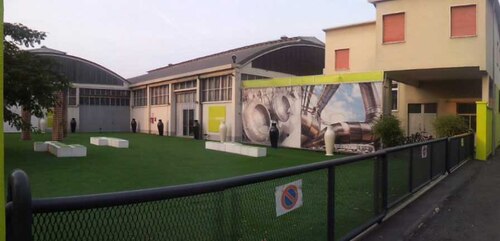
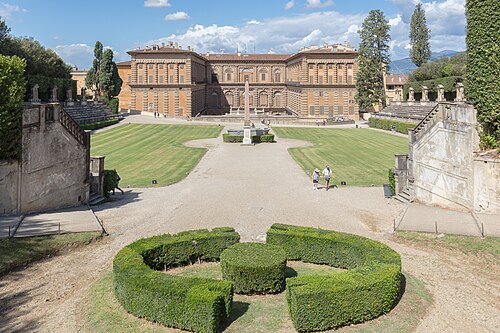
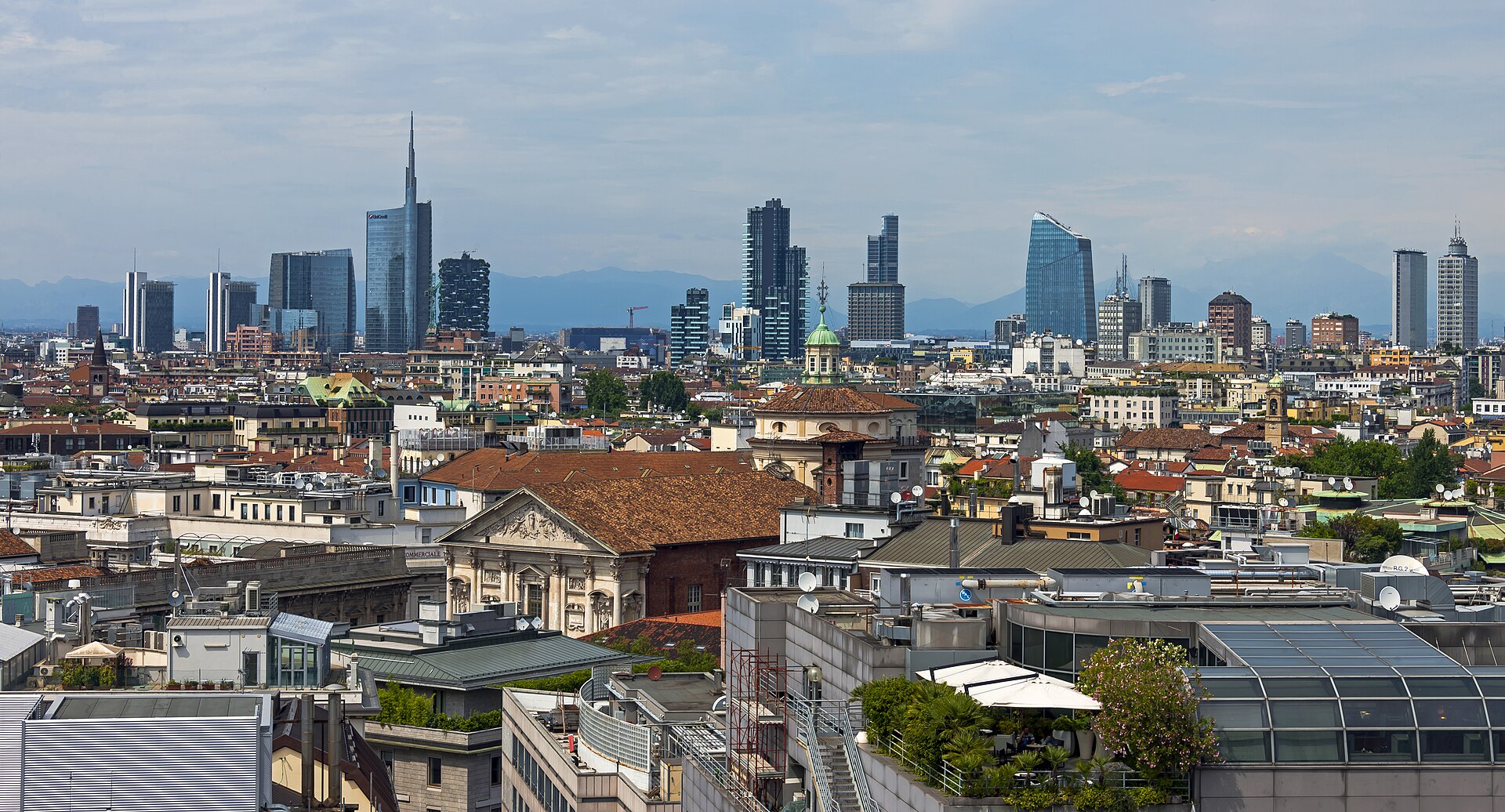
Photograph · Martin Falbisoner · CC BY-SA 4.0
Ranked by importance — sitelinks, pageviews and heritage status, not editor preference.
177 places match
Category
Typical visit duration
Interests
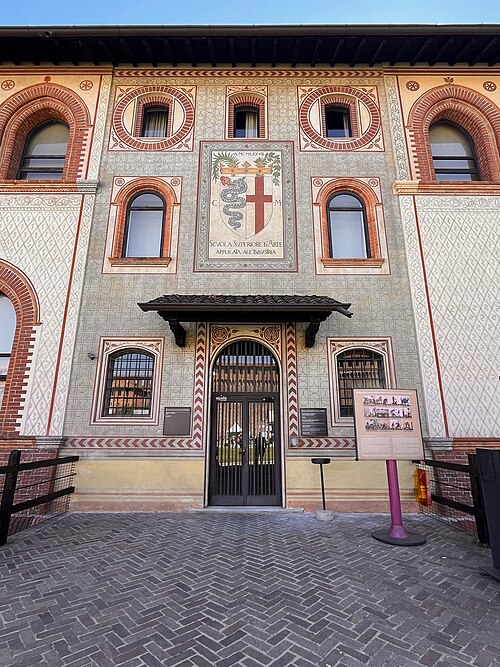
Museo d'Arte Antica is a museum in Milan dedicated to ancient and medieval art. It forms part of the Sforza Castle complex, one of the city's most significant historical monuments.
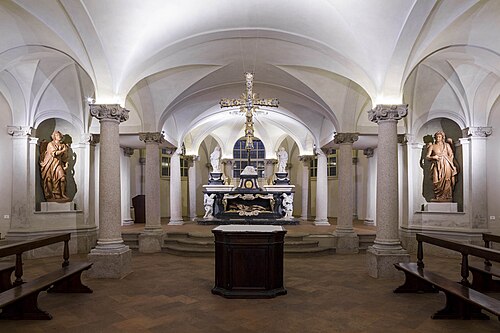
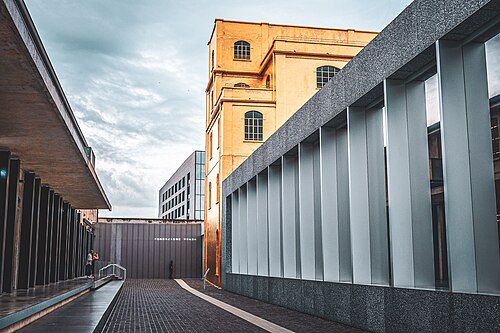
Fondazione Prada is a contemporary art and cultural institution in Milan established by the Prada fashion house. It occupies a former industrial site that was transformed into an architectural complex.
M9 Museo 900
M9 Museum, known locally as M9 Museo 900, is a cultural institution in Venice dedicated to twentieth-century Italian history. The museum occupies a significant position within the city's museum landscape, offering visitors an exploration of recent historical narratives.
Studio Museo Francesco Messina
Museo Francesco Messina, also known as Studio Museo Francesco Messina, is a Milan museum devoted to the twentieth-century Italian sculptor Francesco Messina. The museum occupies the artist’s former studio, giving the visit a close connection with his working environment.
Museo Diocesano
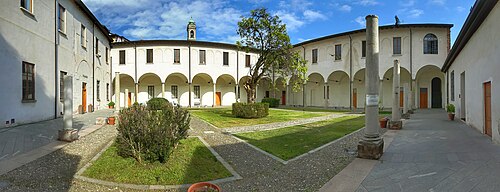
Museo diocesano d'arte sacra Sant'Apollonia is a sacred-art museum near San Marco, housed in the former Benedictine convent of Sant’Apollonia. Its works came from churches within the Venetian diocese and represent centuries of religious painting, sculpture and decorative art.
Museo Ebraico
The Museo Ebraico di Venezia sits in the historic Venetian Ghetto in Cannaregio, a district established in 1516 and among Europe’s oldest segregated Jewish quarters.
Oratorio dei Crociferi is a small Venetian oratory in Cannaregio, associated with the Crociferi religious order. It belongs to the quieter, more intimate layer of Venice’s ecclesiastical heritage, away from the scale of the city’s celebrated basilicas.
Museo della Permanente
The Society for Fine Arts and Permanent Exhibition, known locally as Museo della Permanente, is a Milan cultural institution devoted to visual art.
Museo Casa Rodolfo Siviero
Casa museo Rodolfo Siviero is a house museum in Florence devoted to Rodolfo Siviero, the art historian and secret agent known for recovering Italian artworks looted during World War II.
Casa Giorgio Vasari
Casa Giorgio Vasari is a historic house museum in Florence, the former residence of the Renaissance artist, architect, and writer Giorgio Vasari. Located in the city centre, this property served as both his home and studio.
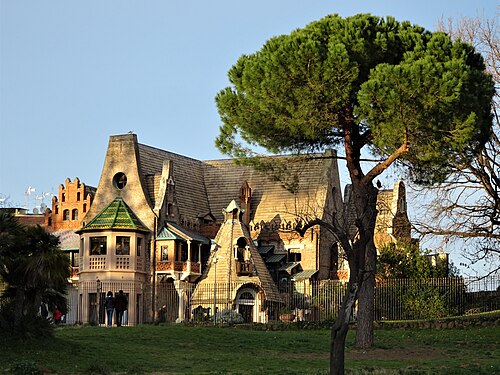
La Casina delle Civette
The Casina delle Civette, known locally as La Casina delle Civette, is a historic building located within the Villa Torlonia park in Rome.
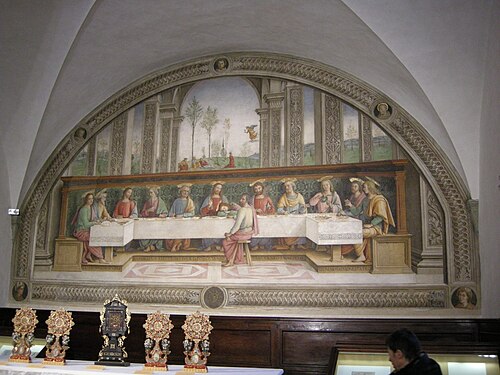
Cenacolo del Fuligno
The Cenacolo di Fuligno, also known as the Cenacolo del Fuligno, is a religious art site in Florence. It houses a significant Renaissance fresco depicting the Last Supper.
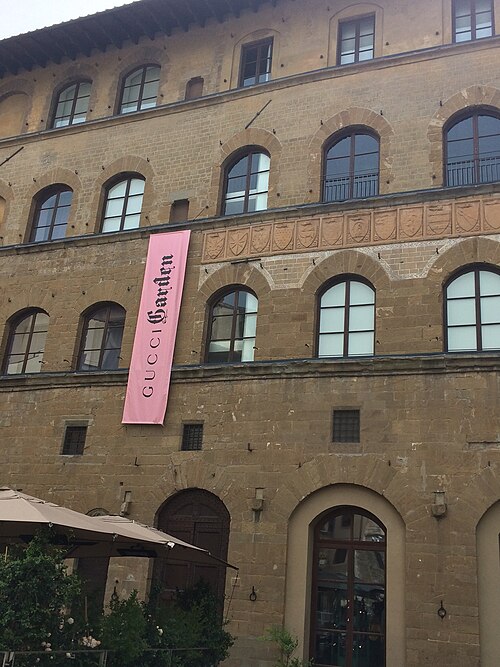
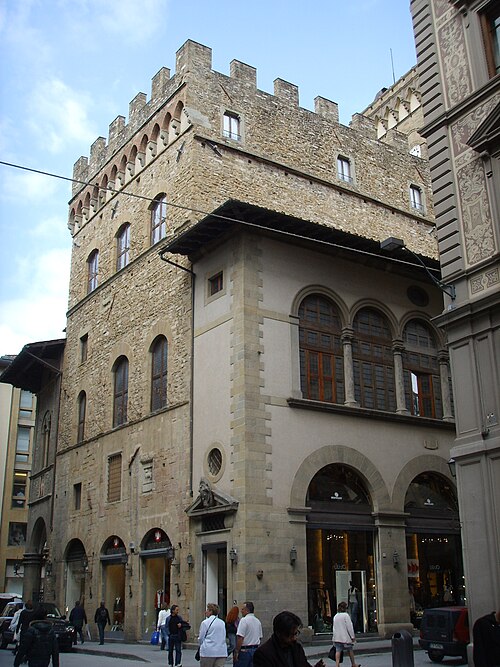
The Gucci Museum presents the history of the Florentine luxury house founded by Guccio Gucci in 1921. Set in the historic Palazzo della Mercanzia near Piazza della Signoria, it connects fashion objects with Florence’s traditions of craftsmanship, commerce, and design.
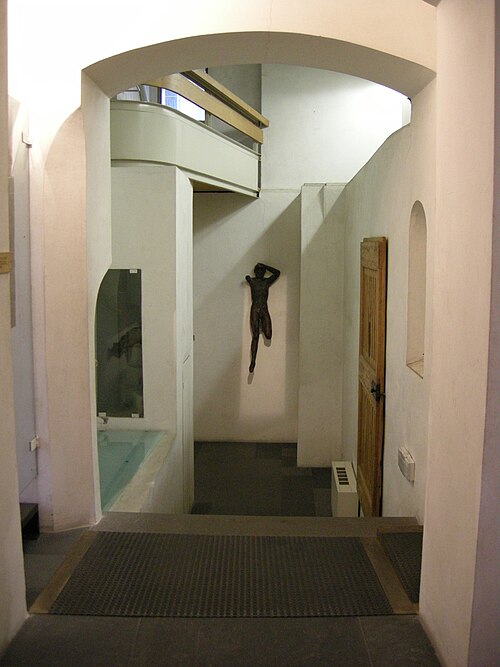
Museo Marino Marini (Chiesa di San Pancrazio)
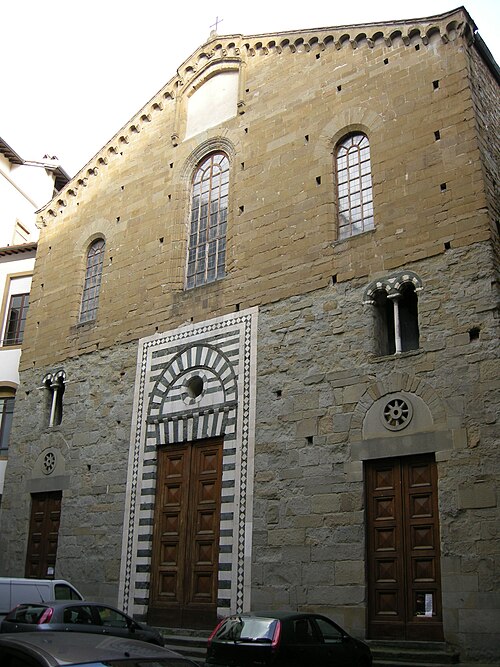
The Marino Marini Museum occupies the deconsecrated Chiesa di San Pancrazio in central Florence. It is dedicated to the work of Marino Marini, the twentieth-century Italian sculptor and painter.
Museo di Orsanmichele
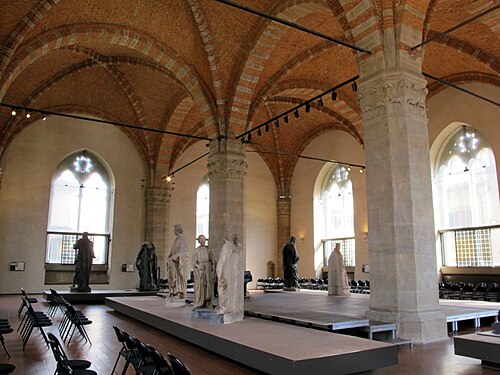
The Museum of Orsanmichele occupies a distinctive building in Florence's historic centre, originally constructed as a grain market in the late thirteenth century before conversion to a church.
Cenacolo Andrea del Sarto
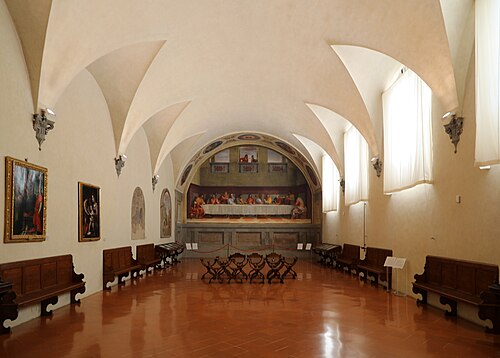
The Museum of the Last Supper of Andrea del Sarto, also called Cenacolo Andrea del Sarto, presents Andrea del Sarto’s Last Supper fresco in Florence.
Chiesa di Santo Stefano al Ponte
Santo Stefano al Ponte is a historic church in Florence’s compact centre, close to Ponte Vecchio and the Arno.
Grande Museo del Duomo di Milano
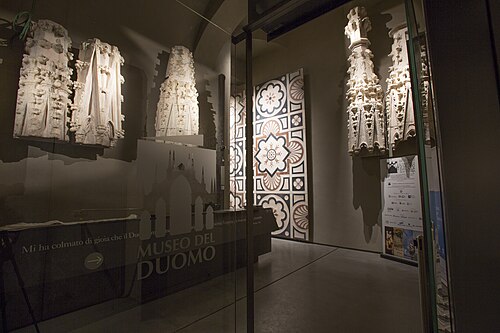
The Grande Museo del Duomo di Milano is the museum dedicated to Milan's iconic cathedral. It preserves and displays artifacts related to the Duomo's six-century construction history, including sculptures, paintings, stained glass, and architectural fragments.
Mudec
MUDEC, the Museum of Cultures, is a contemporary Milan museum devoted to cultures from around the world.
Museo di icone
The Museum of Icons, also known locally as Museo di icone, is devoted to Eastern Christian religious art. Its collection centers on icons painted on wooden panels within Byzantine and post-Byzantine traditions.
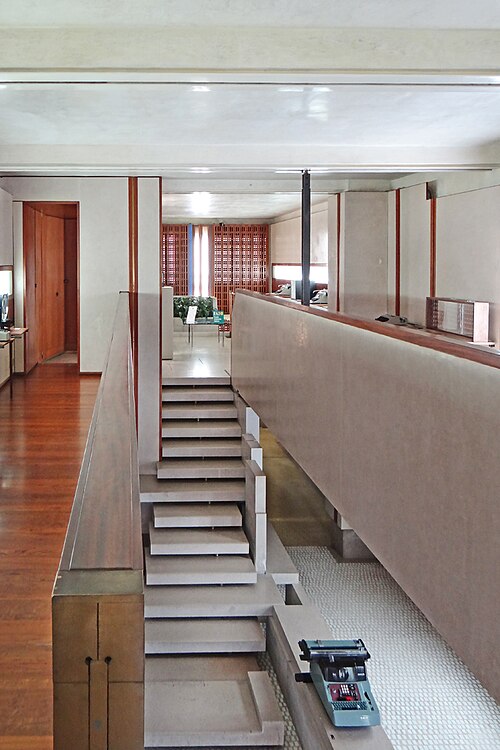
Negozio Olivetti
The Olivetti Exhibition Centre, known locally as Negozio Olivetti, is a historic showroom located in Venice, Italy. It was originally designed as a retail space for the Olivetti typewriter company, showcasing the firm's commitment to modernist design and corporate architecture.
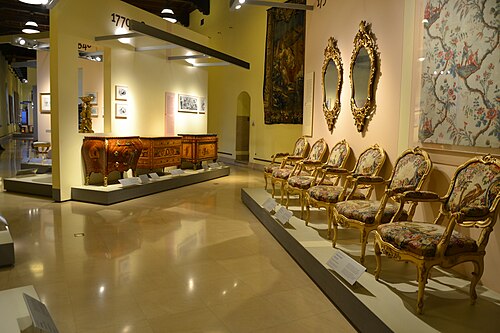
Museo dei Mobili e delle Sculture Lignee
The Antique Furniture & Wooden Sculpture Museum, also known as Museo dei Mobili e delle Sculture Lignee, is a Milan museum devoted to furniture and sculpture made from wood.
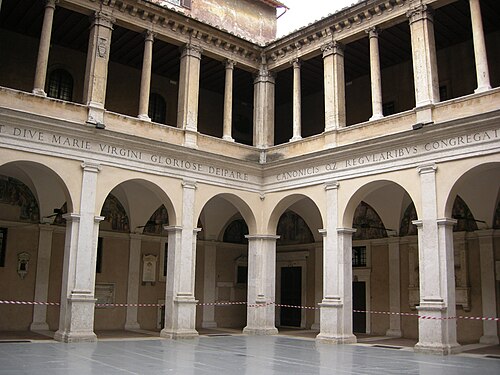
Chiostro del Bramante
The Chiostro del Bramante is a Renaissance cloister in Rome, attributed to the architect Donato Bramante. It forms part of the larger complex that includes the church of Santa Maria della Pace.
Giardino di Archimede - Un Museo per la Matematica
The Garden of Archimedes, or Giardino di Archimede – Un Museo per la Matematica, is a mathematics museum in Florence. Its purpose is to make mathematical ideas tangible through interactive exhibits and educational displays.
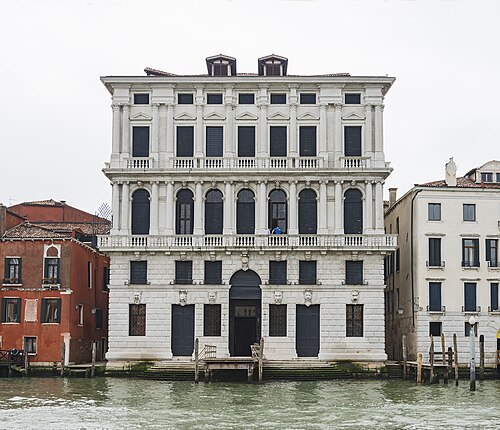
Palazzo Loredan Cini stands as a historic palace in Venice, positioned along the Grand Canal in the San Marco district. The building represents Venetian Gothic architecture with its characteristic waterfront facade.
Museo Civico Archeologico
The Archaeological Museum of Fiesole, locally Museo Civico Archeologico, stands in the hill town of Fiesole overlooking Florence. It occupies a purpose-built structure near the ancient Etruscan and Roman archaeological zone.
Casa degli artisti
Casa degli Artisti is a historic artists’ house in Milan and a cultural venue devoted to creative work and artistic residence.
La Fabbrica dei Saperi
Comune vecchio is the local name associated with La Fabbrica dei Saperi in Florence. The name connects the place with an older municipal identity and with the idea of a house of knowledge or learning.
Museo fiorentino di preistoria "Paolo Graziosi"
The Museo Fiorentino di Preistoria is a Florence museum dedicated to prehistoric studies. Named after Paolo Graziosi, a significant figure in Italian prehistoric archaeology, it preserves and presents materials related to early human history.
Oratorio di San Sebastiano de' Bini
San Sebastiano de' Bini, also known as Oratorio di San Sebastiano de' Bini, is a religious oratory in Florence.
Acquario Civico
The Civic Aquarium of Milan, known locally as Acquario Civico, stands as a historic zoological institution in northern Italy's largest metropolitan area. Established in the early twentieth century, this architectural landmark occupies a prominent position within Milan's urban fabric.
The Civica raccolta delle stampe Achille Bertarelli is a civic print collection in Milan, Italy. Named after its founder Achille Bertarelli, this institution preserves and displays historical prints, engravings, and related graphic works.
Istituto Veneto di Scienze Lettere ed Arti
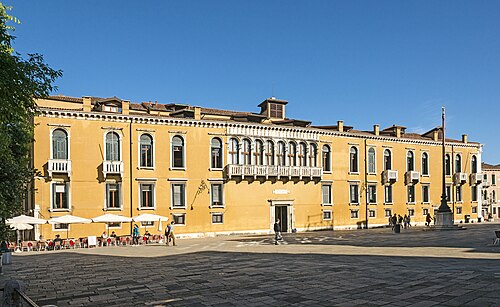
The Istituto Veneto di Scienze, Lettere ed Arti is a historic learned institution in Venice, founded in 1838 and housed in the Palazzo Cavalli Franchetti on the Grand Canal.
Antiquarium Alda Levi
Milan Antiquarium, also known as Antiquarium Alda Levi, is an archaeological museum devoted to the material history of Milan and its surrounding area. It preserves objects that connect the modern city with earlier communities and successive periods of occupation.
Collezione Luigi Bellini
The Museo Bellini, locally known as Collezione Luigi Bellini, is a museum in Florence housing the private collection of the Bellini family. It displays artworks and antiquities accumulated over generations by this prominent dynasty of Florentine art dealers and collectors.
Museo del viaggio Fabrizio De André
The Museum Fabrizio De André, also known as Museo del viaggio Fabrizio De André, is a Milan stop dedicated to the life, music and cultural legacy of the Italian singer-songwriter.
Museo San fedele
Museo San Fedele is a cultural museum within Milan’s historic San Fedele complex, beside the church of the same name.
Museo Nazionale Alinari della Fotografia
Museo Novecento is a museum in Florence dedicated to twentieth-century Italian art. It occupies a prominent position in the historic centre, near Piazza Santa Maria Novella.
Palazzo dell'Arte della Lana is a historic palace in Florence, Italy, associated with the Wool Merchants' Guild, one of the city's most powerful medieval trade associations.
Museo della Macchina da Scrivere
Museo Macchina da Scrivere is a specialist Milan museum devoted to typewriters and other writing machines. Its focus makes it a distinctive stop for visitors interested in industrial design, mechanical engineering, office technology, and the history of communication.
Bioparco
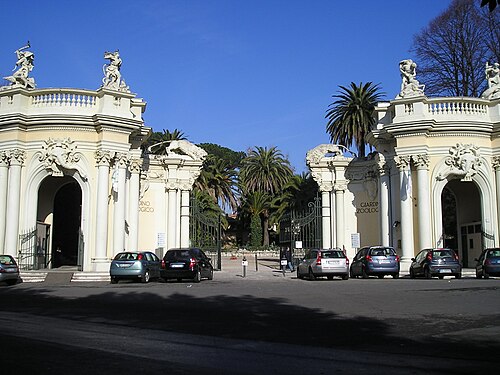
Bioparco di Roma is Rome’s zoological park, set inside the historic Villa Borghese estate. The park combines animal exhibits with mature gardens and shaded paths, making it a different kind of stop from Rome’s archaeological and church-based landmarks.
AEMuseum is a named museum point of interest in Milan.
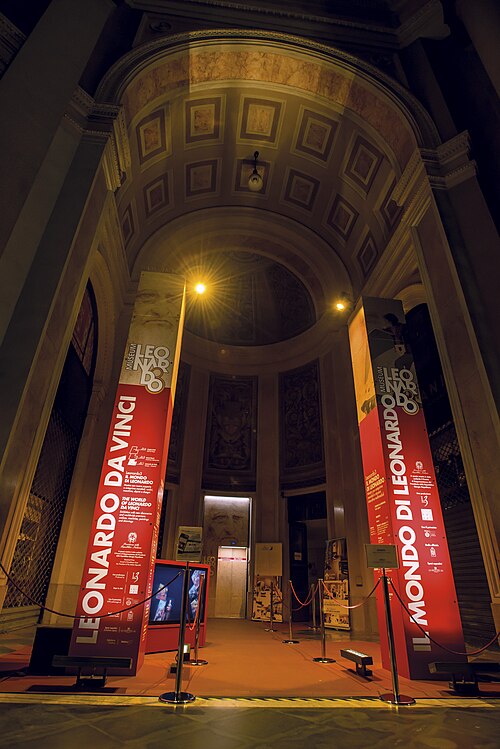
Leonardo3 Museum - Il Mondo di Leonardo
Leonardo3 Museum - Il Mondo di Leonardo is an interactive museum in Milan dedicated to Leonardo da Vinci's work as inventor, engineer, scientist and artist.
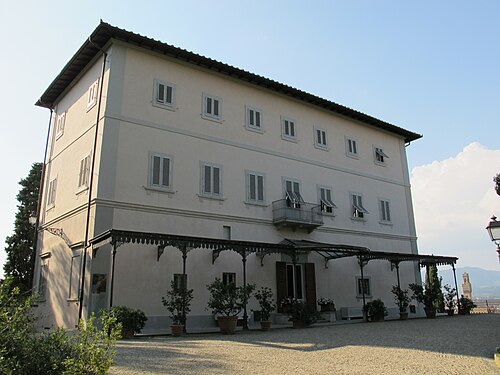
Villa Bardini is a historic villa and garden complex in Florence, situated on a hillside with elevated views across the city. The property encompasses a Baroque villa, extensive terraced gardens, and an orchard.
Giardino delle Scuderie Reali e Edificio delle Pagliere is a Florence heritage site combining a garden with buildings linked by name to royal stables and straw-storage functions.
The Museo delle pentole nella storia is a museum in Milan dedicated to pots and cookware throughout history. Its Italian name translates to Museum of Pots in History.
Museo di Santa Maria Novella occupies historic convent spaces beside the Basilica of Santa Maria Novella in central Florence. The museum preserves cloisters, chapter rooms, chapels, and other areas once used by the Dominican community.
Museo della Fondazione Primo Conti
Museo Primo Conti, also known as Museo della Fondazione Primo Conti, is a specialized Florence museum devoted to the Italian painter Primo Conti.
Fondazione Scienza e tecnica
Fondazione Scienza e Tecnica is a Florence institution devoted to scientific and technological heritage.
Museo storico dei vigili del fuoco di Milano
The Historical Fire Brigade Museum of Milan preserves the story of firefighting in Italy’s second-largest city. The collection connects Milan’s local fire-service history with the wider Corpo Nazionale dei Vigili del Fuoco, Italy’s national fire and rescue service.
Museo dell' Opera di Santa Croce
The Museo dell'Opera di Santa Croce is a museum complex integrated with the Basilica of Santa Croce in Florence. It occupies former monastic spaces including the refectory and other areas adjacent to the famous Franciscan church.
Batteria Vettor Pisani
Batteria Pisani, also known as Batteria Vettor Pisani, is a military heritage site connected with Venice’s lagoon defenses. Its name links the place with the Venetian admiral Vettor Pisani and the city’s maritime history.
Museo Casa Andrich
Museo Andrich, also known as Museo Casa Andrich, is a small house museum in Venice. Its identity is tied to an intimate domestic setting rather than the scale of the city’s major public museums.
Museo Mondo Milan is a museum dedicated to the history and culture of AC Milan, one of Italy's most storied football clubs.
Museo d'arte Paolo Pini
MAPP Museo d'Arte Paolo Pini is a Milan museum dedicated to art and identified locally as Museo d'arte Paolo Pini. It broadens the city's cultural landscape beyond internationally famous museums and landmark collections.
Fondazione Salvatore Romano
The Salvatore Romano Foundation is a Florence museum devoted to the art collection assembled by Salvatore Romano. It offers a smaller-scale experience within the city’s exceptionally rich museum landscape.
Ponte Sisto is a pedestrian bridge spanning the Tiber River in Rome's historic centre, connecting the Trastevere neighbourhood to the Campo de' Fiori area on the east bank.
Studio Museo Achille Castiglioni
Fondazione Achille Castiglioni is a studio-museum dedicated to the influential Italian industrial designer Achille Castiglioni, located in Milan.
Museo della Misericordia
The Museo della Misericordia is a museum in Florence dedicated to the history of the Venerabile Arciconfraternita della Misericordia, one of the oldest charitable institutions in the city.
Zambon
Museo Zambon is a museum in Milan, identified by the local name Zambon. It belongs to the city’s broad cultural landscape and offers travelers another named destination to consider beyond Milan’s most famous museums.
Giardini di Villa Le Balze A Fiesole
Villa Le Balze is a historic villa and garden estate in Fiesole, on the hills above Florence. The name refers to the area’s cliffs and crags, fitting the property’s steep position above the Arno valley.
Fontana del Tritone is a Baroque fountain located in Piazza Barberini, central Rome. Designed by Gian Lorenzo Bernini and completed in 1643, it was commissioned by Pope Urban VIII Barberini.
Palazzo Spada is a historic palace in Rome’s Regola district, close to Campo de’ Fiori and Piazza Farnese. The building contains the Galleria Spada, a compact art museum formed from the collection of Cardinal Bernardino Spada and his family.
Auditorium Parco della Musica is a major cultural complex in Rome designed by architect Renzo Piano and opened in 2002. Its identity comes from live music, contemporary architecture and several performance spaces gathered around a central piazza.
Giardino di Boboli
The Boboli Gardens climb the hillside directly behind Pitti Palace and run south along the line of the old city walls as far as Porta Romana.
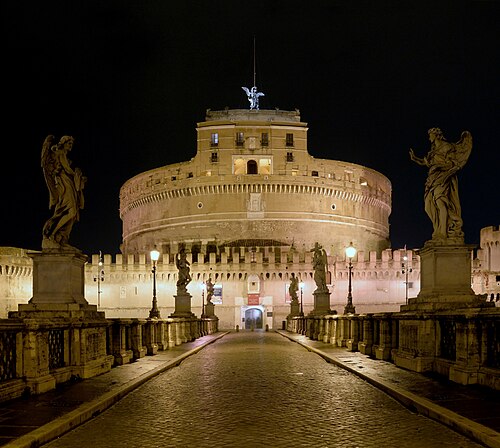
Castel Sant’Angelo
Castel Sant'Angelo is a single drum of brick and travertine on the right bank of the Tiber, and it has been four different buildings without ever being rebuilt.
The Roman Houses at Palazzo Valentini are archaeological remains of ancient Roman domus discovered beneath a Renaissance palace near Piazza Venezia in central Rome.
Fondazione Prada’s Venice venue occupies Ca’ Corner della Regina in the Santa Croce district, overlooking the Grand Canal. The operator dates the present palace to 1723–1728 and identifies Domenico Rossi as its architect for the Corner family of San Cassiano.
Fonderia Napoleonica Eugenia
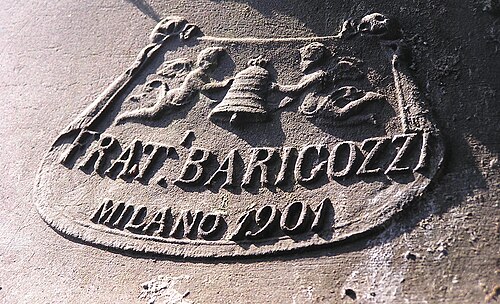
Fonderia Barigozzi, also known locally as Fonderia Napoleonica Eugenia, is a historic foundry site in Milan. It offers a glimpse into the city’s industrial past, when skilled metalworkers and manufacturing businesses formed an important part of Milan’s urban life.
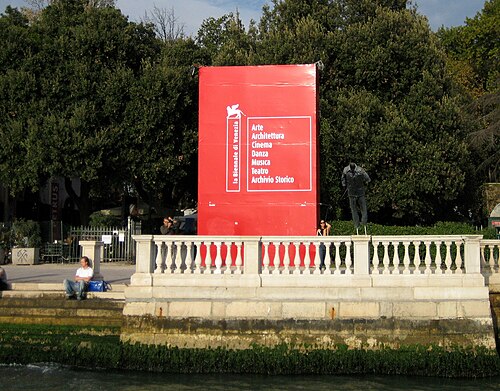
Giardini della Biennale is a historic park complex in the Castello district of Venice, Italy.
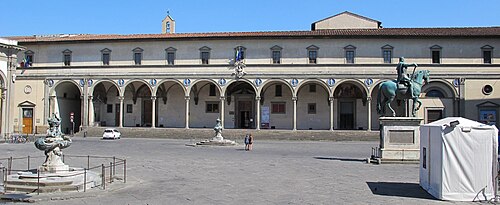
Spedale degli Innocenti
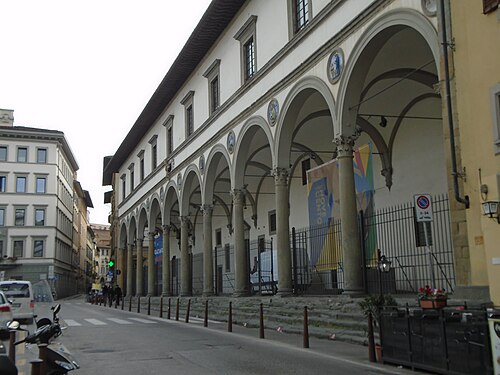
The Hospital of Innocents, or Spedale degli Innocenti, stands as one of Florence's most significant Renaissance buildings. Designed by Filippo Brunelleschi, it opened in 1445 as Europe's first dedicated orphanage.
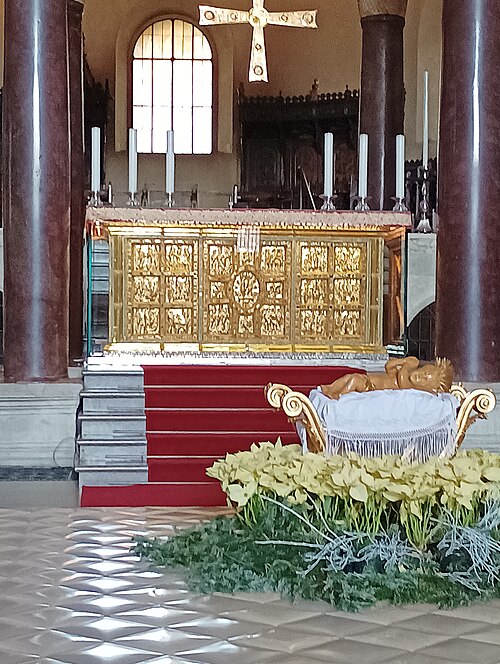
The Museo della Basilica di Sant'Ambrogio is a museum located within the historic Basilica di Sant'Ambrogio complex in Milan. The basilica itself is one of the city's most ancient and significant churches, founded by Saint Ambrose in the fourth century.
Museo de’ Medici explores the family whose political power, banking wealth, and artistic patronage shaped Florence and Tuscany.
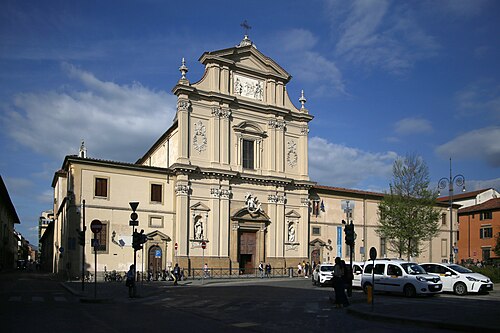
Museo di San Marco
The Museum of San Marco occupies a former Dominican convent in central Florence, Italy. The complex holds significant importance for its architectural history and its association with prominent figures of the Italian Renaissance.
Palazzo Strozzi is a Renaissance palace in central Florence, Italy. Built for the Strozzi family beginning in 1489, it represents one of the finest examples of secular Renaissance architecture in the city.
Villa Galileo is a historic residence in Florence associated with Galileo Galilei, the astronomer whose observations changed European ideas about the heavens.
Museo Civico "Umberto Mastroianni"
Source: OpenStreetMap contributors, Wikidata ·
Ten to fourteen days can combine Milan, Venice, Florence, and Rome by high-speed train. Give Venice more than a transfer night and Rome several separate sightseeing days; rural Tuscany needs different transport planning from the rail-linked cities.
Italy is in the Schengen Area, but visa and passport requirements vary by nationality and route. Use Italy's official visa portal to confirm the applicable rule before travel rather than relying on another Schengen trip.
High-speed trains connect Milan, Venice, Florence, and Rome, with regional rail and coaches serving smaller places. Drivers must check ZTL restrictions before entering historic centres because access controls are local and can generate fines.
April to June and September to October broadly suit the north-to-Rome rail route. Lagoon conditions in Venice, summer heat in Rome, and seasonal rural services in Tuscany should be checked independently.
Italy uses the euro (EUR). Carry a modest cash reserve for small purchases while using cards where accepted, and verify the euro amount at the terminal instead of accepting an unexamined conversion.
Italy routes emergency calls through 112. Travellers encounter a 230 V supply and Type C, F, or L receptacles. No tap-water assessment is recorded for Italy; obtain current local advice at the destination.