
.jpg)


101
45 min
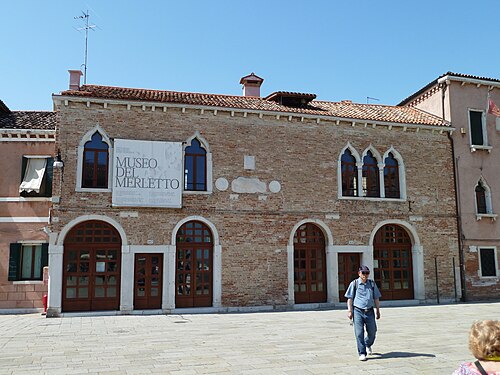
Burano Lace Museum
Museo del Merletto di Burano
The Lace Museum stands on Piazza Galuppi, the single square of Burano, in the historic palace of the Podestà of Torcello.
- High
- Museum
- Venice
Language · 11 published
Country guide
Italy holds 62 World Heritage Sites, more than any other country, spread across 301,340 km2 of land that runs from the Alps down into the middle of the Mediterranean. The distances between its cities are short and the differences between them are not: Venice has no roads, Naples sits under a volcano on a bay, Florence fits inside a walkable Renaissance grid, and Milan keeps its art indoors and works for a living. Rome is the capital and the obvious first trip; the argument is always about what comes second. Nearly 800 islands hang off the coast, and Sicily and Sardinia are each large enough to be a trip of their own.
Reviewed by Elena Voss · Roavina Travel Editor
Every city catalogued in this country so far, ranked by how much there is to see.
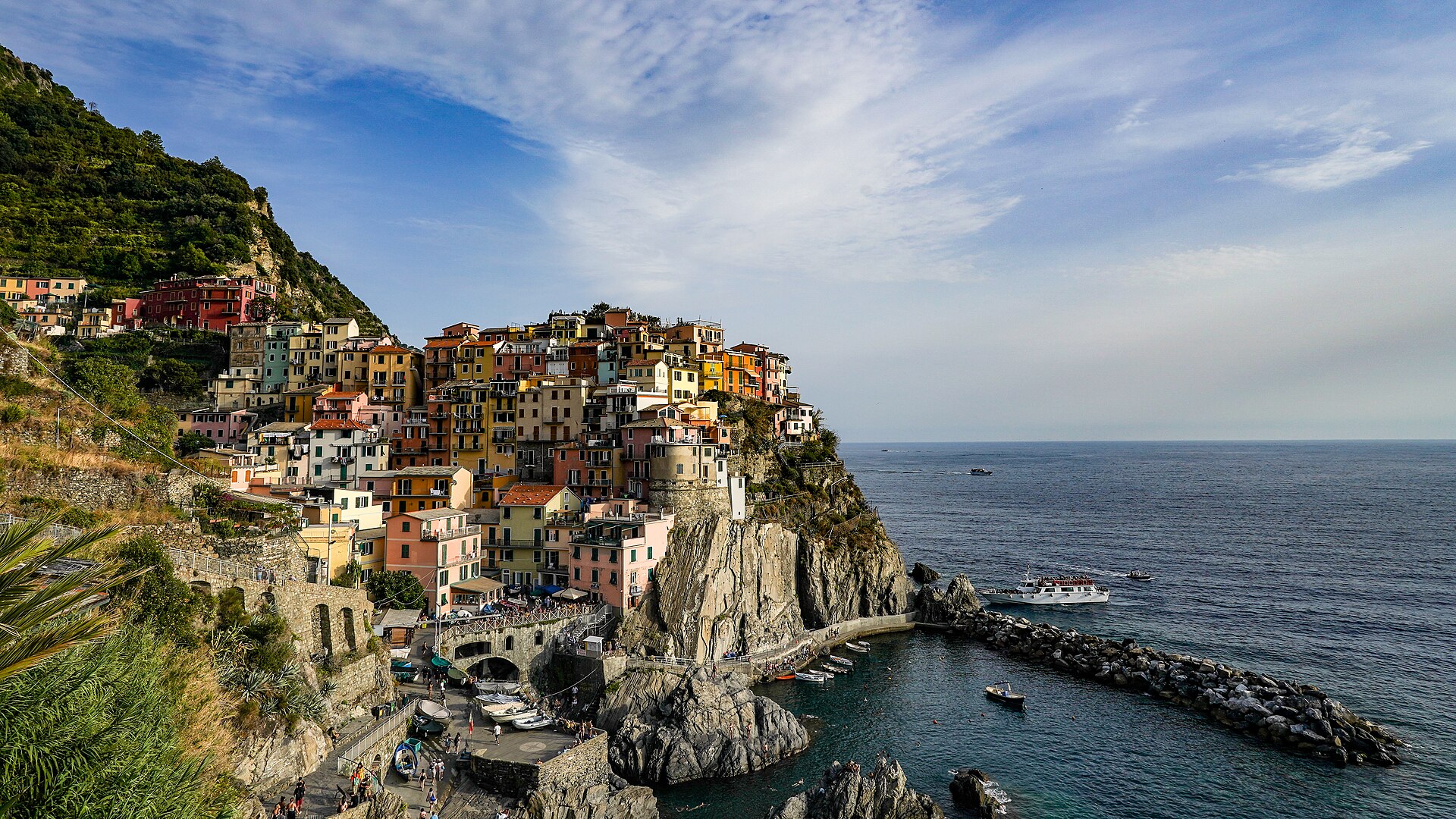
Photograph · Bert Kaufmann from Roermond, Netherlands · CC BY-SA 2.0
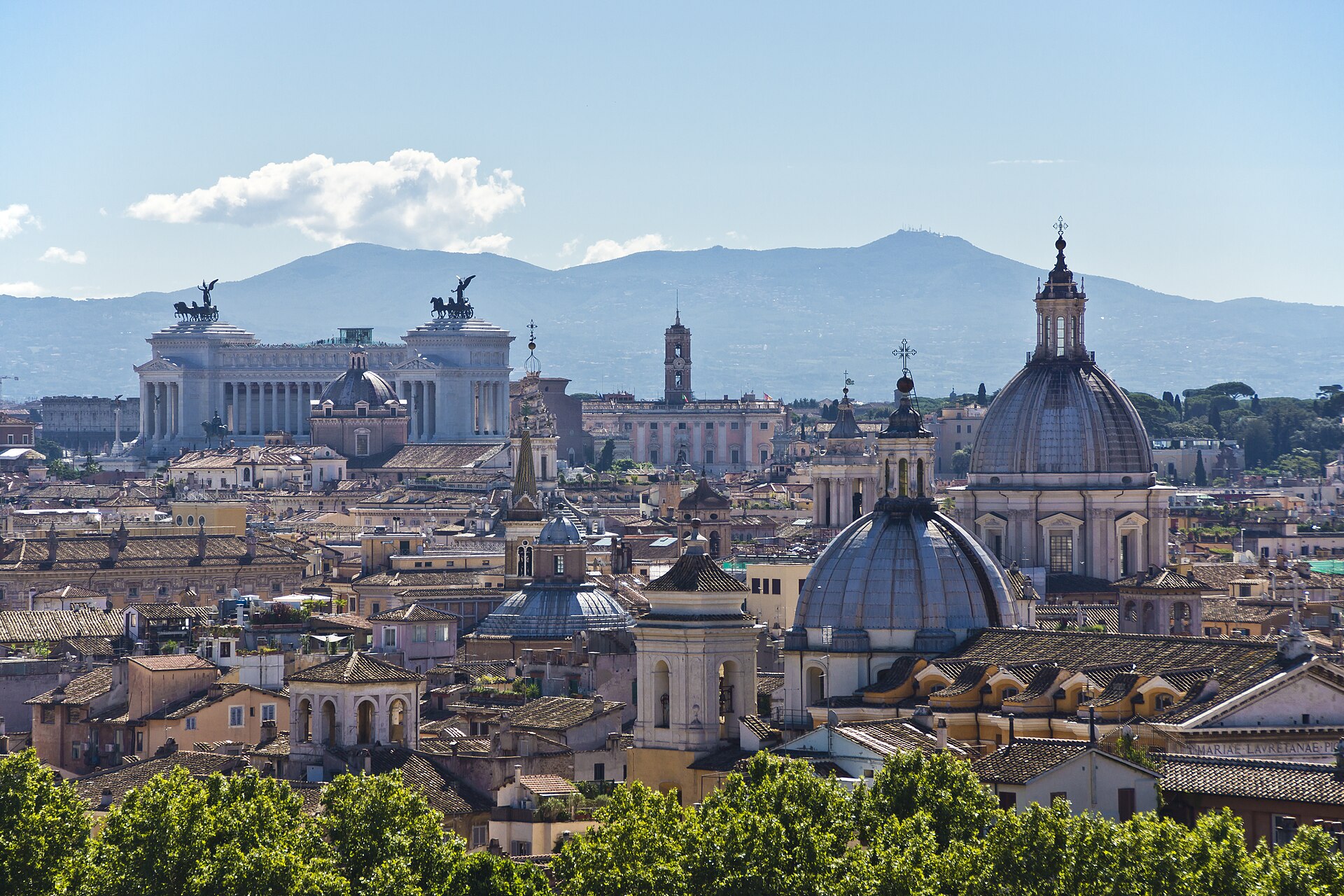
Photograph · Daniel Case · CC BY-SA 3.0
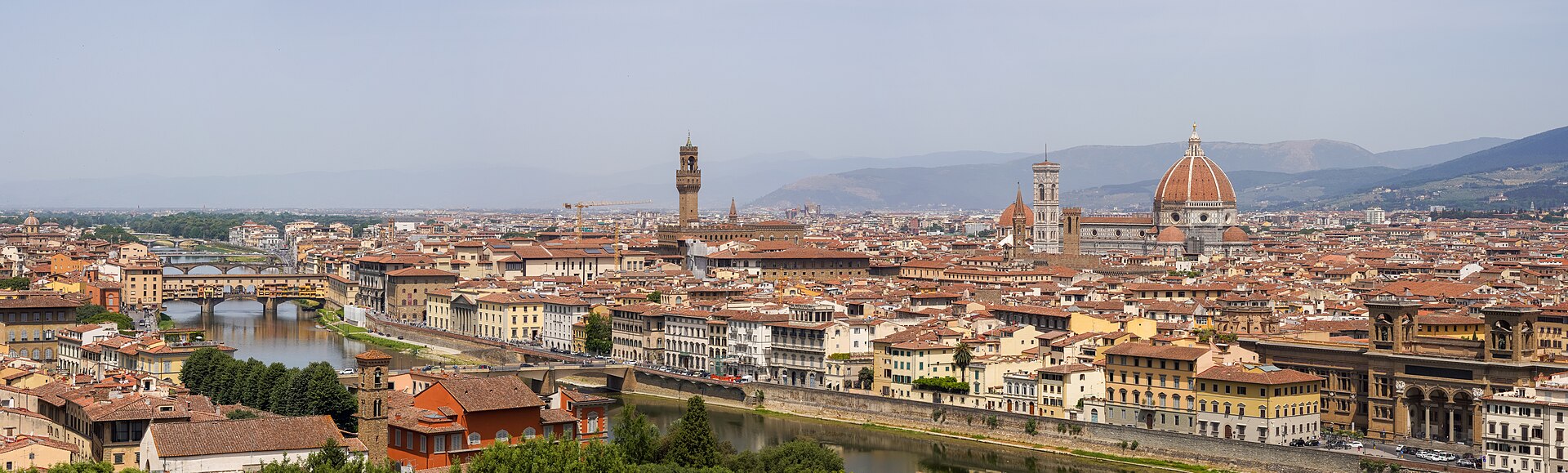
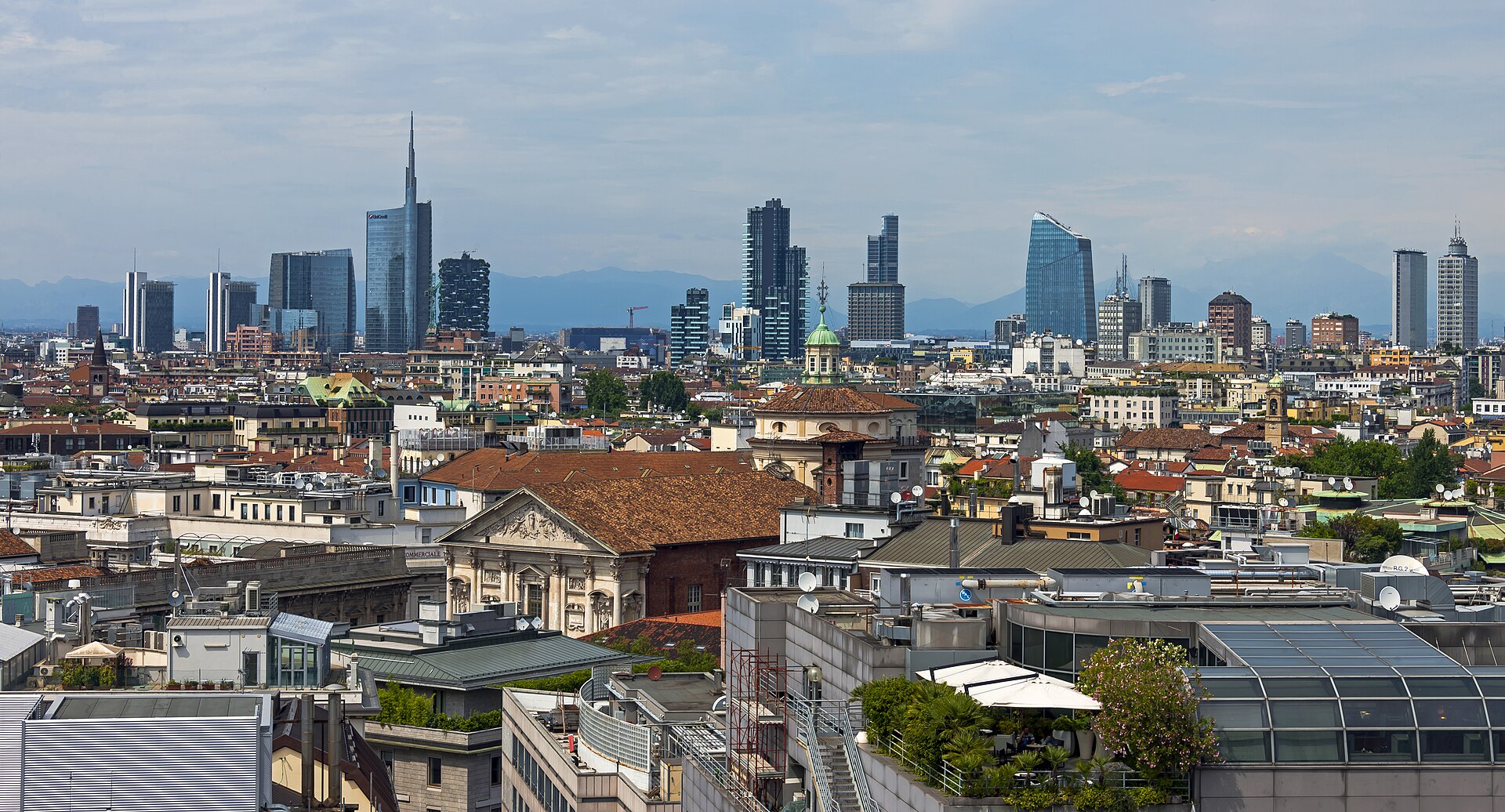
Photograph · Wikibusters · CC BY-SA 4.0

Photograph · Martin Falbisoner · CC BY-SA 4.0
Ranked by importance — sitelinks, pageviews and heritage status, not editor preference.
226 places match
Category
Typical visit duration
Interests
Museo del Merletto di Burano
The Lace Museum stands on Piazza Galuppi, the single square of Burano, in the historic palace of the Podestà of Torcello.
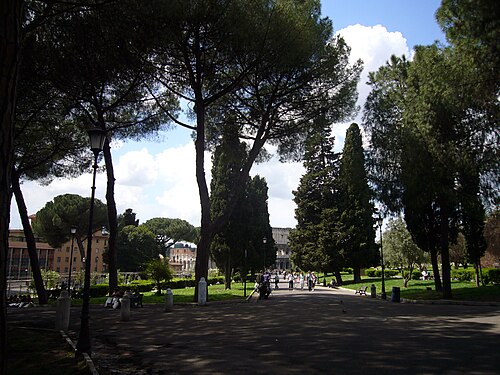
Parco del Colle Oppio
Oppian Hill Park, or Parco del Colle Oppio, is a public green space on Rome’s historic Oppian Hill in the Monti district.
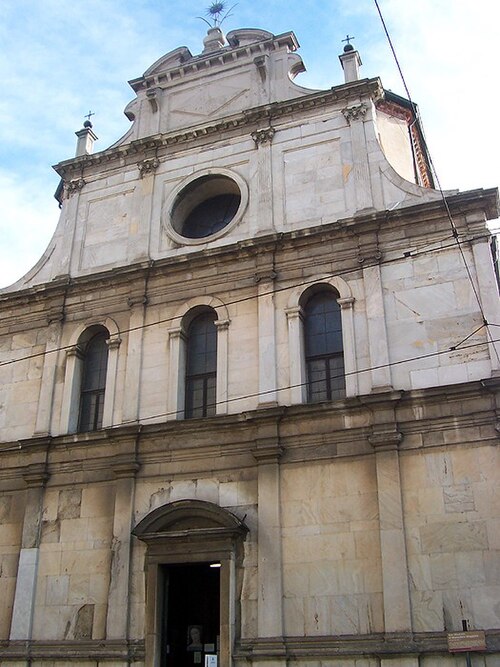
San Maurizio al Monastero Maggiore is a historic church complex in central Milan, originally constructed as part of a Benedictine convent. The building dates to the sixteenth century and occupies a significant place in Milanese religious architecture.
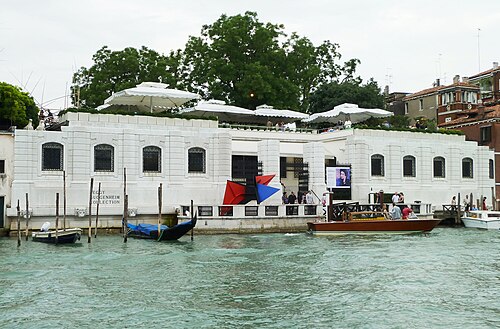
Collezione Peggy Guggenheim
The Peggy Guggenheim Collection is a modern art museum on Venice's Grand Canal. Housed in the Palazzo Venier dei Leoni, an unfinished 18th-century palace, it was the former home of American heiress Peggy Guggenheim.
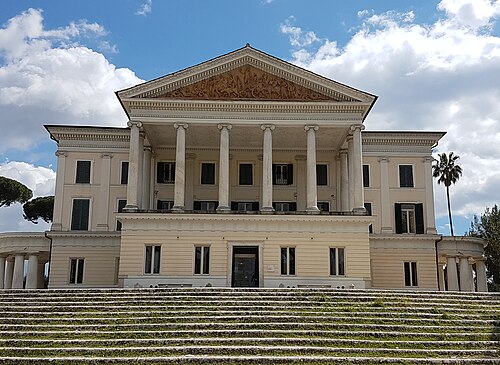
Villa Torlonia is a historic villa and public park in Rome, Italy. Originally a noble residence, it became state property and now serves as a cultural site with museums and gardens.
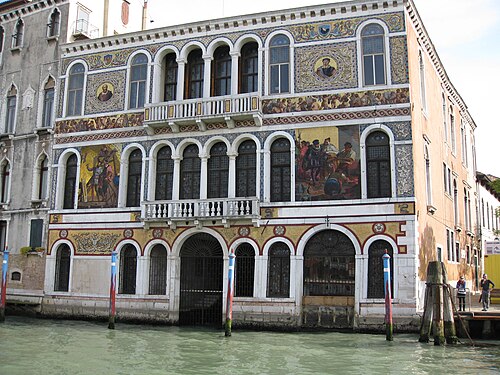
Palazzo Barbarigo is a historic palace on Venice's Grand Canal, associated with the Barbarigo family and the city's patrician residential tradition. Its facade combines Venetian Gothic character with later Renaissance changes, showing how noble houses evolved over time.
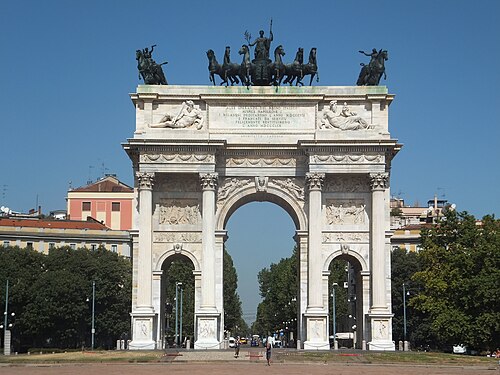
Arco della Pace
The Arco della Pace is a neoclassical triumphal arch in Milan, standing at the edge of Parco Sempione near the historic centre.
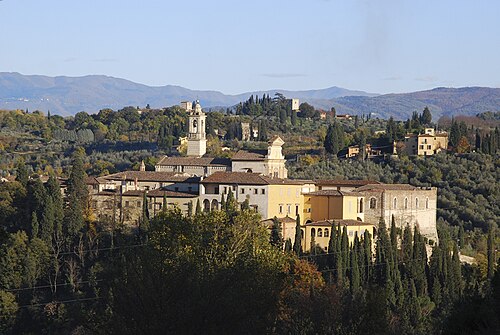
Certosa del Galluzzo
Florence Charterhouse, or Certosa del Galluzzo, is a Carthusian monastery on a hillside south of central Florence. Niccolò Acciaiuoli founded the complex in 1341.
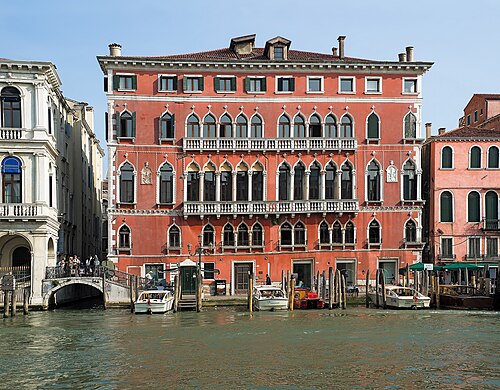
Palazzo Bembo is a historic palace on Venice’s Grand Canal, near the Rialto Bridge. Its Venetian Gothic character, together with later Renaissance elements, makes it a strong example of the layered palazzo facades lining the city’s principal waterway.
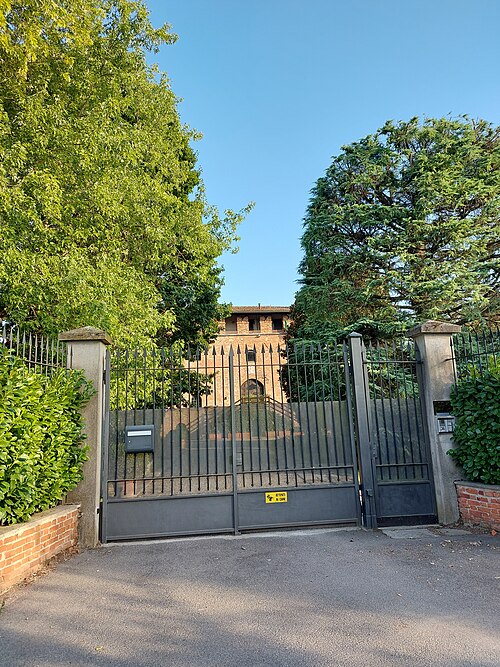
Castello di Macconago
Castle of Macconago, also known locally as Castello di Macconago, is a historic castle in the Milan area. Its fortified character connects the site with Lombardy’s tradition of defensive buildings and noble residences.
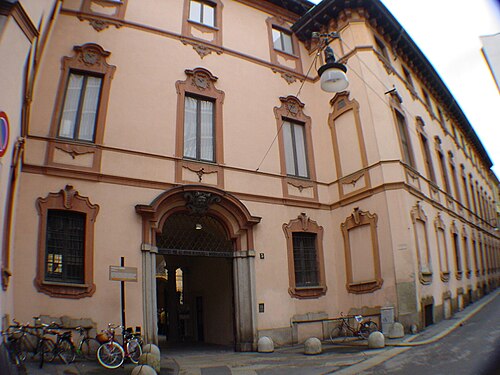
Palazzo Clerici
Clerici Palace is a Milanese aristocratic residence associated with the Clerici family, set within the city’s historic centre.
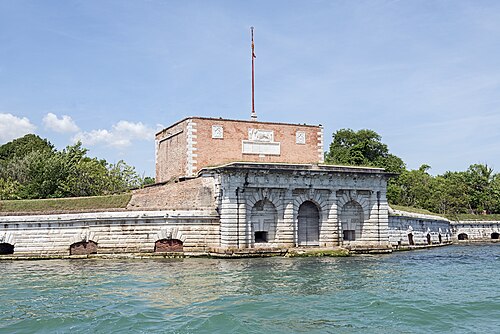
Forte di Sant'Andrea is a historic military fortification located on the island of Sant'Andrea in the Venetian Lagoon. Built in the 16th century, it formed part of Venice's defensive system protecting the city from maritime threats approaching from the northeast.

Palazzo e Torre Rasini
Palazzo e Torre Rasini stands as a notable architectural presence in Milan. This tower and palace complex represents an element of the city's built heritage, contributing to the urban fabric of Italy's second-largest city.
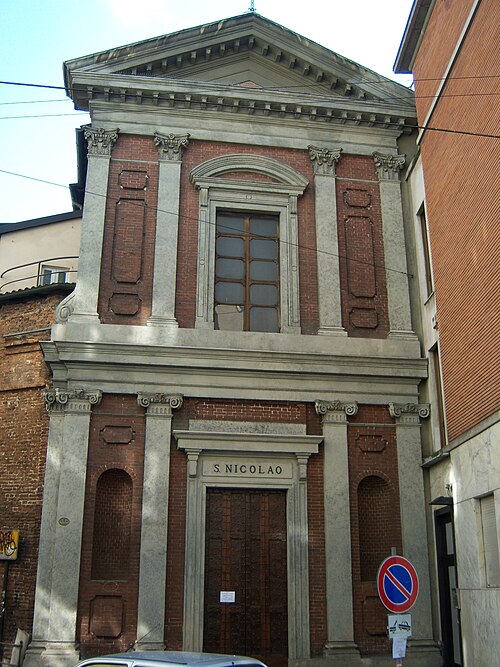
Chiesa di San Nicolao
San Nicolao Church, or Chiesa di San Nicolao, is a historic religious building in Milan. It belongs to the city’s broad ecclesiastical heritage and offers a quieter alternative to the major cathedral and basilica circuit.
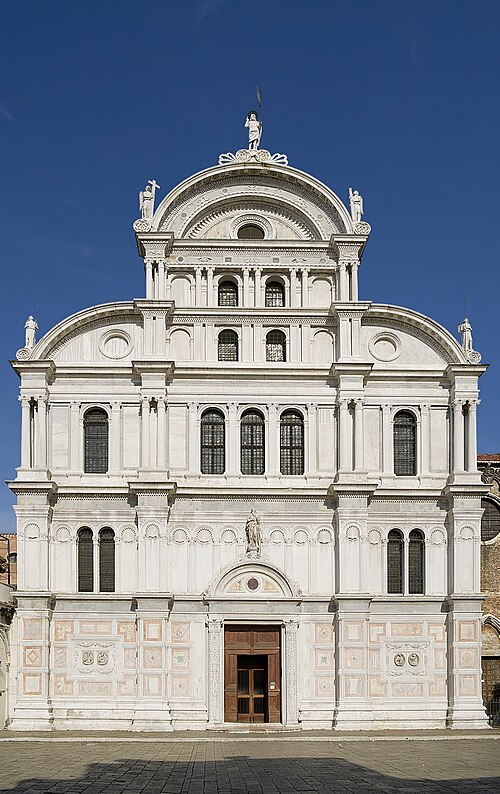
Chiesa di San Zaccaria
San Zaccaria, also called Chiesa di San Zaccaria, is a historic church near Venice’s waterfront, east of Piazza San Marco. It stands in the Castello sestiere and reflects a transition between Gothic and Renaissance architecture.

Chiesa di San Bernardino alle Ossa
San Bernardino alle Ossa is a historic church in central Milan, Italy. Its local name is Chiesa di San Bernardino alle Ossa.
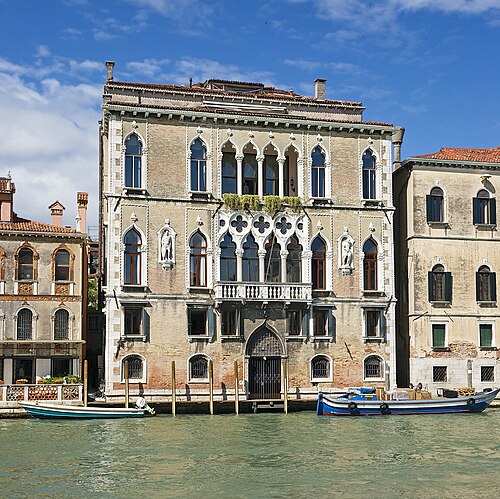
Palazzo Loredan dell'Ambasciatore is a historic Venetian palace located in the Dorsoduro district, overlooking the Grand Canal. It belongs to the Loredan family, one of Venice's most ancient and distinguished patrician houses.
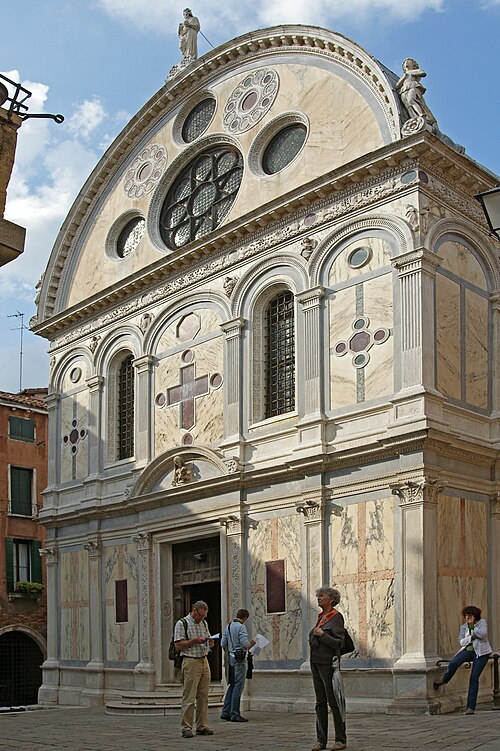
Chiesa di Santa Maria dei Miracoli
Santa Maria dei Miracoli is a Renaissance church in Venice, locally known as Chiesa di Santa Maria dei Miracoli. It was built between 1481 and 1489 to house a miraculous icon of the Virgin Mary.

Punta della Dogana is the triangular tip between Venice’s Grand Canal and Giudecca Canal.
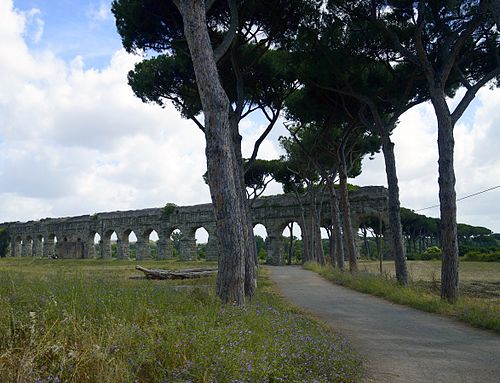
Parco degli Acquedotti is a public park in Rome's southeastern periphery, named for the ancient Roman aqueducts that traverse its terrain.
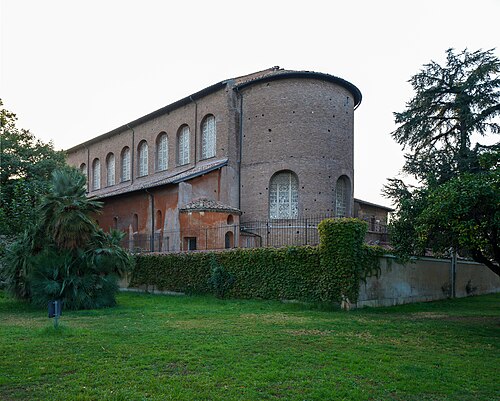
Basilica di Santa Sabina all'Aventino
Basilica of Saint Sabina stands on Rome’s Aventine Hill and was built between 422 and 432 CE. It is one of the city’s best-preserved early Christian basilicas, retaining much of its fifth-century structure.
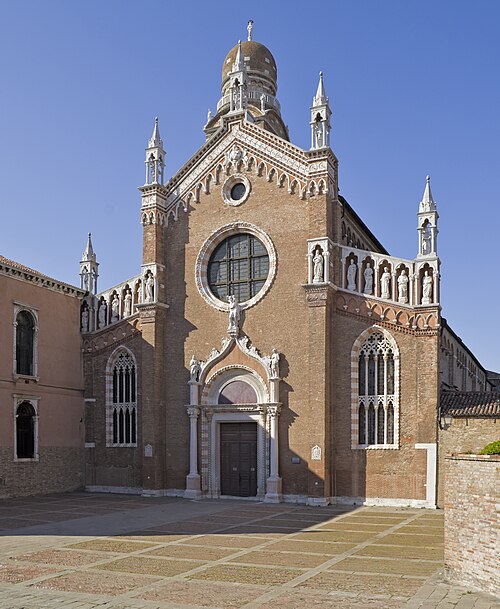
Madonna dell'Orto is a Gothic church in Venice's Cannaregio district. Founded in the mid-14th century by the now-defunct Humiliati order, it later became a parish church.
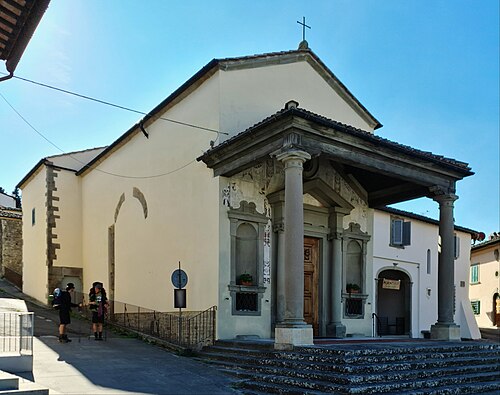
Santa Maria Primerana
Santa Maria Primerana is a historic church in Florence and one of the many sacred buildings that give the city its exceptional concentration of heritage.
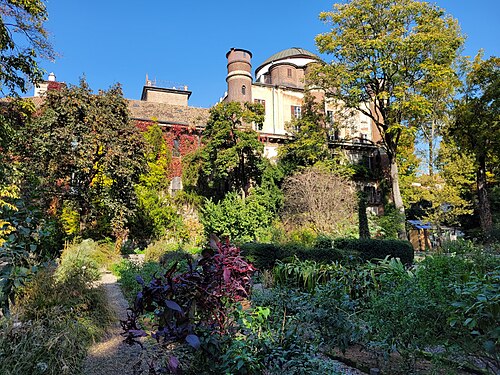
Orto Botanico di Brera is a historic botanical garden in Milan’s Brera district. Founded in 1774 under Maria Theresa of Austria, it was created as an academic setting for cultivating medicinal plants and supporting pharmaceutical education.
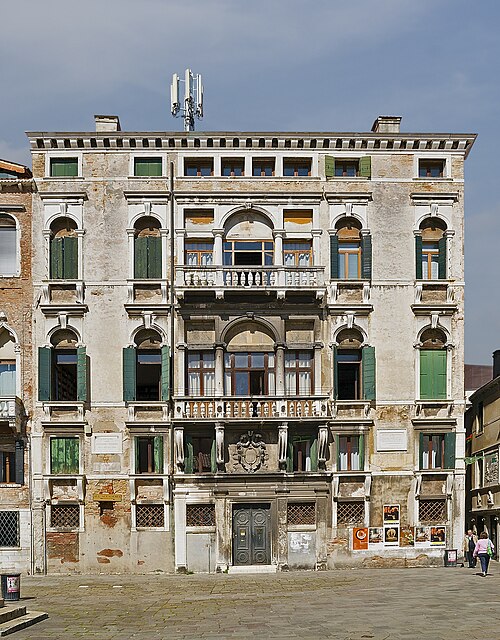
Palazzo Bellavite is a historic palace in Venice’s San Marco district. It belongs to the architectural landscape of central Venice, where noble residences, churches, bridges, and narrow streets form a continuous historic setting.
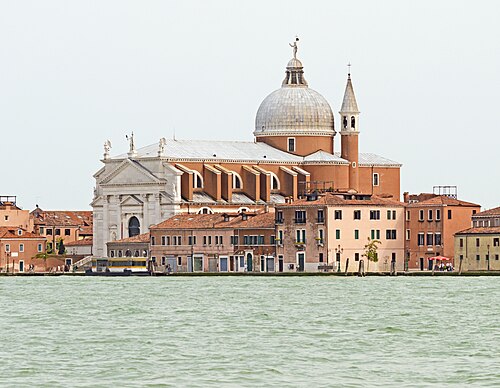
Chiesa del Redentore
Il Redentore, locally known as Chiesa del Redentore, stands as a significant church on the Giudecca island in Venice.
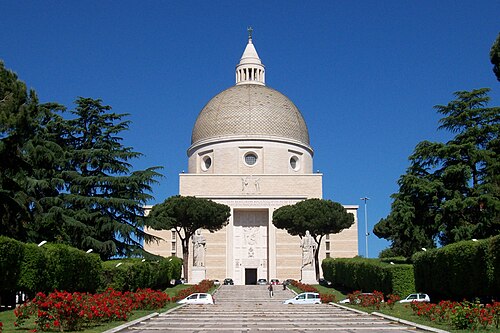
Basilica parrocchiale dei Santi Pietro e Paolo
The Basilica of Saints Peter and Paul is a Catholic church in Rome’s EUR district, dedicated jointly to the two apostles. Its twentieth-century modernist character sets it apart from the Baroque and Renaissance churches concentrated in the historic centre.
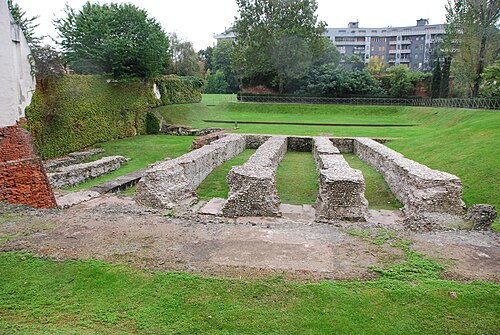
Anfiteatro Romano
The Anfiteatro Romano is Milan's ancient Roman amphitheatre, located in the city centre near Piazza dell'Amphiteatro. This archaeological site represents one of the most significant remnants of Mediolanum, the Roman settlement that preceded modern Milan.

Palazzo Corsini al Parione
Palazzo Corsini al Parione is a historic palace in central Florence’s Parione district.
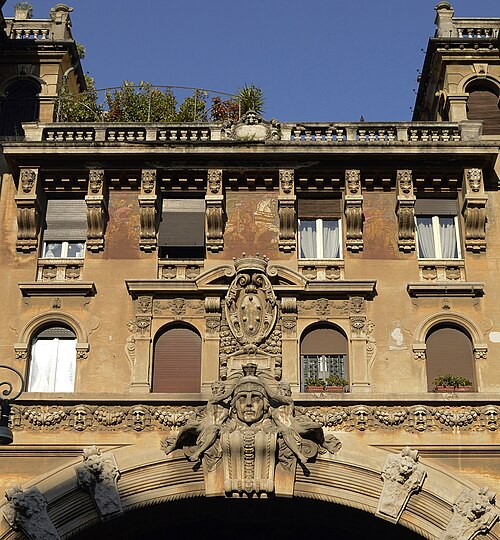
Quartiere Coppedè is an architectural enclave in Rome's Trieste district, conceived by Florentine architect Gino Coppedè between 1913 and 1927. The quarter spans roughly one block and represents a distinctive fusion of Art Nouveau, medieval, Baroque, and ancient Greek influences.
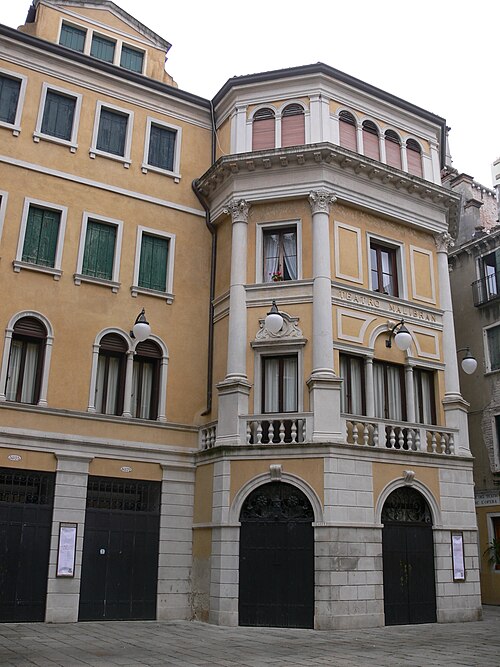
Malibran
Teatro Malibran is a historic opera house in Venice, Italy, situated in the Cannaregio district. Originally opened as Teatro San Giovanni Grisostomo in 1678, it was later renamed in honour of the celebrated Spanish mezzo-soprano Maria Malibran.
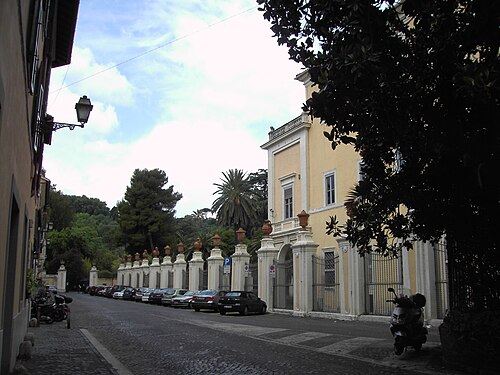
Orto Botanico
The Botanical Garden of Rome, or Orto Botanico, occupies the slopes of Janiculum Hill in Trastevere. It is a university botanical garden and a historic landscape descended from the grounds of Palazzo Corsini.

Basilica di San Calimero is a historic Roman Catholic church near Corso di Porta Vigentina in southern central Milan.

Basilica di Sant’Eufemia
Basilica di Sant'Eufemia is a historic church in Milan, located in the city centre near the Roman ruins and the remains of the ancient circus.
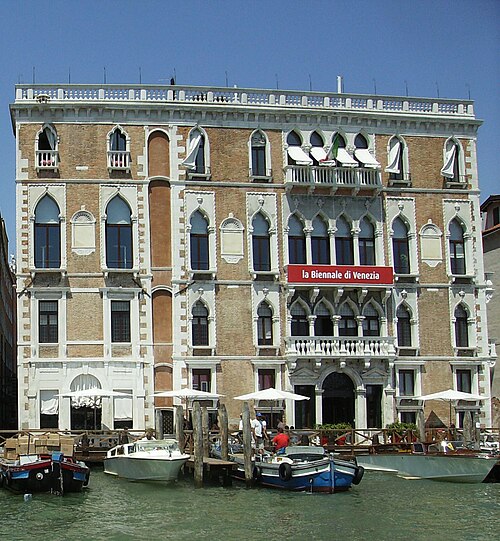
Palazzo Giustiniani
Ca’ Giustinian is a historic Venetian palazzo in the San Marco district, associated with the city’s tradition of grand residences along the Grand Canal.
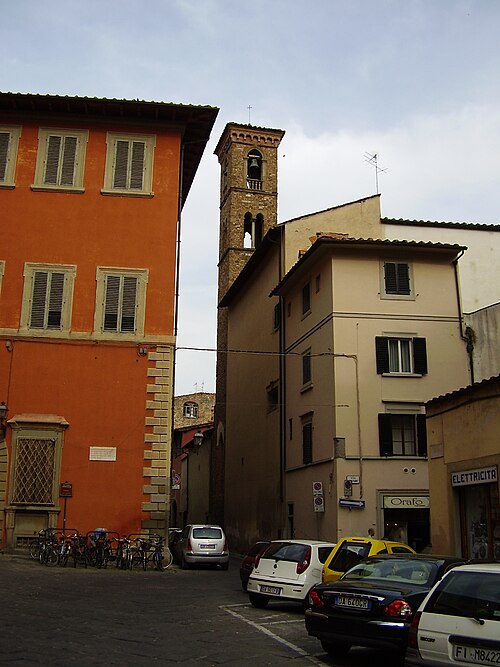
Chiesa di San Niccolò Oltrarno
The Church of San Niccolò Oltrarno is a parish church in Florence’s Oltrarno district, south of the Arno River. Its setting places it within a traditionally local part of the city known for artisan streets and neighbourhood life.
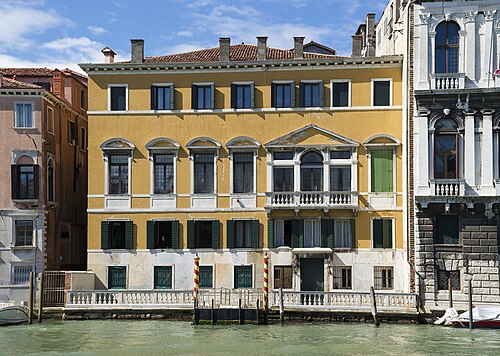
Palazzo Mocenigo Gambara is a historic palace in Venice’s Dorsoduro district, linked with the Mocenigo family, one of the city’s prominent patrician houses. Its significance lies in the combination of noble-family history and Venetian palace architecture.

Porta San Giorgio
Porta San Giorgio is a medieval city gate in Florence, located in the Oltrarno district near the Arno River. It forms part of the historic defensive walls that once encircled the city.

Teatro della Pergola is a historic theatre in Florence, Tuscany. It stands as one of Italy's most significant theatrical landmarks, with origins tracing to the mid-seventeenth century.
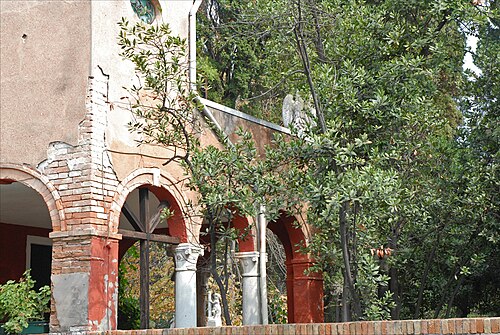
Giardino Eden Hundertwasser
The Garden of Eden, also known locally as Giardino Eden Hundertwasser, is a Venice garden associated with the artistic vision of Friedensreich Hundertwasser.
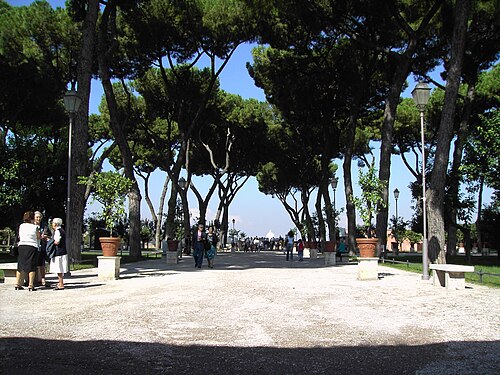
Giardino degli Aranci
The Orange Garden, or Giardino degli Aranci, is a compact public park on Rome’s Aventine Hill. Its elevated terrace opens across the city toward the dome of Saint Peter’s Basilica, making it one of Rome’s most rewarding short viewpoints.
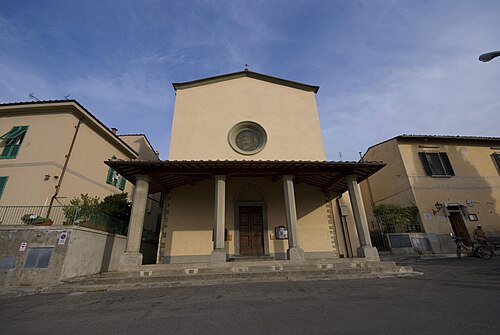
Santa Maria a Quinto
The Church of Santa Maria a Quinto is a religious building in Florence and part of the city’s extensive network of churches.
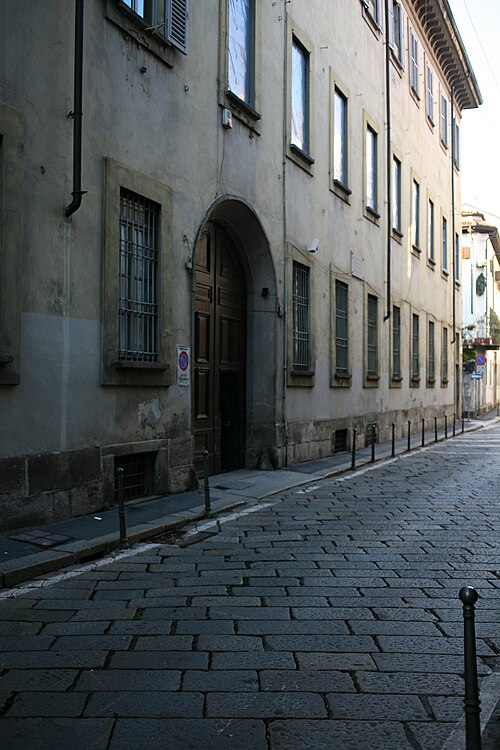
Palazzo Cornaggia
Cornaggia Palace is a named historic building in Milan and a specific architectural destination within the city’s dense urban fabric.
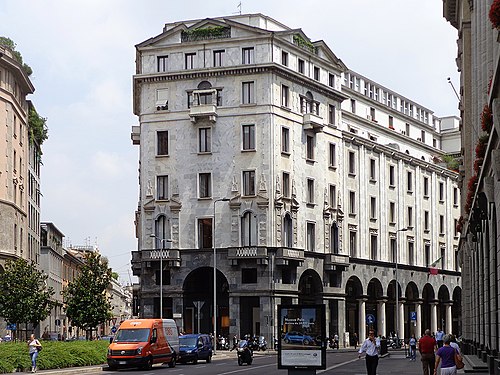
Palazzo Crespi
Palazzo Crespi is a historic palace in Milan, situated in the city's central area.
Forte Bazzera is a historic military fortification in the mainland part of Venice's municipal territory. It offers a different perspective on Venice from the lagoon palaces, bridges, and churches of the historic centre.
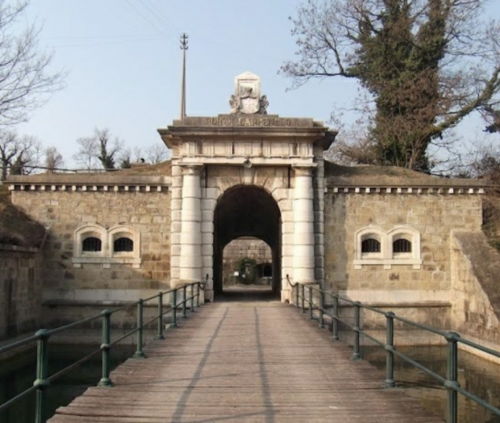
Forte Carpenedo is a military fortification located in the mainland district of Mestre, part of the Venice municipality. It belongs to the system of forts built during the Austrian domination of the Veneto region in the nineteenth century.
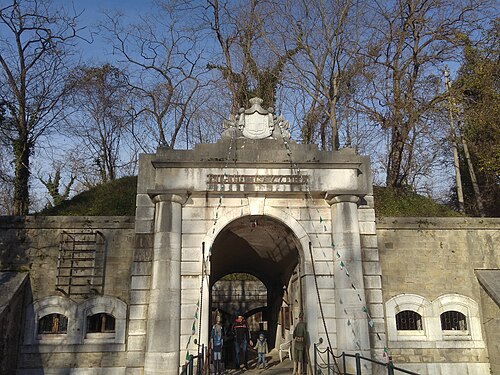
Forte Gazzera is a historic military fortification located in the mainland district of Mestre, part of the municipality of Venice.
Forte Malamocco is a historic fortification on the Lido of Venice, near Malamocco, one of the island's oldest settlements. It belongs to the defensive landscape that protected the lagoon entrance and maritime approaches to Venice.
Forte Rossarol is a military fortification in the Venetian lagoon defensive landscape. Its importance comes from the network of forts that protected Venice and the approaches to its waters, linking the structure to the city's broader military history.
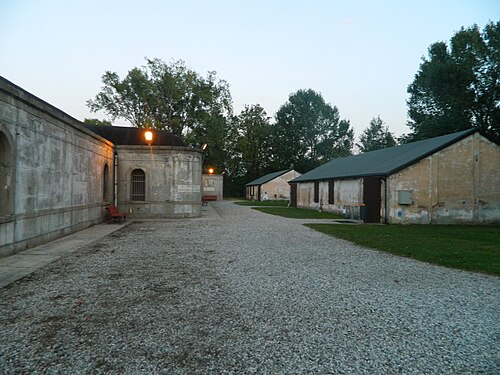
Forte Mezzacapo
Fort Mezzacapo, or Forte Mezzacapo, is a historic military fortification connected with Venice’s wider defensive landscape. It represents the strategic architecture used to protect the lagoon and surrounding territory.
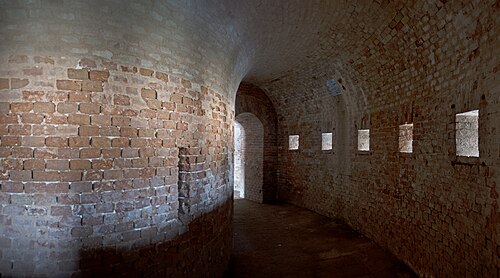
Forte Batteria Treporti
Fort Treporti, also known as Forte Batteria Treporti, is a historic military fortification in the Venetian lagoon area. It belongs to the defensive landscape that protected Venice and its maritime approaches.
Forte Tron
Fort Tron is a Venetian military fortification and a quieter historical counterpoint to the city's churches, palaces, and canals. Known locally as Forte Tron, it represents the defensive side of Venice's past and the strategic importance of the lagoon.
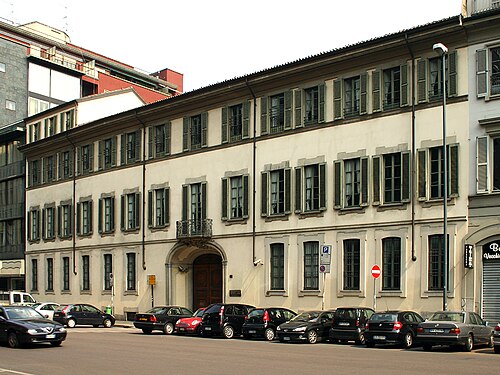
Palazzo Litta Cusini Modignani
Litta Cusini Modignani Palace is a historic aristocratic palace in Milan. Its name connects the building with the Litta, Cusini, and Modignani families and places it within the city’s tradition of noble urban residences.
Palazzo Lurani Cernuschi
Lurani Cernuschi Palace, or Palazzo Lurani Cernuschi, is a historic palace in Milan. It represents the city’s noble residential architecture and belongs to the layered urban environment that makes Milan interesting beyond its headline attractions.
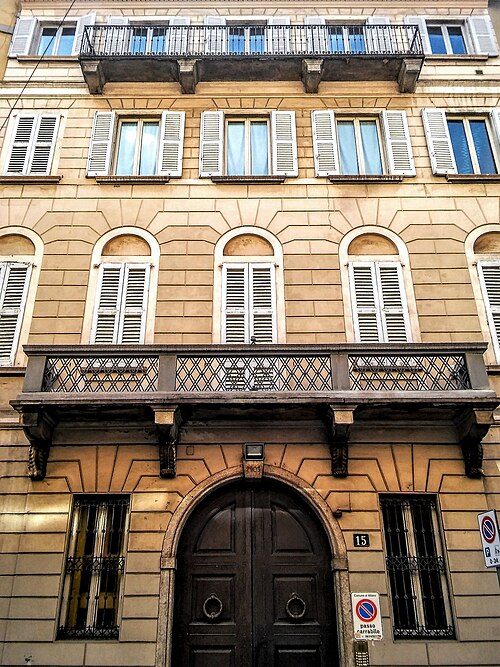
Palazzo Mapelli
Mapelli Palace, or Palazzo Mapelli, is a historic palace in Milan.
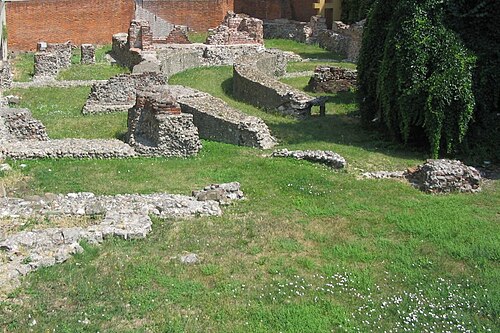
Villa Imperiale
The Ancient Roman imperial palace of Milan, known locally as Villa Imperiale, stands as a significant archaeological remnant of Milan's Roman past.
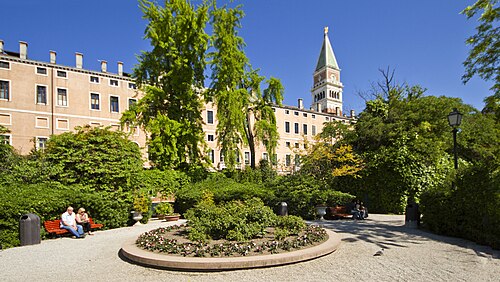
Giardini Reali di Venezia
Giardini Reali is a historic formal garden beside Piazza San Marco, where a small landscaped space interrupts Venice’s dense stone-and-water cityscape. Its position near the Royal Palace area makes it an easy addition to a walk through San Marco.

Monumento ai Caduti delle Guerre d'Indipendenza
The Obelisk of Piazza dell'Unità Italiana stands beside Florence's Santa Maria Novella railway station.
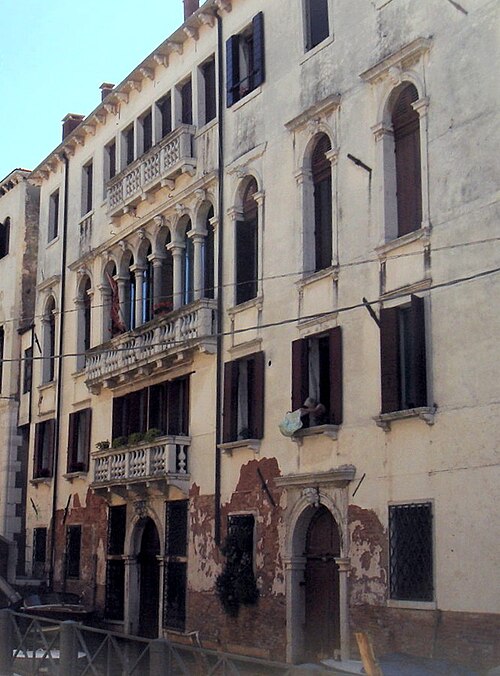
Palazzo Erizzo
Palazzo Erizzo a San Martino is a historic Venetian palace in Dorsoduro, identified with the Church of San Martino. It belongs to the architectural world of Venetian noble residences, where grand buildings shaped the city's canals, campos, and streets.
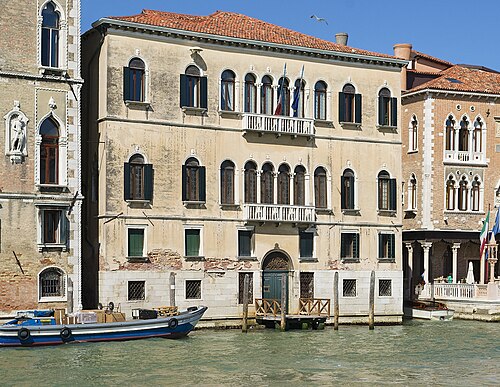
Palazzo Moro
Palazzo Moro a San Barnaba is a historic Venetian palace located in the Dorsoduro district, overlooking the Rio di San Barnaba canal.

Teatro stabile del Veneto Carlo Goldoni
Teatro Goldoni, formally Teatro Stabile del Veneto Carlo Goldoni, is a historic performing-arts venue in Venice. Named for the Venetian playwright Carlo Goldoni, it continues the city's long tradition of theatre and live performance.
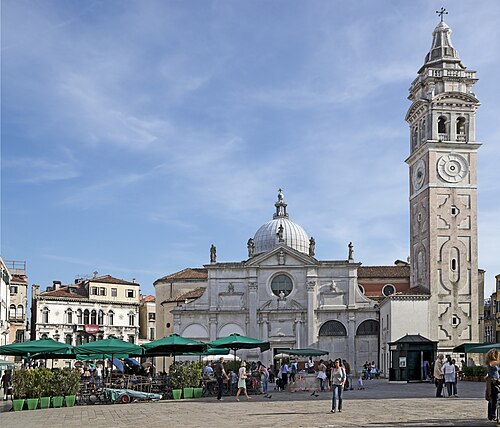
Chiesa di Santa Maria Formosa
Santa Maria Formosa is a historic church in the large and unusually shaped Campo Santa Maria Formosa in Venice’s Castello district.
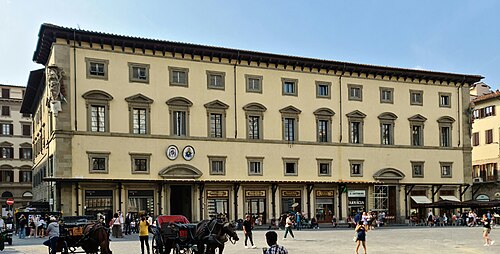
Palazzo Arcivescovile
The Archbishop's Palace, known locally as Palazzo Arcivescovile, stands as the historic residence of the Archbishop of Florence. This significant ecclesiastical building occupies a prominent position near the Duomo cathedral complex in the heart of the city.
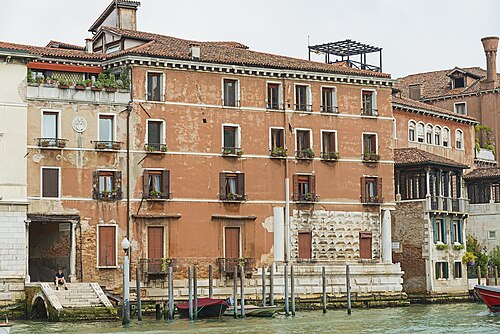
Ca' del Duca
Ca' del Duca is a historic palace in Venice, located in the San Marco district near the Grand Canal. The building represents Venetian Gothic architecture and holds significance in the city's noble residential heritage.
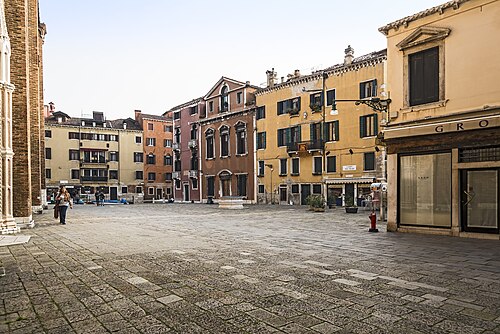
Campo dei Frari
Campo dei Frari is a public square in the San Polo district of Venice, Italy. The campo serves as the open space adjacent to the Basilica di Santa Maria Gloriosa dei Frari, one of the city's most significant Franciscan churches.
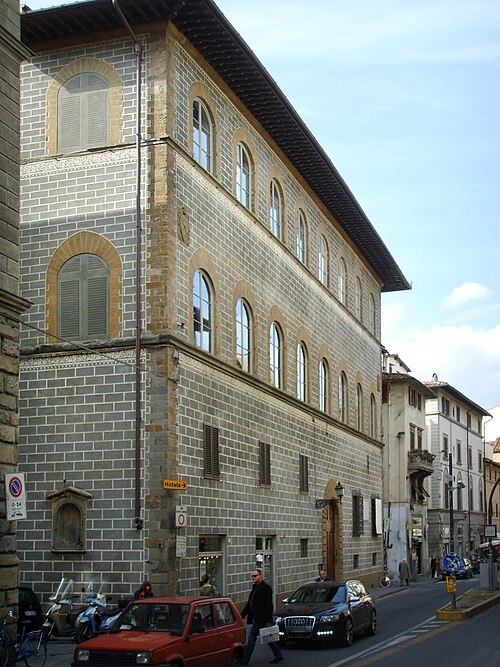
Palazzo Bardi
Palazzo Busini Bardi, also known locally as Palazzo Bardi, is a historic palace in Florence, Tuscany. It belongs to the city’s dense Renaissance streetscape, where aristocratic residences stand close to churches, civic buildings, shops, and busy pedestrian routes.
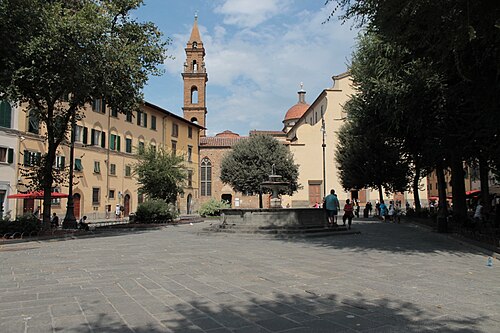
Piazza di Santo Spirito
Piazza Santo Spirito is a lively public square in Florence's Oltrarno district, south of the Arno. The square takes its name from the Basilica di Santo Spirito, the Renaissance church designed by Filippo Brunelleschi on its eastern side.
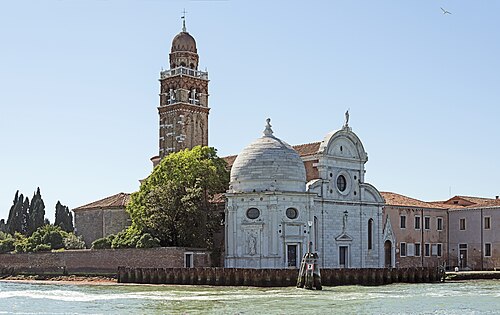
San Michele in Isola is a Renaissance church on the island of San Michele in the Venetian Lagoon.

Castello di Bisarno
Bisarno Castle, also known as Castello di Bisarno, is a historic castle in the Florence area of Tuscany. It represents the region’s layered relationship with fortified architecture, noble residences, and changing patterns of settlement.
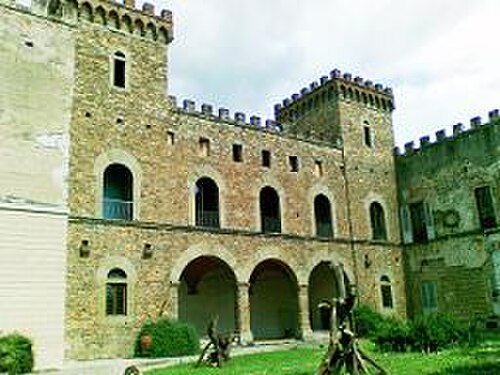
Castello di Montalbano
Montalbano Castle is a historic castle structure in the Florence area, identified in OpenStreetMap as way/305689918. It belongs to Tuscany’s wider landscape of medieval defensive architecture and carries the Montalbano name associated with the region.

Vittorio Emanuele II
The Monument to Victor Emmanuel II is an outdoor civic memorial honoring the first king of unified Italy. In Venice, it connects the city's streetscape with the nineteenth-century Risorgimento and the political transformation that followed Italian unification.

Palazzo Tornabuoni
Palazzo Corsi-Tornabuoni, also known as Palazzo Tornabuoni, is a historic palazzo in the centre of Florence. It belongs to the sequence of Renaissance and aristocratic buildings that shape the city’s historic streets.
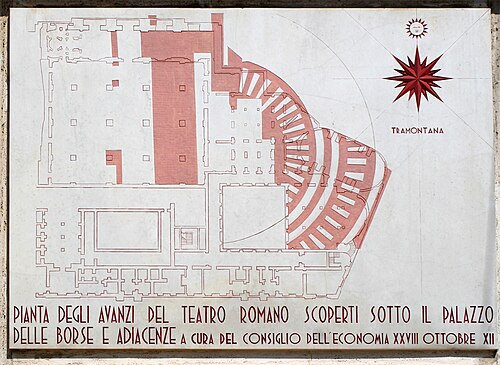
Teatro Romano
The Roman Theatre of Milan, locally known as Teatro Romano, stands as a significant archaeological remnant of the city's ancient past under Roman rule. This open-air amphitheatre once accommodated theatrical performances and public gatherings during the imperial era.
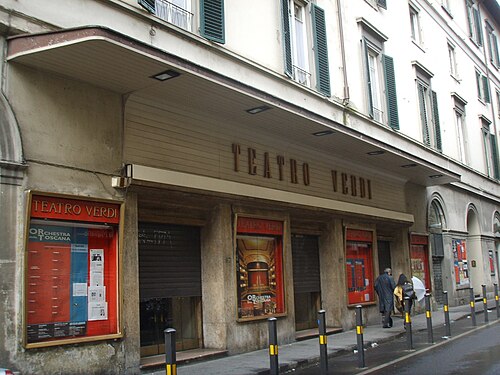
Teatro Verdi is a historic theatre in Florence, part of the city’s living tradition of music, opera and drama.
Forte Sirtori
Fort Sirtori is a military fortification in Venice’s wider defensive landscape, shaped by the need to protect approaches to the lagoon and its settlements.
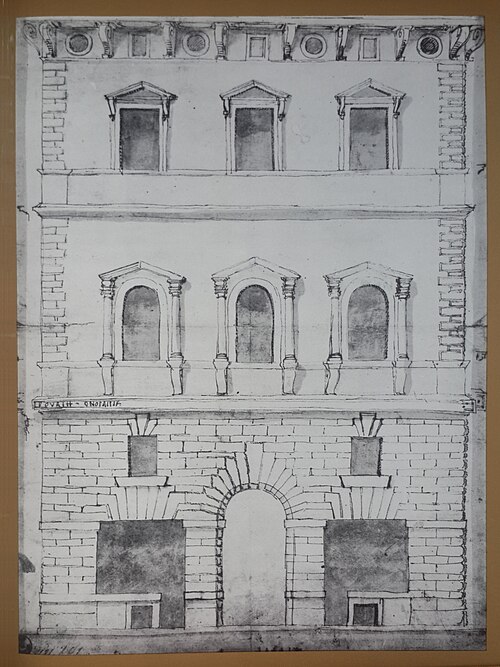
Palazzo delle Prigioni stands beside the Doge's Palace on Venice's waterfront, connected by the famous Bridge of Sighs. This former prison building served the Venetian Republic from the 16th century onward.
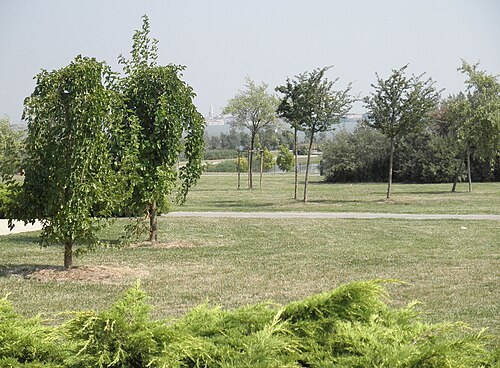
Parco San Giuliano
San Giuliano Park is a large public green space on the mainland side of the Venice lagoon.
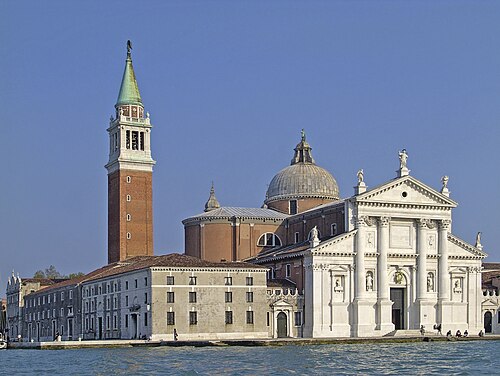
The Campanile di San Giorgio Maggiore is the freestanding bell tower of San Giorgio Maggiore church, located on the island of San Giorgio Maggiore across the Bacino di San Marco from central Venice.
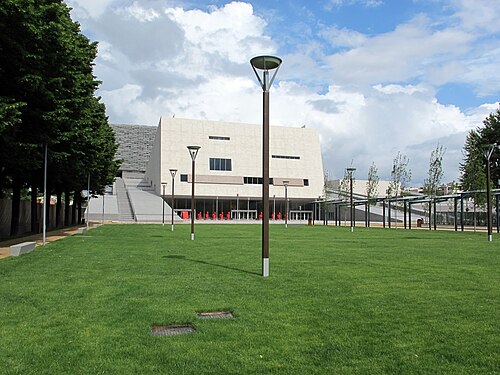
Teatro del Maggio Musicale Fiorentino is Florence’s principal opera house and the home of the Maggio Musicale Fiorentino festival. The modern building opened in 2011 near Cascine park, replacing the former Teatro Comunale.
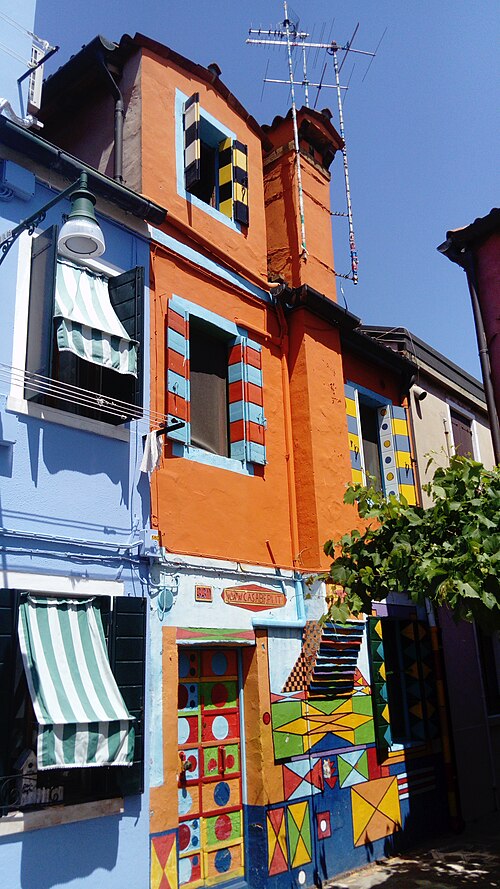
La Casa di Bepi Suà
Casa di Bepi Suà is a distinctive residential house in Venice's Burano island, celebrated for its elaborate geometric facade paintings in warm yellow, red, and orange tones.
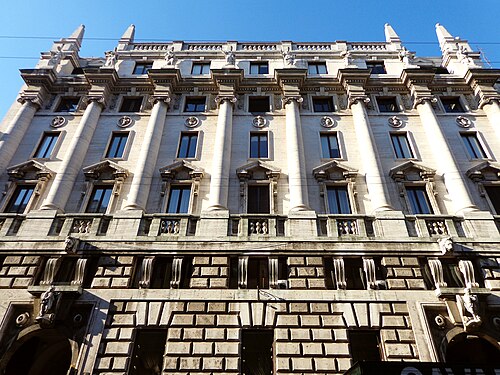
Palazzo Cusini
Cusini Palace, also known as Palazzo Cusini, is a historic palace in central Milan. It belongs to the city’s architectural heritage and forms part of the continuous streetscape that makes central Milan rewarding to explore on foot.
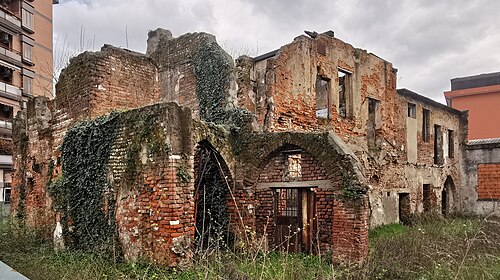
Monastero di San Nicolao
The Monastery of San Nicolao is a historic religious complex in Milan associated with Benedictine tradition.
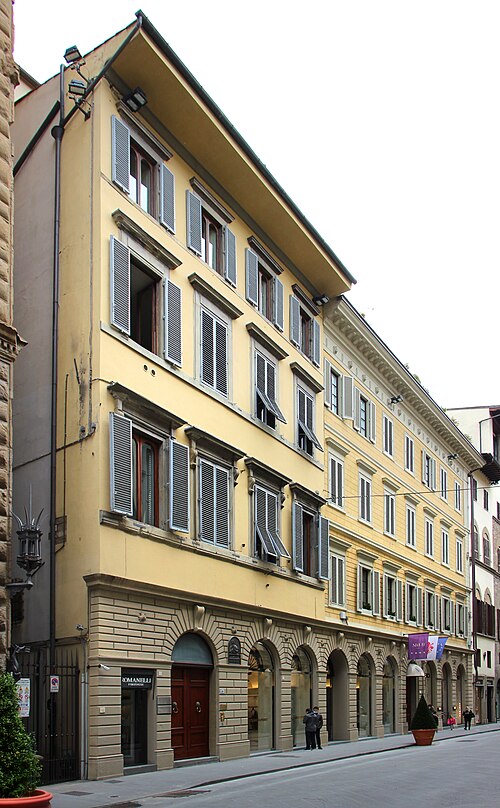
Palazzo Altoviti Sangalletti
Palazzo Altoviti-Sangalletti is a historic palace in central Florence near the Arno River. Its name links the building with the Altoviti and Sangalletti families and places it within the city’s dense tradition of aristocratic residences.
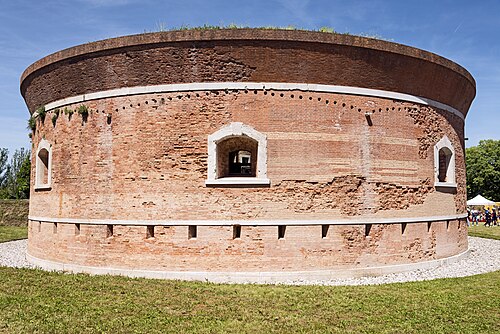
Torre Massimiliana is a compact fortified tower standing in the Venetian lagoon, away from the dense streets and monumental interiors of Venice’s historic centre.
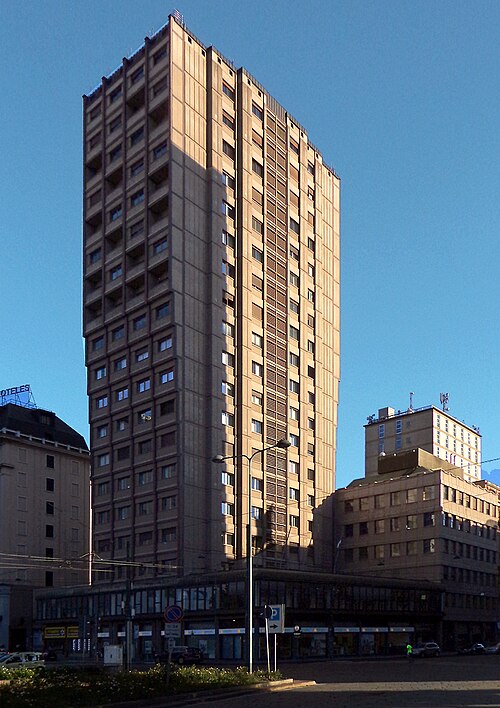
Torre Turati
Turati Tower, known locally as Torre Turati, is a prominent skyscraper in Milan, Italy. The building stands as a significant example of modern commercial architecture in the city's business district.

Torre di Bona
Bona of Savoy’s Tower, known in Italian as Torre di Bona, is a historic tower in Milan associated with Bona of Savoy, a fifteenth-century duchess.
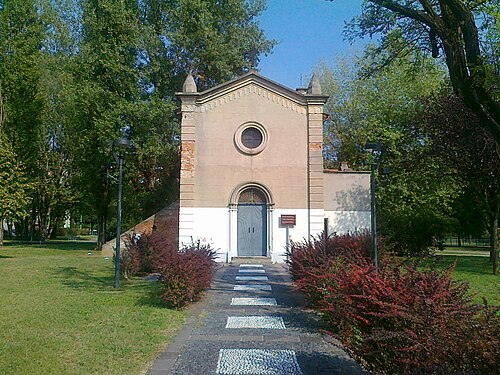
Chiesa di Santa Maria Maddalena
Santa Maria Maddalena, also known as Chiesa di Santa Maria Maddalena, is a Catholic church within Milan’s urban fabric.
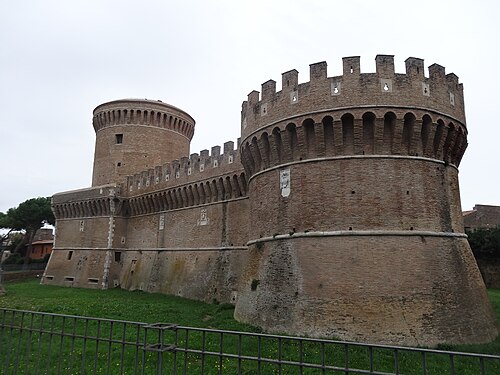
Castello di Giulio II
Rocca di Ostia, locally known as Castello di Giulio II, is a fortress in Rome's Ostia district. Built for Pope Julius II, it served military and defensive purposes near the ancient port of Ostia.
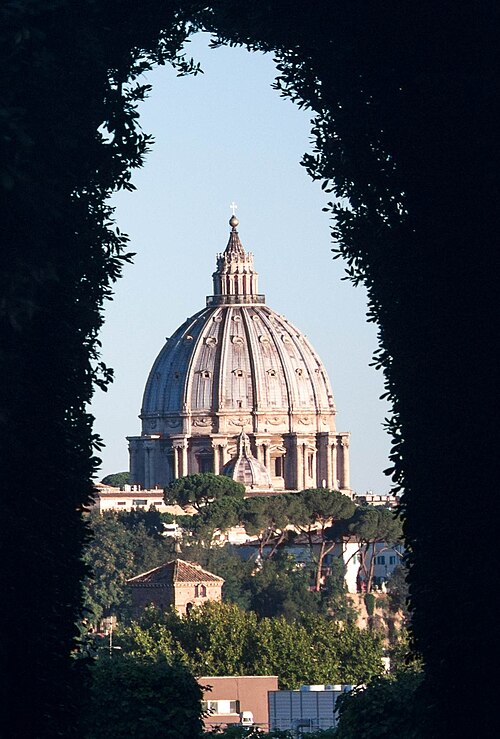
San Pietro dal Buco della serratura
The Aventine Keyhole is a peephole in the green door of the Priory of the Knights of Malta on Rome’s Aventine Hill.

Transatlantico Conte Biancamano
The bridge of the ocean liner Conte Biancamano is a preserved maritime heritage exhibit in Milan. The Conte Biancamano was a historic Italian transatlantic passenger ship, and this display preserves its command bridge as a visitor attraction.
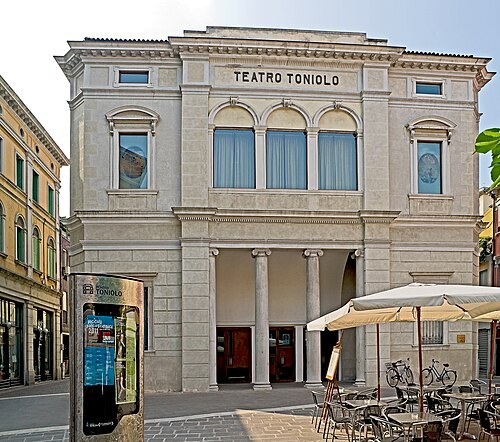
Teatro Toniolo is a historic theatre in Venice, Italy, serving as a significant cultural venue within the city's performing arts landscape.
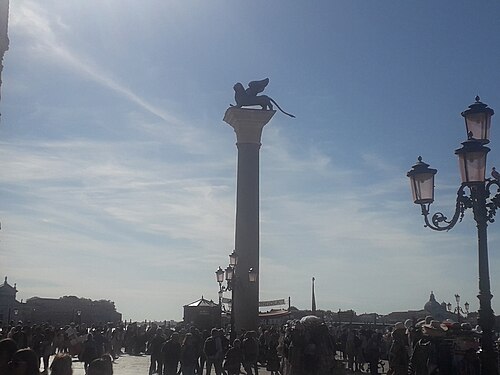
Colonna di San Marco
The Column of San Marco stands in Piazzetta San Marco, the ceremonial gateway between the Grand Canal and Venice's principal public square.
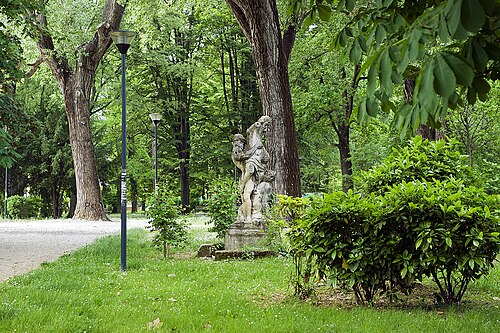
Parco Andrea Zanzotto
Parco di Villa Querini is a public park in Mestre, the mainland district of Venice. The park occupies grounds associated with Villa Querini and is also known locally as Parco Andrea Zanzotto.
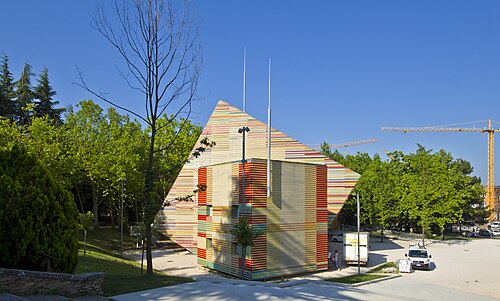
Teatro del Parco
Biblioteca Carpenedo Bissuola, locally known as Teatro del Parco, is a cultural venue in Venice's mainland district of Mestre.

Teatrino di Palazzo Grassi
Teatrino di Palazzo Grassi is the small theatre attached to Palazzo Grassi, the contemporary art museum on Venice’s Grand Canal. The venue belongs to the Pinault Collection’s cultural complex and continues the Venetian tradition of palace performance spaces.
Teatro alle Tese is a theatrical venue located in Venice, Italy. The name reflects its architectural origins connected to the historic Arsenale complex, where 'tese' refers to the long workshop buildings once used for shipbuilding and maritime production.
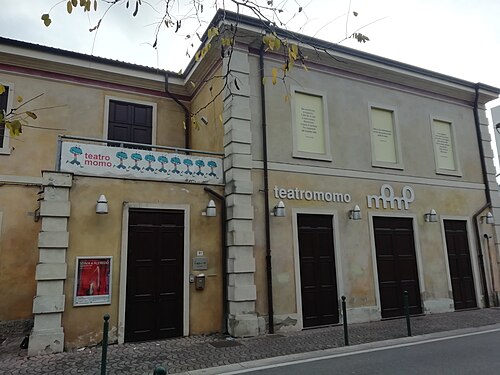
Teatro Arnaldo Momo
Teatro Arnaldo Momo, commonly called Teatro Momo, is a theatre venue in Venice. The name honours Arnaldo Momo and places the venue within Venice’s performing-arts landscape.

Teatro Verde is a theatre in Venice, Italy, known by the name “Green Theatre.” The venue belongs to Venice’s broader performing-arts landscape, a cultural tradition associated with opera, drama and music.
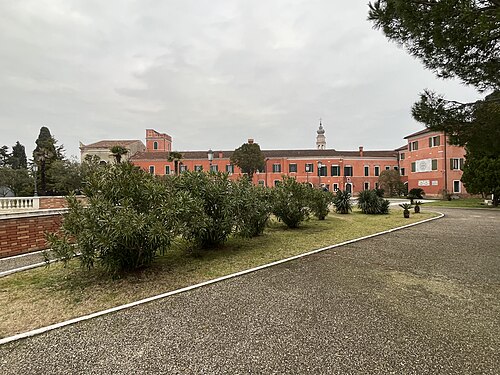
Monastero di San Lazzaro
The Monastery of San Lazzaro degli Armeni is an Armenian Catholic monastery located on a small island in the Venetian Lagoon.
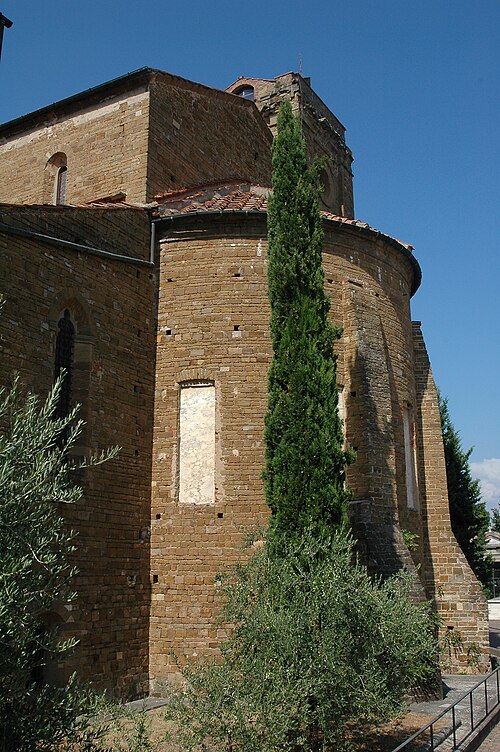
Abbazia di San Miniato al Monte is a historic basilica standing on one of Florence's highest hills, overlooking the city centre and the Arno valley.
Source: OpenStreetMap contributors, Wikidata ·
Ten to fourteen days can combine Milan, Venice, Florence, and Rome by high-speed train. Give Venice more than a transfer night and Rome several separate sightseeing days; rural Tuscany needs different transport planning from the rail-linked cities.
Italy is in the Schengen Area, but visa and passport requirements vary by nationality and route. Use Italy's official visa portal to confirm the applicable rule before travel rather than relying on another Schengen trip.
High-speed trains connect Milan, Venice, Florence, and Rome, with regional rail and coaches serving smaller places. Drivers must check ZTL restrictions before entering historic centres because access controls are local and can generate fines.
April to June and September to October broadly suit the north-to-Rome rail route. Lagoon conditions in Venice, summer heat in Rome, and seasonal rural services in Tuscany should be checked independently.
Italy uses the euro (EUR). Carry a modest cash reserve for small purchases while using cards where accepted, and verify the euro amount at the terminal instead of accepting an unexamined conversion.
Italy routes emergency calls through 112. Travellers encounter a 230 V supply and Type C, F, or L receptacles. No tap-water assessment is recorded for Italy; obtain current local advice at the destination.