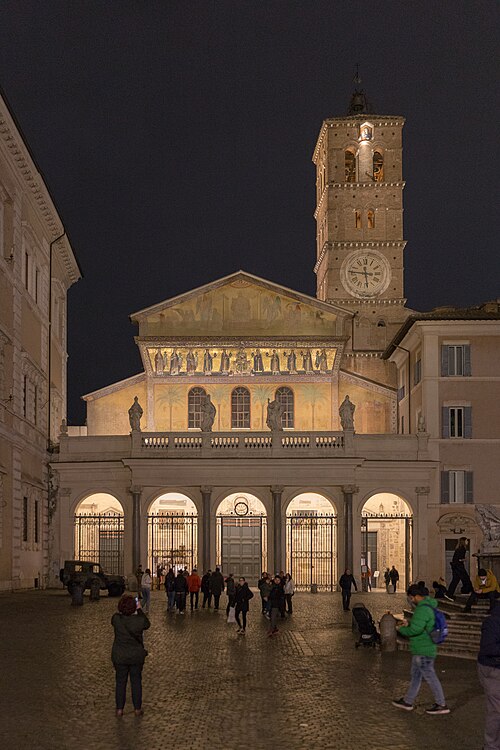
Santa Maria in Trastevere
Basilica di Santa Maria in Trastevere
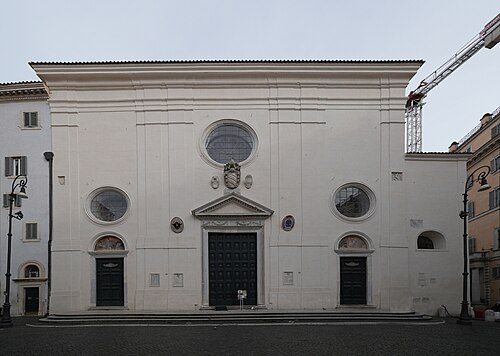
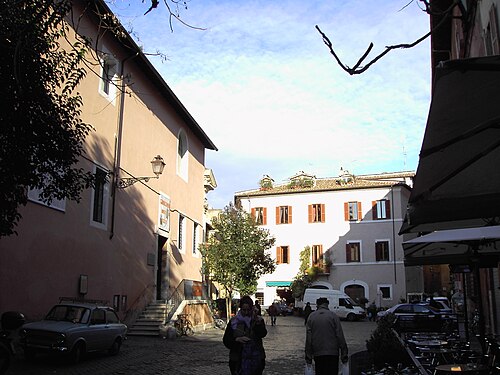
Santa Maria in Trastevere is a basilica dedicated to the Virgin Mary in the heart of Rome’s Trastevere district.
- Must see
- Place of worship
- Rome
Language · 11 published
Country guide
Italy holds 62 World Heritage Sites, more than any other country, spread across 301,340 km2 of land that runs from the Alps down into the middle of the Mediterranean. The distances between its cities are short and the differences between them are not: Venice has no roads, Naples sits under a volcano on a bay, Florence fits inside a walkable Renaissance grid, and Milan keeps its art indoors and works for a living. Rome is the capital and the obvious first trip; the argument is always about what comes second. Nearly 800 islands hang off the coast, and Sicily and Sardinia are each large enough to be a trip of their own.
Reviewed by Elena Voss · Roavina Travel Editor
Every city catalogued in this country so far, ranked by how much there is to see.
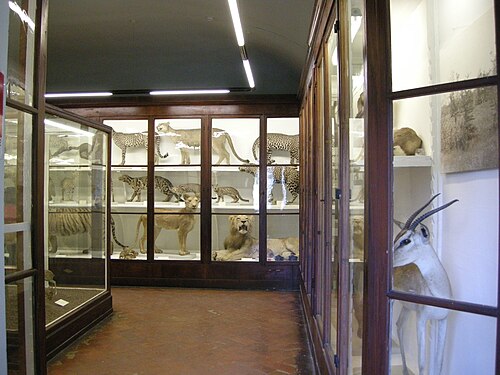
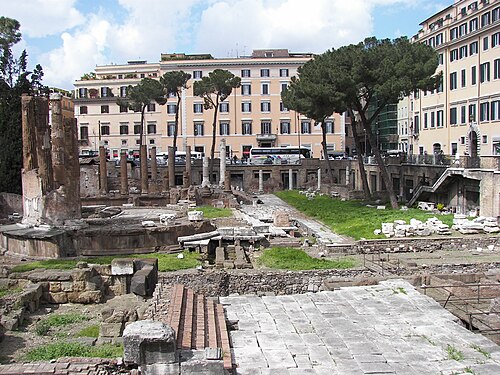
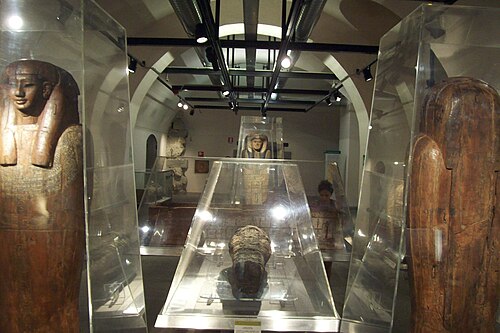
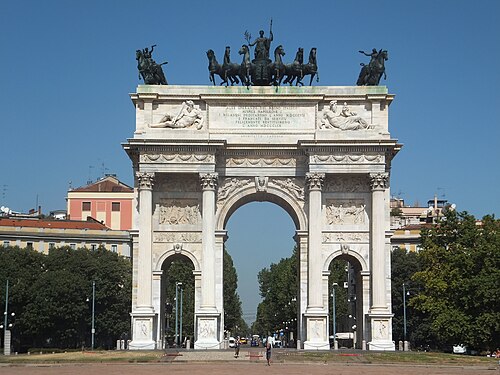
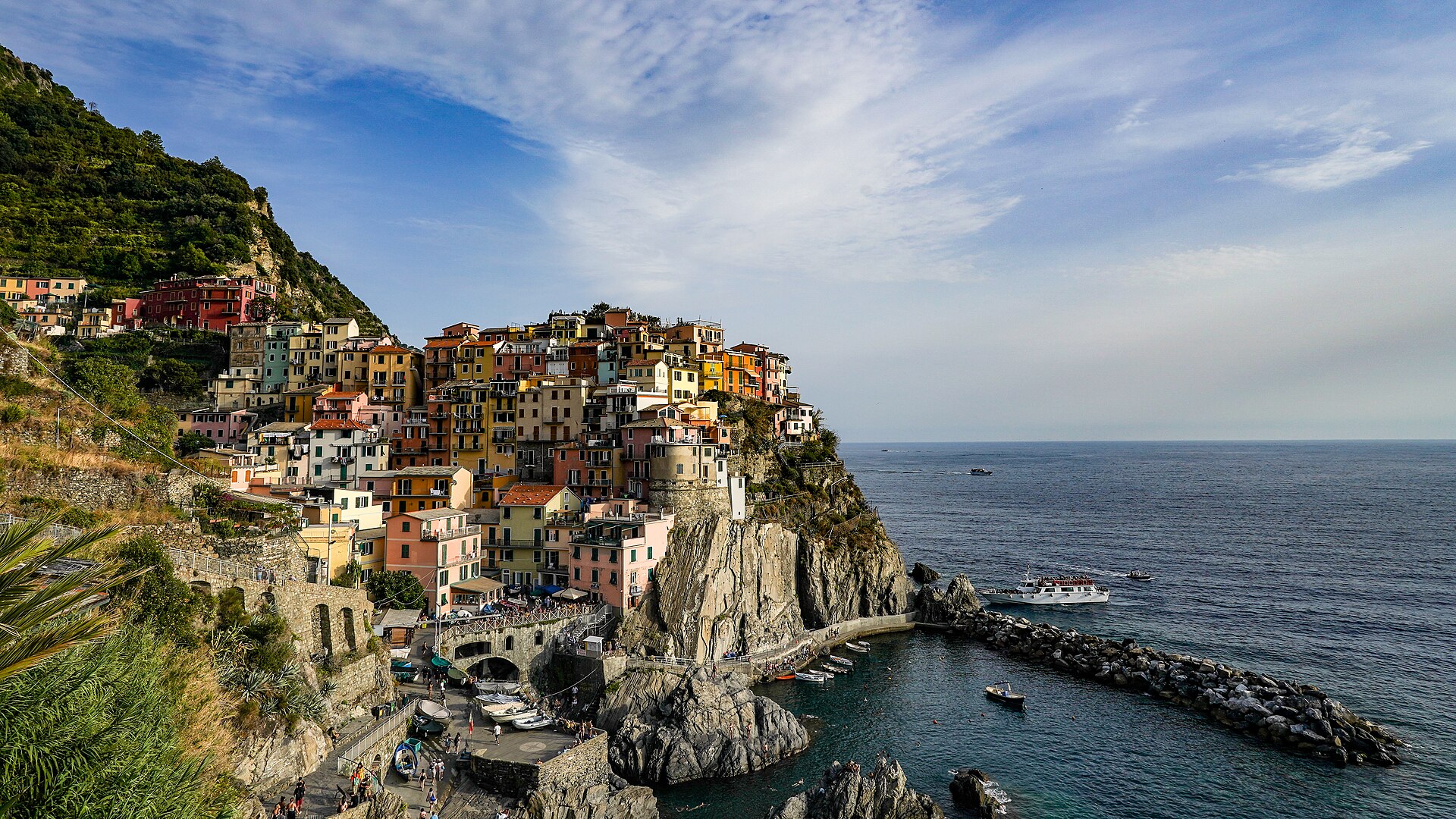
Photograph · Bert Kaufmann from Roermond, Netherlands · CC BY-SA 2.0
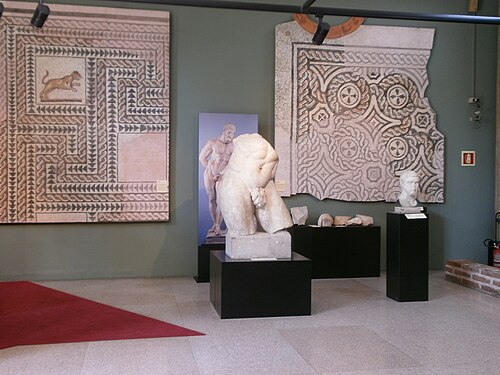
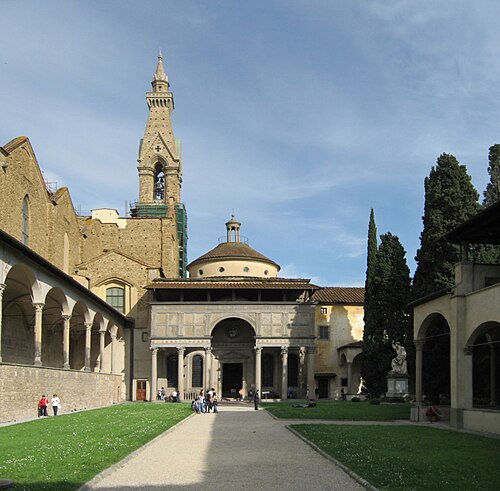
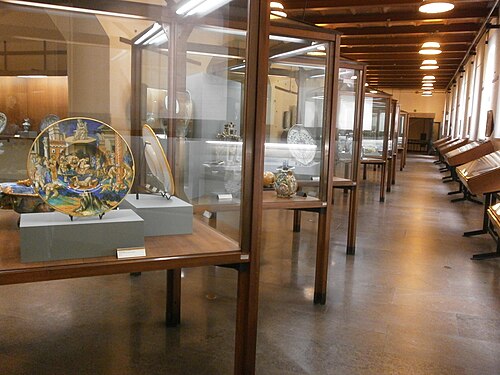
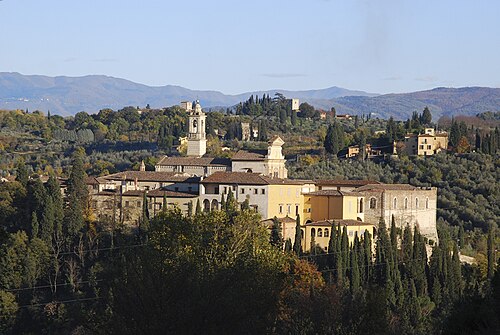
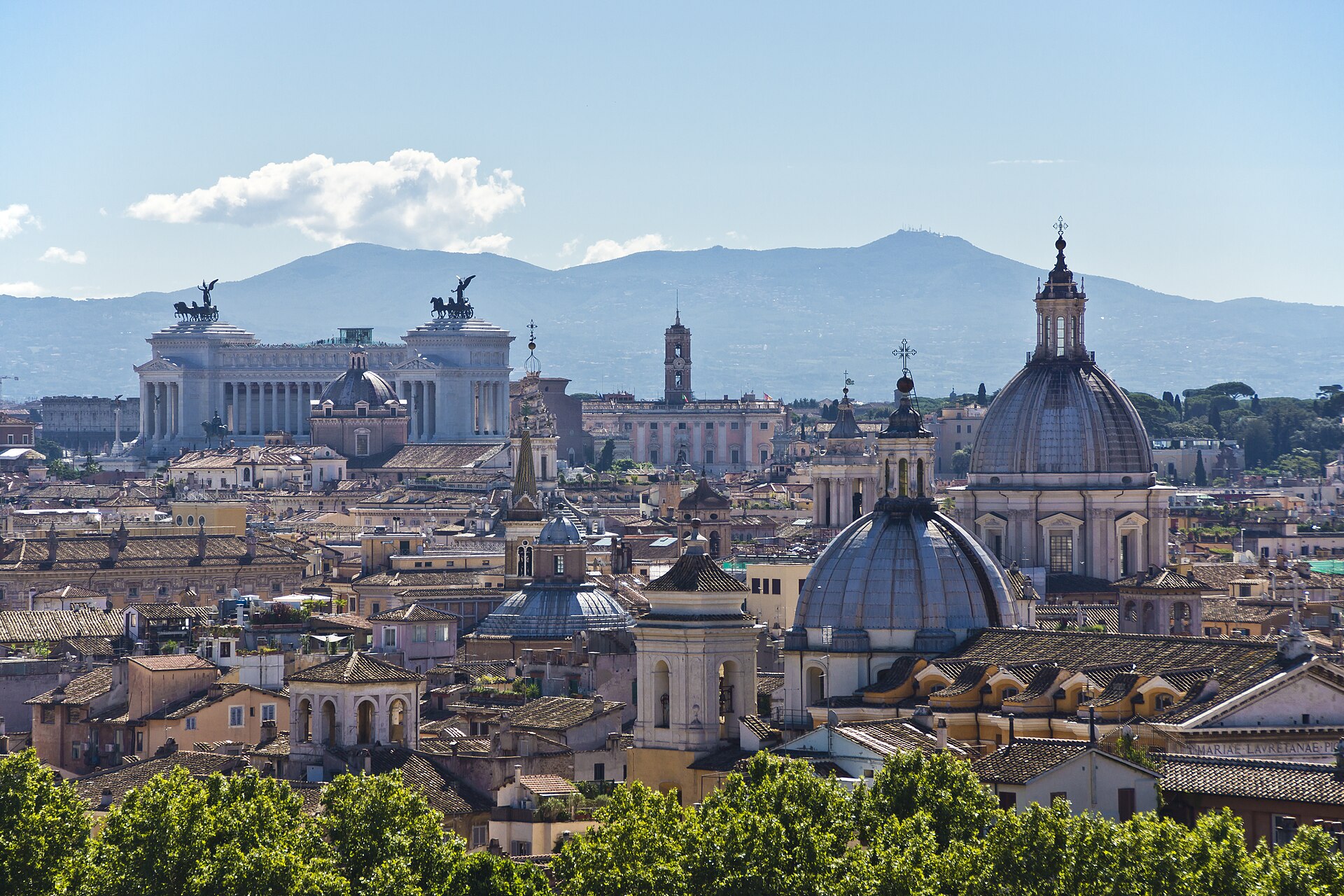
Photograph · Daniel Case · CC BY-SA 3.0
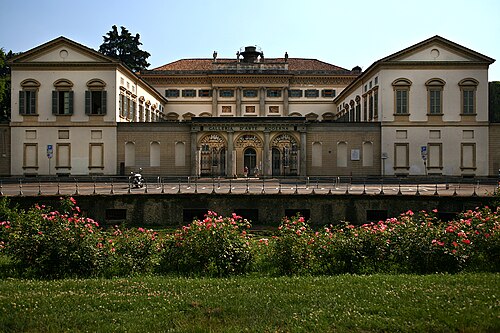
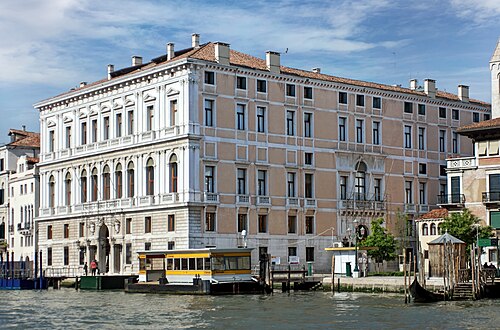
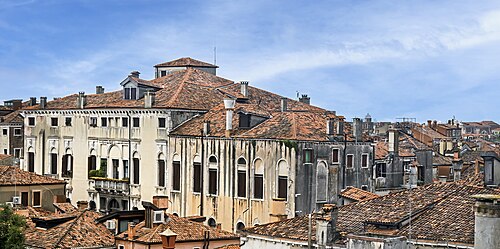
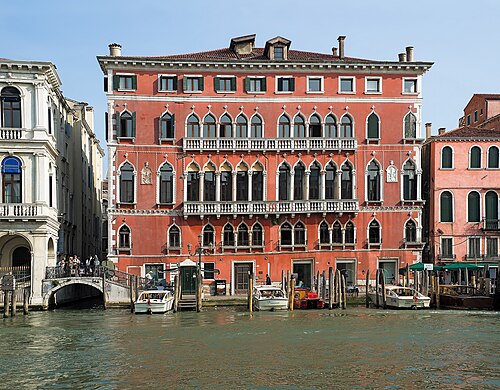
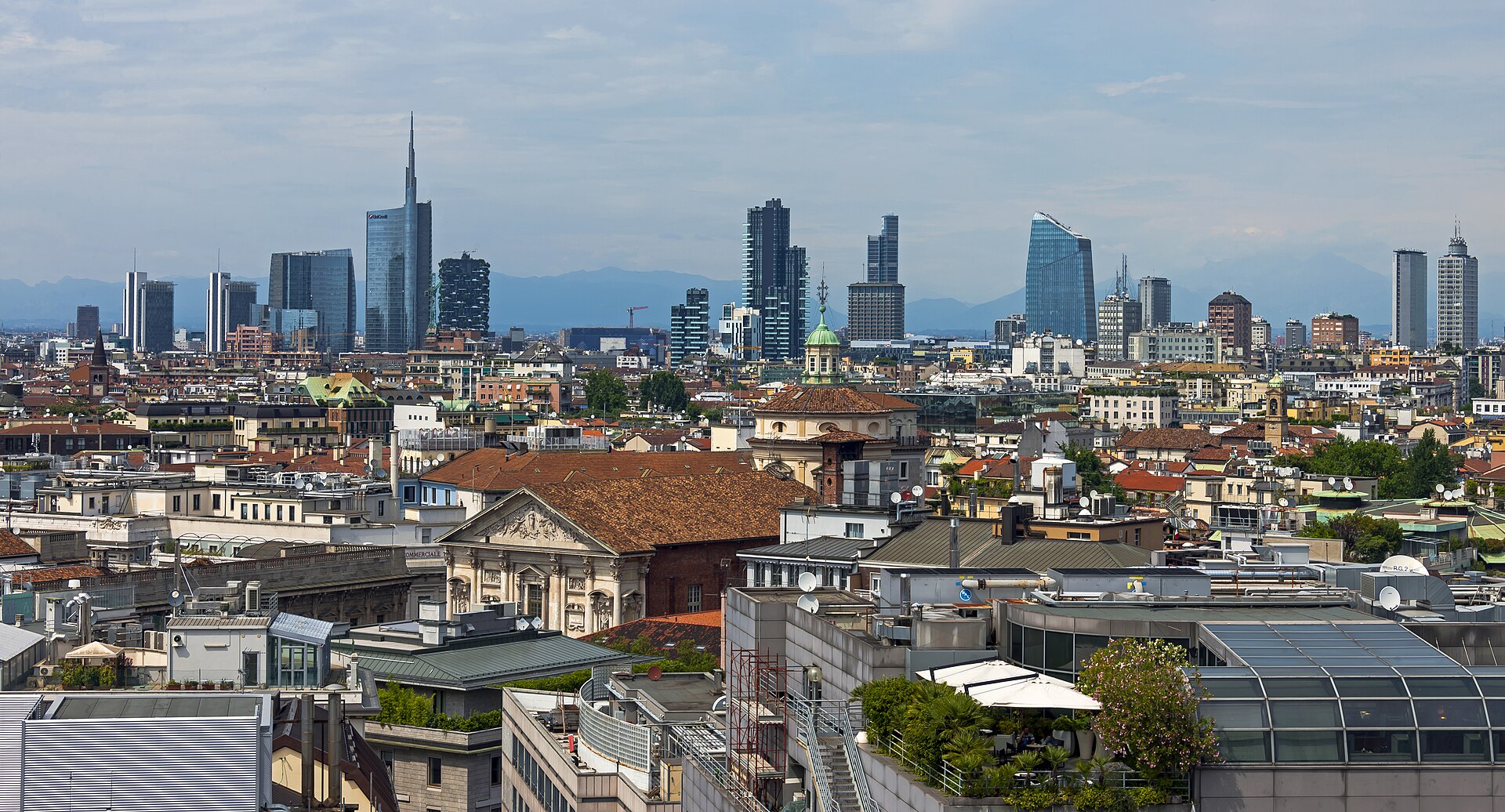
Photograph · Wikibusters · CC BY-SA 4.0
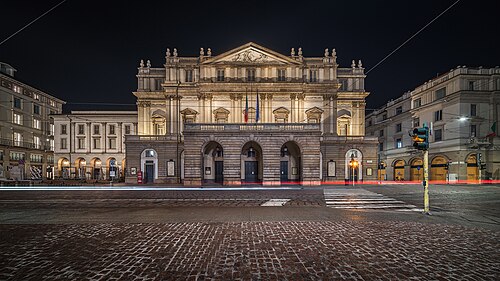
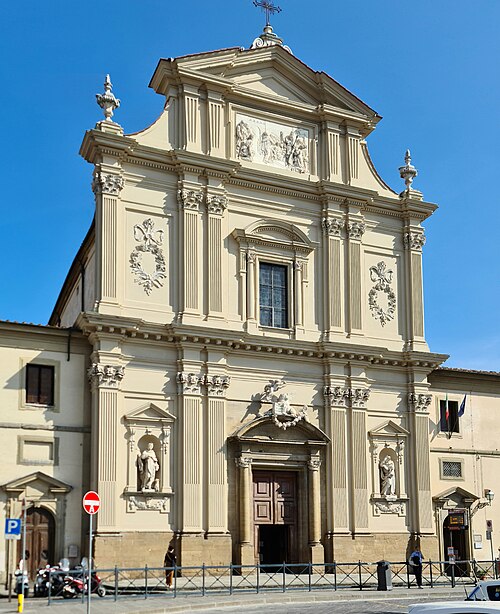
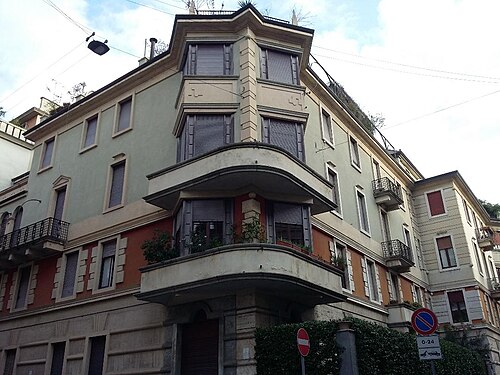
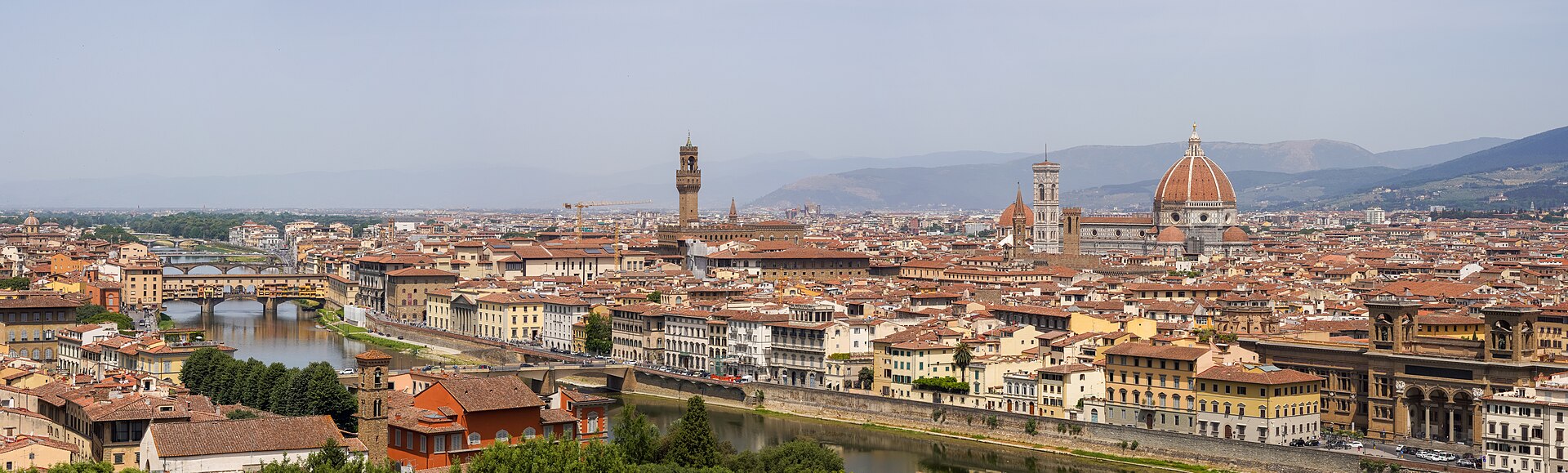
Photograph · Martin Falbisoner · CC BY-SA 4.0
Ranked by importance — sitelinks, pageviews and heritage status, not editor preference.
408 places match
Category
Typical visit duration
Interests
Basilica di Santa Maria in Trastevere
Santa Maria in Trastevere is a basilica dedicated to the Virgin Mary in the heart of Rome’s Trastevere district.
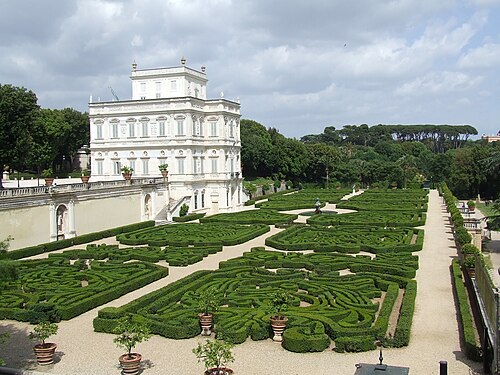
Villa Doria Pamphilj
Villa Doria Pamphili is a historic villa and extensive public park in Rome, Italy. It is among the largest landscaped public parks in the city, situated on the Gianicolo hill.
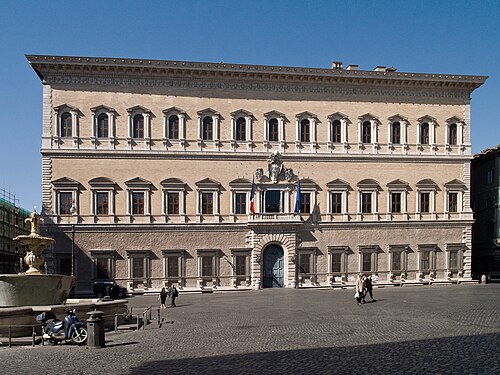
Palazzo Farnese is a monumental High Renaissance palace on Piazza Farnese in Rome’s historic centre. The Farnese family commissioned the building, and Antonio da Sangallo the Younger began its design before Michelangelo contributed important later elements.
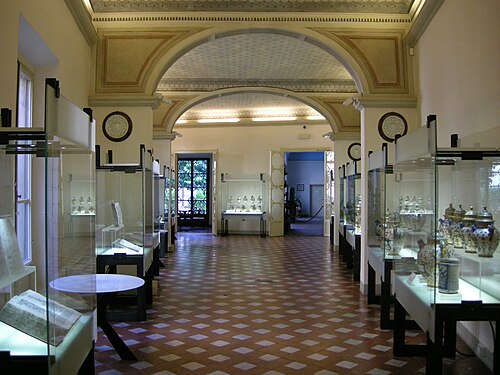
Museo dell'Officina Profumo - Farmaceutica di Santa Maria Novella
Officina di Santa Maria Novella is a historic pharmacy and perfume workshop near Florence’s Santa Maria Novella church complex. Its story is connected with Dominican friars and traditional apothecary practice.
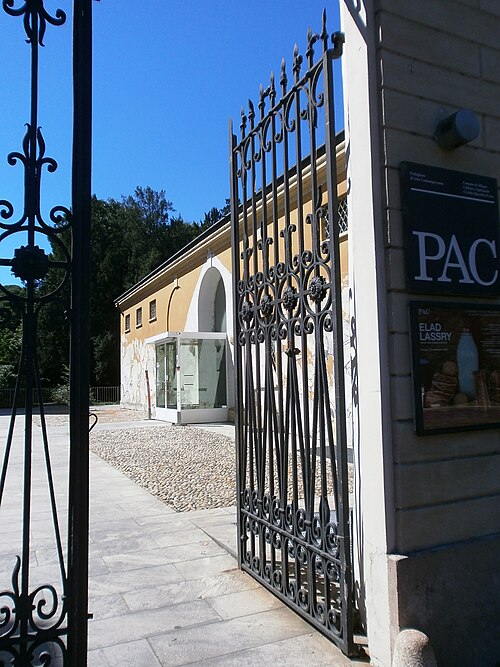
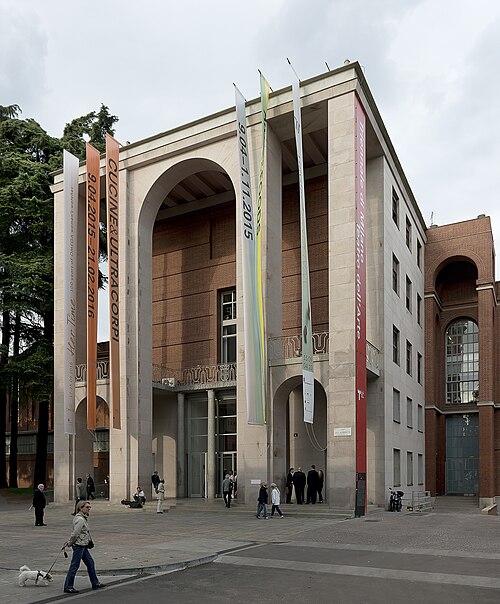
Padiglione d'Arte Contemporanea is a contemporary art exhibition space in Milan, Italy. Known locally by the same name, it serves as a venue for modern and contemporary artistic presentations.
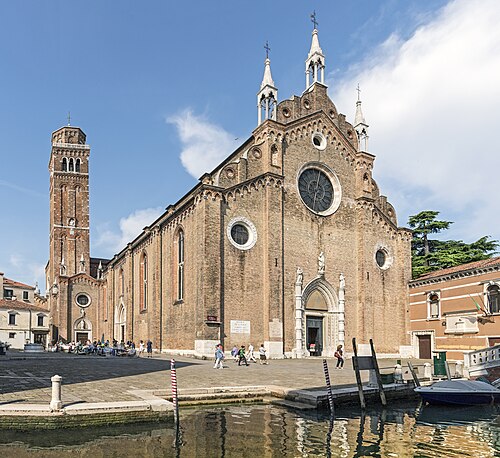
Basilica di Santa Maria Gloriosa dei Frari
The Basilica di Santa Maria Gloriosa dei Frari is the Franciscan church of San Polo, and Venetians shorten its name to the Frari.
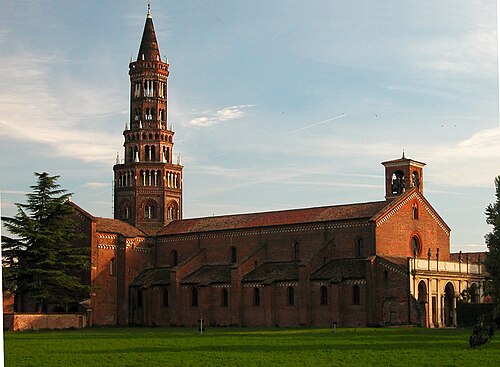
Abbazia di Chiaravalle
Chiaravalle Abbey, known locally as Abbazia di Chiaravalle, is a Cistercian monastery located in the southern periphery of Milan. Founded in 1135, it represents an important example of Lombard Gothic and Romanesque architecture.
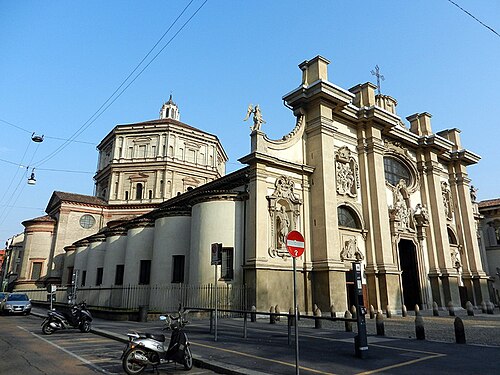
Chiesa di Santa Maria della Passione
Santa Maria della Passione is a historic Catholic church in central Milan, also known locally as Chiesa di Santa Maria della Passione. It belongs to the city’s rich ecclesiastical landscape and offers a quieter alternative to Milan’s busiest monumental churches.
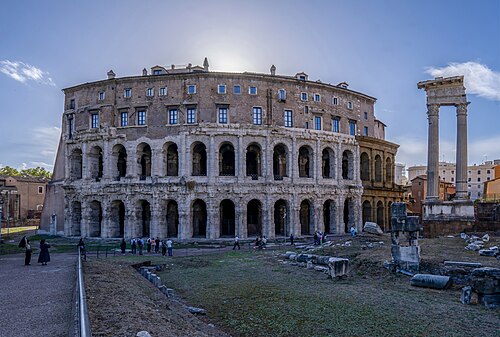
Teatro di Marcello
The Theatre of Marcellus is an ancient open-air theatre in Rome, Italy. Its local name is Teatro di Marcello. Construction began under Julius Caesar and was completed by Augustus in 13 BC, dedicated to his nephew Marcus Claudius Marcellus.
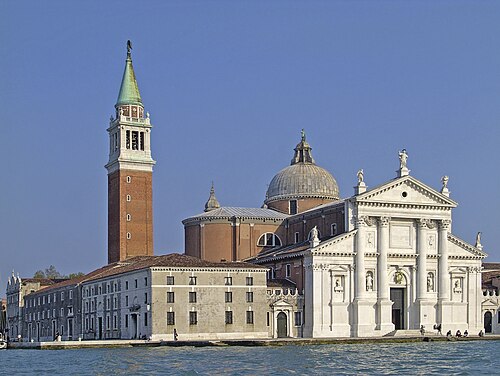
Basilica di San Giorgio Maggiore
San Giorgio Maggiore is a Benedictine basilica standing alone on its own island in the lagoon, directly across the water from the Piazzetta di San Marco.
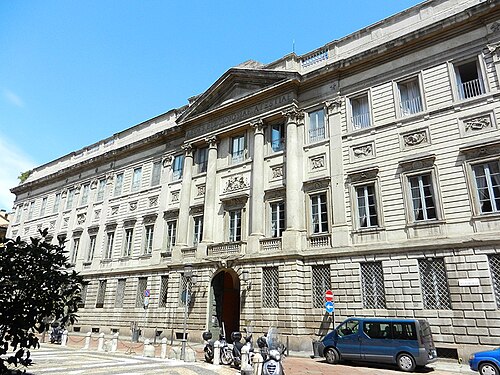
Palazzo Belgioioso
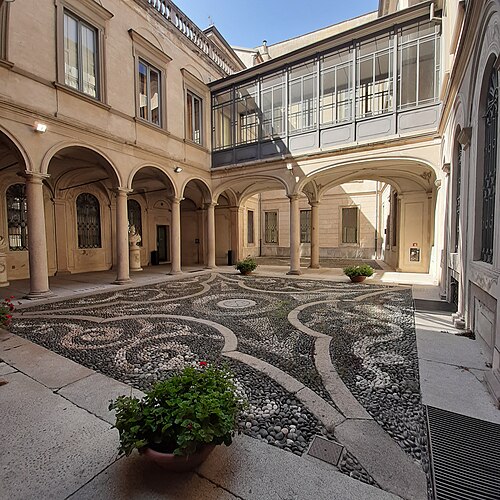
Palazzo Belgioioso stands as a distinguished neoclassical palace in central Milan, constructed in the late eighteenth century to designs by Giuseppe Piermarini. The building exemplifies the refined architectural transition from Baroque grandeur to Enlightenment restraint.
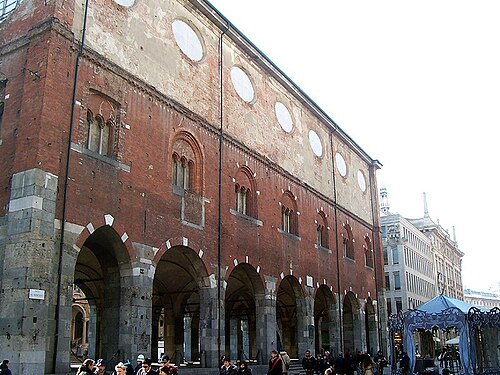
Palazzo della Ragione is a medieval civic building in Piazza dei Mercanti, immediately beside Milan’s cathedral district. Dating from the thirteenth century, it served as Milan’s broletto, a center for courts, public administration, and communal government.
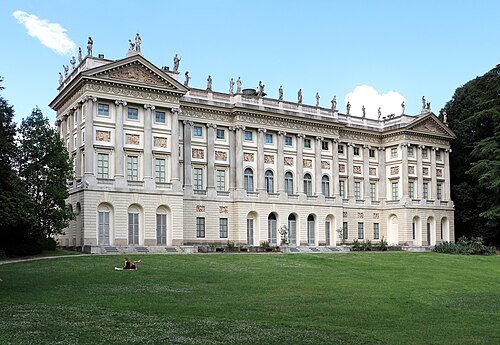
Villa Reale
The Royal Villa of Milan, known locally as Villa Reale, stands as a significant historic estate in Milan. This distinguished property reflects aristocratic heritage and architectural importance within the city's cultural landscape.
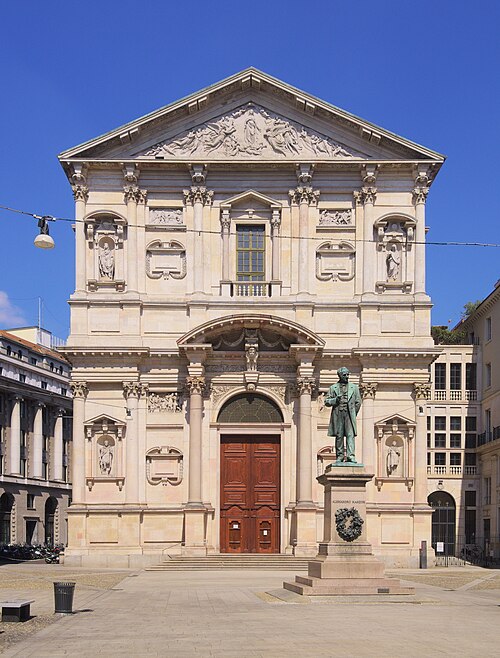
Chiesa di San Fedele
San Fedele Church, or Chiesa di San Fedele, is a sixteenth-century church in central Milan beside Piazza San Fedele. The church is an active parish and a significant example of Counter-Reformation architecture.
Chiesa di San Pietro in Gessate
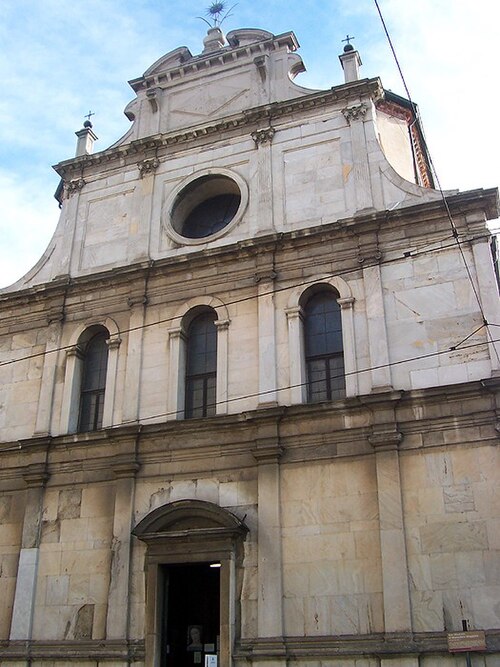
San Pietro in Gessate is a fifteenth-century Renaissance church in Milan’s Porta Vittoria area.
La Specola
La Specola is the zoological museum of the University of Florence. It brings together scientific heritage, natural-history collections and the history of university teaching in a historic Florentine setting.
Civico museo archeologico di Milano
The Archaeological Museum of Milan, locally named Civico museo archeologico di Milano, preserves and presents archaeological collections relevant to the city's ancient history. Housed within a historic monastic complex, the institution serves as a municipal museum under civic administration.
Galleria d'Arte Moderna
Galleria d'Arte Moderna di Milano is a municipal art museum in Milan, Italy. It occupies the Villa Belgiojoso Bonaparte, a neoclassical palace dating to the late eighteenth century.
Museo Teatrale alla Scala is the museum devoted to the history of opera, ballet and theatre connected with Milan’s Teatro alla Scala.
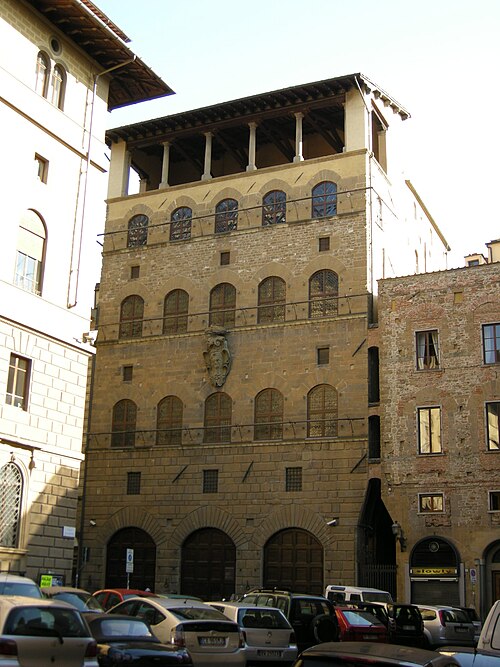
Palazzo Davanzati is a fourteenth-century Florentine palace and museum devoted to medieval and Renaissance domestic life.
Basilica dei santi Giovanni e Paolo
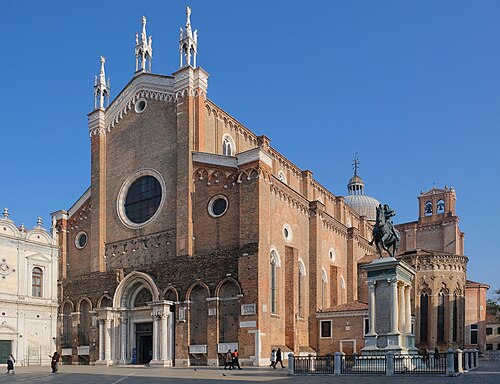
Basilica dei Santi Giovanni e Paolo is one of Venice’s major Gothic churches, standing in the large Campo Santi Giovanni e Paolo in Castello. Venetians also call the basilica San Zanipolo.
Forte di Belvedere
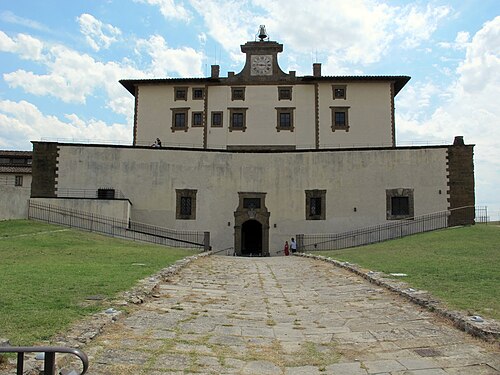
Forte di Belvedere is a Renaissance fortress on the Boboli hill above Florence. Built under Grand Duke Ferdinando I de’ Medici and designed by Bernardo Buontalenti, it served military and residential purposes.
Basilica di Sant'Agostino
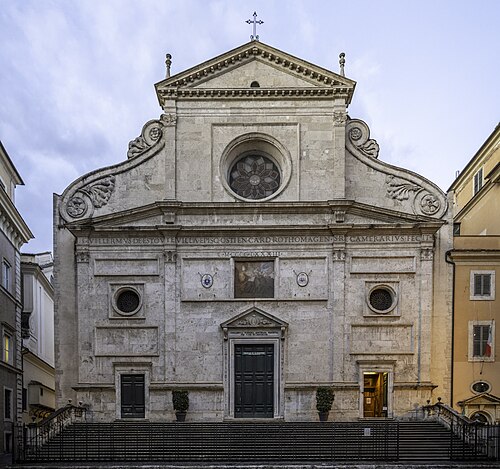
The Basilica of Saint Augustine, or Basilica di Sant'Agostino, is a Roman Catholic church near Piazza Navona in Rome's historic centre. Dedicated to Saint Augustine of Hippo, it sits within the Campo Marzio district's dense collection of historic religious buildings.
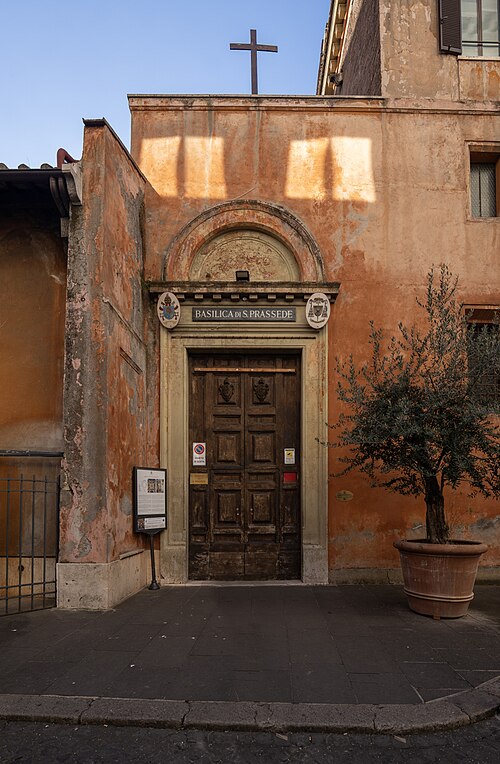
Basilica di Santa Prassede
Santa Prassede, known locally as Basilica di Santa Prassede, is a basilica church in Rome. It stands as a historic religious building within the urban fabric of the city.
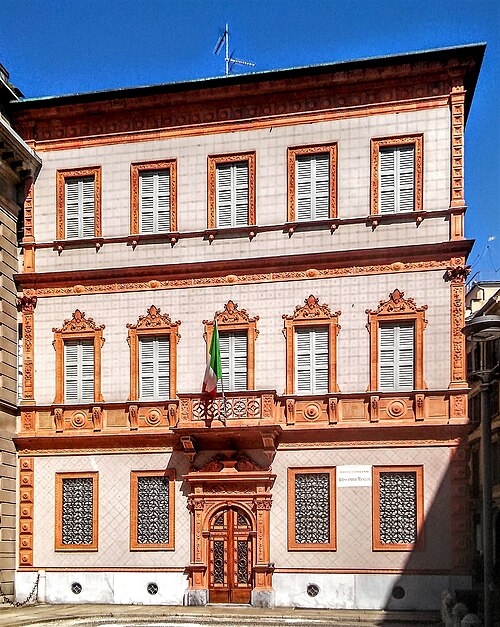
Casa Manzoni
House Manzoni, also known as Casa Manzoni, is the historic Milan residence of Alessandro Manzoni. The novelist and poet is one of Italy's major nineteenth-century literary figures and the author of The Betrothed.
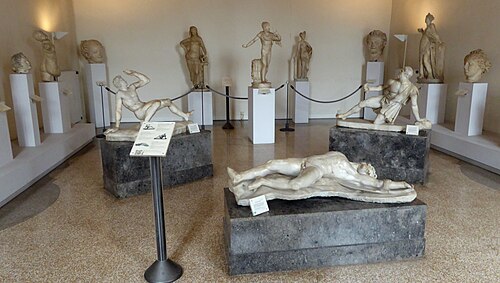
Museo archeologico nazionale di Venezia
The Museo Archeologico Nazionale di Venezia is a national archaeological museum housed within the Procuratie Nuove in Piazza San Marco. It holds collections of Greek and Roman antiquities, sculptures, bronzes, gems, and coins.
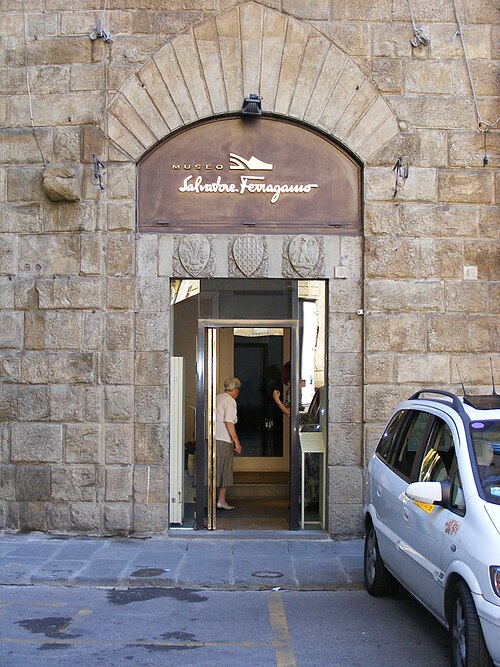
Museo Salvatore Ferragamo
The Salvatore Ferragamo Museum, or Museo Salvatore Ferragamo, is a fashion museum in Florence devoted to the work and legacy of shoe designer Salvatore Ferragamo.
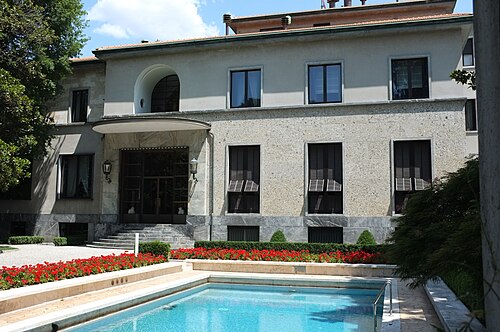
Villa Necchi Campiglio is a Milan house museum designed by Piero Portaluppi between 1932 and 1935. Built for the Necchi Campiglio family, it preserves a refined example of Milanese rationalist architecture and twentieth-century domestic life.
Mercati di Traiano
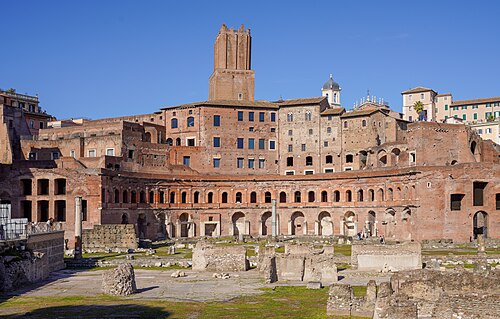
Trajan's Market, known locally as Mercati di Traiano, constitutes an extensive complex of ruins in Rome traditionally associated with commercial and administrative functions. The structure forms part of the broader Forum of Trajan archaeological zone.
Basilica di San Pietro in Vincoli
San Pietro in Vincoli is a basilica in Rome, officially named Basilica di San Pietro in Vincoli. The church stands on the Oppian Hill near the Colosseum.
Museo Nazionale della Scienza e della Tecnologia
The Museo Nazionale della Scienza e della Tecnologia "Leonardo da Vinci" is Italy's largest science and technology museum. Housed in a former Olivetan monastery, the institution honors Leonardo da Vinci's legacy as both artist and inventor.
Basilica di Sant'Ambrogio
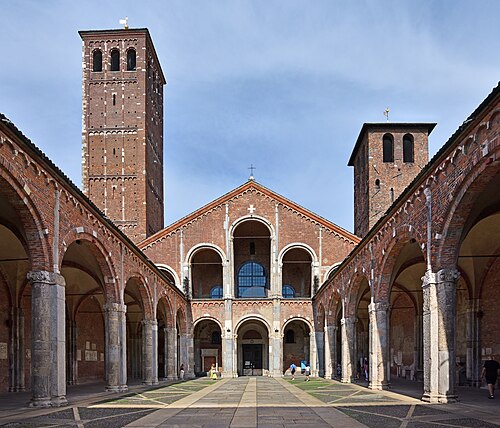
The Basilica of Sant'Ambrogio is a historic church in Milan and one of the most ancient in the city. Founded by Saint Ambrose in 379 AD, it was rebuilt in the Romanesque style during the eleventh and twelfth centuries.
Cattedrale di San Romolo
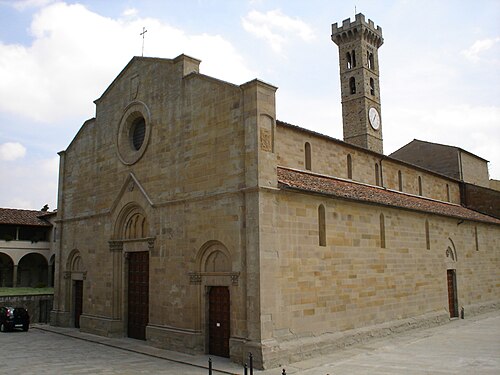
Fiesole Cathedral, known locally as Cattedrale di San Romolo, stands in the hill town of Fiesole overlooking Florence. This historic cathedral serves as the seat of the Diocese of Fiesole and represents a significant religious landmark in the Tuscany region.
Portico d'Ottavia
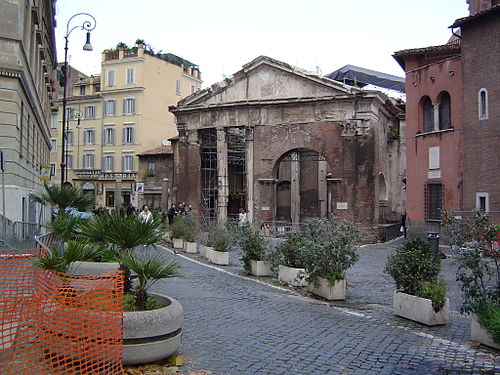
The Porticus Octaviae, known locally as Portico d'Ottavia, is an ancient Roman portico in the heart of Rome's Jewish Ghetto.
Villa Borghese
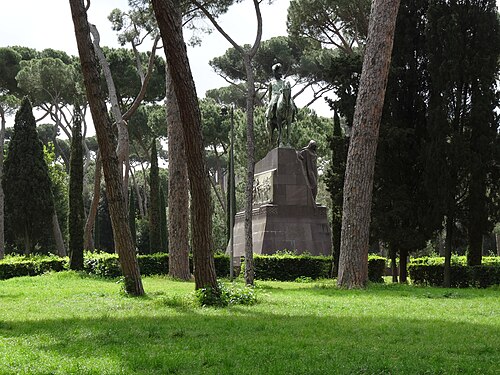
Villa Borghese is a large public park in central Rome, Italy. It covers substantial ground on the Pincian Hill and surrounding area, making it one of the city's most significant green spaces.
Museo del Vetro
The Murano Glass Museum, known locally as Museo del Vetro, is a museum dedicated to the art and history of glassmaking on the island of Murano in the Venetian Lagoon.
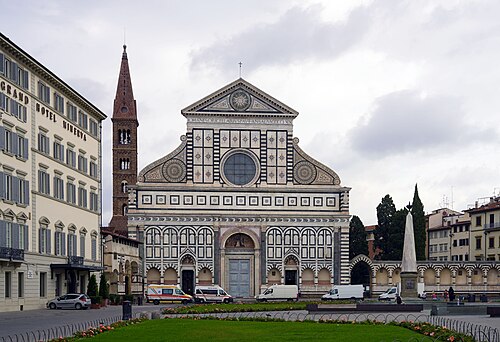
Basilica di Santa Maria Novella
The Basilica of Santa Maria Novella is a major Dominican church in Florence, situated opposite the city's main railway station, which shares its name.
Armani/Silos is a fashion museum in Milan dedicated to the work of Italian designer Giorgio Armani. Opened in 2015, it occupies a former industrial building in the Tortona district that was originally constructed in 1950 as a granary.
Casa di Dante
The House of Dante, or Casa di Dante, stands in Florence as a museum dedicated to the life and work of Dante Alighieri, the medieval poet whose Divine Comedy shaped Italian literature.
The Scuola Grande di San Rocco is a historic confraternity building in Venice, founded in 1478 and dedicated to Saint Roch, patron saint of plague victims.
Museo Stibbert is a museum in Florence, Italy. It was founded by Frederick Stibbert, a British-born collector who inherited substantial wealth and dedicated his life to amassing art, armour, and decorative objects from across the world.
Museo del Risorgimento
The Museum of the Risorgimento in Milan documents Italy's unification movement from 1796 to 1870.
The Pinacoteca Ambrosiana is a historic art gallery and library in central Milan, founded in the early seventeenth century by Cardinal Federico Borromeo. It houses the Biblioteca Ambrosiana, one of Italy's oldest public libraries, alongside its picture gallery.
Catacombe di San Callisto
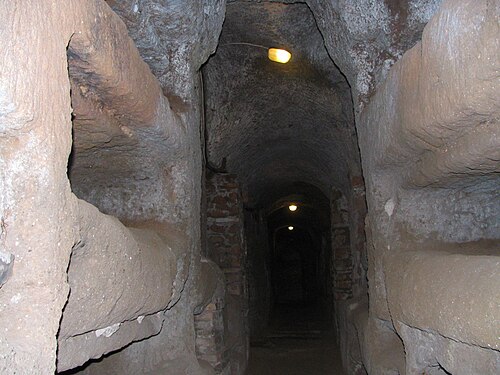
The Catacomb of Callixtus, locally known as Catacombe di San Callisto, constitutes one of Rome's most significant early Christian burial complexes.
Ghetto di Venezia
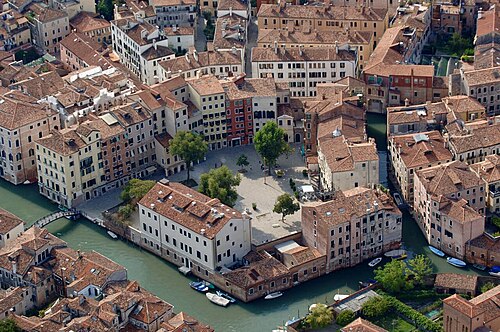
The Venetian Ghetto is Venice’s historic Jewish quarter in Cannaregio, established in 1516 on the site of an iron foundry.
Basilica di Santa Maria sopra Minerva
Santa Maria sopra Minerva, also called Basilica di Santa Maria sopra Minerva, is a Dominican basilica near the Pantheon in Rome’s historic centre. Its Gothic structure stands out in a city known for Renaissance and Baroque buildings.
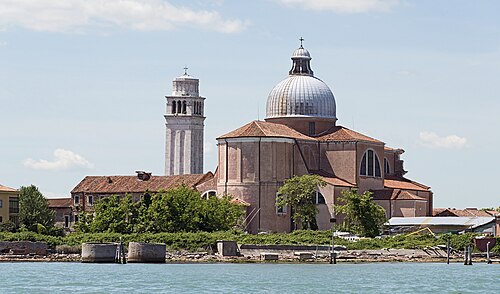
Basilica di San Pietro di Castello
The Basilica di San Pietro di Castello is a historic church in Venice, located on the eastern end of the main island group in the Castello sestiere.
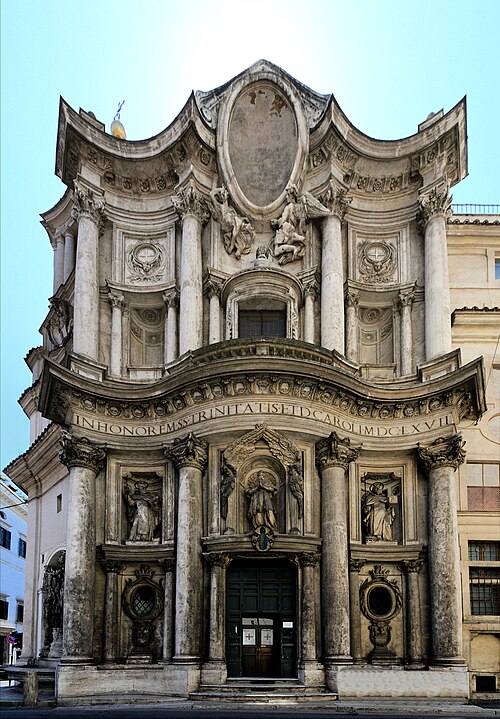
San Carlo alle Quattro Fontane
San Carlo alle Quattro Fontane, known in English as Saint Charles at the Four Fountains, is a Baroque church in Rome designed by Francesco Borromini.
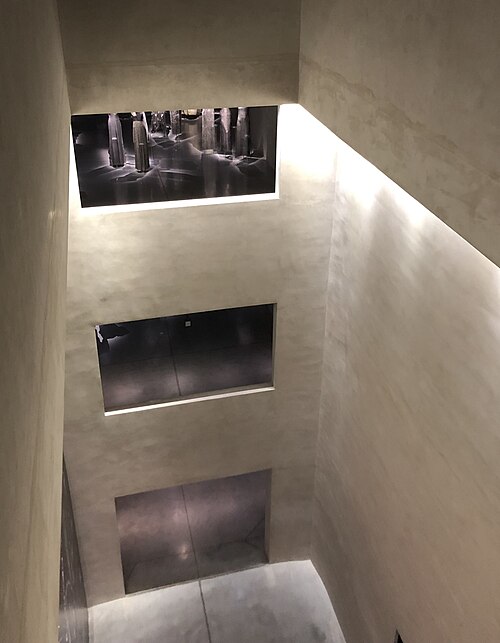
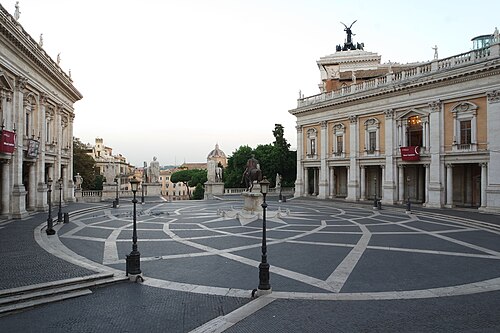
Piazza del Campidoglio is a public square atop the Capitoline Hill in Rome, Italy. Designed by Michelangelo in the 16th century, it represents one of the most significant examples of Renaissance urban planning.
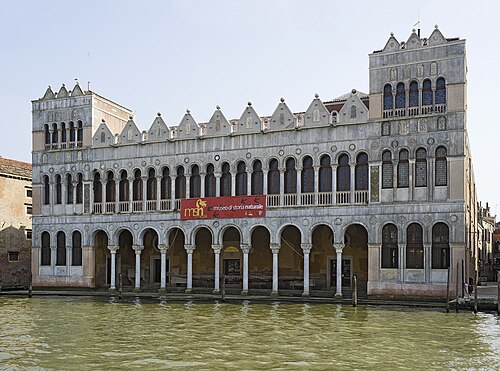
Museo di Storia Naturale di Venezia occupies the historic Fondaco dei Turchi beside the Grand Canal. The building gives the visit an architectural setting as distinctive as the collections inside, with Venetian-Byzantine details and a canal-side position.
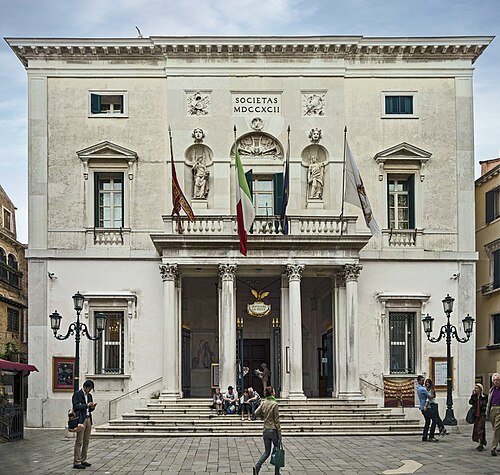
Teatro La Fenice is Venice's principal opera house and among Italy's most renowned theatres. The name La Fenice, meaning The Phoenix, references the theatre's history of rising from devastating fires.
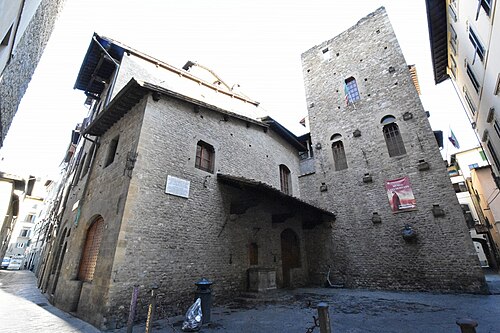
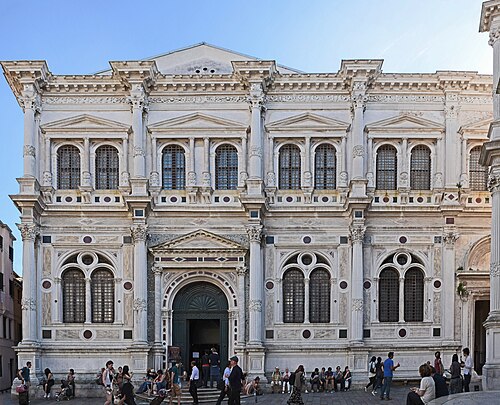
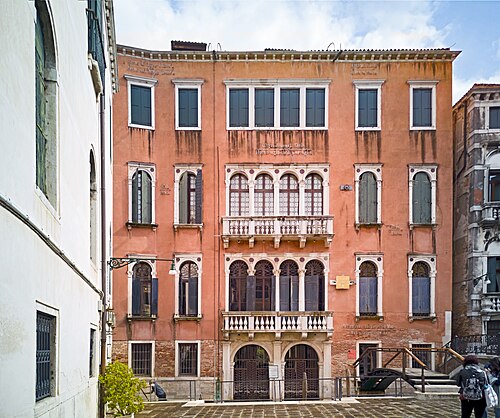
Fondazione Querini Stampalia is a cultural institution in Venice, Italy, combining a historic house museum, art gallery, library, and architectural garden. It occupies a palazzo in the Castello district, near Santa Maria Formosa.
Museo di Torcello
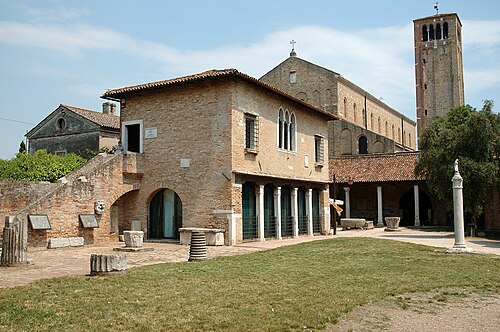
Museo provinciale di Torcello is the museum of Torcello, an island in the northern Venetian Lagoon.
Largo di Torre Argentina
Largo di Torre Argentina is a square in Rome that contains the remains of four Republican-era temples and the Theatre of Pompey. The ruins were uncovered during demolition work in the 1920s.
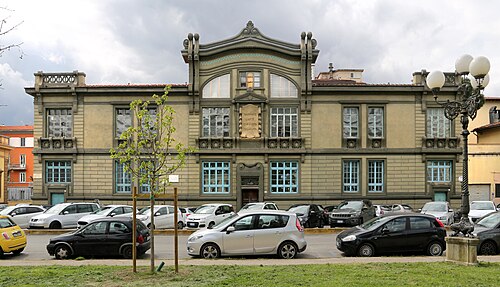
Cappella de' Pazzi
The Pazzi Chapel, locally known as Cappella de' Pazzi, stands as a significant Renaissance religious structure in Florence. Commissioned by the Pazzi family, prominent Florentine bankers, this chapel represents a key architectural work of the early Renaissance period.
Palazzo Grassi is an eighteenth-century palace on Venice’s Grand Canal. Built for the Grassi family, it now operates as a contemporary art museum and exhibition venue.
Palazzo Grimani di Santa Maria Formosa is a Renaissance palace in Venice's Castello district. The building belonged to the Grimani family, prominent Venetian patricians who later became cardinals and doges.
Basilica di San Marco
The Basilica of St. Mark, or Basilica di San Marco, is a historic religious building in Florence. It is distinct from St. Mark’s Basilica in Venice, although both are dedicated to the same patron saint.
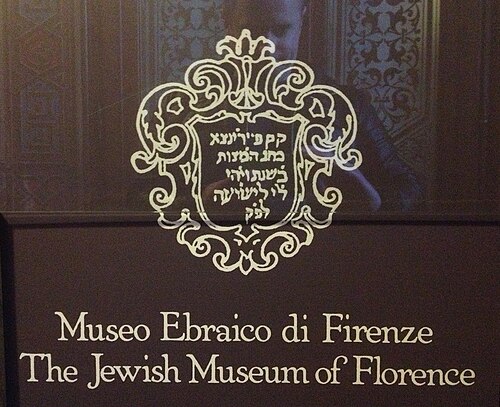
Museo Ebraico di Firenze
The Jewish Museum of Florence, or Museo Ebraico di Firenze, presents the heritage of Florence’s Jewish community. It is associated with the Great Synagogue of Florence and places religious objects, history, and community life within the city’s cultural landscape.
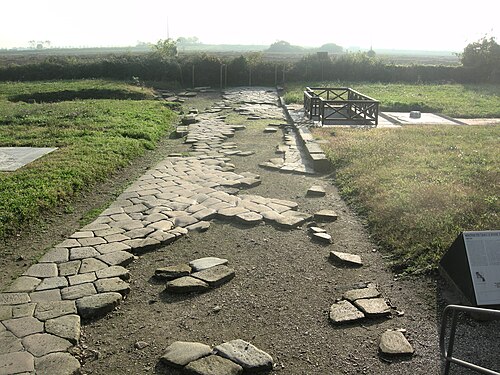
Altino
Altinum, also called Altino, is an ancient Roman settlement on the Venetian mainland near Venice. It was once a significant port city whose commercial and strategic importance connected it with Adriatic trade.
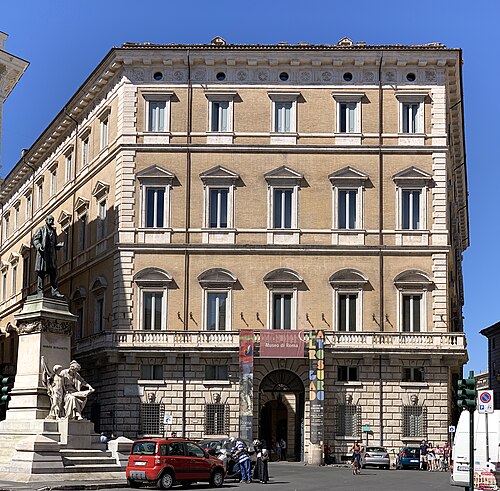
The Museo di Roma is a museum dedicated to the history and culture of Rome. Located in the city center, it occupies a historic building that contributes to its significance as a cultural institution.
Piazzale Michelangiolo
Piazzale Michelangelo is a panoramic square overlooking Florence from the south bank of the Arno River. It was designed by architect Giuseppe Poggi in 1869 as part of Florence's brief period as capital of the Kingdom of Italy.
The Bocca della Verità is a large ancient marble mask set into the wall of the portico of the church of Santa Maria in Cosmedin in Rome.
Palazzo dell'Ambrosiana
Palazzo dell'Ambrosiana is a historic palace in Milan, Italy, associated with the Biblioteca Ambrosiana, one of Europe's oldest and most significant cultural institutions.
The Crypta Balbi is a museum and archaeological complex in Rome, Italy. It stands on the site of the ancient Theatre of Balbus, built by Lucius Cornelius Balbus in 13 BCE.
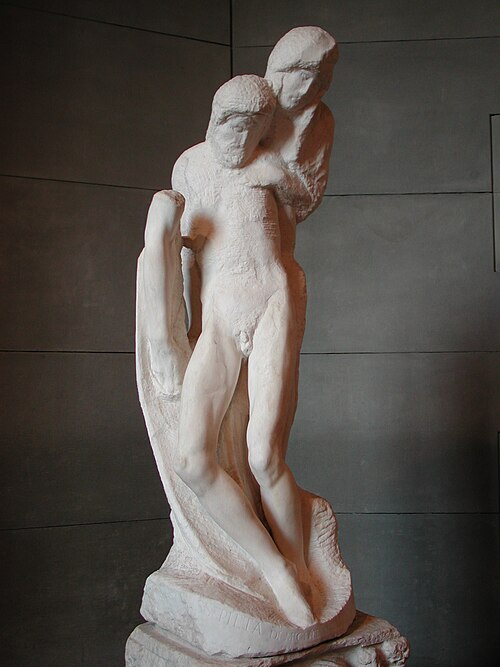
Museo Pietà Rondanini
The Rondanini Pietà is a late unfinished marble sculpture by Michelangelo Buonarroti, housed in the Sforza Castle complex in Milan. The work depicts the Virgin Mary supporting the body of Christ after the Crucifixion.
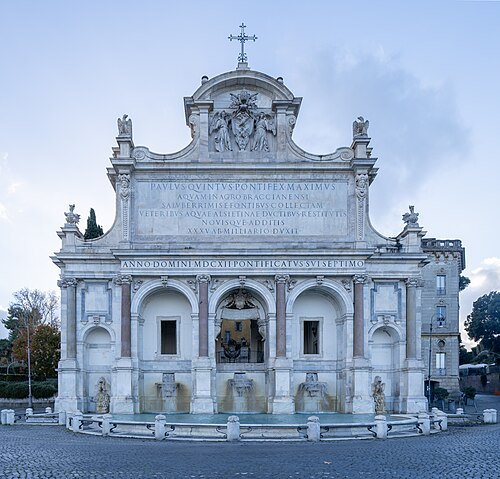
Fontana Dell'Acqua Paola
Fontana dell'Acqua Paola is a monumental Baroque fountain located on the Janiculum Hill in Rome. Commissioned by Pope Paul V and completed in the early seventeenth century, it was built to mark the restoration of the ancient Trajan aqueduct.
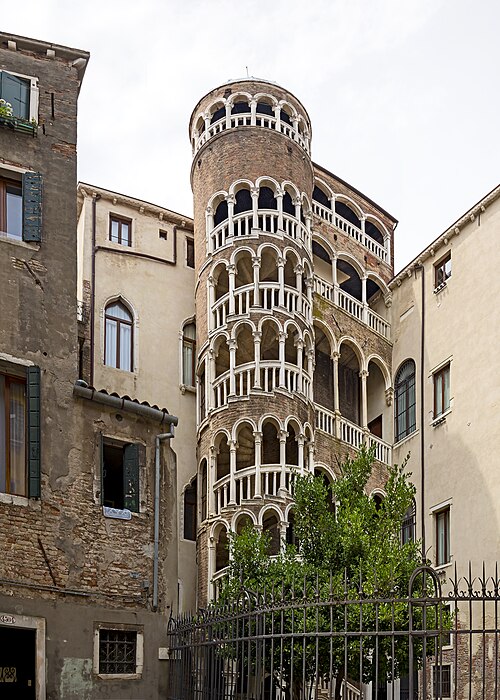
Palazzo Contarini del Bovolo is a historic Venetian palace in the San Marco district, distinguished by its external spiral staircase, the Scala Contarini del Bovolo.
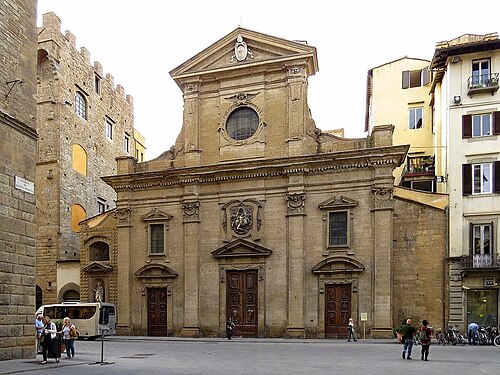
Basilica di Santa Trinita
Basilica di Santa Trinita is a Roman Catholic church in central Florence, near the Arno River and Ponte Santa Trinita. The basilica belongs to the Vallumbrosan Order and combines an important religious function with Gothic architecture and major Florentine art.
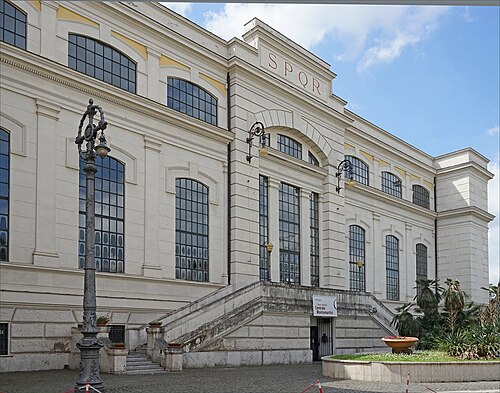
Centrale Montemartini is a museum in Rome housed in a former thermoelectric power plant. The industrial building, with its preserved machinery and turbines, serves as an exhibition space for classical sculpture from the Capitoline Museums collection.
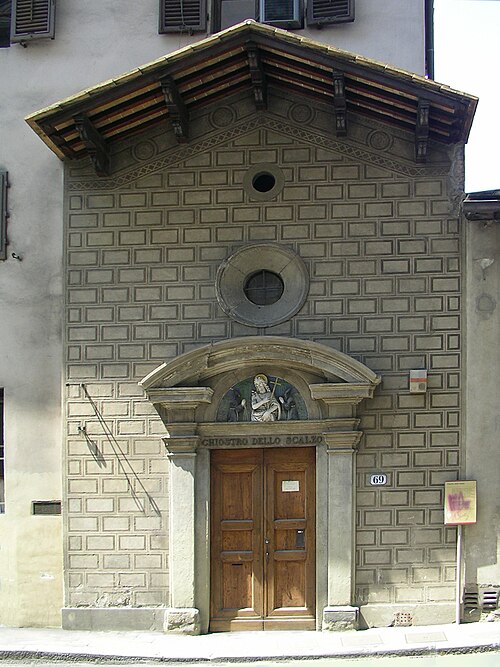
Chiostro dello Scalzo
The Cloister of the Scalzo, or Chiostro dello Scalzo, is a Renaissance cloister in Florence known for Andrea del Sarto’s fresco cycle.
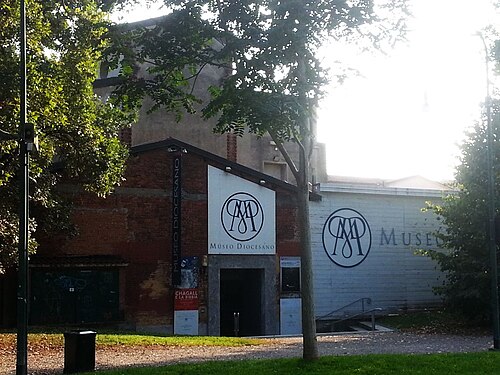
Museo Diocesano di Milano
The Diocesan Museum of Milan is an ecclesiastical museum operated by the Archdiocese of Milan. It occupies a historic site near the Basilica of Sant'Eustorgio in the Portinari Chapel area.
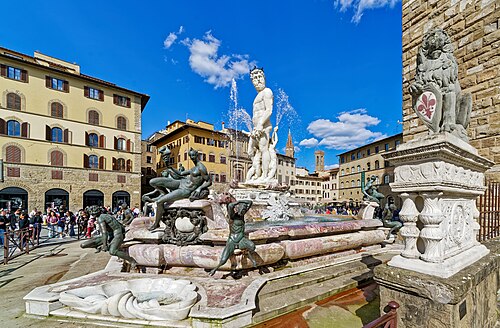
Fontana del Nettuno
The Fountain of Neptune is a monumental fountain located in the Piazza della Signoria, Florence's central civic square.
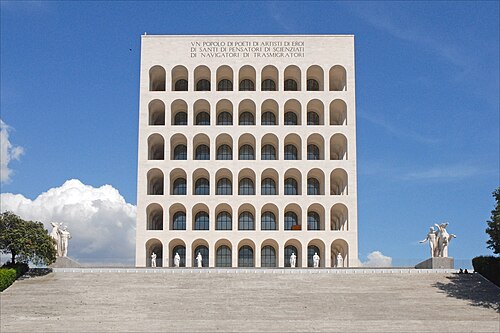
Palazzo della Civiltà del Lavoro
The Palazzo della Civiltà Italiana, also known locally as Palazzo della Civiltà del Lavoro, stands as an iconic monument of Rome's EUR district.
Giardino dei Semplici
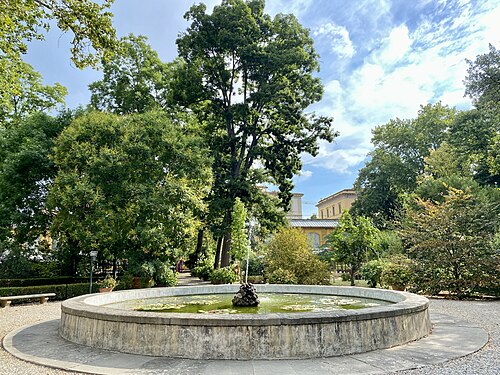
The Botanical Garden of Florence, known as Giardino dei Semplici, is a historic garden operated by the University of Florence. Founded in the sixteenth century, it began as a place for cultivating medicinal plants, or semplici.
Museo del Merletto di Burano
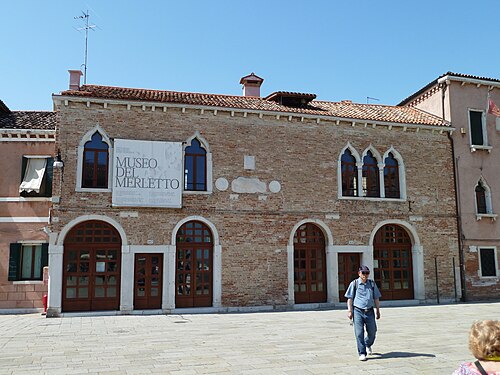
The Lace Museum stands on Piazza Galuppi, the single square of Burano, in the historic palace of the Podestà of Torcello.
Museo Stefano Bardini
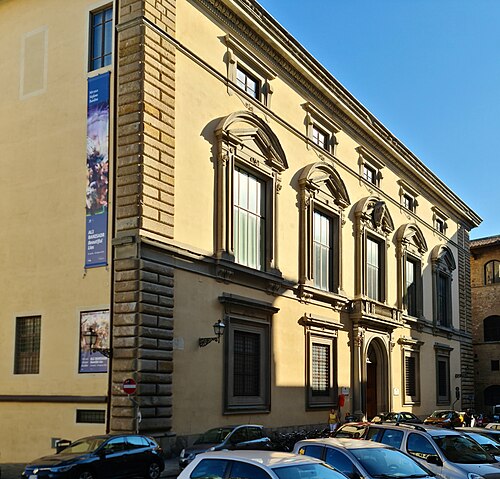
Museo Bardini, locally known as Museo Stefano Bardini, is a museum in Florence housed in a historic building that once belonged to the antiquarian and collector Stefano Bardini.
Museo d'arte e scienza
Museo d'Arte e Scienza is a Milan museum whose name brings together two ways of looking at the world: artistic expression and scientific understanding.
Triennale Design Museum
Palazzo dell'Arte Bernocchi, locally known as Triennale Design Museum, stands as a significant cultural institution in Milan dedicated to Italian design excellence. Housed within a distinctive architectural setting, the museum occupies a prominent position in the city's cultural landscape.
Palazzo Morando - Costume Moda Immagine
Palazzo Morando is a historic palace in Milan housing a costume and fashion museum.
Parco del Colle Oppio
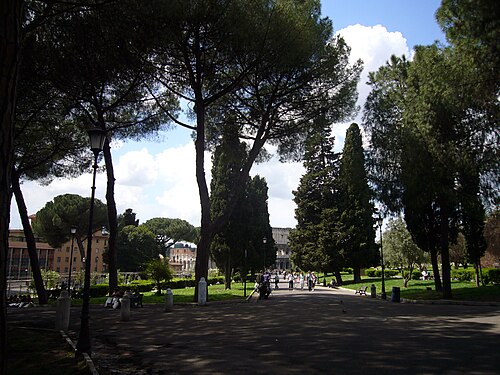
Oppian Hill Park, or Parco del Colle Oppio, is a public green space on Rome’s historic Oppian Hill in the Monti district.
San Maurizio al Monastero Maggiore is a historic church complex in central Milan, originally constructed as part of a Benedictine convent. The building dates to the sixteenth century and occupies a significant place in Milanese religious architecture.
Museo Egizio
The Egyptian Museum of Milan, known locally as Museo Egizio, is a museum dedicated to Egyptian antiquities and archaeology. It adds an Egyptology-focused stop to Milan’s better-known art, design, and fashion itinerary.
Museo Storico Navale is Venice’s naval history museum in the Castello district, close to the Venetian Arsenal. The museum explores the maritime power that shaped Venice, from the era of the Venetian Republic to the modern Italian Navy.
Museo delle Arti Decorative
The Applied Arts Collection of Milan, known locally as the Museo delle Arti Decorative, is a museum dedicated to decorative and applied arts within the city.
Palazzo Mocenigo
Museo di Palazzo Mocenigo is a museum in a historic Venetian palace beside the Grand Canal. It introduces visitors to the world of Venetian dress, textiles, fragrance and aristocratic domestic life.
Museo di Roma in Trastevere
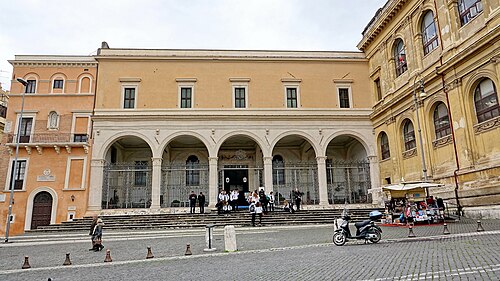
Museo di Roma in Trastevere occupies a converted historic complex in one of Rome's most characterful quarters. The institution forms part of the broader network of civic museums documenting the capital's social and cultural evolution.
Villa Pandolfini Carducci
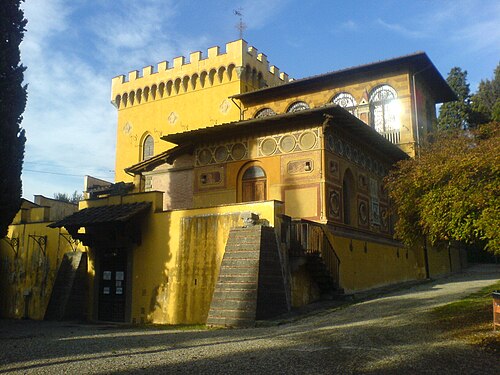
Villa Carducci di Legnaia, also known as Villa Pandolfini Carducci, is a historic villa in Florence's Legnaia neighbourhood. It represents the country-house tradition of wealthy Florentine families and reflects the transition between the historic city and its former rural edges.
Collezione Peggy Guggenheim
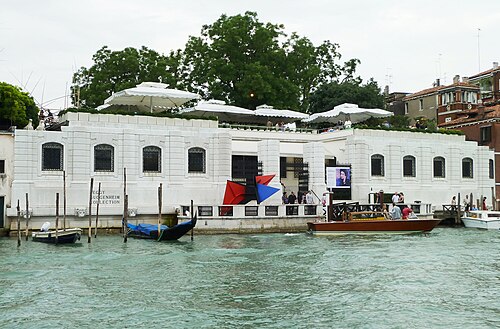
The Peggy Guggenheim Collection is a modern art museum on Venice's Grand Canal. Housed in the Palazzo Venier dei Leoni, an unfinished 18th-century palace, it was the former home of American heiress Peggy Guggenheim.
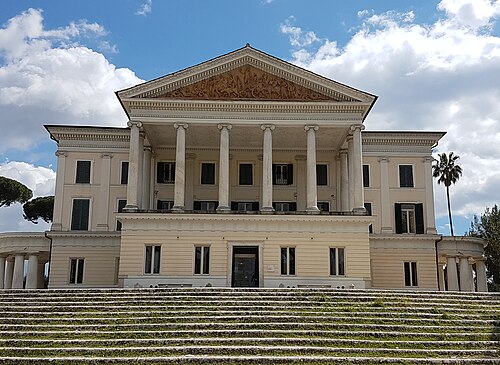
Villa Torlonia is a historic villa and public park in Rome, Italy. Originally a noble residence, it became state property and now serves as a cultural site with museums and gardens.
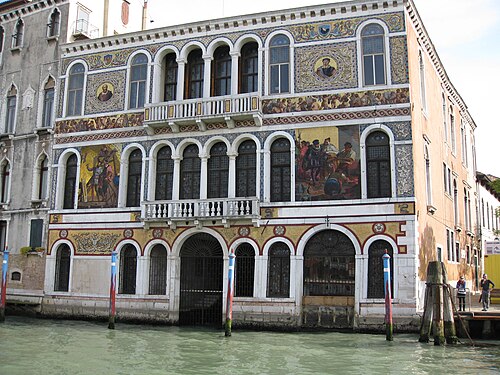
Palazzo Barbarigo is a historic palace on Venice's Grand Canal, associated with the Barbarigo family and the city's patrician residential tradition. Its facade combines Venetian Gothic character with later Renaissance changes, showing how noble houses evolved over time.
Pinacoteca del Castello Sforzesco is the art gallery housed within Milan's historic Castello Sforzesco, a fifteenth-century fortress built by Francesco Sforza, Duke of Milan.
Arco della Pace
The Arco della Pace is a neoclassical triumphal arch in Milan, standing at the edge of Parco Sempione near the historic centre.
Certosa del Galluzzo
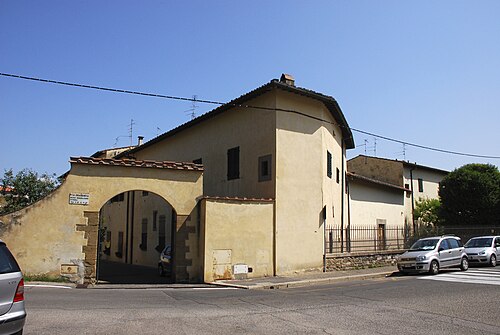
Florence Charterhouse, or Certosa del Galluzzo, is a Carthusian monastery on a hillside south of central Florence. Niccolò Acciaiuoli founded the complex in 1341.
Palazzo Bembo is a historic palace on Venice’s Grand Canal, near the Rialto Bridge. Its Venetian Gothic character, together with later Renaissance elements, makes it a strong example of the layered palazzo facades lining the city’s principal waterway.
Casa-museo Boschi Di Stefano is a house museum in Milan preserving the former residence of collectors Antonio Boschi and Marieda Di Stefano. The couple amassed a significant collection of twentieth-century Italian art, which they donated to the city.
Galleria Rinaldo Carnielo
The Galleria Rinaldo Carnielo is a museum in Florence dedicated to the works of Rinaldo Carnielo, an Italian sculptor active in the late 19th and early 20th centuries.
Museo delle Civiltà is a museum complex in Rome’s EUR district devoted to cultures and civilizations from around the world. Its collections bring together ethnographic, anthropological, archaeological and artistic material formerly held by different institutions.
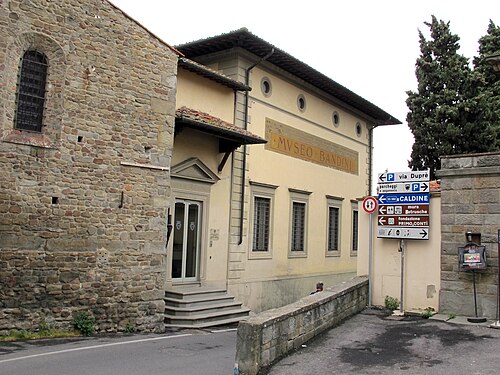
Museo Bandini
Museum Bandini, also known as Museo Bandini, is a Florence museum included within the city's wider cultural landscape. Its local name is useful when reading Italian directions or referring to the museum in the city.
Basilica di Sant'Alessandro
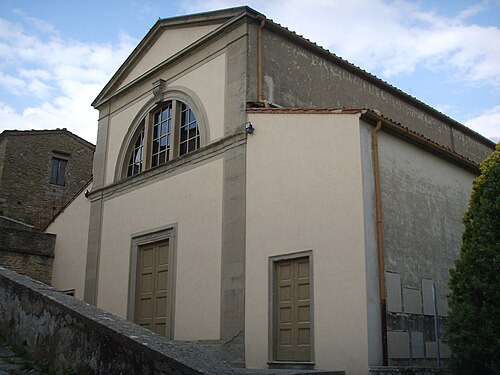
Sant'Alessandro is a basilica in Florence, Tuscany, and forms part of the city's long religious and architectural tradition. Its setting makes it a useful stop for travellers who want to see a quieter sacred landmark alongside Florence's better-known Renaissance monuments.
Source: OpenStreetMap contributors, Wikidata ·
Ten to fourteen days can combine Milan, Venice, Florence, and Rome by high-speed train. Give Venice more than a transfer night and Rome several separate sightseeing days; rural Tuscany needs different transport planning from the rail-linked cities.
Italy is in the Schengen Area, but visa and passport requirements vary by nationality and route. Use Italy's official visa portal to confirm the applicable rule before travel rather than relying on another Schengen trip.
High-speed trains connect Milan, Venice, Florence, and Rome, with regional rail and coaches serving smaller places. Drivers must check ZTL restrictions before entering historic centres because access controls are local and can generate fines.
April to June and September to October broadly suit the north-to-Rome rail route. Lagoon conditions in Venice, summer heat in Rome, and seasonal rural services in Tuscany should be checked independently.
Italy uses the euro (EUR). Carry a modest cash reserve for small purchases while using cards where accepted, and verify the euro amount at the terminal instead of accepting an unexamined conversion.
Italy routes emergency calls through 112. Travellers encounter a 230 V supply and Type C, F, or L receptacles. No tap-water assessment is recorded for Italy; obtain current local advice at the destination.